

In Israel, officials still cannot fathom how the US left them out of the negotiations for the ceasefire agreement with Iran.
Within 40 days, President Trump and Prime Minister Netanyahu have managed to dismantle the myth of US and Israeli superpower status. Iran, which they believed would collapse in a matter of days, has proven to be far more resilient and stronger than anticipated. Although Iranians took to the streets of Tehran earlier today to mark 40 days since the assassination of their leader, Ayatollah Ali Khamenei, during the joint US-Israeli airstrike on February 28, it is clear that thanks to this attack, the regime is not only secure but even more powerful. It is no coincidence that a recent report by the New York Times argued that the war waged by the US and Israel has transformed Iran into one of the world's primary poles of power—an emerging global power that is overturning all established geopolitical balances and empires.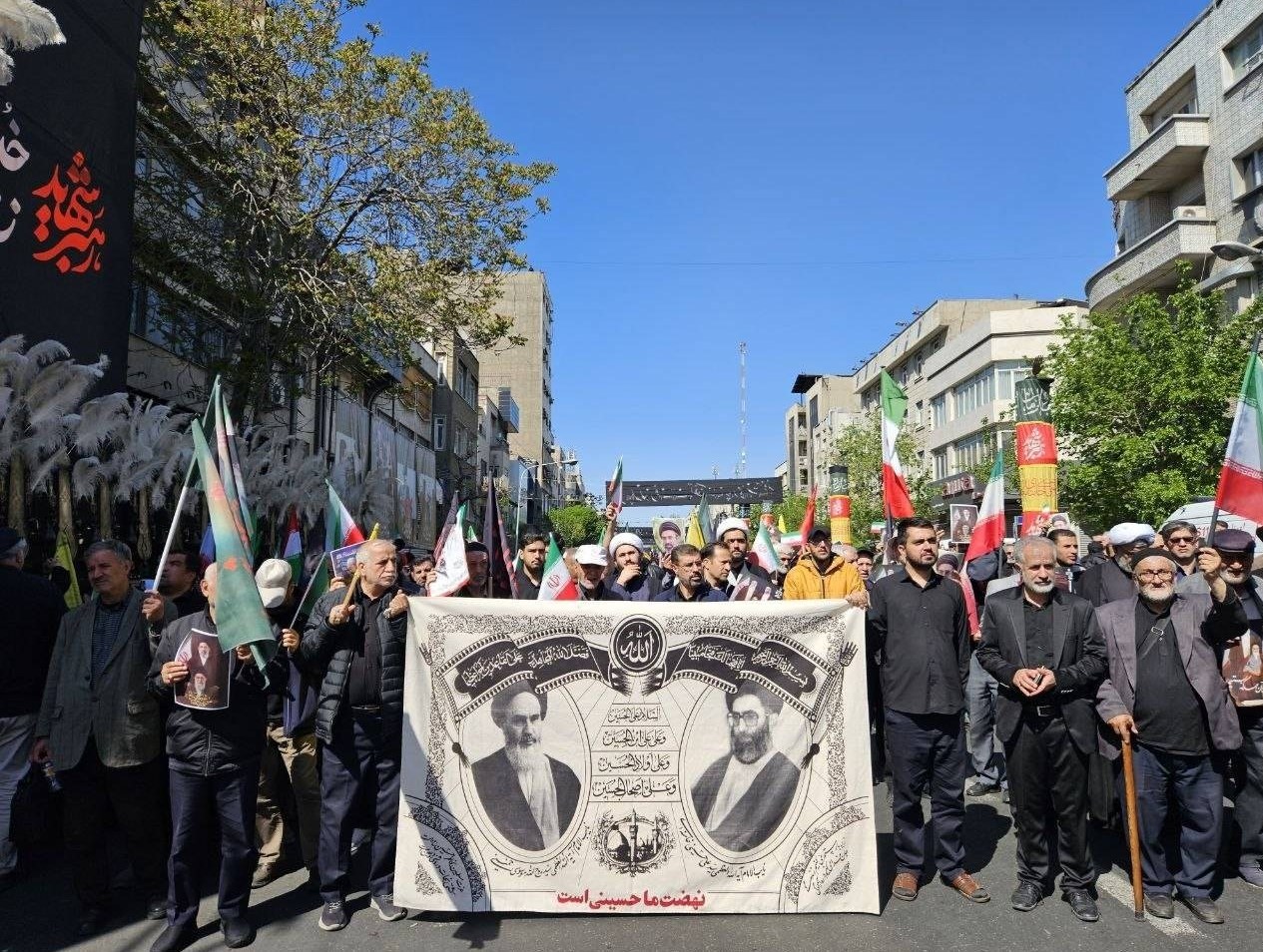
Israel's strategic catastrophe
Israeli circles, recognizing Iran's multifaceted achievements, emphasized that the outcome of this war constitutes a strategic catastrophe for Israel. Following the announcement of a regional ceasefire and the American retreat before Iran's conditions, internal reactions in Israel show deep pessimism regarding the war's results. In this context, assessments from Israeli sources speak of a political and military defeat that strengthens Iran’s position while weakening Tel Aviv. According to Al-Akhbar, the temporary ceasefire, initially agreed upon between Iran and the United States through Pakistani mediation, has cast a heavy shadow over Israel's political and military institutions, elites, and media. The common thread in the statements and revelations following the truce announcement was an expression of widespread disappointment, anxiety, and a sense of defeat, as well as a condemnation of short-term thinking, poor planning, and the flawed execution of the military operation against Iran.
The shift
This scenario stands in stark contrast to the exaggerated expectations and hopes promoted by Israeli officials in the early days of the war, particularly by Benjamin Netanyahu, who had repeatedly promised to "change the Middle East." Israelis believe that Netanyahu is attempting to put a "brave face" on defeat. As Israeli media adhered to military censorship orders during the war—avoiding the publication of anything that could benefit the enemy or weaken domestic morale—this compliance rapidly diminished following the ceasefire announcement.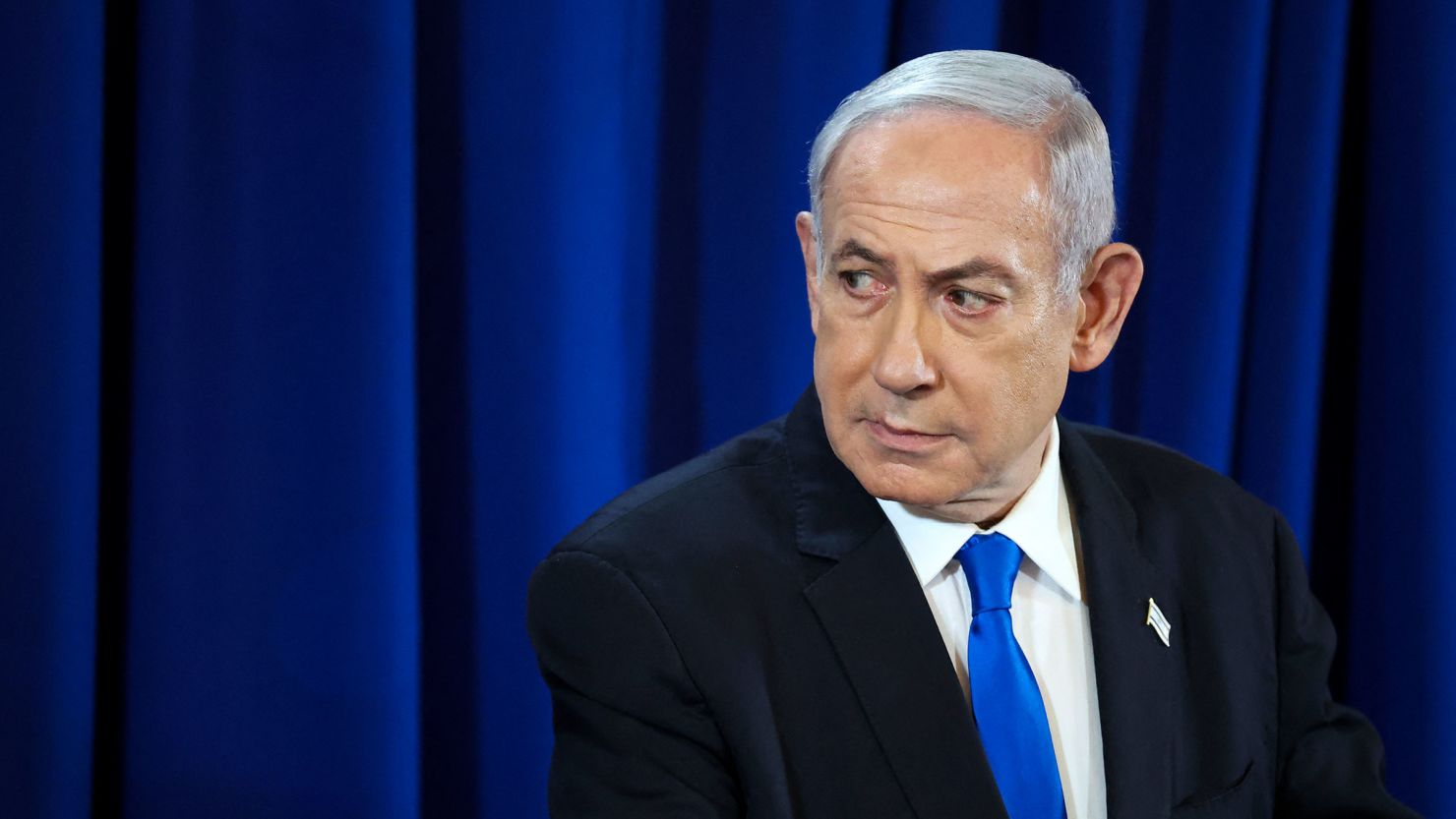
The criticism
This led to a wave of intense criticism, especially amid reports that the agreement for negotiations regarding the ceasefire between Tehran and Washington had been reached without the participation or presence of Tel Aviv, a fact described as "horrific" by Israeli media. Reports published yesterday in the Israeli press reflected the sense of defeat that has gripped the Israeli collective consciousness. The questions raised revealed the attitude of the Israeli elite toward the war's results, which they had initially viewed as an opportunity to eliminate the existential threat to Israel.
No objectives achieved
None of Netanyahu's goals in the war with Iran were achieved. In this context, the Israeli newspaper Haaretz posed a series of fundamental questions, revisiting the objectives Israel announced at the start of the war. According to the article, the Iranian regime remains stable, the fate of approximately 440 kg of enriched uranium remains unclear, and the ballistic missile program continues to operate. The goals Netanyahu set in his March speech, such as "preventing Iran from acquiring nuclear weapons," stopping the development of threatening missiles, and creating conditions for the overthrow of the Iranian regime, were not effectively achieved. The newspaper also touched upon Israel's standing with the United States post-war, especially amid accusations that it pushed Washington into an ill-calculated confrontation.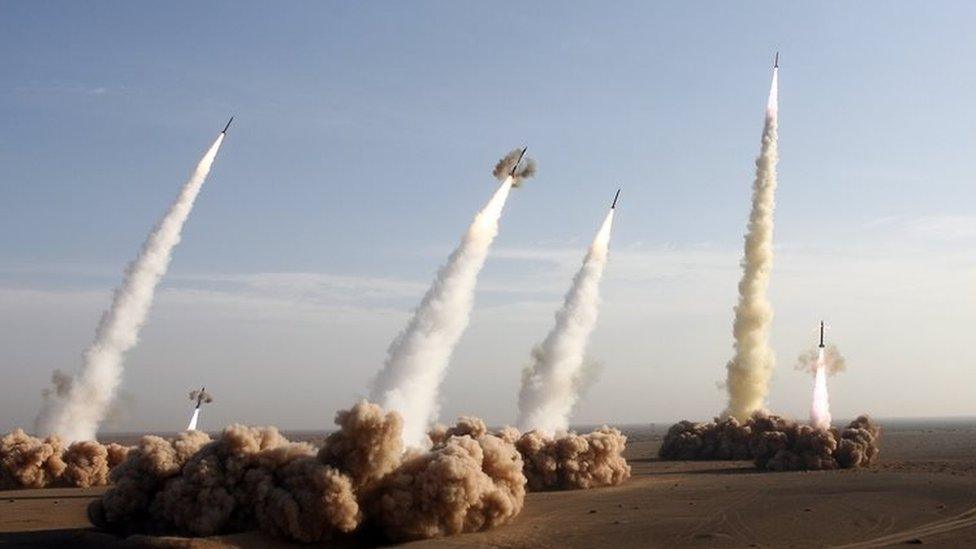
Iran strengthened
A New York Times report, based on revelations from circles close to Donald Trump, states that senior American officials characterized Israel's proposals for regime change in Iran as "absurd" and "ridiculous," severely damaging Israel's credibility within the US. Other questions focused on the war's counterproductive results: while Israel had threatened to destroy Iran, it instead bolstered its position. The report emphasizes that the US recognition of Iran as an official negotiating partner and its international legitimation strengthens Iran's economic and military capabilities, leaving it stronger after the crisis and capable of regrouping under the new international framework.
Iran's economic benefits following the war victory
Furthermore, it is noted that the economic benefits Tehran stands to gain from the agreement—such as the lifting of sanctions, the release of frozen assets, the payment of reparations, and the cancellation of decisions by the Security Council and the International Atomic Energy Agency—will give Iran access to massive financial liquidity it has been denied for years. The article continues by stating that Iran could reap exorbitant revenues from ship transit fees in the Persian Gulf, up to two million dollars per vessel, creating a new strategic lever for Tehran and establishing it as a global player in politics and strategy, not just within the region.
Strengthening Iran’s deterrence vs. Israel’s decline
Israeli media pointed out that Iran's deterrent power is growing, while Israel's deterrent capability has weakened, even as Iran faced the combined forces of Israel and the United States. According to Israeli analysts, Israel entered the war expecting a quick and clean victory but was ultimately sidelined from the negotiating table regarding its own internal security—a fact considered one of the most significant negative outcomes of this confrontation. Most Israeli newspapers and analysts, from Yedioth Ahronoth to Maariv, Israel Hayom, and the Walla website, agree on this assessment, in a rare scene of intense self-criticism reflecting the depth of the shock prevailing in Israel over the war's results.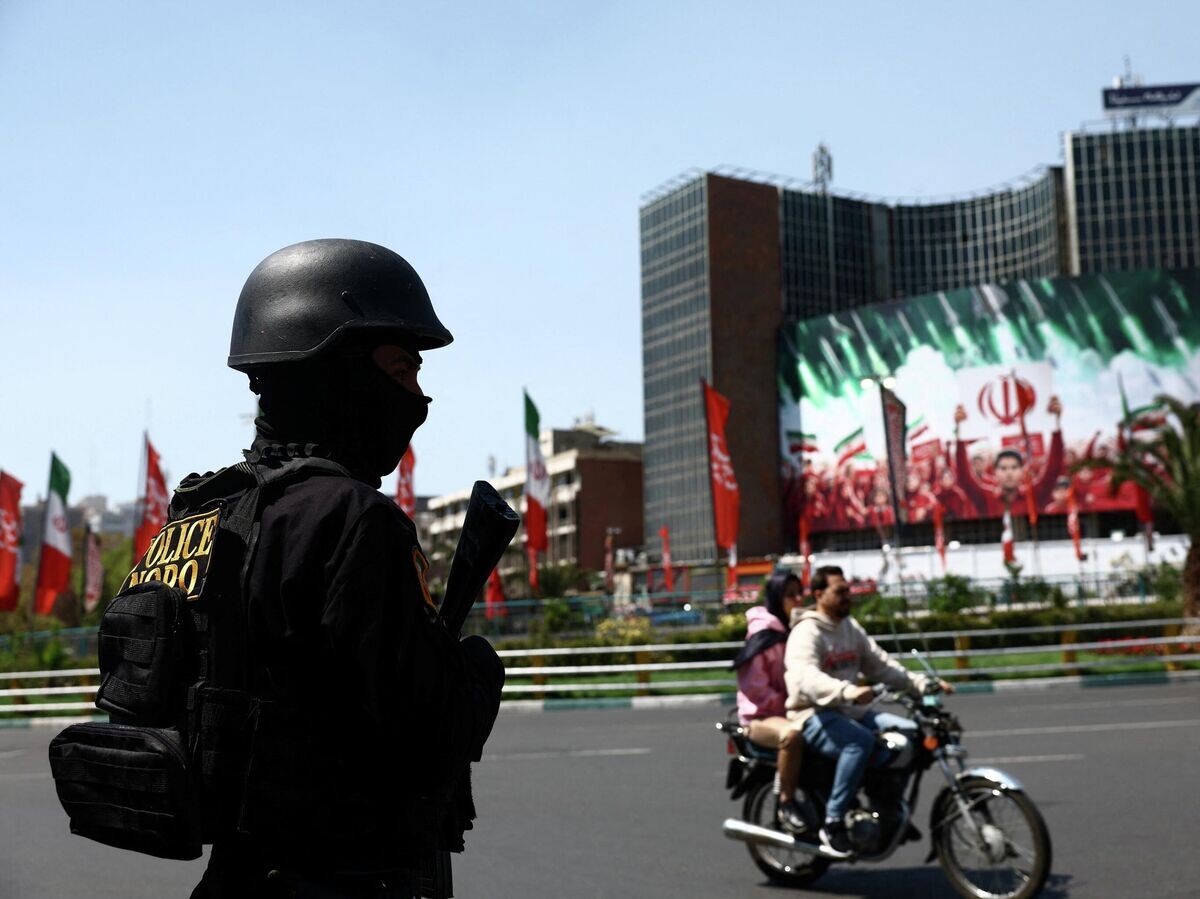
Trump exposed the US's strategic and military weaknesses
US President Donald Trump has exposed the strategic and military weaknesses of the United States to the world, according to a report in the American magazine The Atlantic. As reported, Trump has been "trapped" in the war with Iran, as he had no plan for closing the Strait of Hormuz before the bombing started and is now left hoping for the waterway to reopen. The report concludes with several key points:
-
Trump is trapped; Iran has leverage The Atlantic notes that although many senior Iranian officials have been assassinated in the past month, the remaining Iranian leaders continue to exert significant pressure on Trump.
-
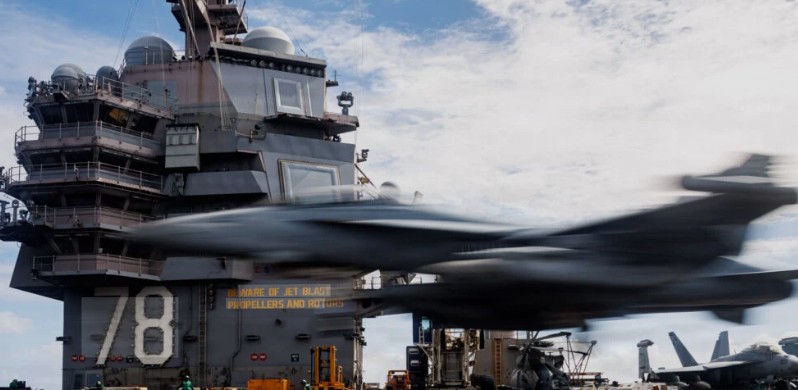
Exposure of US strategic and military weaknesses According to the magazine, Trump’s war in Iran, instead of a quick victory, exposes US strategic and military weaknesses to competitors, particularly China, a major global military and economic power. The early days of Trump’s campaign in Iran revealed a lack of planning and signs of limited actual pressure
.
-
Vulnerability of US bases – Repeating Russia's mistakes The Atlantic cites a specific example of US military weakness: American airbases are not yet ready for drone attacks. In June, Ukraine conducted "Operation Spider Web," a devastating drone attack on Russian strategic bombers. Ten months later, it appears that US bases are no better prepared for a similar attack than Russia was.
-
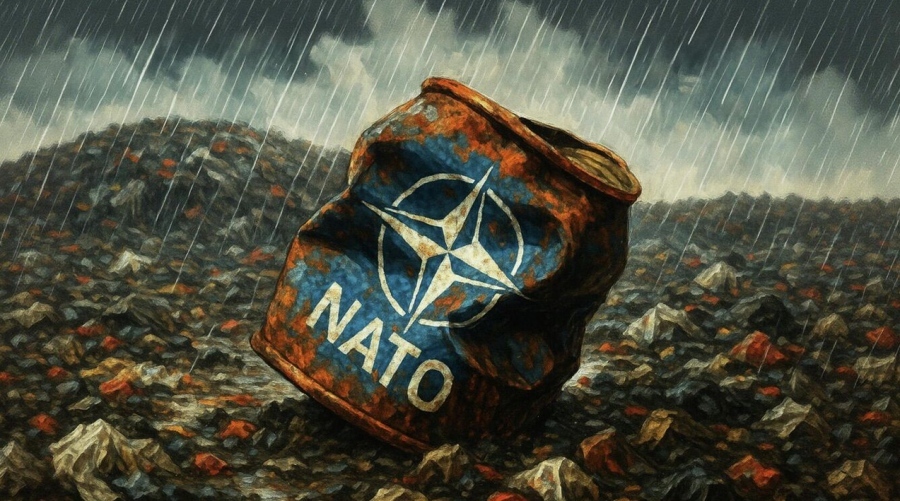
Collapse of US alliances – Former allies no longer support The report notes that Trump is watching the collapse of the alliance system the US created after World War II for its strategic benefit. He initially ignored allies and did not consult them on the Iran attack, then pressured them to join a war they did not want, and when they failed to cooperate, he disparaged them. Neither Japan nor any other country is rushing to help Trump resolve the Strait of Hormuz issue.
-
Future consequences – Why allies will withdraw in a Taiwan conflict The Atlantic warns that due to Trump’s behavior toward traditional allies, there is now doubt about their future cooperation with the US. If they ever need to decide whether to join a much more dangerous conflict, such as a war with China over Taiwan, recent events may lead them to withdraw.
www.bankingnews.gr







Readers’ Comments