

Agreement is impossible because the conflict is not about the interests of the US and Iran, but rather Israel’s attempt, via the US, to weaken or destroy Iran as an Islamic Republic.
The ceasefire in the Middle East hangs by a thread. Although Iran and the US have respected their mutual agreement, Israel continues to do everything in its power to undermine it. This is evidenced by the massacre caused by the Israeli army yesterday, Wednesday 4/8—the first day of the ceasefire—in Lebanon. Among the dead is Ali Yusuf Harshi, secretary to Hezbollah chief Naim Qassem. Furthermore, statements from Israeli ministers suggest the ceasefire with Iran is a mistake and that there is a 50% chance the truce will collapse within the coming days. Despite this, Israel must consider the dire, if not humiliating, position of US President Donald Trump, who reportedly sought the ceasefire himself—contrary to his public rhetoric—viewing it as the best escape route from his Middle Eastern deadlock. As the first signs of the American "empire's" decline appear, the leadership of China is becoming clear in the background. Beijing reportedly pushed Pakistan to emerge as an "international player" and achieve a major diplomatic victory by hosting the US-Iran talks on its soil, scheduled for Saturday, April 11. However, many analysts believe a fundamental agreement is unlikely. A new geopolitical reality is taking shape, with the US and Israel watching their economic, military, and political influence erode while Russia and China implement a strategy destined to cause a global shock.
What is happening
Trump has backed down, postponing the "destruction of Iran" and announcing negotiations for a peace deal. But what are we actually seeing? Is there a ceasefire, a practical end to the war, or merely a brief pause in American-Israeli aggression? Israel, while theoretically supporting the cessation, is attempting to sabotage it by intensifying bombings against Lebanon. "Lebanon doesn't count," Netanyahu claims (as do some in Trump’s circle), even though halting attacks against Lebanon was one of Iran's core demands for beginning negotiations and opening the Strait of Hormuz.
Where Israel is betting
It is clear that if the bombings do not stop today, there will be no meeting in Islamabad tomorrow between the US and Iranian delegations, and the Strait of Hormuz will not open for free passage. Nevertheless, Israel will almost certainly—perhaps with some delay—temporarily halt attacks to avoid completely exposing Trump. Furthermore, there is no need for such overt defiance: Israeli leaders believe that even if Trump truly wants to end the war, he will fail to reach a reliable agreement with Iran, and secondly, Israel will always have the ability to sabotage the deal. This was made clear by Israeli Minister for Diaspora Affairs Amichai Chikli, who stated it was a "mistake" to have a ceasefire with Iran, which must be brought to its knees, while expressing doubts that the truce would last.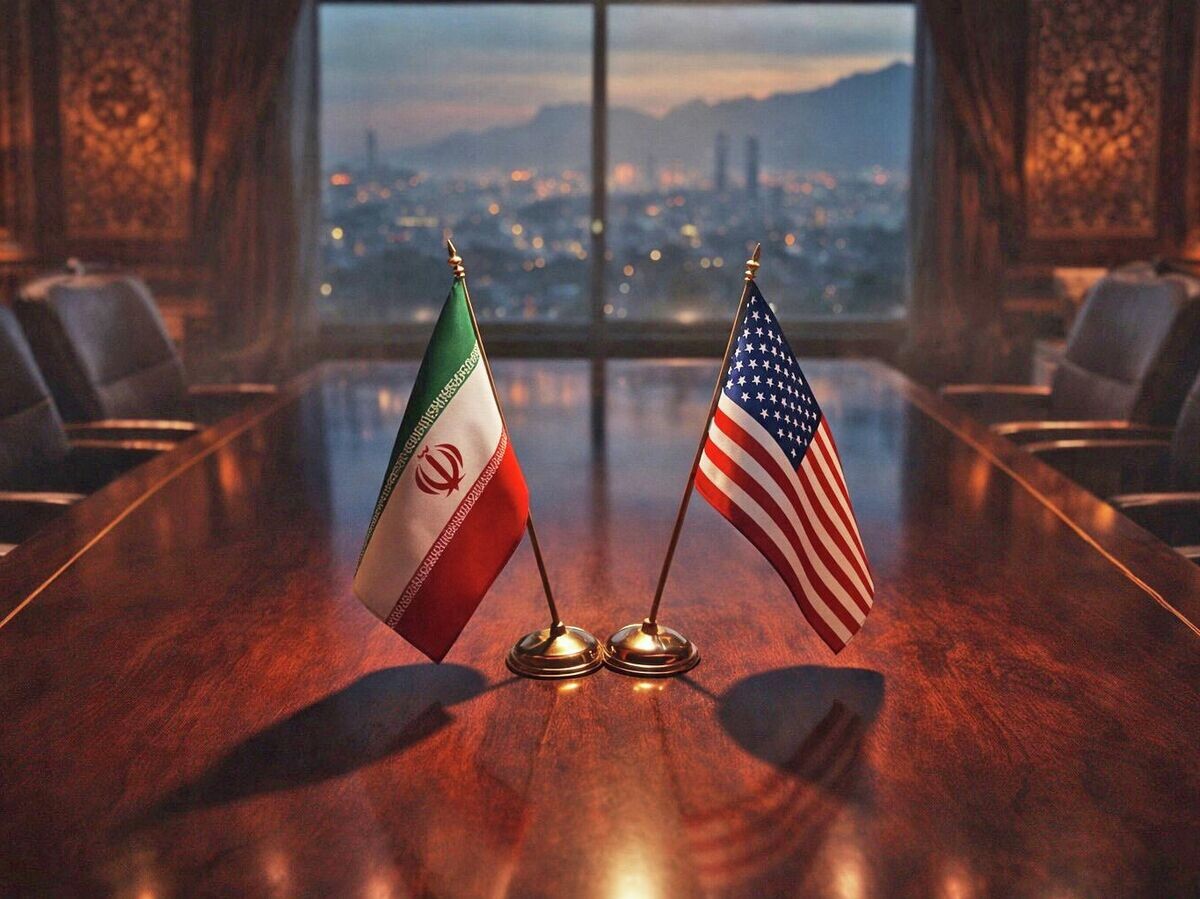
The goal of negotiations
Thus, the negotiations in Islamabad will take place, but the question remains: With what purpose? Is it to end the war, or to deceive Iran again (and the US Congress) to prepare a new American-Israeli attack? These two versions seem the most realistic: the first based on Trump’s statements, the second based on his actions. However, there are nuances.
The Trump plan
If Trump truly wanted to continue the war, he would have no reason to reuse the same tactic he employed twice before (last June and February). A pause in the war to temporarily open the Strait? This is futile, as it will close again as soon as operations resume. Disorienting Iran to strike suddenly? Even if considered, the Iranians will not relax; instead, they will be on maximum alert. This was pointed out by Iranian military spokesman Amir Akraminia, stating they have no trust in the Americans and that Iranians have their finger on the trigger. Therefore, disorientation via negotiations for a new attack is unnecessary—Trump needs the negotiations to exit the war. In other words, as a pretext for withdrawal.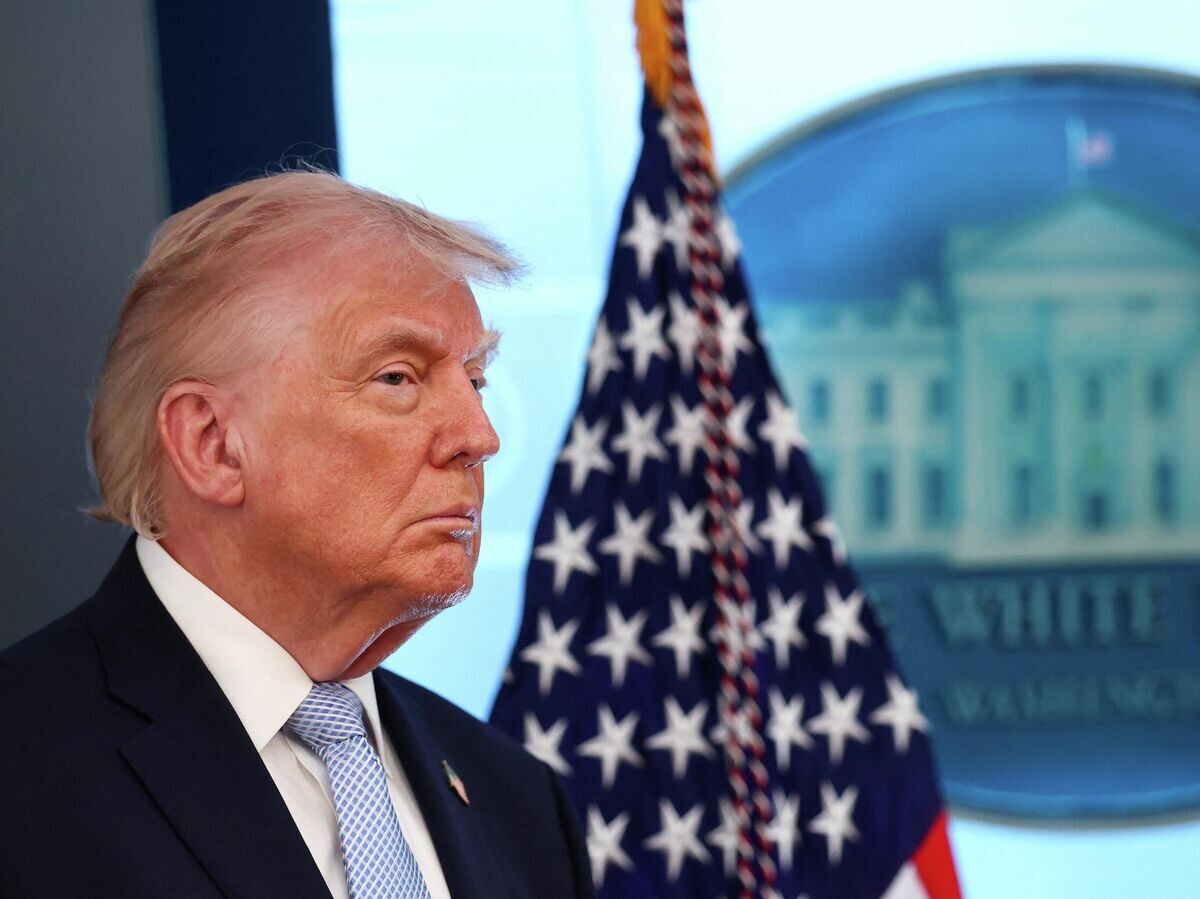
Agreement unlikely
Because no serious agreement between Iran and the US is possible. Even a basic two-or-three-point deal—Iran stops the nuclear program, the US lifts sanctions, the Strait of Hormuz opens—is improbable. Vance, Mohammad-Bagher Ghalibaf, Kushner, or Witcoff along with Abbas Araghchi cannot agree on or sign anything, even if the Islamabad meeting occurs at a very high level. The agreement is impossible because it is not about US-Iran interests, but about Israel’s attempt through the US to weaken or destroy Iran as an Islamic Republic. The goal is not just regime change, but the collapse of the state. Iran has no reason to negotiate with the Americans, who now act essentially as Netanyahu's representatives.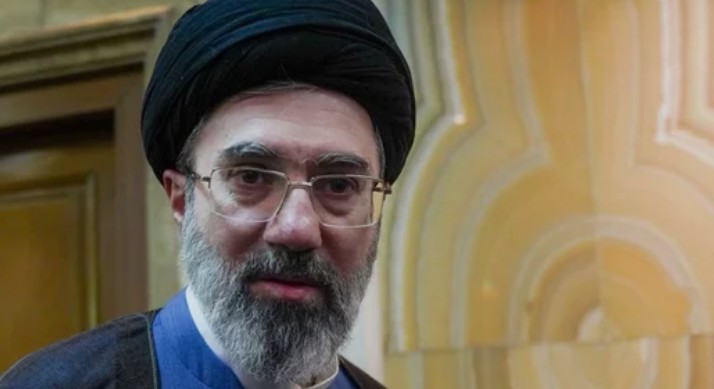
The response of Mojtaba Khamenei
Vance, despite his personal opposition to an attack on Iran, is no different from Kushner or Witkoff, who under the guise of negotiations were preparing the assassination of Ali Khamenei. His son and successor, Mojtaba, is also condemned, but he is in no hurry to meet his father. He will not negotiate with Trump or Netanyahu for his safety or non-aggression guarantees—it is utterly useless. However, he will participate in negotiations—or rather, send representatives—because Iran needs a breather, a pause, peace. Indeed, they need a stable and permanent peace, not just in the Persian Gulf but in the Middle East generally, as Tehran constantly reminds. But for this to happen, a different US and Israel are required—if not defeated, at least fundamentally transformed. The first is impossible for now, the second under Trump and Netanyahu is excluded, but there is a chance for a long-term ceasefire. Not on paper, but a real one that could last years.
A massive defeat for Trump
Trump suffered a serious defeat from the adventure Netanyahu led him into, and now Israel will find it difficult to involve the US in a new campaign against Iran again. Iran emerges as the moral and possibly geopolitical winner, because while the two attackers showed full military superiority and caused near-total destruction, they simultaneously made a critical error: they underestimated the will and endurance of an ancient people, making the need for resistance against evil a real factor in new global politics.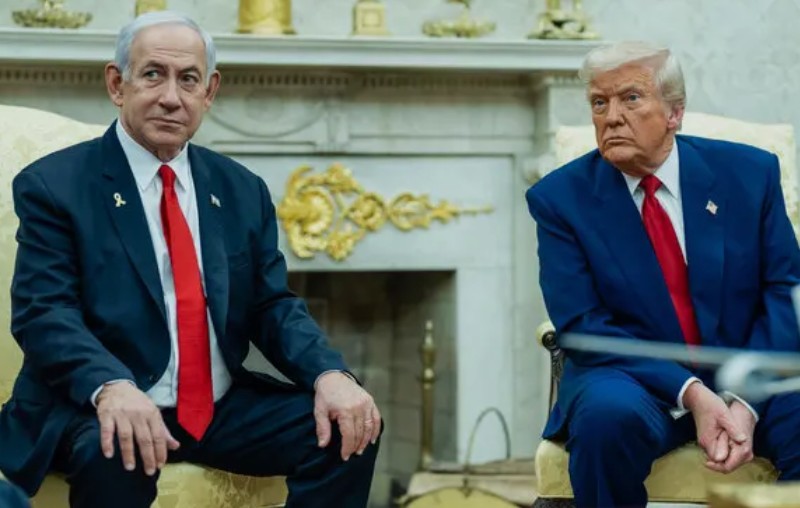
Did the US obey Pakistan?
At this moment, no one can afford to pay too much attention to Donald Trump’s statements: the decision for a ceasefire in Iran was made at the request of Pakistan. Pakistan? The Pakistanis asked—and Trump obeyed? How did this happen and who helped organize Islamabad's role? It is understandable that most participants have no time for detailed investigations right now. All will be revealed later.
What is widely known
What is known about Pakistan's mediation? It must be noted that events in our world are hard to verify fully—it takes time or at least honesty regarding accuracy, especially in the current tension. But for now, according to the New York Times, Pakistani Prime Minister Shehbaz Sharif states that he invited Americans and Iranians for negotiations in Islamabad. This is geographically convenient for the movement of both Iranians and Americans. Regarding confirmation from the White House—it remains vague, as the value of their word has been devalued. Iran, according to Chinese sources, agrees.
The roles of Shehbaz Sharif and Asim Munir
Indian sources confirm that Shehbaz Sharif and Asim Munir, Pakistan's army chief, played a central role in the ceasefire. A Chinese outlet reports that minutes before the ceasefire announcement, Trump had a conversation with Asim Munir. Further details from Chinese media: yes, Iran agreed to negotiations in Islamabad. And again, according to the New York Times, Beijing reportedly exerted pressure on Iranian authorities to send a delegation to the Pakistani capital. More clearly: the Chinese are appearing on the "stage" (or behind it). It is worth mentioning that the initiative was Sino-Pakistani: first they gathered the foreign ministers of Egypt, Turkey, and Saudi Arabia in Islamabad, and immediately after, they sent a delegation to Beijing.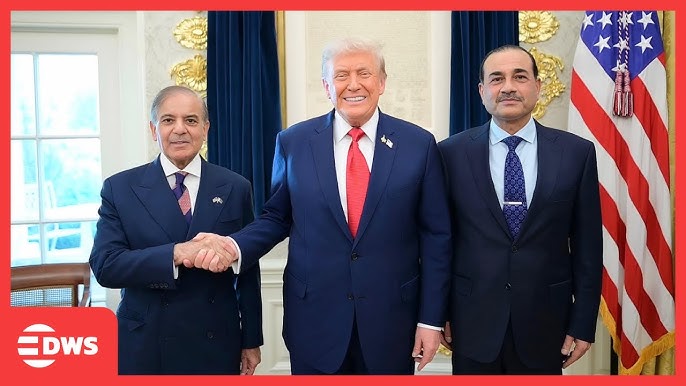
China's strategic partner
It is understandable that Pakistan—besides the fact that the war against Iran is a catastrophe for a neighboring country—is a long-term strategic partner of China for many economic and political reasons. This is why we see key details in Chinese media regarding the peacemaking role of Pakistan, especially as the country (and primarily Asim Munir) recently began cooperating with the Trump administration, partly to avoid being overly fearful of India. Thus, Islamabad gained an honorary position as a mediator, while the ceasefire, as mentioned, was the result of a joint Sino-Pakistani effort. But they were not alone.
The China-Russia strategy
It is worth remembering recent diplomatic history at the UN, when Russia and China together overturned the draft Security Council resolution that would have given certain parties the right to military action to unblock the Strait of Hormuz. It isn't that the US fully obeyed the UN, but they paid attention nonetheless. Furthermore, Moscow and Beijing proposed an alternative plan for the same strait. It is clear there will always be someone to veto, but in any case, two major powers are promoting a clear strategy for the future of the Middle East, and Pakistani mediation is merely a detail of this strategy.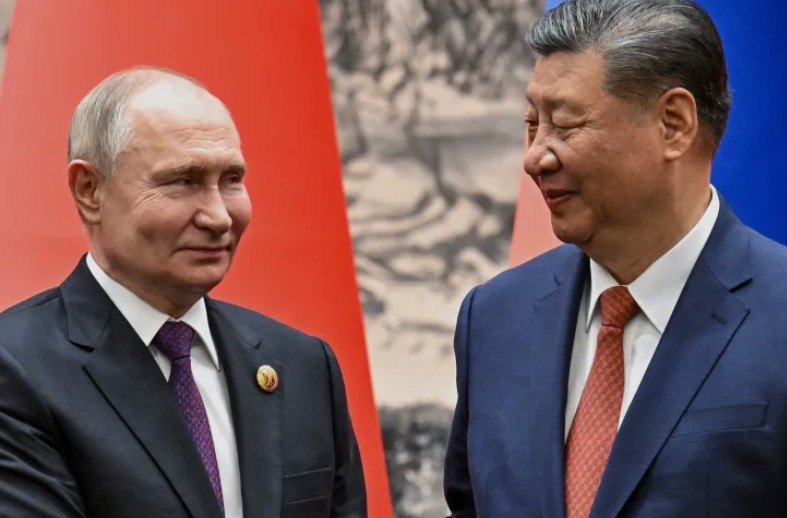
Dangerous insinuations
It would not be diplomatically correct to over-emphasize the involvement of Moscow and Beijing, especially since there are dark forces in the US making insinuations: yes, we aren't just at war with Iran. Russia is allegedly providing intelligence to Iran for missile guidance, and Beijing similarly. There is also an interesting story: some private Chinese intelligence firms reportedly made an AI product available for free sale that analyzes available data—satellite images, etc.—and shows details of operations in the Middle East. The companies are private, but the effect on Americans is that they feel like a fly under a microscope, and not a particularly strong fly at that. Peace requires strong nerves and patience. But the general outlines of tomorrow's "who is who" in international diplomacy are already visible, aiming to bring the Middle East back to normalcy and create a new model of relations for all players involved.
Trump: The military remains in position around and… inside Iran until a real deal is honored
US President Donald Trump sent a clear message that American military forces will remain in Iran until a deal with Tehran is reached, noting that in the unlikely event a deal is not reached, then US attacks will be stronger than before. "All US ships, aircraft, and military personnel, with extra ammunition, weapons, and everything else appropriate and necessary for the lethal pursuit and destruction of an already substantially degraded enemy, will remain in place within and around Iran, until the REAL DEAL reached is fully honored. If for any reason it is not honored, which is extremely unlikely, then the 'Shooting' starts, bigger, better and stronger than anyone has ever seen before. It was agreed, a long time ago, and despite all the false rhetoric to the contrary—NO NUCLEAR WEAPONS and the Strait of Hormuz WILL BE OPEN & SAFE. Meanwhile, our great Military is loading up and resting, looking forward, actually, to its next Conquest. AMERICA IS BACK!" the US President wrote in a message on Truth Social early Thursday morning.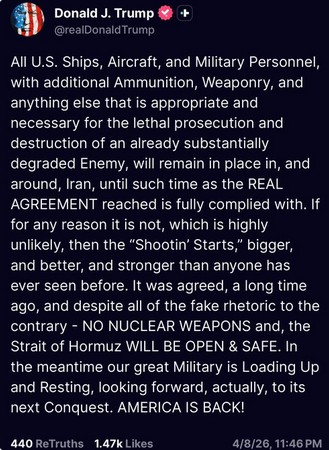
www.bankingnews.gr




Readers’ Comments