Iran is maintaining a hard line toward the United States and Israel, demanding that the massacre in Lebanon stop immediately in order for talks in Islamabad regarding the agreement for the 14 day ceasefire to begin.
Iran makes clear that it will sit at the negotiating table with the United States in Islamabad only if the attacks in Lebanon stop completely, as reported by the Wall Street Journal, citing reliable sources.
According to the WSJ, Iran informed mediators that its participation in talks with American officials will be possible only if there is a ceasefire in Lebanon, underlining the direct connection between stability in the region and the diplomatic process.
Iranian sources report that this stance is not a simple political protest but a decisive message that any negotiation without substantial de escalation will have no result.
Earlier, the president of Iran, Masud Pezeshkian, during a telephone conversation with Pakistani Prime Minister Shahbaz Sharif, stressed that the United States and Israel must completely stop the attacks, as their military actions affect the security of navigation in the Strait of Hormuz, a vital passage for the global energy market.
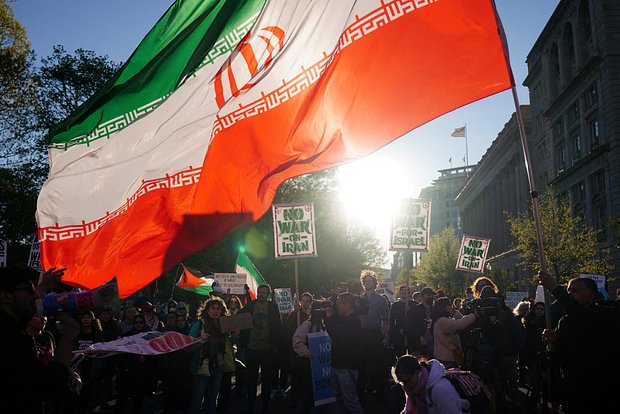
The massacre in Lebanon
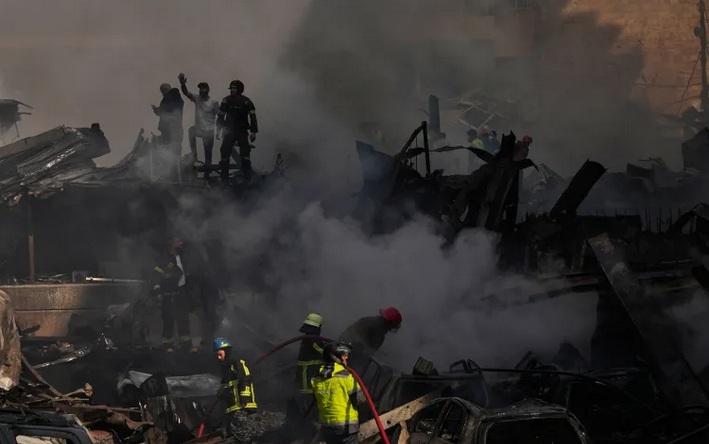
Tension escalated on 8 April, when the Israeli Defense Forces (IDF) carried out the largest attack across the entire territory of Lebanon.
According to a source of the Iranian agency Tasnim, Iran is ready to use military power coming from hell if the United States fails to put a leash on its “aggressive dog in the Middle East”, referring to Israel.
Iran’s stance reflects a hard line strategy, negotiations are not simply procedural, but are inseparably linked to the restraining behavior of Israel and the substantial commitment of the United States to the de escalation of the conflicts in Lebanon.
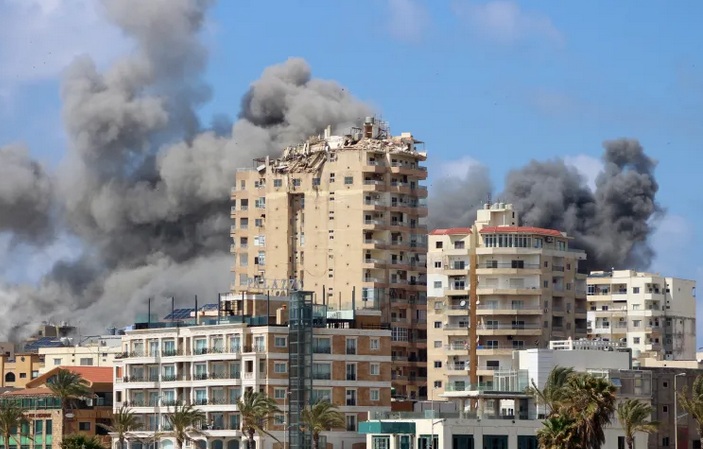
Iran’s strategy
Iran demands substantial de escalation, which means that in order to sit at the table, the attacks must stop completely and the security of civilian and military infrastructure in Lebanon must be ensured.
This hard line is the result of decades of Iran’s experience in international negotiations and its military training in confronting powerful forces.
The combination of political and military pressure makes the Iranian stance particularly difficult for the United States, as Washington must balance between the pressure of allies, the military tension and the need to maintain stability in the Strait of Hormuz.
This development creates a critical moment for United States diplomacy in the Middle East, as Washington is called to balance between the pressure of allies, the military tension and the safeguarding of stability in the sea routes that connect oil production with the global market.
Achieving a ceasefire in Lebanon is not only a prerequisite for Iran’s participation in the talks, but also constitutes a test for Washington’s ability to control the Israeli army and maintain the regional balance, laying the foundations for possible future agreements.
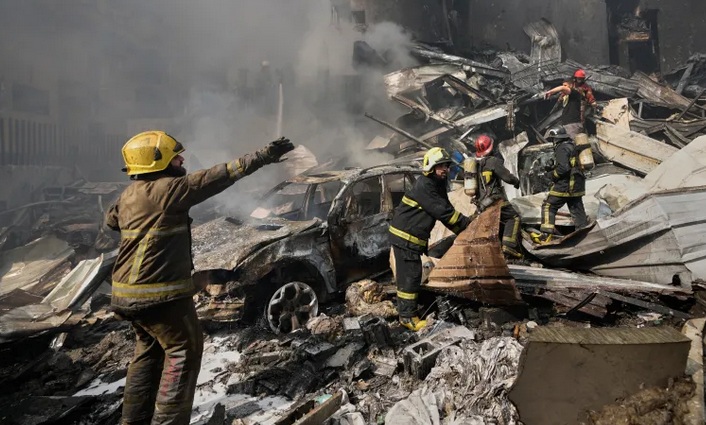
Implications for Washington
Iran’s stance creates a critical moment for the United States.
The American leadership faces the difficult choice of pressuring Israel to stop the attacks or risking the failure of the negotiations.
Every military action by Israel can be considered a violation of the prerequisite for a ceasefire, and therefore lead to the postponement or cancellation of the talks.
Political and military pressure on the United States is intensifying from the international community.
Allies are watching carefully, while the global oil market remains vulnerable.
Security in the Strait of Hormuz directly affects oil prices, and any tension can cause turbulence in financial markets.
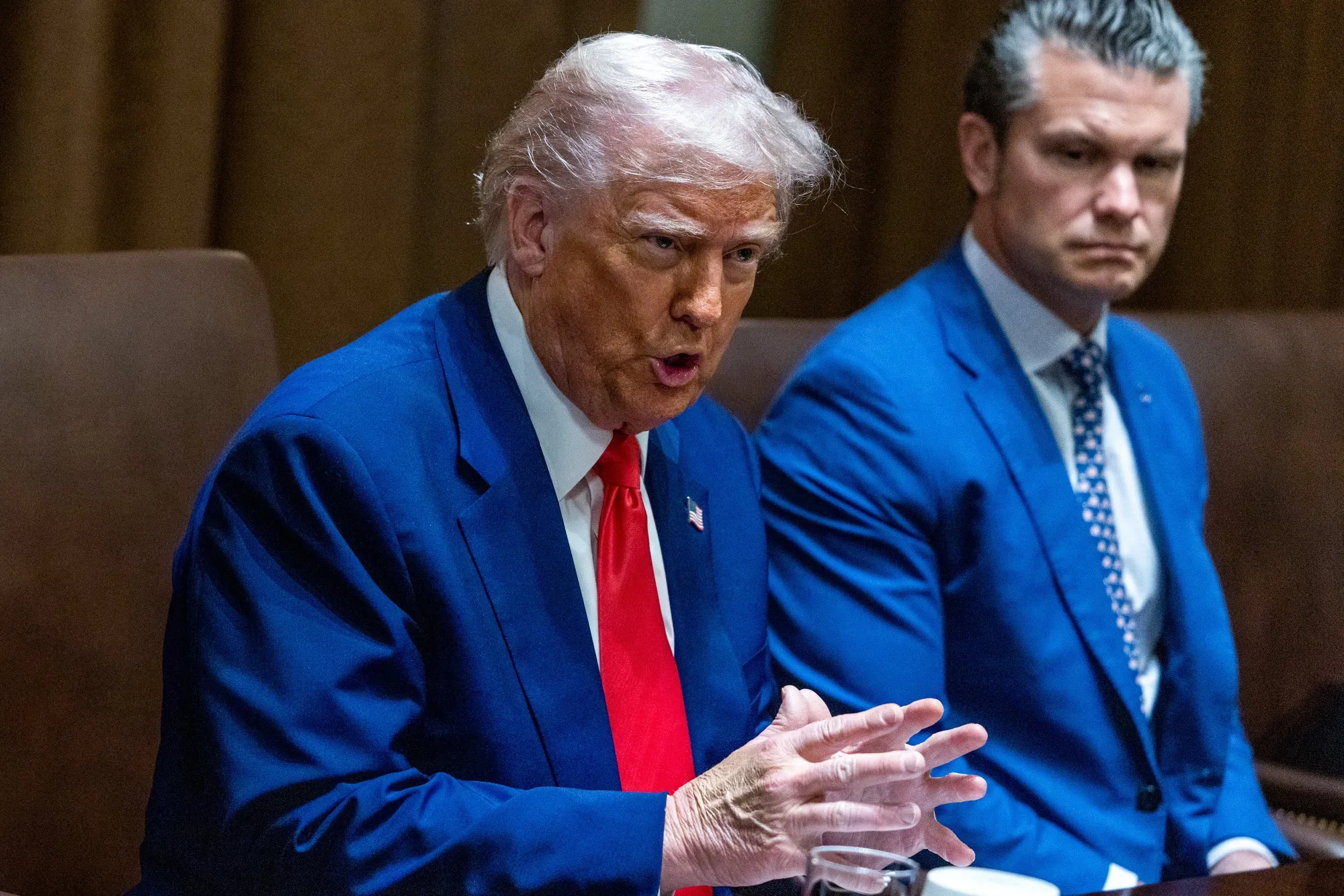
Lebanon at the center
The attacks in Lebanon with more than 250 dead and the threats of Iran to use military power underline the importance of this country as a geopolitical hub.
Iran sees the stability of Lebanon as a prerequisite for any peace process, as the activity of organizations controlled by Tehran such as Hezbollah ensures strategic depth in the Middle East.
The scale and intensity of the Israeli attacks on 8 April show that Tel Aviv has a different perception of strategic stability, prioritizing security and the limitation of Iranian influence.
This creates a dynamic conflict of interests that makes diplomacy far more complex and dangerous.
Challenges for diplomacy - Risk of double defeat for the United States
The diplomatic process in Islamabad will be particularly delicate.
American officials must persuade Israel to limit its military actions, without risking internal political pressure and relations with allies.
At the same time, it must be ensured that the talks with Iran will not be lost because of military or political interventions.
If Iran decides to delay or withdraw its participation due to the continuation of the attacks, the United States will face a double defeat, the failure of negotiations and the increasing military tension in the Middle East.

A powerful message to the United States
Iran’s decision to link the negotiations with a complete ceasefire in Lebanon is not simply a strategic tactic.
It is a political and military message to the United States and Israel, talks require respect for the prerequisites, real de escalation and stability in the region.
If the United States wants to maintain control of the diplomatic process, it must act quickly to stop the attacks, limit Israeli military activity and ensure that the Strait of Hormuz remains secure.
The future of the negotiations, security in the region and the stability of energy markets depend on compliance with these basic prerequisites.
Iran has shown that it will not retreat under conditions of pressure or selective ceasefire.
The decision to sit at the table only under a full ceasefire in Lebanon sends a clear message, peace requires stability, and stability requires the lifting of aggressive actions.
Washington and its allies are called to take into account this explicit warning before the start of the crucial talks in Islamabad.
www.bankingnews.gr













Readers’ Comments