

Recent developments in the Middle East, following the agreement between the US and Iran for a two-week ceasefire to allow space for diplomacy to end the war that erupted on February 28, allow for no illusions. The Americans and President Trump have been humiliated and defeated. None of the objectives set by Trump at the onset of the conflict were achieved. On the contrary, Iran resisted, endured, and secured a strategic victory.
Iran is already being recognized as a global power—following the US, China, and Russia—as it has become the dominant force in the Persian Gulf and the Strait of Hormuz. Simultaneously, it is set to join negotiations demanding an end to the sanctions imposed by the West for 45 years. It is equally clear that Israel is a major loser, with Prime Minister Netanyahu facing a truly dark future.
However, there should be no delusions about the situation in the Middle East, even if a final agreement is reached. Many analysts estimate that such a deal may simply be the prelude to the next great conflict, the outcome of which will be even more unpredictable. These are observations that China is analyzing very closely as it recalibrates its political focus and prepares its own strategic move regarding Taiwan.
Not a single objective achieved
The two-week ceasefire agreement between the US and Iran and the subsequent final deal essentially represent a return to the "status quo ante"—the situation prior to February 28, 2026. If one were to create a table comparing the declared military-political goals of the US against the actual results, it is easy to see that none of Washington's objectives were met. It is also doubtful whether the White House possessed a well-designed plan for the operation beyond its initial phase. It appears they failed to account for sudden shifts in the situation, leading to fatal consequences for the administration.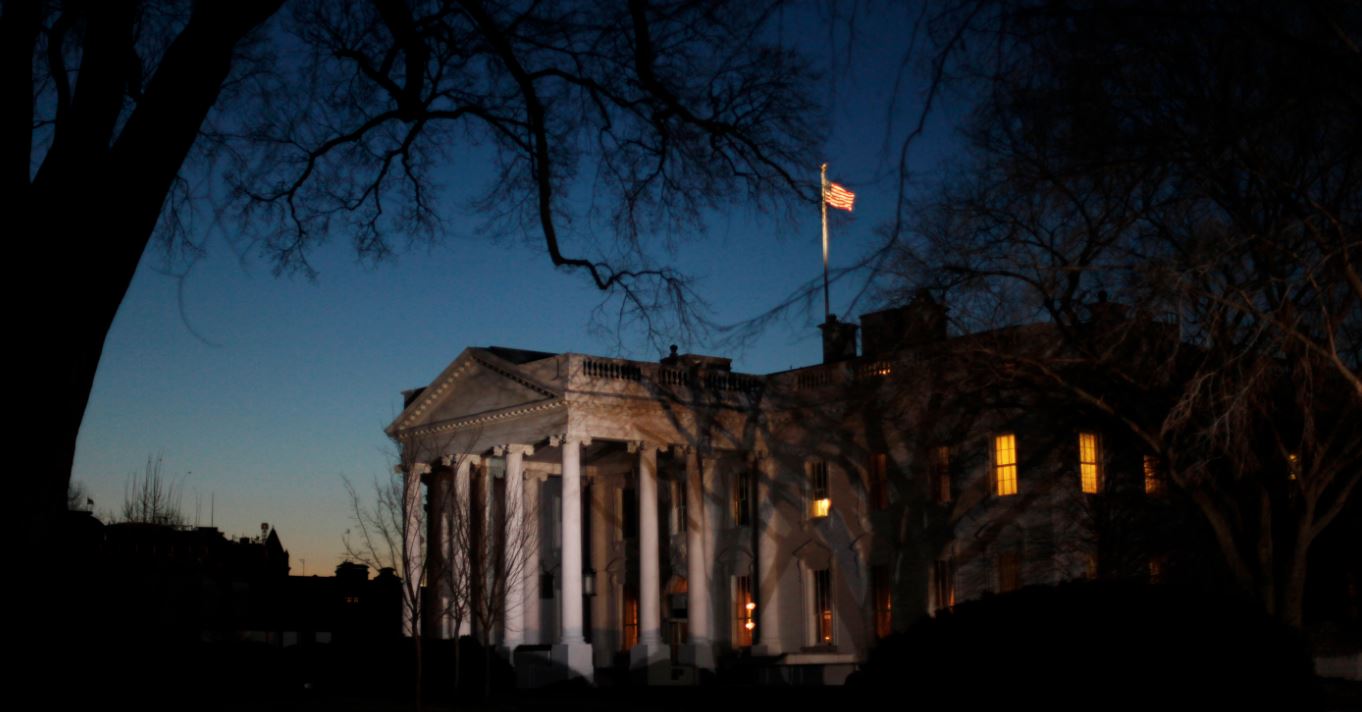
China's question to the US regarding Taiwan
Iran endured this conflict. The White House failed to achieve regime change. The myth of unlimited US military power has been largely debunked. Analysts suggest that officials in Beijing now have every reason to ask White House generals: "Would you actually fight for Taiwan?"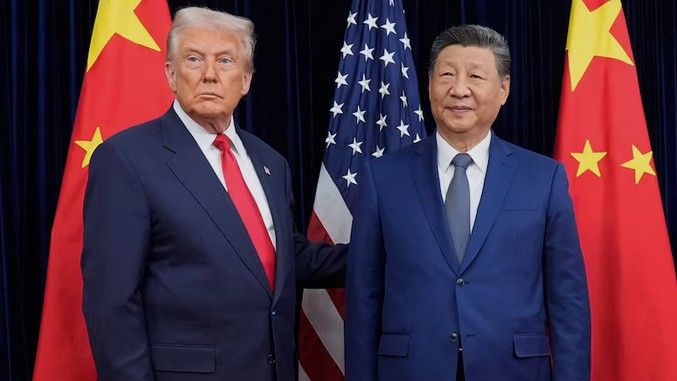
Relentless questions
Serious questions have emerged regarding the competence of the US military-political leadership and specifically Trump as Commander-in-Chief—radical shifts in military decisions within a single day do not inspire confidence. If a US adversary in war does not suffer a crushing defeat, it constitutes a failed campaign for Washington; no other assessment is possible.
What to expect next
Regarding how events will unfold in the near future: There is no doubt Iran will continue its nuclear program, and its final objectives are now clear. The war left Tehran with no choice but to achieve these goals. The Islamic Republic's missile program will also accelerate. The range of Iranian ballistic missiles will increase significantly, as will the power of their warheads. Hypersonic missiles will be refined, and all weapon systems will gain terminal maneuverability to evade anti-missile defenses. Upgrades will also target Iranian drones (which performed well) and unmanned surface vessels.
Iranian dominance in Hormuz
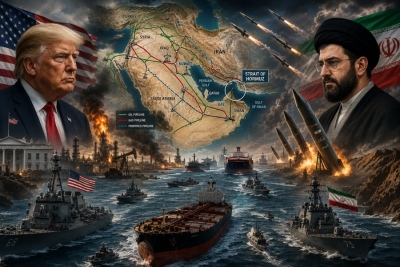
Iran has essentially become the master of the Persian Gulf, exercising full control over the world's most critical trade route—the Strait of Hormuz. Since the US did not launch a naval operation to seize the area, Iran assumed control, dictating who may pass through the Strait.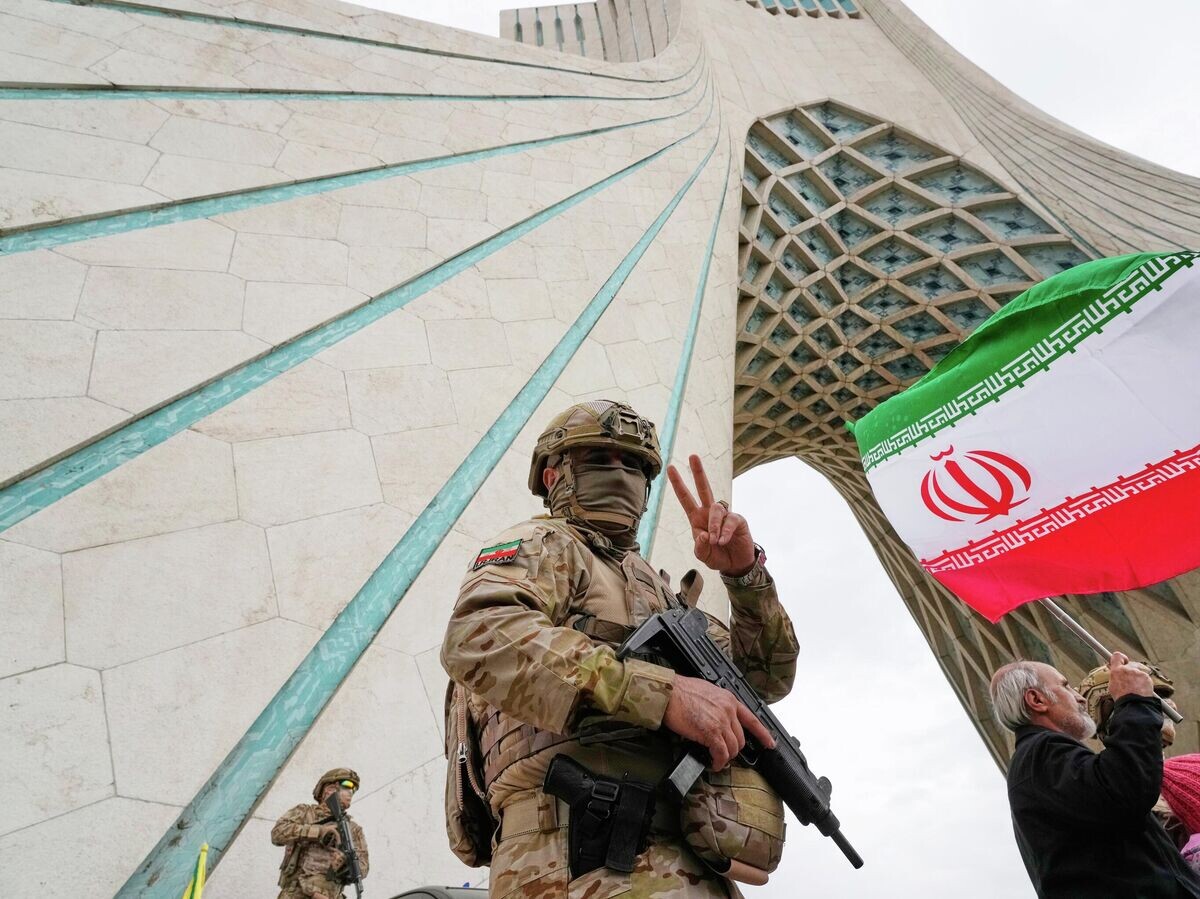
Israeli failure
Israel failed to fully destroy either Hamas (in previous conflicts) or Hezbollah in southern Lebanon. This also represents a return to the original state of affairs. Will the situation in the region change radically after the two-week ceasefire expires? It is unlikely. The involved parties will likely seek a final agreement, but this will not necessarily mean long-term Middle East peace. A new round of military conflict is expected soon, with even more unpredictable results.
Al Jazeera: Netanyahu's future is black after the war
Arab and Western experts speaking to Al Jazeera emphasized that the current ceasefire has a direct impact on the political fate of Benjamin Netanyahu, likely marking the end of his career. Dr. Muhannad Mustafa, an expert on the Israeli regime, stated that whether the war ends now or not, the current situation may finish Netanyahu, who is pursued by the International Court for war crimes in Gaza. This trajectory is viewed as a victory for Iran in a war upon which Netanyahu had staked his political future. He added that the truce is a major political defeat for Netanyahu, including on the Lebanon front, while the Israeli home front was shocked by the surprising power of Hezbollah. Consequently, Netanyahu can no longer convince Trump to continue the war. Experts noted that Netanyahu, with grand plans that went unfulfilled, dragged Trump into this conflict. Even if he intended to create a "deterrence zone" in Lebanon, he no longer has the power to convince the Israeli public or win votes.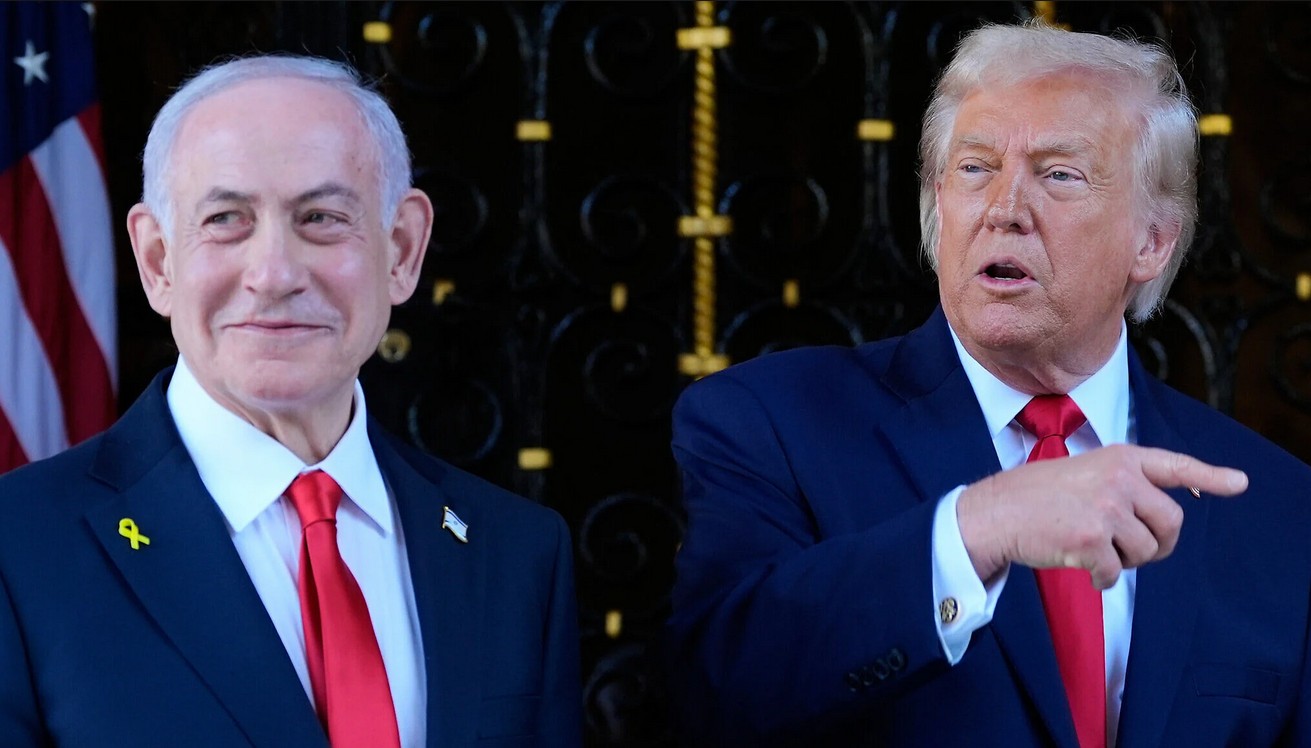
Iran has the last word
Dr. Mahjoub Al-Zouairi, a Middle East specialist, pointed to the devastating operations of the Iranian armed forces against Israeli positions and stressed that one message from these operations is that Iran has the last word in the war. He noted these actions sent a message that the Iranian regime remains politically and militarily cohesive and that its "finger remains on the trigger."
From the 12-day war
Currently, an "information tsunami" has flooded the political field in the Middle East, making clear predictions nearly impossible. However, certain conclusions can be drawn. The core problem of this war was that the parties found themselves in a military and political deadlock that was not merely symbolic. Israel has been the primary instigator of conflict with Iran for decades, involving the US as its ally and protector. Yet, neither Washington nor Tehran ever truly wanted a full-scale war due to the massive costs involved. In the past, Iran often adopted a flexible stance to avoid a large-scale war, responding with symbolic actions like during the previous year's 12-day war.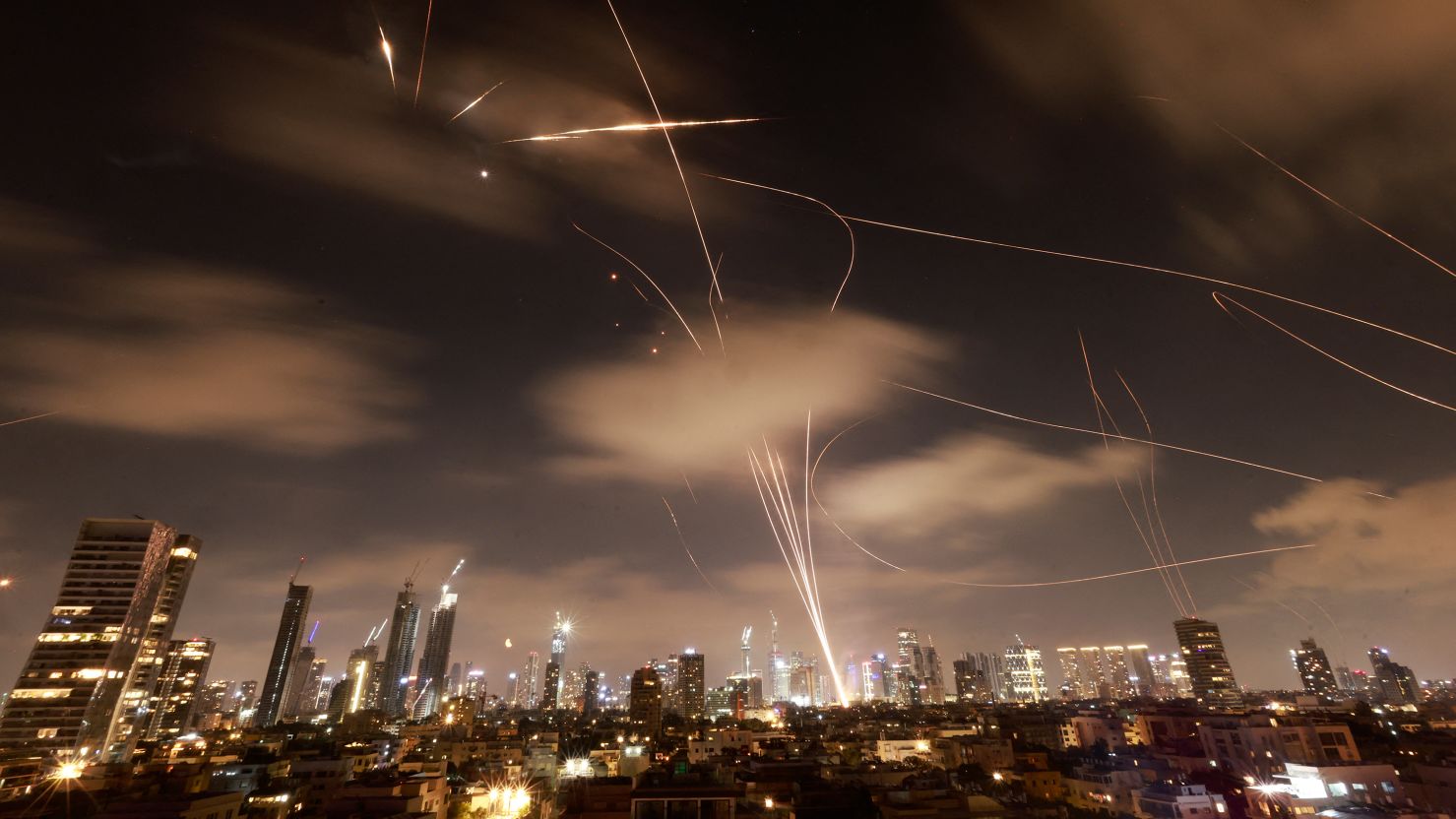
Full-scale conflict
This time, however, the situation was different. With the assassination of state officials, the US and Israel did not just cross a "red line"; it became clear that Tel Aviv and Washington aimed for the destruction of the Islamic Republic. Thus, Tehran began responding with full force. The results are known: within a month, the global economy was in turmoil, US forces suffered significant losses, the Iron Dome proved vulnerable, and Gulf monarchies took heavy hits as US allies. Unlike previous crises, Iran set very harsh terms for a resolution, including:
-
The lifting of all sanctions.
-
The payment of reparations for damages.
-
The withdrawal of US bases from the region.
-
Control over the Strait of Hormuz and a revision of transit protocols.
Whether these demands will be met remains to be seen. However, two elements are telling:
-
Donald Trump described the Iranian ten-point plan as an "acceptable basis" for negotiations.
-
During the ceasefire, Iran and Oman will impose fees on ships for permission to pass through the Strait.
Tehran has already succeeded
This indicates that Iran has already achieved partial satisfaction of its demands, while Washington has made concessions—and this is likely just the beginning. The attack on Iran was an ill-conceived military and political adventure. On the positive side, logic eventually prevailed in the White House, and the US leadership found the strength to step back from a point that could have led to a nuclear war. However, Donald Trump now faces an internal political crisis, as the war with Iran galvanized his opponents and alienated supporters. His steps toward de-escalation may be viewed as a sign of weakness.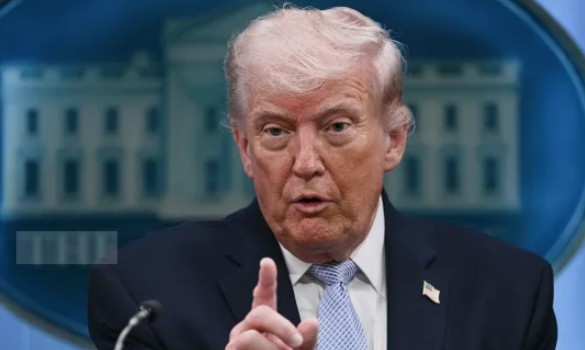
A new normalcy
Ned Price, a former US State Department spokesperson, warned about the consequences of the war's conclusion. According to Tasnim, Price noted on X: "It seems the war ends with a situation where Iran has control of the Strait of Hormuz and collects fees from it, while US oil sanctions against Iran have also been lifted." Price describes this as a "new normalcy." Under this scenario, Iran returns its oil to global markets and maintains operational control over the Strait.
Heavy cost for the US, opposite result
Price emphasized: "If this new situation holds, we have spent a massive amount of blood, wealth, and credibility to place the Iranian regime in a strategic position of power." This means the war's result was not the weakening of Iran, but its strategic empowerment. This warning from a former senior official reflects deep concerns in Washington about the shift in the balance of power toward Tehran.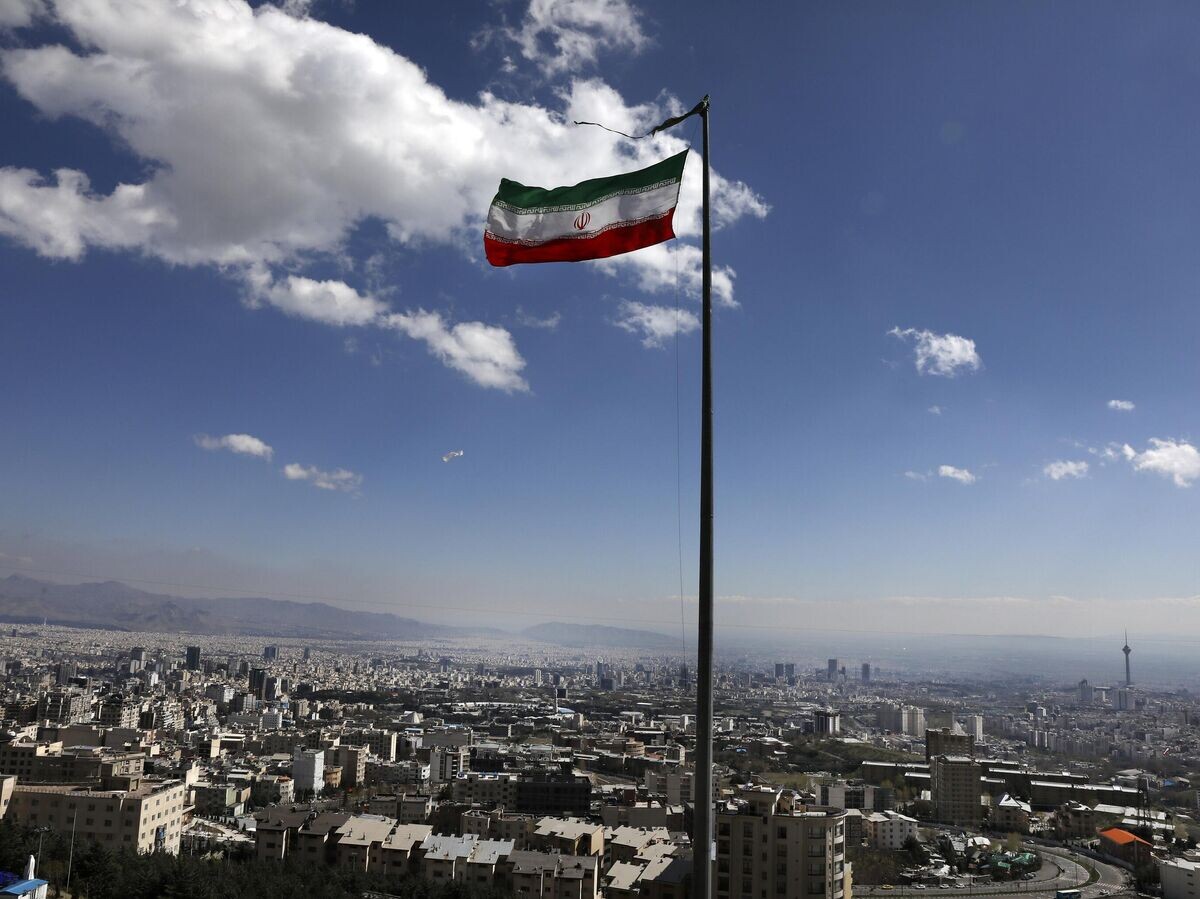
No regime change
Ron Filipkowski, a prominent American political analyst, commented ironically on the post-war situation: "So there was no regime change, we have canceled years of sanctions against Iran, they kept their missile and drone capabilities, they control the Strait of Hormuz, and they keep their enriched uranium. What an unconditional surrender!" Contrary to the promises Netanyahu gave to Trump, the Islamic regime remains intact. Furthermore, Iran has returned to global oil markets without losing its defensive capabilities. Despite Trump’s initial demands that "not even uranium dust should remain," Iran's enriched uranium was not surrendered.
www.bankingnews.gr



Readers’ Comments