

New visual material allegedly capturing the highly classified Northrop Grumman RQ-180 spy drone has appeared near Larissa, according to the specialized aviation outlet The Aviationist. The RQ-180 was reportedly spotted during daylight hours while approaching for a landing at the Larissa Air Base, home to the Hellenic Air Force's 110th Combat Wing. This specific footage offers some of the clearest images to date of the "flying wing" type drone and confirms that it is neither a B-2 Spirit nor a B-21 Raider.
The aircraft has not been officially recognized by the Pentagon, though its designation has circulated in defense analyses since 2013. Its primary mission is the collection of imagery, radar, and signals intelligence in areas where non-stealth drones, such as the Global Hawk, would be particularly vulnerable. The first video purportedly showing the RQ-180—potentially among the first recordings of this specific drone—was published in late March and initially reported by the local website OnLarissa.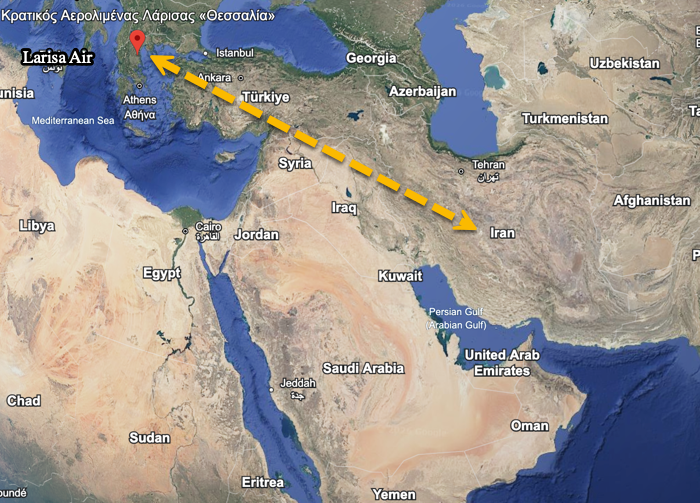
Larissa as a permanent base
According to The Aviationist, the new footage reinforces the assessment that "Larissa is now being used as a permanent forward operating base for the RQ-180." The Larissa air base has already been utilized for reconnaissance missions using MQ-9 Reaper drones in the wider region. The base is part of a support network in the Eastern Mediterranean, where, according to Reuters, Western military forces bolstered their presence last month. The most likely role of the RQ-180 in the US-Iran conflict is estimated to be intelligence gathering and reconnaissance.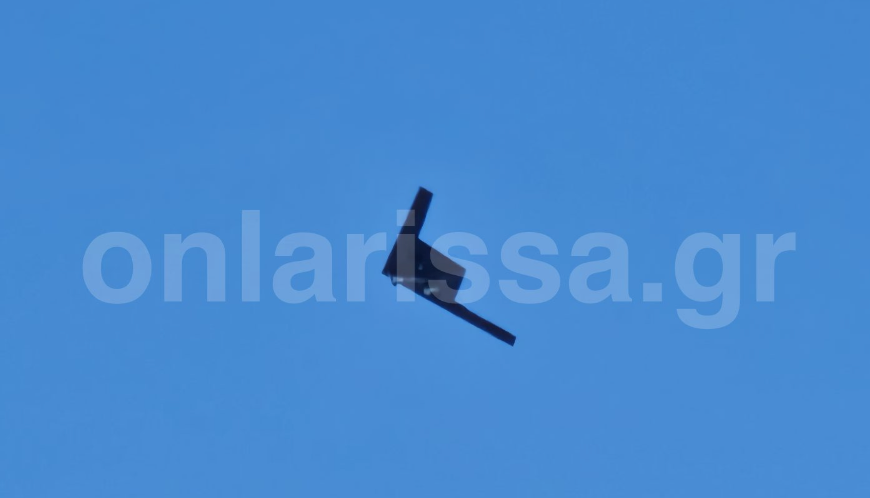
The flexibility of Larissa
The frequency of these appearances strengthens the view that Larissa is being utilized as a stable forward operating base for the RQ-180. This is also linked to flights of C-17 transport aircraft from Edwards Air Force Base in California to Larissa, near the Plant 42 facility where the drone was likely developed by Northrop Grumman. Furthermore, the Larissa base features two isolated hangars, which may have been constructed specifically for secret drone operations. It is worth noting that the MQ-9 Reapers operating in the area utilize different hangars in the northern section of the base.
Until recently, it was believed that potential bases for the RQ-180 in Europe were RAF Akrotiri in Cyprus or Naval Air Station Sigonella in Sicily. However, Larissa appears to offer greater flexibility, potentially for missions over the Black Sea or Ukraine—though at this moment, the focus is clearly on Iran. Despite being located inland, nighttime operations limit the risk of detection. Additionally, observing military installations in Greece is strictly prohibited, with past incidents of foreign citizens being arrested.
The RQ-180 is estimated to have been in operational use for years, and its gradual appearance to the public is considered inevitable. Although there has been talk of a possible official unveiling for some time, it has yet to occur. Potentially, the upcoming entry into service of the B-21 Raider serves as "cover," as the two aircraft share a similar design, making them harder to distinguish. The remaining question is whether, as the RQ-180 becomes increasingly visible, the US already possesses the next generation of technology that will surpass even its capabilities.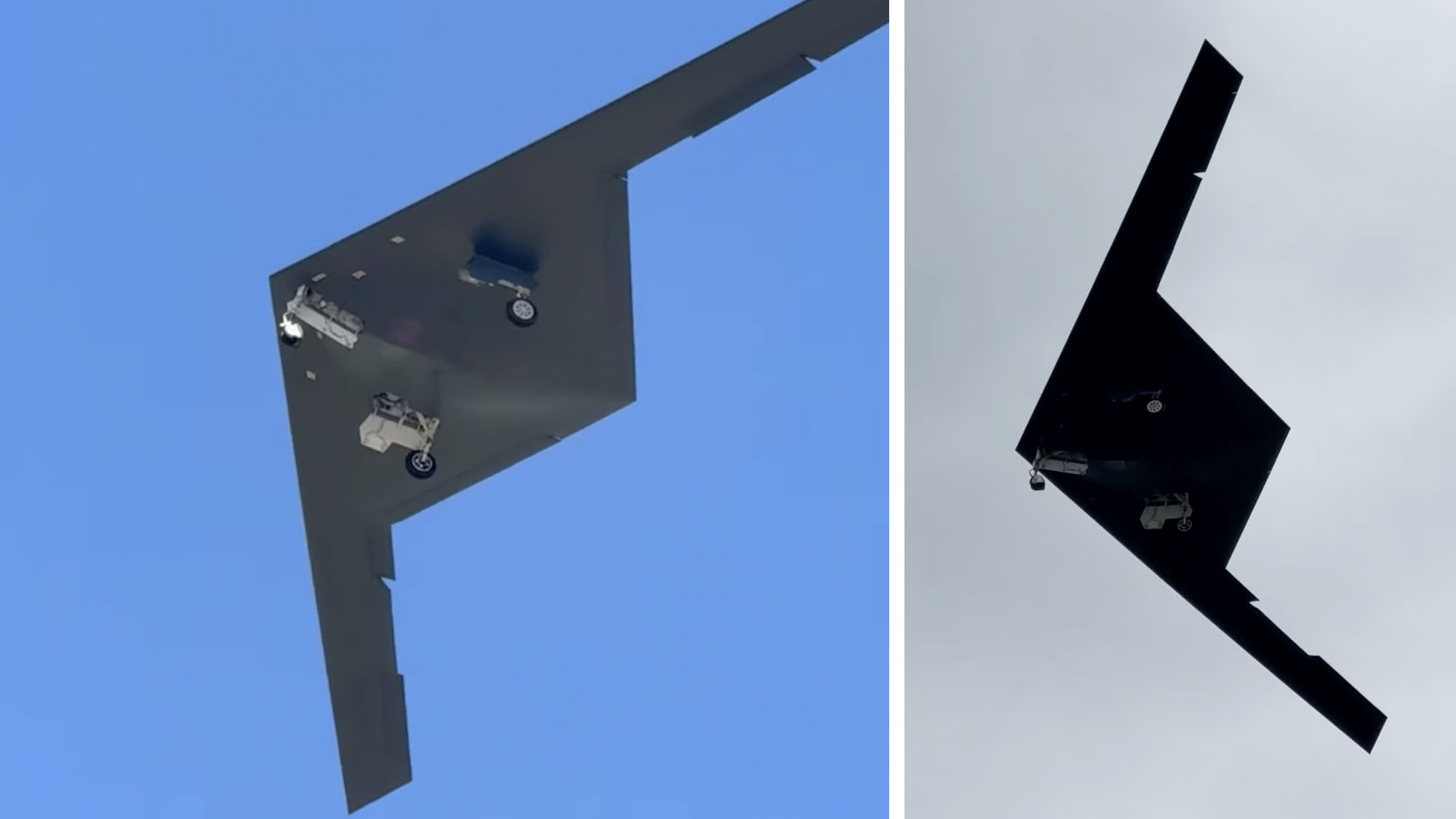
www.bankingnews.gr












Readers’ Comments