

At 03:00 on the morning of Wednesday, April 8 (Greece time), the ultimatum issued by US President Donald Trump to Iran for the achievement of an agreement expires. If no deal is reached, Trump has threatened to unleash "Hell" and return Iran to the Stone Age. Trump has stated he will destroy all power generation plants, all of Iran's energy infrastructure, oil fields, and even desalination units. The Iranians—and others—speak of a violation of every concept of International Law, a war crime, and genocide. The question remains: will Trump actually proceed with this action, which would stigmatize him forever and destroy his reputation as US President, or will he postpone the attack at the last minute citing the possibility of a deal? Latest reports suggest that if he perceives a window for an agreement, he is likely to proceed with a new ultimatum extension. However, there are numerous instances where the US has leveled International Law without maintaining any pretense.
Iran as a global power: How the war overturns the three centers of power
The war launched by the US and Israel against Iran is transforming it into a global power, according to a report by the New York Times. The paper claims the current conflict is not merely a regional confrontation but a process transforming Iran into one of the world's key power poles. As noted, the power base of the new world order rests on energy security. Given that Persian Gulf countries depend critically on oil and gas exports for economic survival, any insecurity in maritime routes directly strikes their financial stability. In such an environment, regional countries are forced to accept a new reality where they must cooperate with the actor possessing the greatest power to disrupt or secure energy flow—namely Iran. According to the report, the greatest shocks will be felt in Asia. Since the energy infrastructure of countries like Japan, South Korea, India, and even China is closely linked to Gulf oil, prolonged instability could lead to currency devaluations and a global return to 1970s-style stagflation.
The Old World Order collapses: The new Russia-China-Iran triangle
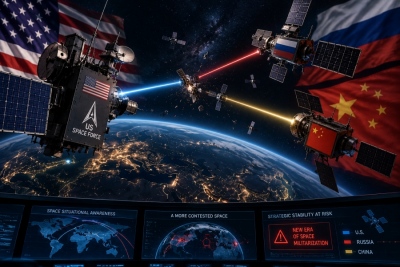
Simultaneously, an informal convergence of interests is forming between Iran, Russia, and China. While Russia benefits from price fluctuations and China seeks energy security, Iran—with its strategic advantage in the Strait of Hormuz—plays a decisive role in this triangle. This alignment, even without a formal alliance, challenges Western power and creates a scenario where control of a large portion of global energy passes to this block, undermining US and European influence at an unprecedented level.
The US dilemma
Finally, the report describes the dilemma facing the US: either engage in a long and dangerous battle to regain military control of sea routes or accept the new global reality where Iran emerges as a fourth power alongside the other major powers. Current developments are described as irreversible; even in the event of an agreement, the US will have to pay a heavy price to reconcile with an Iran that has now consolidated its position in the global power hierarchy.
Without good options
Trump is left with few options that would allow him to disengage and leave the war in Iran as a victor. Bombing all of Iran's energy infrastructure is estimated to change nothing, as destroying civilian infrastructure will not mean the surrender of the Iranians or the Tehran regime. On the contrary, it will unite them further. Furthermore, Trump knows he cannot proceed with a ground invasion of Iran as casualties would be dramatic and the cost unmanageable. Consequently, he understands that he must end this military conflict, possibly declaring victory after some symbolic strikes. This would be a disengagement move that, while not hiding the US defeat, would prevent the worst-case scenario of extensive destruction for Iran, the US, and the rest of the world. Notably, the head of the International Energy Agency argued that the current oil and gas crisis is more severe than the 1973, 1979, and 2002 crises combined. It remains to be seen what Trump's move will be; so far, he has repeatedly delayed his deadline.
You cannot erase Iran overnight
Military analyst Peter Layton argues that Trump's threats to neutralize Iran overnight are impossible based on US and Israeli capabilities. Peter Layton, a fellow at the Griffith Asia Institute and former Royal Australian Air Force officer, calculated what the US and Israel could likely muster to destroy hundreds of Iranian power stations and bridges within 24 hours. He notes that a flight of six B-2 stealth bombers could carry a total of 96 Joint Direct Attack Munitions (JDAM). Assuming two flights a day, that reaches 192 bombs. Adding a joint US-Israel force of 40 F-15s, each carrying six JDAMs, adds another 240 bombs. This brings the total to 332 bombs for a vastly larger number of targets. Even if every bomb hits its mark, it may not achieve the goal, Layton says. "Power plants are generally huge targets, requiring careful planning to cause significant damage with one strike. They are also 'hardened' with reinforced concrete," Layton said, while noting he does not underestimate the potential damage to generators, which lack available spares. While the US could add B-1 or B-52 bombers, the ability to "neutralize" all of Iran in one night remains doubtful.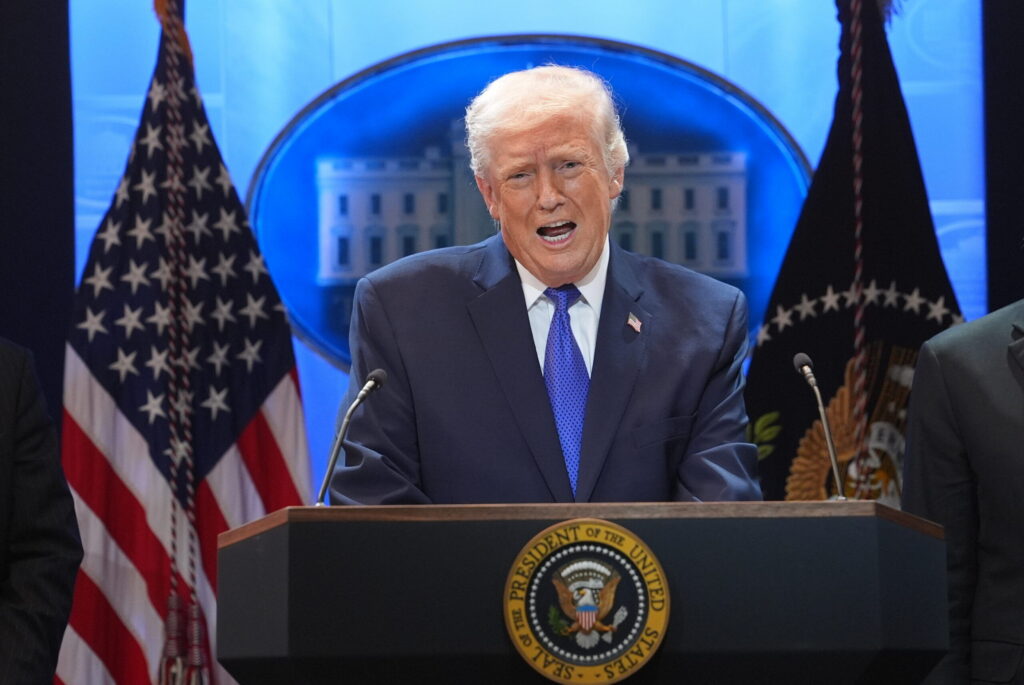
Axios: He may postpone if there is a window for a deal
US President Donald Trump may postpone the decision to strike Iranian civilian and energy infrastructure, Axios reported, citing a senior official. "If the President perceives progress in negotiations with Iran, he might delay the execution of the strikes," the report emphasizes. Another official, however, expressed reservations about whether there will be yet another postponement.
Fars: Trump wants to send J.D. Vance
The Iranian news agency Fars reported that Iran received proposals from the US to resolve the conflict, including the involvement of Vice President J.D. Vance instead of special envoy Steve Witcoff. According to the source, "Trump appears clearly willing to meet and agree. The US proposal includes the removal of Witcoff due to his close ties to Netanyahu's circle and the start of negotiations with Vance to create serious dialogue." The source added that the US is deeply concerned about potential energy price hikes.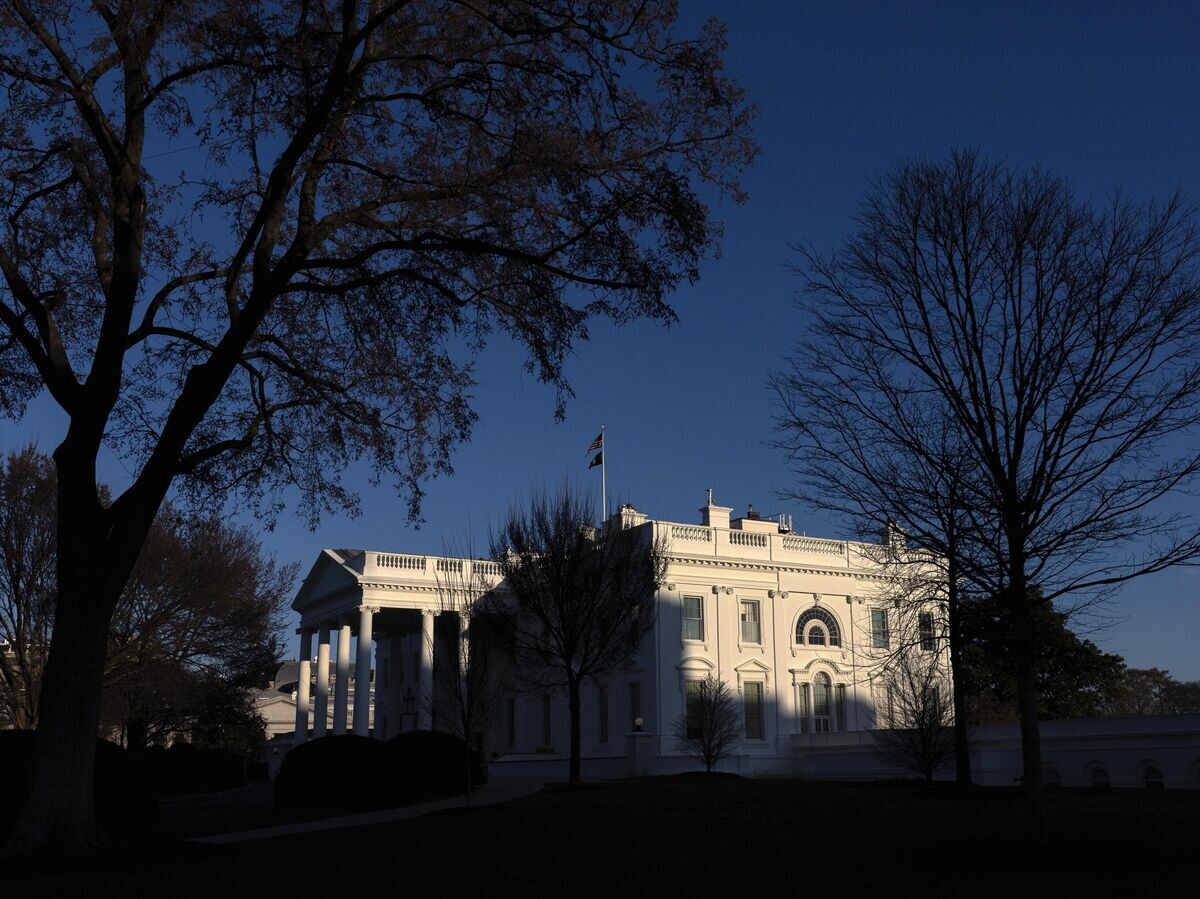
New York Times: Iran's 10-point plan
Iran's plan to end the war consists of ten points, the New York Times highlights. "The proposal includes non-aggression guarantees, an end to attacks against Hezbollah in Lebanon, and the lifting of all sanctions," the report states. According to the publication, Iran would open the Strait of Hormuz but introduce a fee of approximately two million dollars per ship, sharing the amount with Oman. They intend to use their share to restore infrastructure rather than demanding direct compensation from Washington and Tel Aviv. Iran also demanded guarantees against future attacks. State agency IRNA reported that Iran rejected a ceasefire proposal, insisting on a permanent end to the conflict.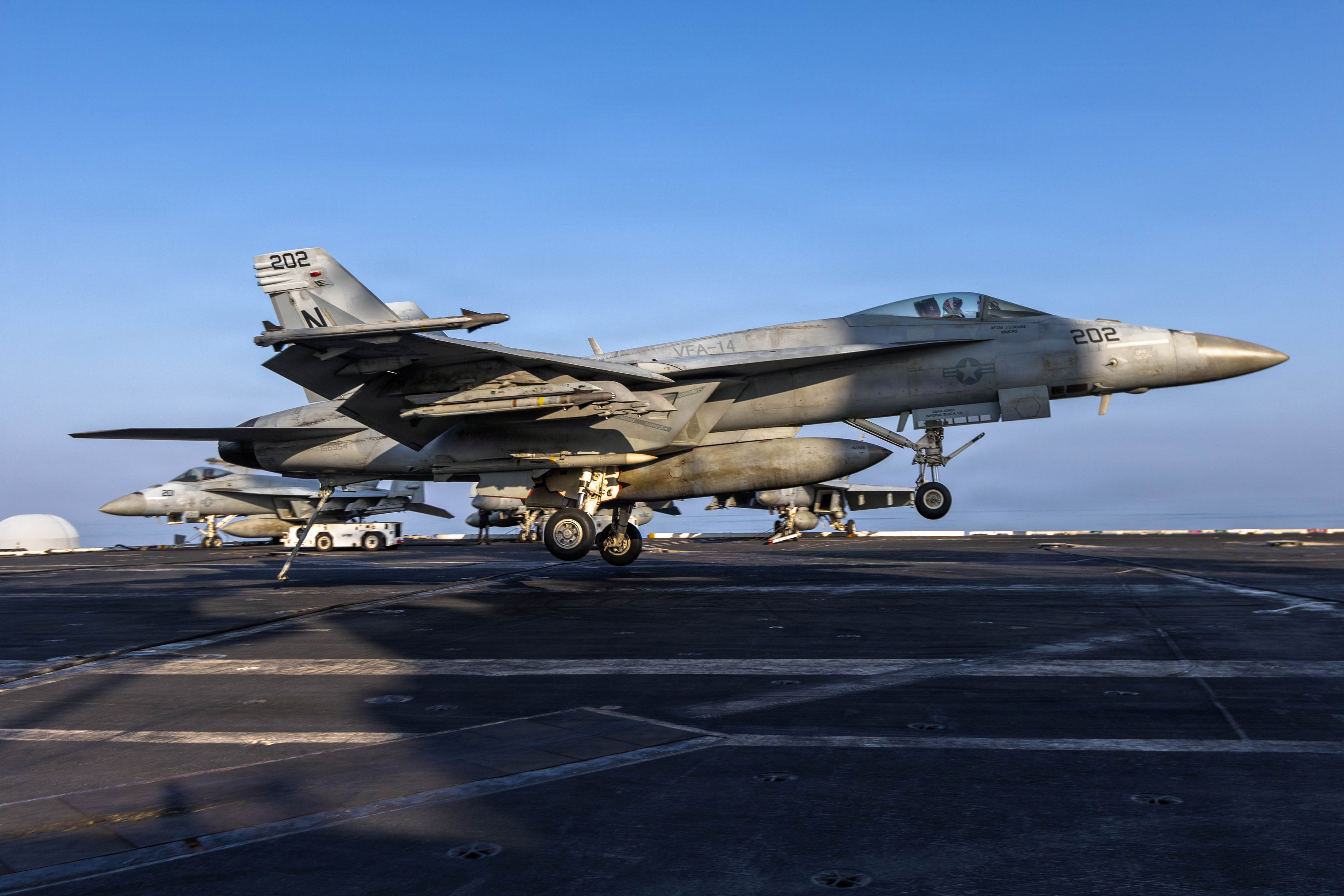
The response
When asked about the possibility of committing war crimes, Trump said he was not concerned. "You know what a war crime is?" he told reporters at the White House. "A war crime is allowing Iran to obtain a nuclear weapon." After a decade of proposing actions that could constitute war crimes, President Trump is threatening such moves. While civilian infrastructure can be a valid target if it has dual military use, Trump has threatened to blow up all of it. A week ago, his social media threat was: "Blowing up and total annihilation of all power plants, oil fields, and Kharg Island..."
We will hit very hard
Trump insists on this threat, saying "we will hit each and every one of their power plants very hard and probably simultaneously." Last Sunday, in a particularly frenzied post, he warned the deadline is fast approaching. "Tuesday will be Power Plant Day and Bridge Day, all in one, in Iran," he wrote on Truth Social. "Open the damn Strait... or you will live in Hell—JUST WATCH! Glory to Allah."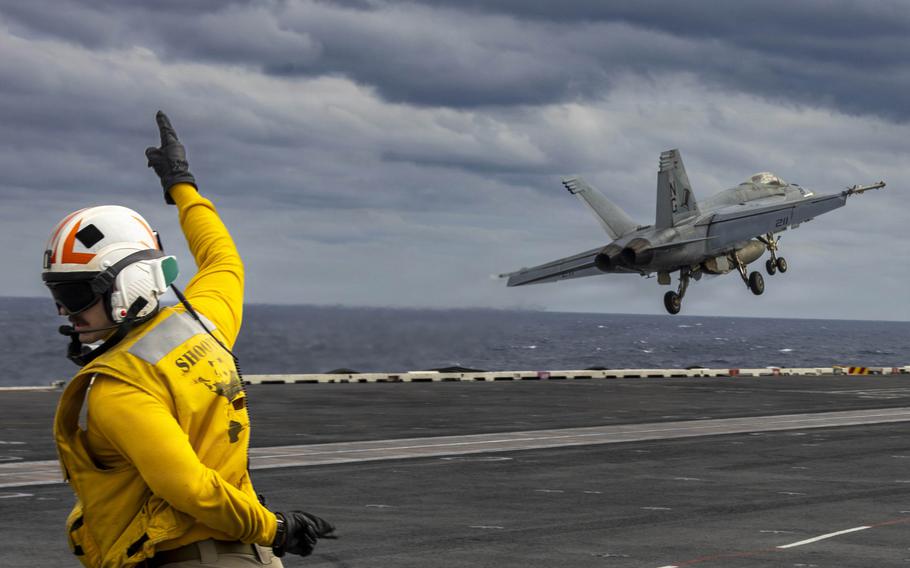
War crime
CNN's Fareed Zakaria noted that attacks on basic energy infrastructure clearly violate international law. "This is traditionally considered a war crime," Zakaria said, "and certainly a violation of the Geneva Convention." Stéphane Dujarric, spokesman for the UN Secretary-General, responded by saying attacks on purely civilian infrastructure are not permitted under international humanitarian law. White House press secretary Karoline Leavitt responded vaguely when asked if the administration is threatening war crimes, though she reiterated the threat to plunge Iran into the Stone Age if a deal is not struck.
It won't be the first time
Trump has repeatedly proposed—and in some cases the administration has performed—acts that violate international law. In 2015, he proposed killing the families of terrorists. In 2016, he promised to bring back "something much worse than waterboarding." In 2020, he threatened to target Iranian cultural sites, a move then-Defense Secretary Mark Esper promised not to execute.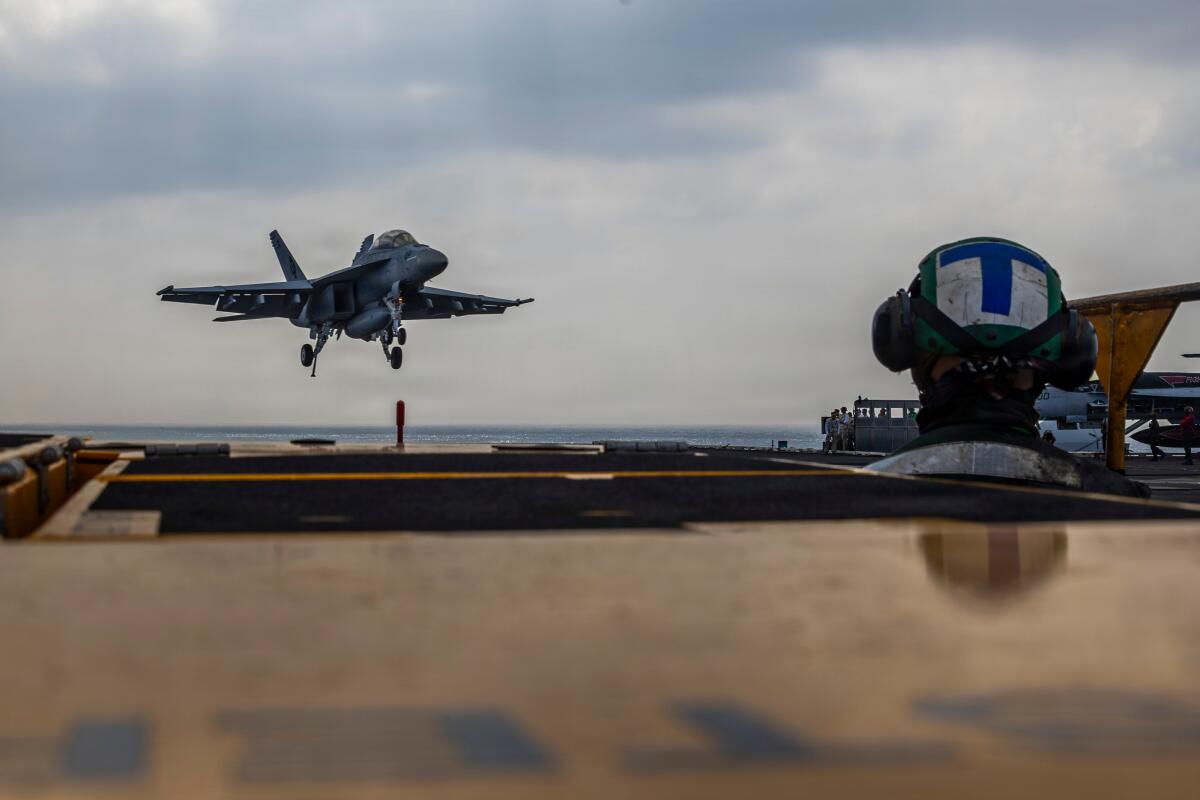
Paint them… Chinese
In a 2022 incident, Trump suggested "disguising" US planes with Chinese flags to bomb Russia and start a war between the two—a clear violation of the Geneva Conventions. By summer, the administration potentially committed war crimes during a second attack on a suspected narco-vessel in the Caribbean that left no survivors. The New York Times later reported the aircraft used was painted to look civilian, which could constitute a war crime. In early March, a US submarine sank an Iranian warship in international waters near Sri Lanka without a declaration of war or rescue attempt, which experts flagged as legally problematic.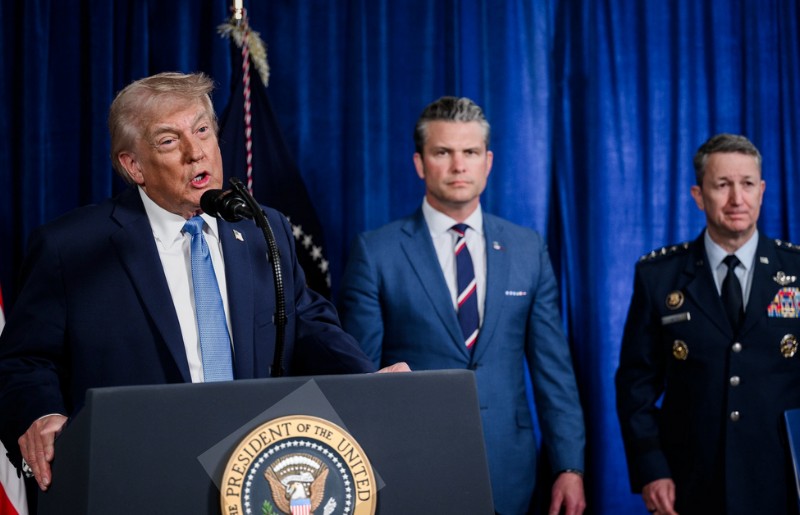
No quarter
By mid-March, Defense Secretary Pete Hegseth stated the US military would show "no mercy, no quarter to our enemies." The threat of "No Quarter"—refusing to spare a surrendering enemy—is illegal under international law. This follows a pattern for Trump: proposing the unthinkable until it becomes less so. An American President is threatening actions that constitute war crimes even after being told they are illegal. Realizing these threats would mean a staggering escalation and a long-term shift in the perception of US morality on the global stage.
Strategy change
It would also signal a strategy shift, given Trump has spoken of pushing Iranian citizens to overthrow their government. Attacking infrastructure in ways that harm civilians for years could turn the population further against the US. Trump claimed Monday, without evidence, that Iranian citizens actually want such bombings to bring freedom. While delays suggest hesitancy, the administration has already used war crime threats as a bargaining chip. It is unclear if he still has people around him to prevent such actions.
www.bankingnews.gr





Readers’ Comments