

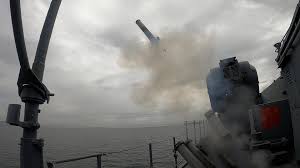
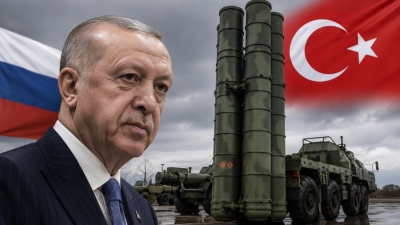
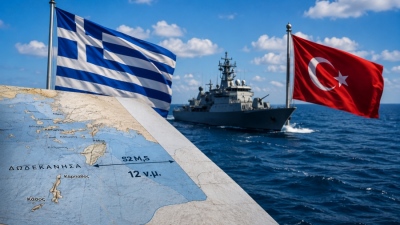
Turkey is dangerously escalating its military activities by conducting massive exercises across three critical maritime fronts: the Black Sea, the Aegean, and the Eastern Mediterranean. The "Blue Homeland-26" exercise, taking place between April 3-9, 2026, involves the participation of 120 ships, 50 aerial assets, and 15,000 personnel, according to an announcement by the Turkish Ministry of National Defense. The goal of the exercise, as stated, is to evaluate the operational command and control capabilities of Turkish forces, increase readiness levels, and test interoperability procedures between the Navy, Land Forces, Air Force, and Coast Guard.
Impressive exercises
The program includes impressive drills such as:
-
April 4: Mine detection and neutralization operations, asymmetric threats, and surface fire with rapid-fire artillery.
-
April 5: Bombardment of ground targets, civilian evacuation drills, and underwater warfare training.
-
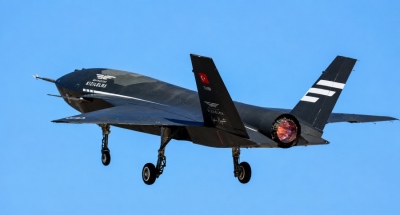
April 6: Amphibious assault operations, the use of ANKA and AKSUNGUR UAVs in combat roles, and air defense training.
-
April 7: Replenishment at sea, tracking of aerial contacts, and continuous training in underwater and amphibious warfare.
Unprecedented television outburst
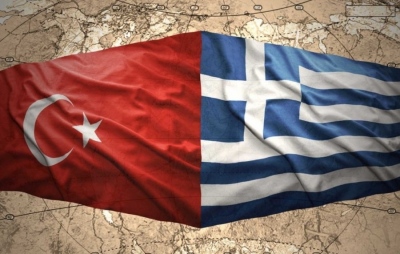
Meanwhile, the television network CNN Turk broadcast an unprecedented nationalist tirade. During discussions on geopolitical developments, analysts made provocative statements, claiming that if Greece desires war, Turkey is ready to respond. As examples, they cited the 1974 invasion of Cyprus and the 1996 Imia crisis. Characteristic of the climate being cultivated in the Turkish public sphere was the commentary by journalist Gungor Gavuzarslan. Using an approach filled with historical inaccuracies and extreme propaganda elements, he attempted to downplay the Imia crisis, ironically claiming that Turkish special forces went to the Greek islets "for a picnic" because "they had nothing else to do" but raise the Turkish flag.
In the same tone, he referred to the Turkish invasion of Cyprus, which international law and the global community consistently condemn as an illegal occupation of a sovereign state's territory. Gavuzarslan emphasized that Turkey knows when to fight and added warningly: "If they want war, we remind them that we are here; let them remember Kemal Ataturk." The most dangerous element of this television intervention was the attempt to link Greece to the war in the Middle East. Gavuzarslan attacked Athens using heavy and baseless accusations, claiming that Greece allegedly desires an outbreak of a wider war between Israel and Turkey. At the height of his extreme rhetoric, he called the Greeks "baby killers" and claimed they act as "hired employees" and supporters of Zionists. This tactic by CNN Turk is not an isolated incident; rather, it highlights the frequent practice of segments in Turkey to instrumentalize external crises to attack Greece, attempting to identify Athens with regional conflicts and maintain an artificial climate of hostility within Turkey.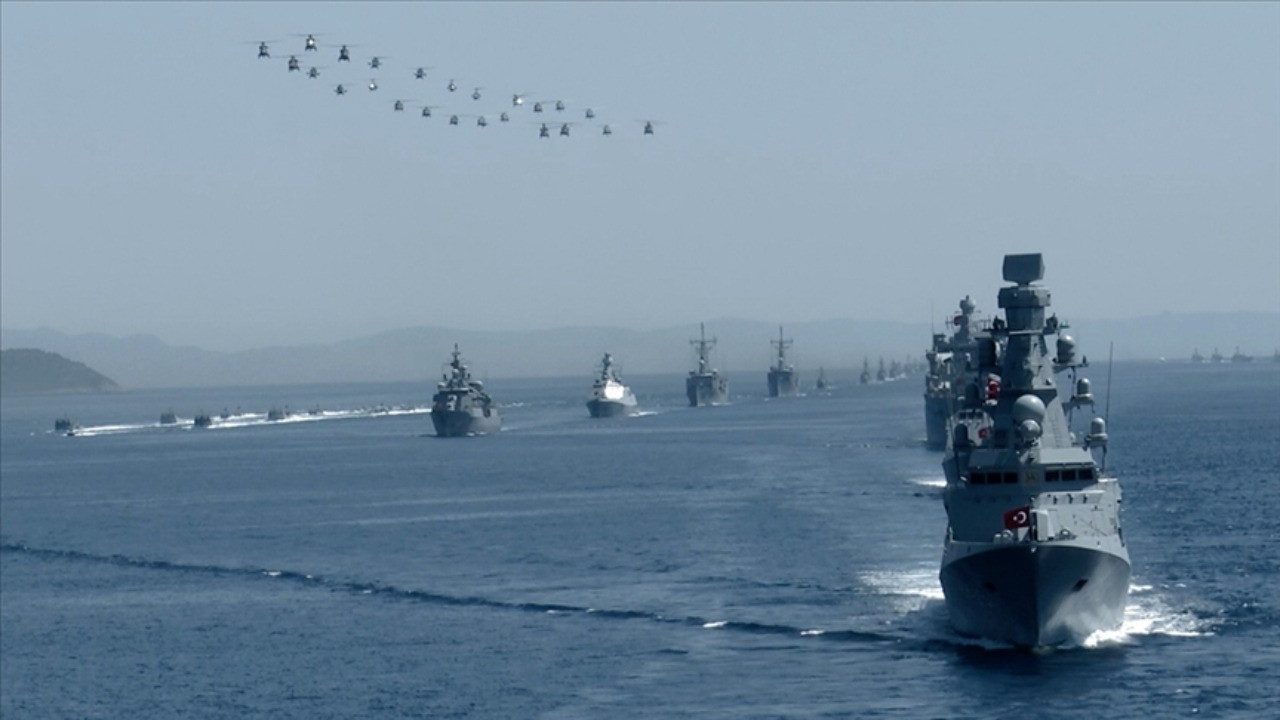
The collapse of Greek diplomacy against Khalifa Haftar's "wall"
Simultaneously, Athens' attempt to puncture the Turkish-Libyan memorandum is evolving into a diplomatic disaster of unprecedented proportions. According to a revealing report by the British newspaper "The Arab Weekly," the recent attempt by the Greek Foreign Minister, Gerapetritis, to approach eastern Libya hit a humiliating "wall." The Greek side, in a move of desperation, tried to exploit the international turmoil of the Israel-Iran crisis to entice the strongman of Benghazi, Khalifa Haftar, offering border delimitation agreements aimed at controlling energy deposits south of Crete. Khalifa Haftar's response was a "thunderbolt" that shattered any hopes of Greek diplomacy. Instead of Athens' "paper" promises, the Libyan Field Marshal chose the technological superiority and the might of Ankara.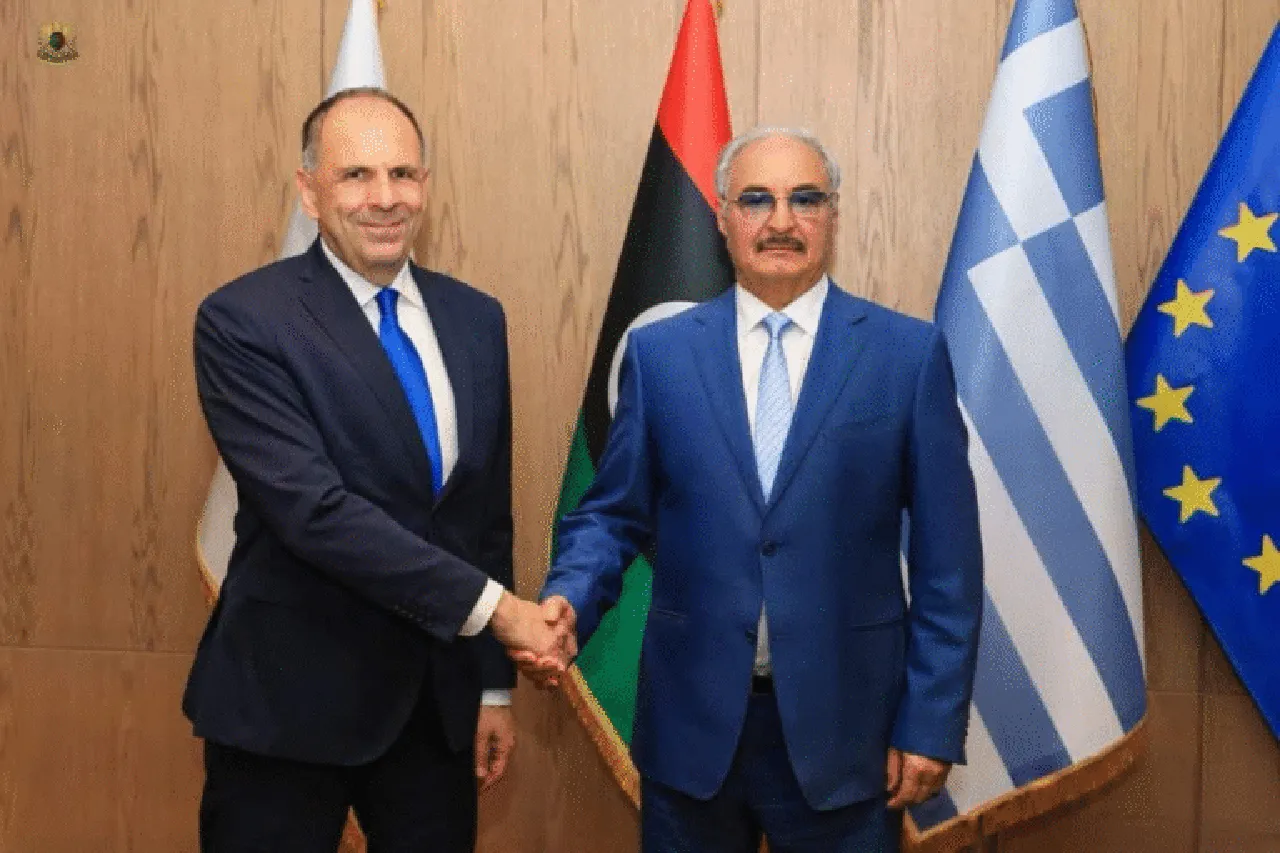
"Haftar has a reason for choosing Turkey," the British outlet notes meaningfully, underlining that the leadership of eastern Libya has not forgotten the lesson of 2020. Back then, at the gates of Tripoli, Khalifa Haftar experienced a total rout by the "unstoppable" power of Turkish UAV systems. Today, he demands the installation of the lethal Bayraktar TB2 at the Al Khadim airbase, pointedly turning his back on Greek proposals. The bitter truth is that Greece's "effort" to cancel the 2019 Turkish-Libyan memorandum collapsed like a house of cards. Khalifa Haftar, a player who understands the language of power well, chose to link his future with Ankara, leaving Athens a spectator in a Mediterranean that is increasingly painted "Turkish." This is a strategic defeat of massive magnitude. Greece, instead of fortifying itself, watches helplessly as the combination of Turkish diplomacy and drones "locks down" the region, turning Libya into an advanced outpost for Erdoğan, while Greek proposals end up in the dustbin of history.
www.bankingnews.gr


Readers’ Comments