

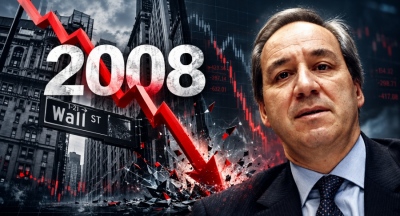
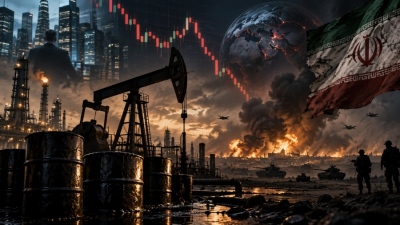
JP Morgan CEO Jamie Dimon is sounding the alarm over an impending energy shock and persistent inflation, warning of a significant shift in the outlook for interest rates. These warnings are detailed in his annual letter to shareholders, arriving just a day after US President Donald Trump escalated pressure on Iran, threatening to target the country’s power plants and bridges if the Strait of Hormuz is not reopened by 3 a.m. Wednesday (Greek time).
The 70-year-old Dimon, who has led JP Morgan—the largest US bank—for two decades, also stated that the private credit sector "likely" does not present a systemic risk. This comes despite recent moves by investors to withdraw from such funds amid concerns that advancements in Artificial Intelligence (AI) will negatively impact borrowers.
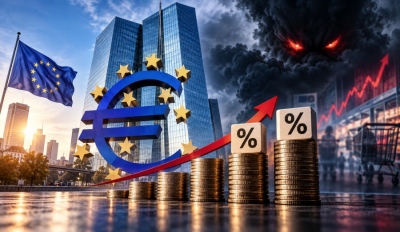
"The challenges we all face are significant," Dimon added, citing geopolitical risks such as the war in Ukraine, broader hostilities in the Middle East, and tensions with China. "Now, due to the war in Iran, we face the added possibility of significant and sustained shocks to oil prices and commodities, alongside the reconfiguration of global supply chains, which could lead to more persistent inflation and ultimately higher interest rates than markets currently anticipate."
Time will tell if the war in Iran will achieve the objectives of the United States, Dimon noted, adding that nuclear proliferation remains the greatest risk posed by Iran.
The future of interest rates
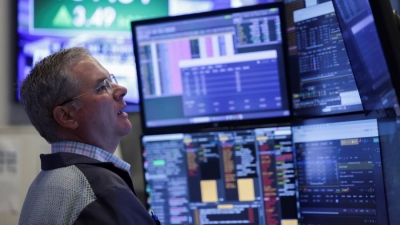
Inflationary concerns fueled by the conflict have led markets to largely rule out interest rate cuts for 2026, following the monetary easing that drove stocks to historic highs last year. Last week, the S&P 500 index closed the quarter with its worst performance since 2022, under pressure since late February due to the war and the subsequent rise in energy prices.
The American economy
Dimon mentioned that the US economy remains resilient, with consumers continuing to earn and spend—albeit with some recent softening—and businesses remaining healthy. However, he warned that the economy has been fueled by massive amounts of government deficit spending and past stimulus measures, while increased infrastructure spending remains a growing necessity.
The fiscal incentives from Donald Trump's "Big, Beautiful Bill," deregulation policies, and capital expenditures driven by Artificial Intelligence represent other positive elements for the economy, Dimon noted.
www.bankingnews.gr






Readers’ Comments