

The Americans recognize the deadlock, seeing Operation Epic Fury evolve into an epic farce following the disastrous mission south of the Iranian city of Isfahan to steal enriched uranium. They are now proposing a two-point plan, beginning with a 45-day ceasefire followed by a final peace roadmap. The magnitude of the defeat is such that the Americans are now considering some of Iran's terms.
Terrible defeat in Isfahan
Following the revelation that American commandos—under the pretext of rescuing a second F-15E pilot who ultimately remains unrescued—attempted to steal enriched uranium south of Isfahan to secure a symbolic victory, the emerging data is simply shocking. The American commandos in Isfahan failed and were "drowned in blood" in what was perhaps one of the most failed invasion attempts in the city, which houses one of Iran's most vital uranium enrichment centers.
According to Israeli and American intelligence, nearly 50% of Iran's uranium enriched to 60% purity was stored in a tunnel complex in Isfahan. Due to the failure of Operation Epic Fury, the US is requesting a 45-day ceasefire as the first phase of a two-stage plan. However, Iran has so far rejected all ceasefire proposals, demanding clear security guarantees that the war will end immediately on Iranian terms.
Reuters: Pakistan delivers two-stage ceasefire plan to US and Israel
Pakistan has delivered a two-stage ceasefire plan to the US and Iran which could take effect as early as today, Monday, April 6, according to Reuters, citing a source familiar with the proposals. "All elements must be agreed upon today," the source stated, adding that the initial agreement is envisioned as a Memorandum of Understanding (MoU) to be finalized electronically via Pakistan—the sole communication channel in these negotiations.
According to the agency, the Pakistani plan envisions an immediate ceasefire followed by a comprehensive agreement within 15-20 days. The source claims the ceasefire would allow for the immediate reopening of the Strait of Hormuz. It is expected the final deal would include Iranian commitments not to seek nuclear weapons in exchange for sanctions relief. The source also noted that Pakistan’s Chief of Army Staff, Asim Munir, held overnight contacts with US Vice President J.D. Vance, special envoy Steve Witkoff, and Iranian Foreign Minister Abbas Araghchi. Thus far, there has been no official reaction from Washington or Tehran.
What Iran says
According to Reuters, an Iranian official maintained that Iran does not intend to open the Strait of Hormuz in exchange for a temporary ceasefire. Tehran reportedly believes that Washington is not ready for a permanent ceasefire. Simultaneously, the official confirmed that Iran has received and is studying Pakistan’s proposal, emphasizing that Tehran does not accept pressure regarding deadlines or rushed decisions.
Axios: US, Iran, and mediators discuss 45-day ceasefire – Iran still refuses all proposals
The United States, Iran, and regional mediators are discussing terms for a potential 45-day ceasefire, reports Axios. A US official told the outlet that the Trump administration has made several proposals in recent days, but Iranian officials have not accepted any "yet." Sources believe the likelihood of a deal within the next 48 hours is low. Trump previously threatened to destroy power stations and bridges and demanded the liberation of the Strait of Hormuz.
The first phase involves a 45-day truce during which final peace terms would be discussed. Sources indicate the ceasefire could be extended if parties need more time. The second phase involves a definitive agreement to end the war. According to Axios, issues regarding the full opening of the Strait of Hormuz and Iran's possession of highly enriched uranium can only be resolved within a final agreement. Furthermore, mediators are "working on confidence-building measures in the United States," examining steps Washington could take to satisfy certain Iranian demands.
Iran rejects temporary ceasefire
A temporary ceasefire accompanied by the "shadow of war," without meeting Iran’s necessary conditions to end the conflict, merely gives the US and Israel the opportunity to regroup, Iranian officials noted. According to the Tasnim news agency, Trump—likely aware of Iran's determination to respond to any attack on infrastructure—is attempting to retreat from his threats for a third time. Iran has repeatedly stated it does not agree to temporary truces that maintain a strategic deadlock.
The reason is obvious: the US and Israel, under pressure and confused by the war, intend to use temporary, frame-less ceasefires to escape their ammunition crisis. Iran has stated the war can only end under specific conditions, including tangible guarantees against future attacks. Additionally, the new order regarding the Strait of Hormuz is considered a given; the strait will never return to pre-war conditions.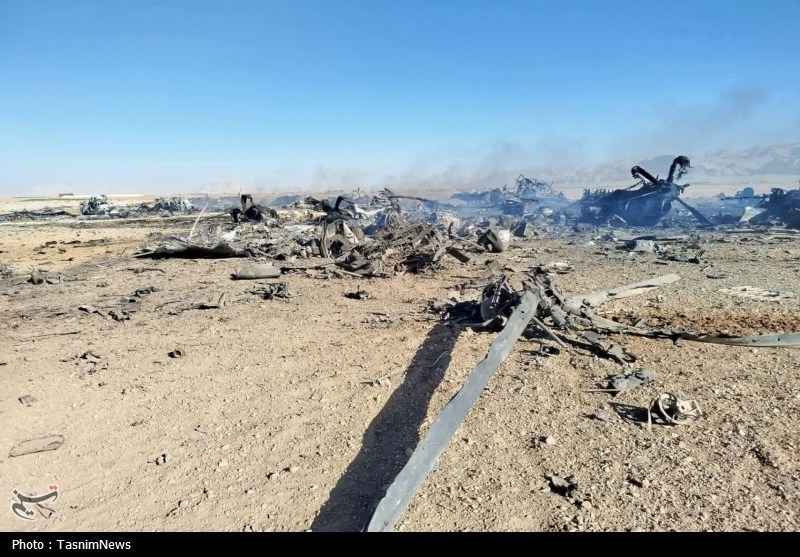
Axios: US and Israeli plan ready for joint attacks on Iran's energy infrastructure
Despite diplomatic efforts, Axios claims that US and Israeli armed forces have definitively approved a plan for extensive joint attacks targeting Iran's energy infrastructure. The implementation is reportedly postponed until the expiration of Washington's deadlines for a preliminary agreement. In a recent interview, President Donald Trump stated there is a high probability of a deal by April 7. Earlier on Truth Social, Trump threatened strikes if the Strait of Hormuz was not opened by April 6, though he has reportedly extended the deadline to 20:00 EST on April 7.
Araghchi (Iranian FM): We will react decisively if the US strikes energy infrastructure
Iranian Foreign Minister Abbas Araghchi sent a clear message that Iran's response will be decisive if the US strikes energy targets. In a call with French counterpart Jean-Noël Barrot, Araghchi stated that an attack on infrastructure would have catastrophic effects on the global economy. He emphasized that such threats constitute the normalization of war crimes and would be met with a comprehensive reaction from the Iranian Armed Forces.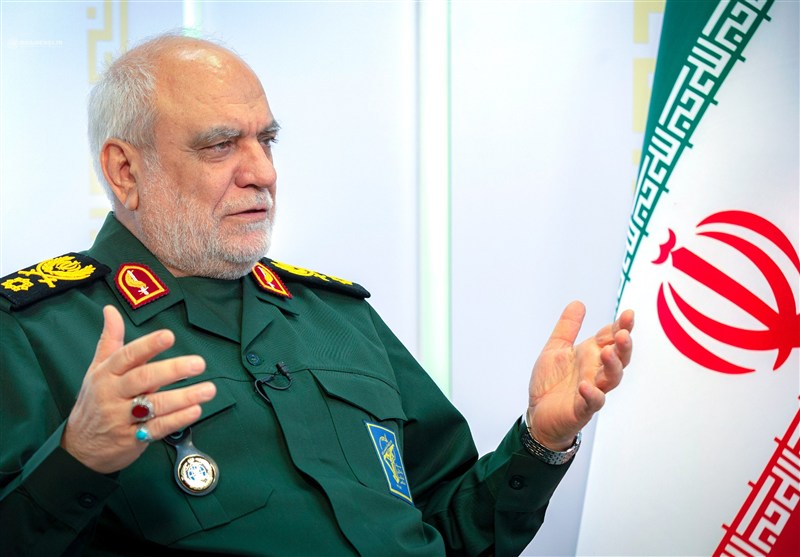
Revolutionary Guards: Sardar Khademi, head of IRGC Intelligence, killed
The Revolutionary Guards announced that Sardar Khademi, head of the IRGC intelligence service, is dead. General Pasdar Majid Khademi reportedly died as a "martyr" during a "terrorist attack by the American-Zionist enemy" early this morning. The IRGC noted his nearly half-century of service and stated that funeral ceremonies will be announced soon.
Iran War Cost Tracker: War in Iran has already cost the US over $42 billion
The military operation in Iran has cost the US over $42.1 billion in nearly 37 days of fighting, according to the Iran War Cost Tracker. This real-time monitoring is based on a Pentagon briefing to Congress on March 10, which indicated Washington spent $11.3 billion in the first six days and planned for an additional $1 billion per day thereafter.
Dramatic American losses
In the surprise attack by American commandos in Isfahan, Iranian forces managed to destroy the American landing. Iranians claim to have destroyed 12 American aircraft, helicopters, and drones in just 24 hours. Following the initial F-15E shoot-down, reported losses include 2 C-130s, 1 A-10 fighter, 4 Black Hawk helicopters, 2 Little Bird helicopters, and 2 MQ-9 drones.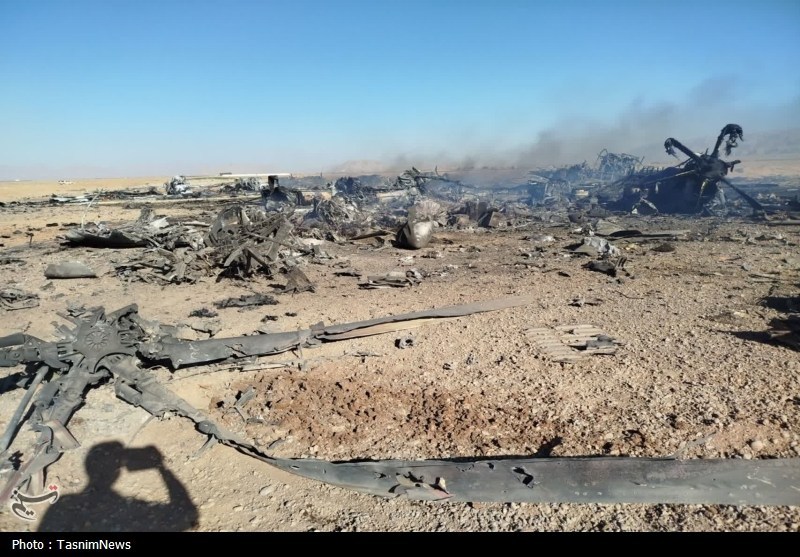
Warning from Iran: War in the US if Trump hits energy infrastructure
An Iranian official warned that if power generation facilities are targeted, the war could expand to the United States. According to Tasnim, the official suggested that Trump’s threatening tweets are an attempt to distract from the "historical defeat" in Isfahan. While clarifying this does not necessarily mean launching missiles at the US, the official warned of "serious unrest" emerging from within American soil.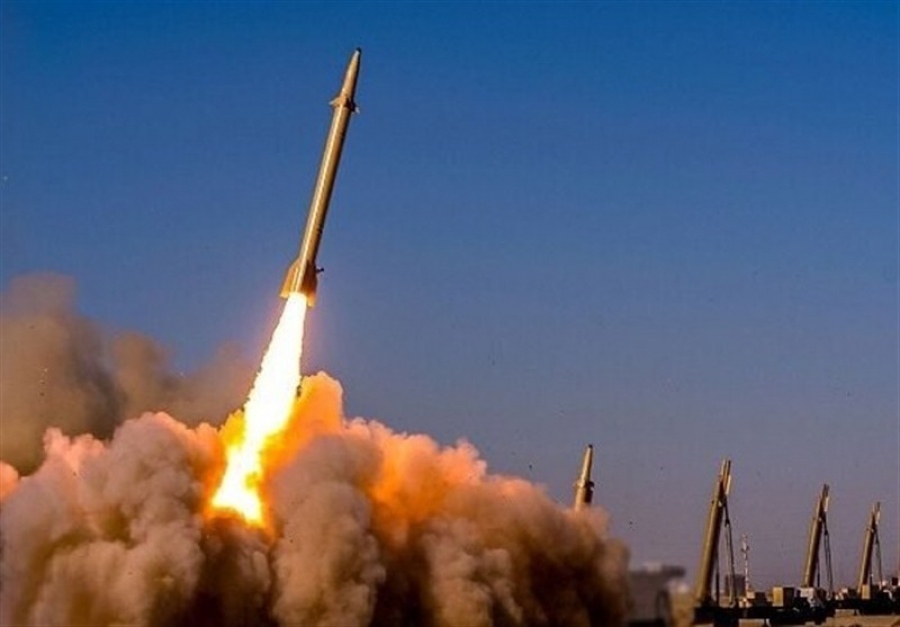
Hell in the 96th wave from Iran
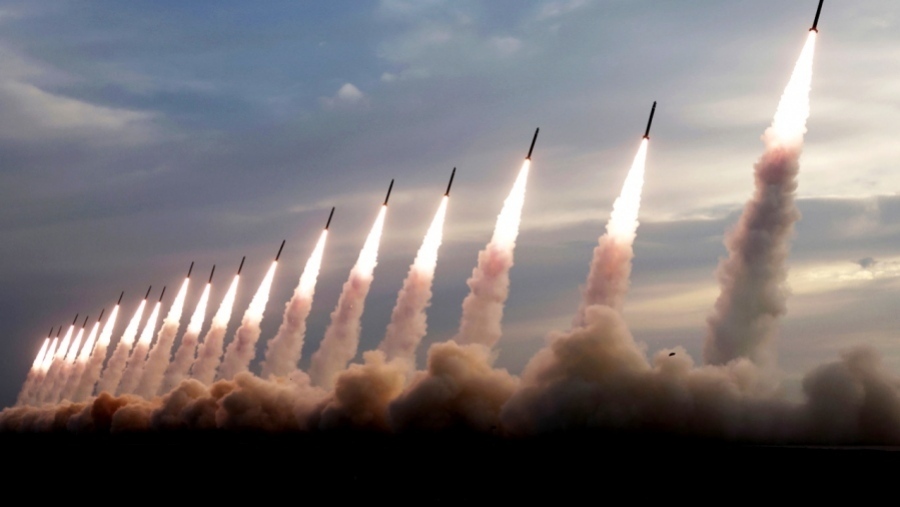
Lieutenant Colonel Ebrahim Zolfaghari of the Khatam al-Anbiya Headquarters highlighted that following the American defeat on April 5 and attacks on Iranian petrochemical industries, a retaliatory operation—the 96th wave of Operation Sadiq Promise 4—was launched.
ExxonMobil and Chevron hit
During a joint operation by IRGC naval and aerospace forces, several targets were reportedly struck:
-
A refinery supplying fuel to Israeli fighters.
-
US gas facilities of ExxonMobil and Chevron in Khamsan, UAE.
-
A US petrochemical plant in Al Ruwais, UAE, producing military fuels.
Petrochemical plant in Sitra, Bahrain hit
-
A heavy drone attack on a US petrochemical plant in Sitra, Bahrain, caused a massive fire. This facility is critical for producing petroleum derivatives needed by the American military.
Strategic Swaiba plant in Kuwait hit
-
An attack on the US petrochemical facility in Swaiba, Kuwait, led to the complete closure of the complex, which partners with US Armed Forces.
American commanders killed
-
The destruction of a gathering site for American commanders and officers at a secret location near the Mohammed al-Ahmad naval base in Kuwait using ballistic missiles and drones.
Approximately 25 killed
-
Accurate reports suggest that during the IRGC Navy attack on US forces in the UAE, at least 25 individuals were killed or injured.
Israeli ship "King Dao Star" hit
-
An Israeli vessel named the "King Dao Star" was accurately struck in the Jebel Ali port channel in the UAE with a Qadeer cruise missile. The ship is currently burning.
-
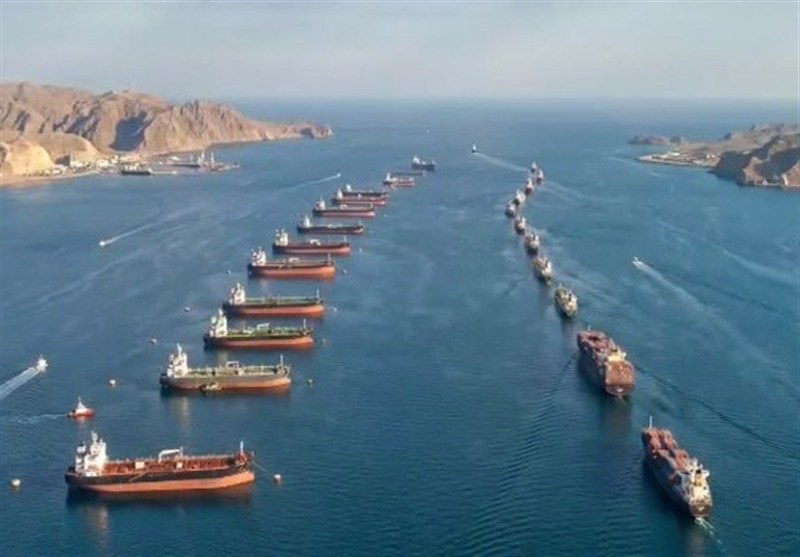
Ongoing control of the Strait of Hormuz resulted in several vessels being blocked due to a lack of transit permits.
Beersheba hit again
-
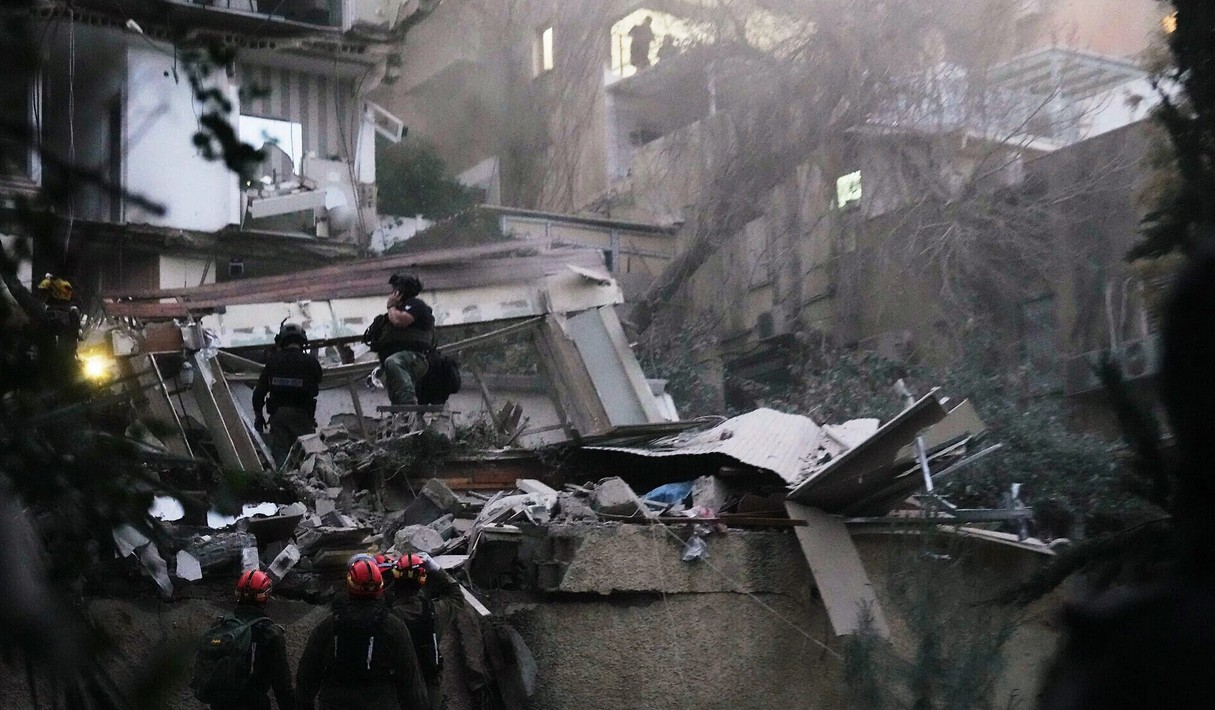
As part of this wave, the industrial zone linked to the Israeli military in Beersheba was struck by the IRGC in retaliation.
HIMARS systems hit again
-
The IRGC struck petrochemical industries and oil storage tanks in southern Israel near Dimona, as well as US equipment depots and satellite units in Kuwait. These depots reportedly housed HIMARS missile systems and surveillance equipment.
New camp on Bubiyan Island, Kuwait hit
-
After damage to the Arifjan base, the US reportedly established a new camp on Bubiyan Island for satellite communication and battle management; this site was also targeted.
Iranians have shot down 163 offensive drones
-
An MQ-9 drone over Isfahan and a Lucas drone near Kharg Island were shot down in recent hours. This brings the total number of drones destroyed by Iranian air defense systems to 163.
Double retaliation
-
Iran warned that any attack on civilians would be met with a double response against enemy interests throughout the region.
Hell in Haifa, strong blow to Tel Aviv
Several areas in central and northern Israel were targeted by Iranian missiles, with Haifa suffering a significant blow. Reports indicate multiple fires and at least 2 deaths. Following the Haifa strike, new missile attacks targeted Tel Aviv.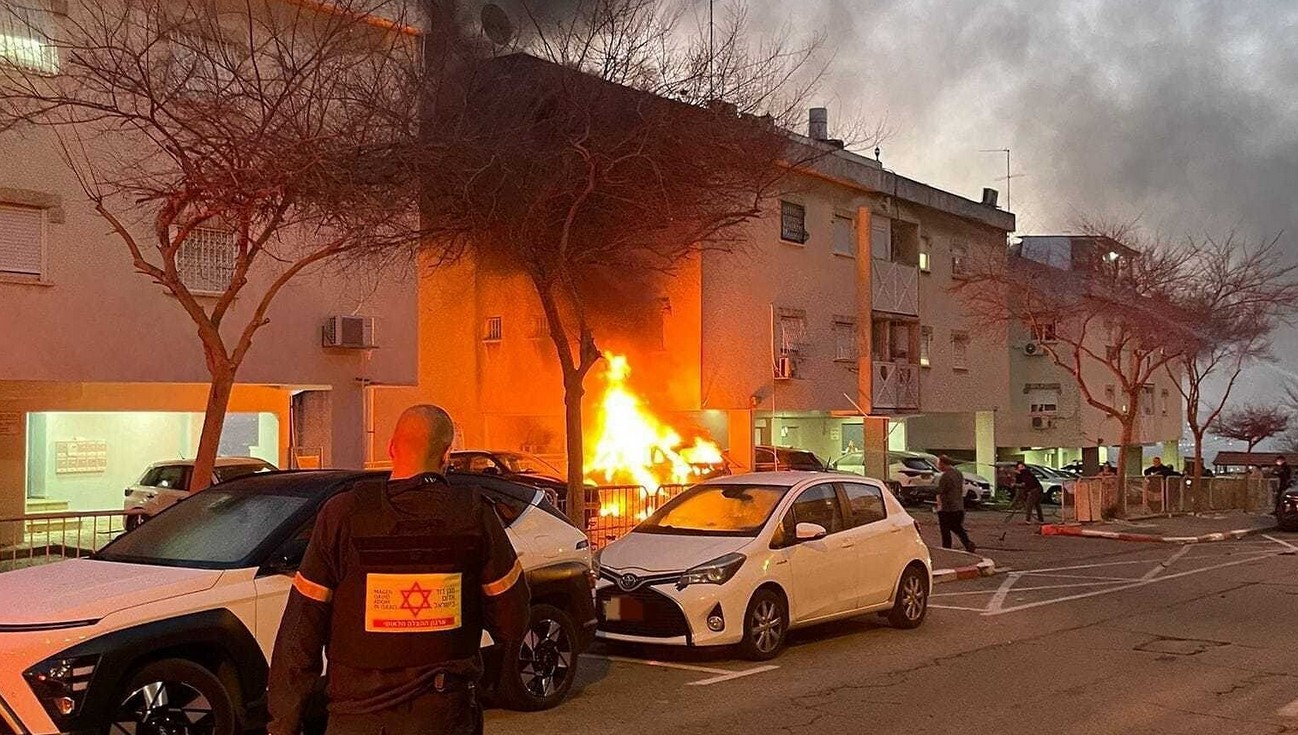
Larry Johnson (ex-CIA): Narrative of complete Iranian defeat not verified
Former CIA analyst Larry Johnson argues that the US military is becoming politicized, functioning more like a "Praetorian Guard" for specific politicians rather than a national legion. He notes that Trump’s narrative of a "defeated" Iran is contradicted by the reality of US aircraft being shot down. According to Johnson, this strategic failure is a nightmare unfolding for the Trump administration.
Iran uses old missiles to penetrate US and Israeli air defenses... striking with precision
Geopolitical analyst Patrick Henningsen stated that Iran is using older-generation missiles to saturate and penetrate Patriot and Iron Dome defenses. By using these missiles, which carry heavy payloads, Iran can exploit the depletion of US interceptor stocks. Henningsen noted that waves of 80 to 100 missiles are striking targets with absolute precision.
US uses outdated attack aircraft in Iran slated for decommissioning...
The US military has deployed A-10 Thunderbolt II aircraft, despite them being deemed unsuitable for high-intensity modern conflict. Documents show the Air Force previously requested the divestment of the remaining 162 A-10s to save costs, citing their vulnerability. While a 2025 Defense Act temporarily halted the reduction of the fleet, the deployment of these "outdated" planes in Operation Epic Fury highlights the strain on American resources.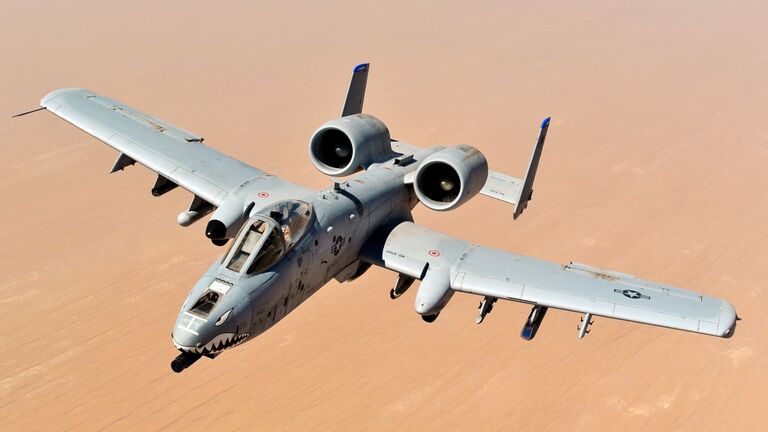
www.bankingnews.gr









Readers’ Comments