Shock is caused in the strategic circles of the Middle East by an extremely important admission from the side of Israel: despite efforts to present military achievements, the war has not produced any real strategic success.
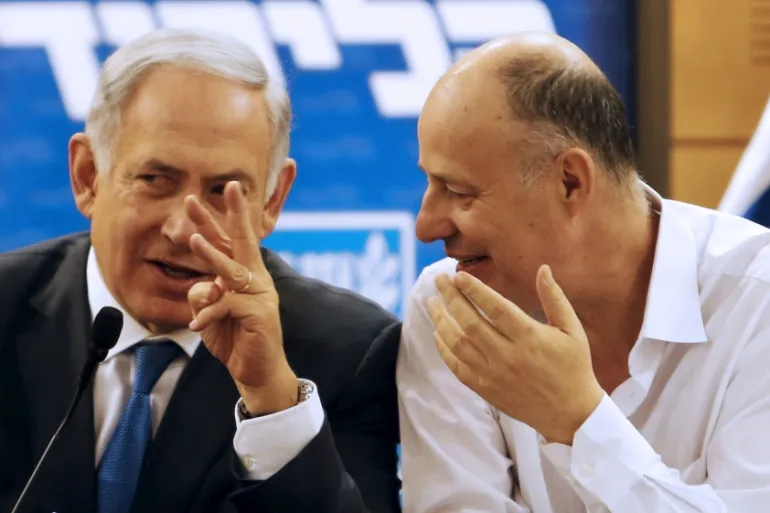
The content of the analysis is based on a statement by the head of the National Security Council of Israel, Tzachi Hanegbi, who is reported to have presented an assessment of the course of the war that is far from the image of triumph often projected in the public sphere.
The hidden admission behind the rhetoric
Tzachi Hanegbi, as head of the National Security Council of Israel, holds one of the most important positions in the Israeli decision making system.
At the level of institutional function it is the top body that determines the strategic choices of the country on security issues.
In other words, he is an official who is at the core of the strategic thinking of the Israeli state.
Precisely for this reason, the admission contained in his analysis has particular significance.
Even if Israel attempts to present certain military operations as successes, the overall picture of the war does not lead to a real strategic victory.
This distinction is critical.
In strategic war analysis there is a fundamental difference between:
1) tactical successes
2) strategic victory.
Tactical successes may be specific military strikes or operations that achieve immediate objectives.
But a strategic victory requires something much greater: the change of the overall balance of power in favor of the winner.
And according to the analysis attributed to Tzachi Hanegbi, such a thing has not been achieved.

Tzachi Hanegbi
The war of image
This admission brings to the forefront one of the key characteristics of modern conflicts: the war of image.
In a war where information is circulated in real time through media and social networks, the image of success often becomes as important as reality itself.
Thus, governments and military leaderships try to present every operation as a significant achievement.
However, when the overall strategic picture does not change, even impressive operations may prove to be of limited importance.
According to the analysis, this is exactly what is happening today.
Despite efforts to create the image of military success, the balance of power has not changed in a way that can be considered a strategic victory.
The strategic resilience of Iran
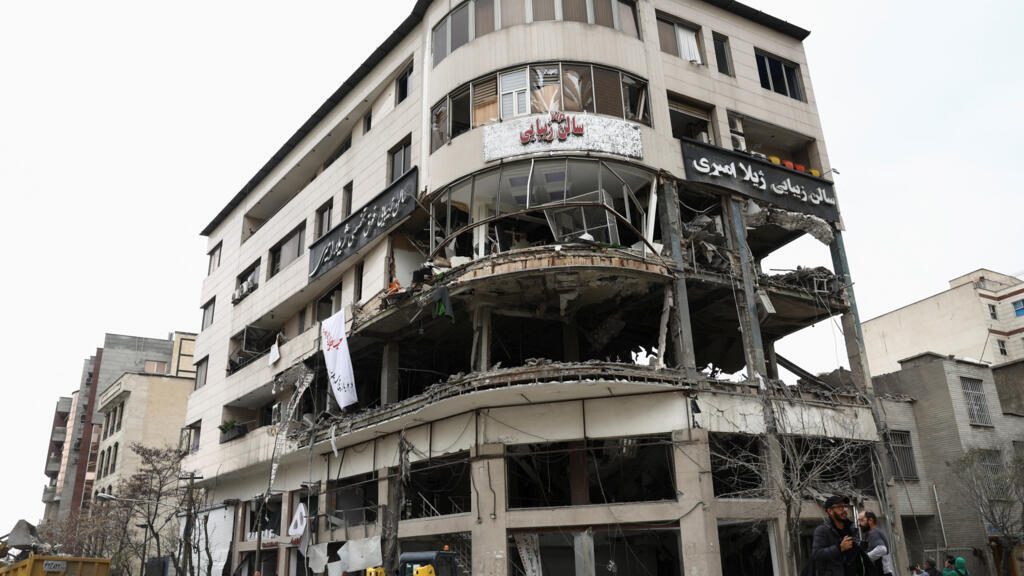
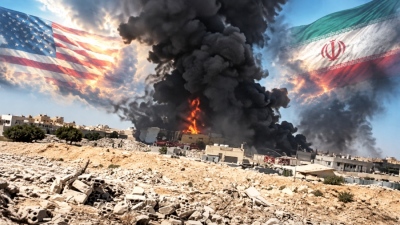
On the other side, Iran appears to maintain a high level of strategic resilience.
The country has developed a multi layer strategy that combines missile systems, drones, asymmetric tactics and regional alliances.
This strategy allows Iran to exert pressure on its opponents without necessarily engaging in large scale conventional war.
This approach is based on a philosophy that has been shaped for decades in Iranian strategic thinking: the idea that resilience and long term attrition of the opponent can be just as effective as a quick military victory.

The importance of strategic success
The concept of strategic success is central in war analysis.
In order for a war to be considered successful at the strategic level, specific objectives must be achieved, such as:
1) the change of the political behavior of the opponent
2) the weakening of its military capabilities
3) the strengthening of the deterrent power of the winner.
If these objectives are not achieved, then even significant military operations may prove insufficient.
The analysis attributed to Tzachi Hanegbi seems to recognize exactly this reality.
Despite the operations and efforts to present achievements, the overall strategic picture of the war has not changed in favor of Israel.
A conflict without a clear winner
This statement highlights a broader reality of modern geopolitics: many wars no longer end in clear victories.
Instead of fast and decisive conflicts, modern wars often evolve into long term confrontations where strategic attrition plays a decisive role.
In such conflicts, the resilience of a state may prove just as important as its military power.
And according to analysis by Tasnim, this is exactly the element that determines the course of the war today.
The message behind the analysis
The main message that emerges from the analysis is clear:
despite the intensity of the conflicts and the efforts to present successes, the strategic reality of the war remains unchanged.
This admission, coming from such a high ranking official as Tzachi Hanegbi, has particular importance.
It shows that even within the very mechanisms of power of Israel there is recognition that the war has not achieved its strategic objective.
The internal challenges of the IDF
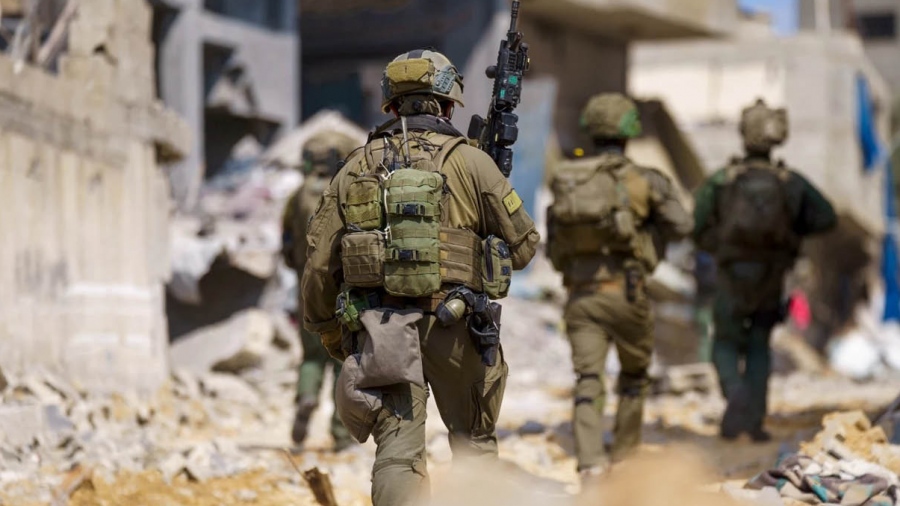
Alongside the strategic admissions arising from external conflicts, the analysis of the Israeli army shows that the military itself is facing serious internal challenges.
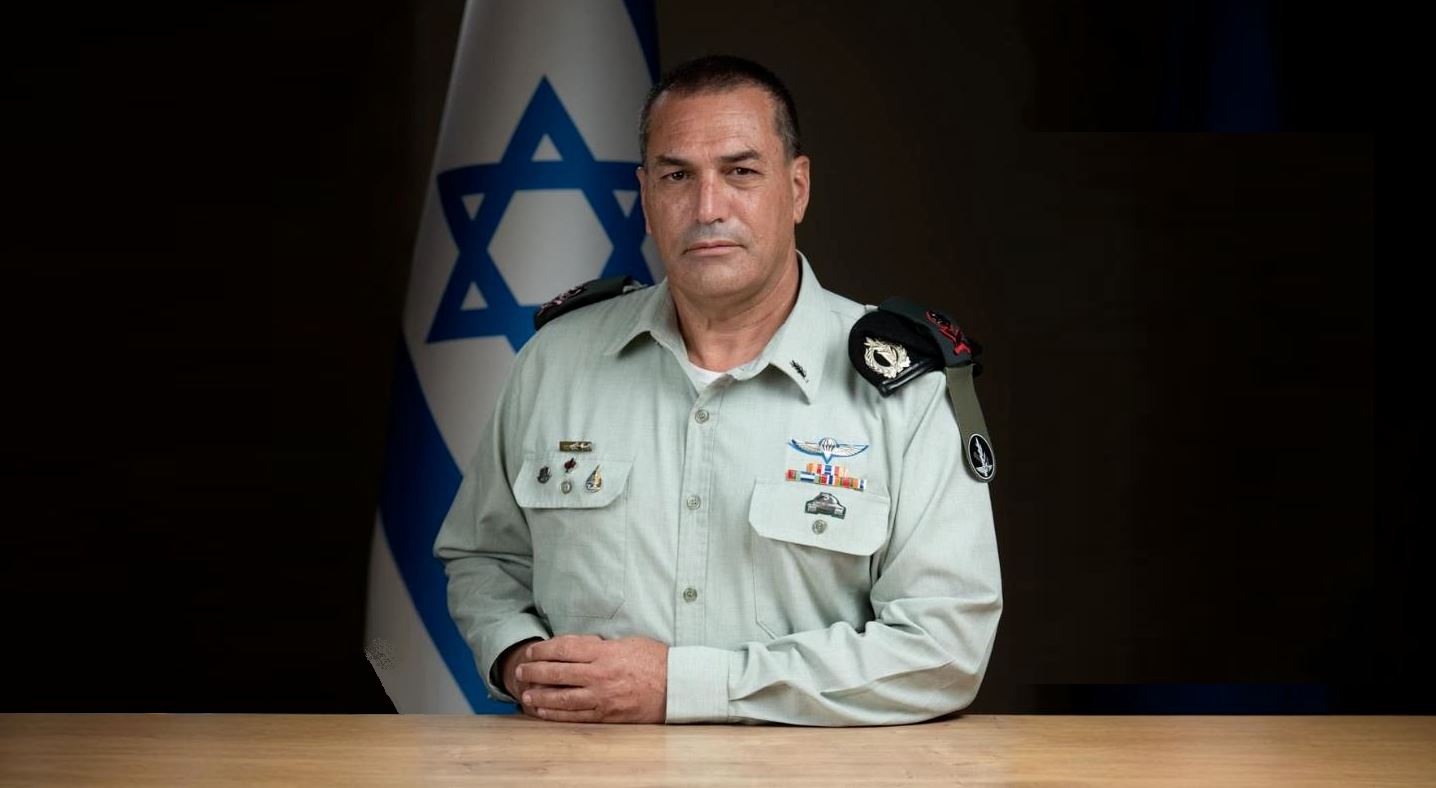
The Chief of Staff of the IDF, Lieutenant General Eyal Zamir, warned during a security council meeting on the evening of March 25 that the military will collapse from within, as it faces increasing operational demands and a growing shortage of personnel.
“I raise 10 red flags before you,” Eyal Zamir is reported to have told ministers, according to the news channel Channel 13.
“The IDF need now a conscription law, a reserve law and a law for the extension of mandatory service.
Soon, the IDF will not be ready for their daily missions and the reserve system will not withstand.”
The letter to Netanyahu
Eyal Zamir has issued similar warnings in recent months.
In January, he sent a sharp letter to the Prime Minister Benjamin Netanyahu and other senior officials, warning that the lack of soldiers could irreparably harm military readiness in the near future.
Since Israel launched the war in the Gaza Strip, the military has repeatedly informed lawmakers that it is short by approximately 12,000 soldiers due to the pressure of the conflict and other military challenges.
At the same time, ultra orthodox parties demand a law that keeps their voters out of the military, after the Supreme Court in June 2024 ruled that there is no legal basis for the decades long blanket exemption of students of ultra orthodox Jewish schools from conscription.
Approximately 80,000 ultra orthodox Israelis aged between 18 and 24 are believed to currently be eligible for military service, but have not enlisted.
These internal difficulties add a significant level of complexity to the strategic picture, highlighting that even tactical or impressive operations may not be sufficient to secure a real strategic victory.
www.bankingnews.gr









Readers’ Comments