

Just 24 hours after the president of the United States, Donald Trump, declared four times in a national address that Iran had been “decimated”, the reality on the battlefield came to spectacularly refute the propaganda narrative of Washington.
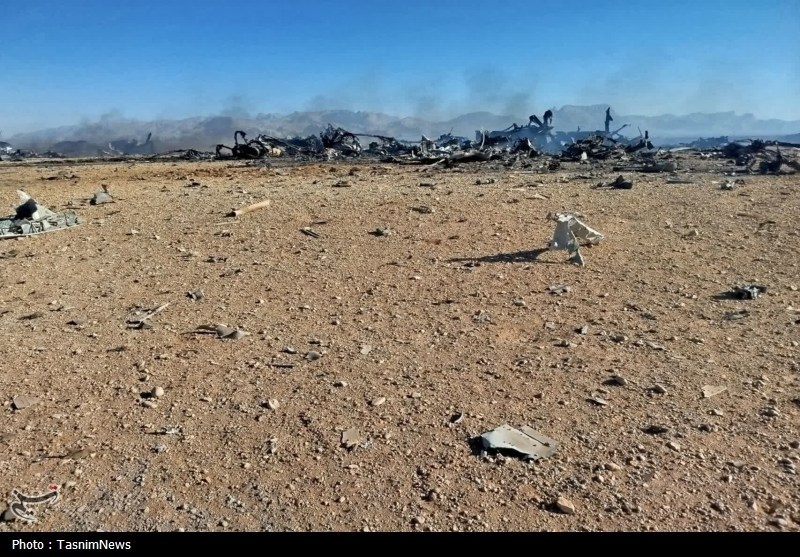
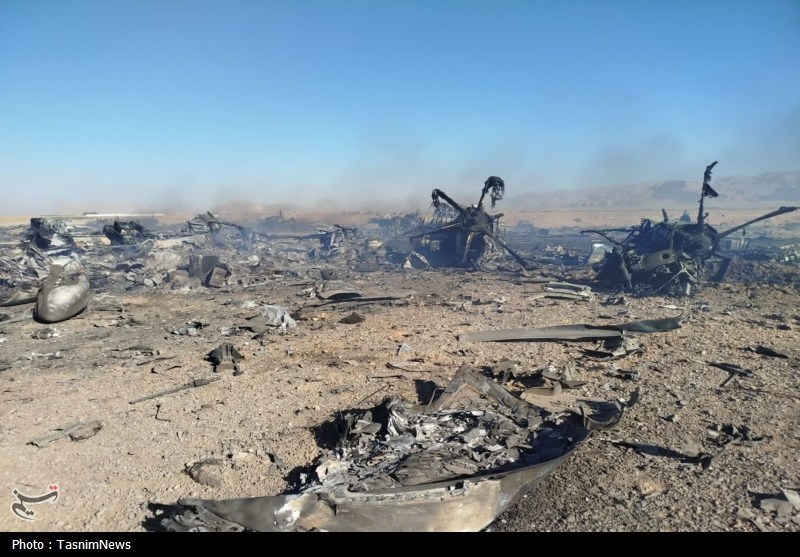
An F-15E Strike Eagle fighter of the Air Force of the United States was shot down over Iranian territory in the province of Khuzestan, in an incident that may constitute a turning point in the war.
The event is not simply another episode of an escalating conflict.
It is a powerful symbol of the shift in the balance of power in the Middle East.
For decades, American military superiority was presented as almost indisputable.
However, the downing of one of the most advanced American fighters by Iranian air defenses showed that this narrative is beginning to collapse.
At the same time, a real shock is being caused in American society by the news that the Pentagon ignored a classified document of a military think tank which, based on a war simulation, warned of a catastrophic defeat in a war with Iran.
It was based on a series of parameters and focused on the fact that the United States in the last 27 years had never faced a militarily strong opponent.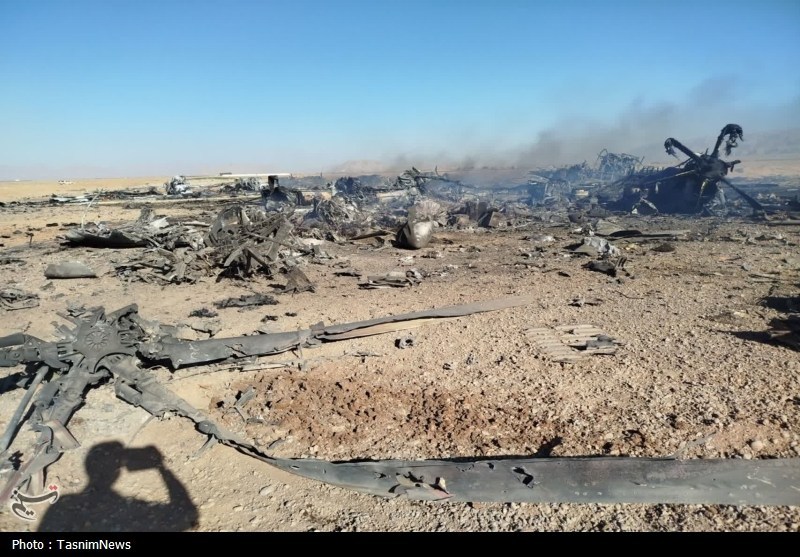
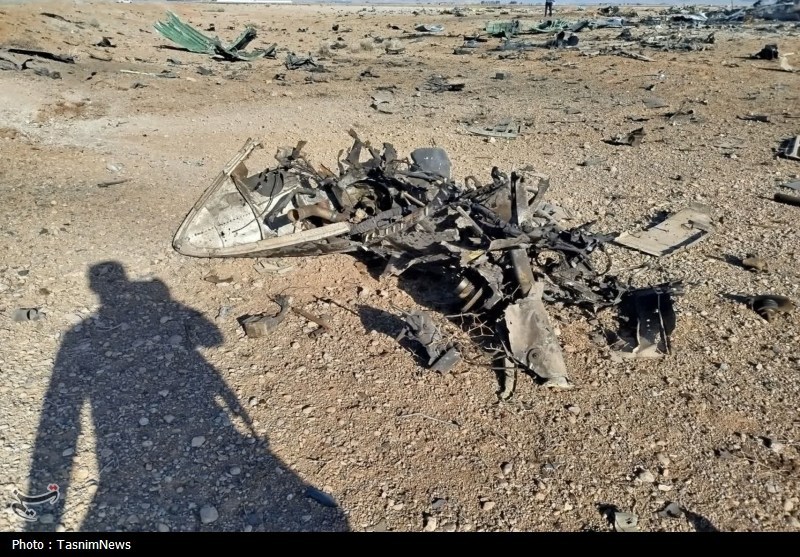
Bombshell revelation: the Pentagon ignored war simulations that warned - It buried the defeat
A real shock is being caused in the United States by the revelation that the Pentagon ignored a special, classified war simulation that warned of a catastrophic defeat in a confrontation with Iran.
This specific simulation had been conducted a few months ago and reached a clear conclusion: do not attempt a war with Iran, defeat will occur.
In particular, it categorically ruled out undertaking ground military action, as it predicted a real bloodbath.
Indeed, the most shocking simulation predicted defeat with 20,000 dead.
It is worth noting that many war simulations in the United States had already warned of the risk.
Military think tanks and services of the Pentagon reached similar conclusions: a war against Iran could prove disastrous.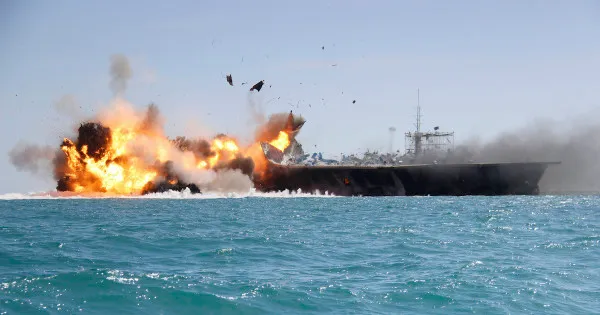
The reasons are many:
1) Iran has a huge stockpile of missiles.
2) American bases in the Persian Gulf are vulnerable.
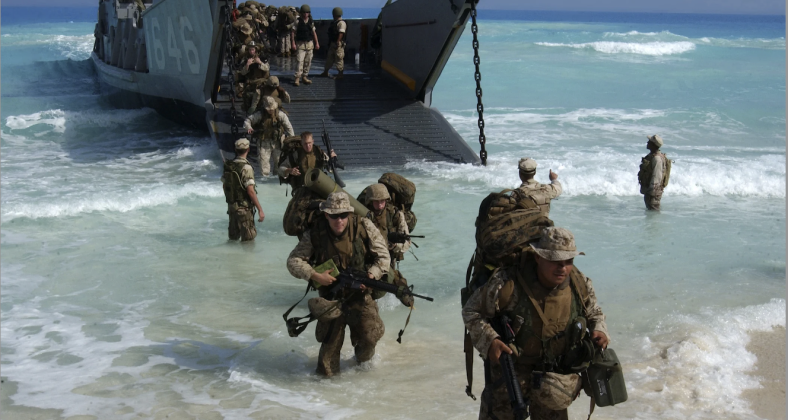
3) Amphibious operations would be under constant threat.
The simulations showed that amphibious forces of the United States could receive massive strikes from missiles and drones.
In simple terms, an invasion of Iran would not resemble any of the campaigns that the United States had carried out in the last 30 years.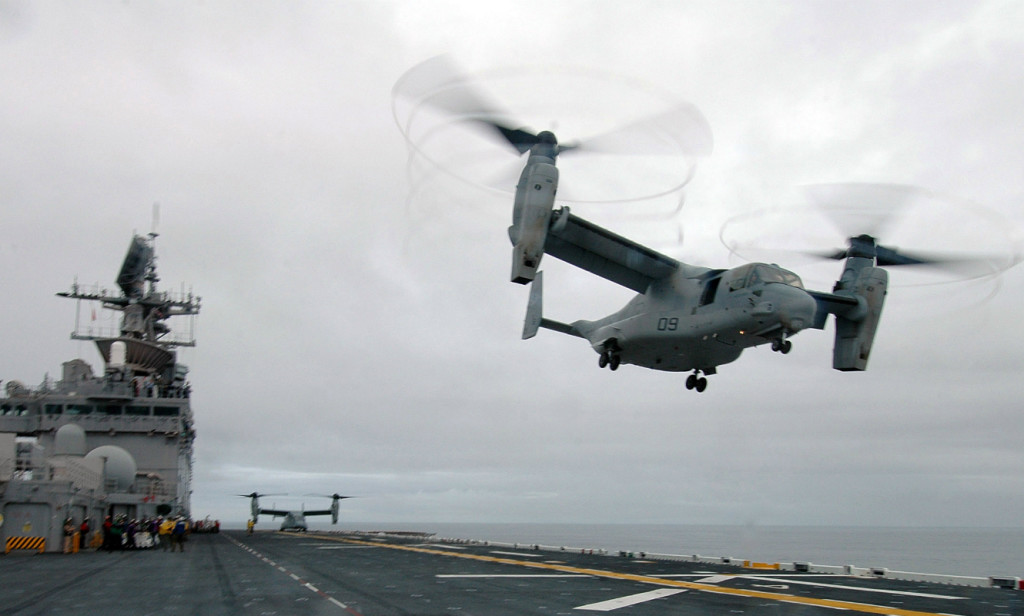
Millennium Challenge: The most famous defeat of the United States in a simulation
The most well known military exercise was the Millennium Challenge, one of the largest and most expensive war simulations in the history of the United States.
1) Cost: approximately $250 million
2) Participation: approximately 13,500 military personnel
3) Purpose: to simulate a war against a state of the Middle East with characteristics similar to Iran.
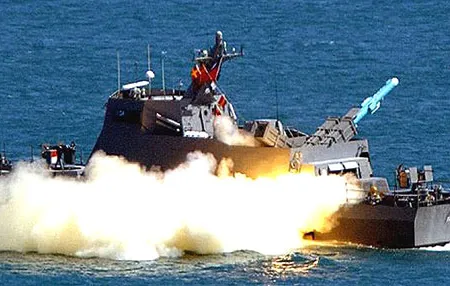
In the simulation:
1) the “Red Team” the opponent representing Iran
2) used asymmetric tactics and simple communications instead of satellite systems.
The result was impressive:
1) 16 American warships were destroyed
2) approximately 20,000 soldiers of the United States were simulated as dead within a few minutes.
The exercise was considered so shocking that the scenario was restarted with restrictions on the opponent in order for the test to continue.
This exercise is used to this day as an example of how dangerous a conflict can be in an environment where Iran uses:
1) missiles
2) fast boats
3) drones
4) saturation attacks
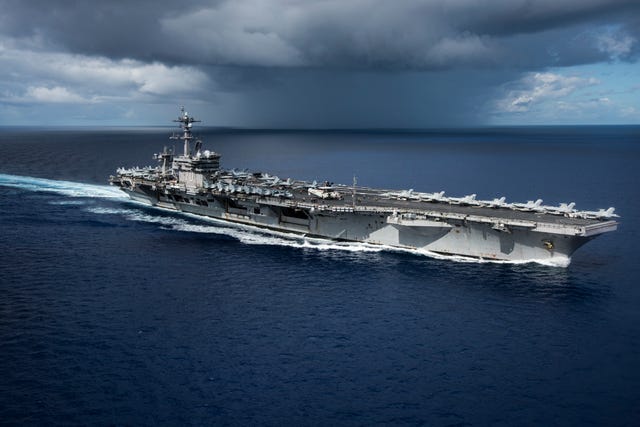
Modern simulations for war in the Persian Gulf
In recent years many think tanks, such as the Center for Strategic and International Studies, have conducted simulations for a possible conflict.
The main conclusions are repetitive:
The war would not be short
Simulations show that even if the United States wins the first air battles, the conflict could turn into a prolonged war of attrition.
The reasons:
1) the size of the country/
2) the difficult geographical terrain
3) the existence of large urban centers.
4) Losses could be high
In scenarios of ground invasion:
1) intense battles in cities are predicted
2) use of IEDs, ambushes and guerrilla warfare.
This means that an invasion could turn into a long term occupation with heavy losses.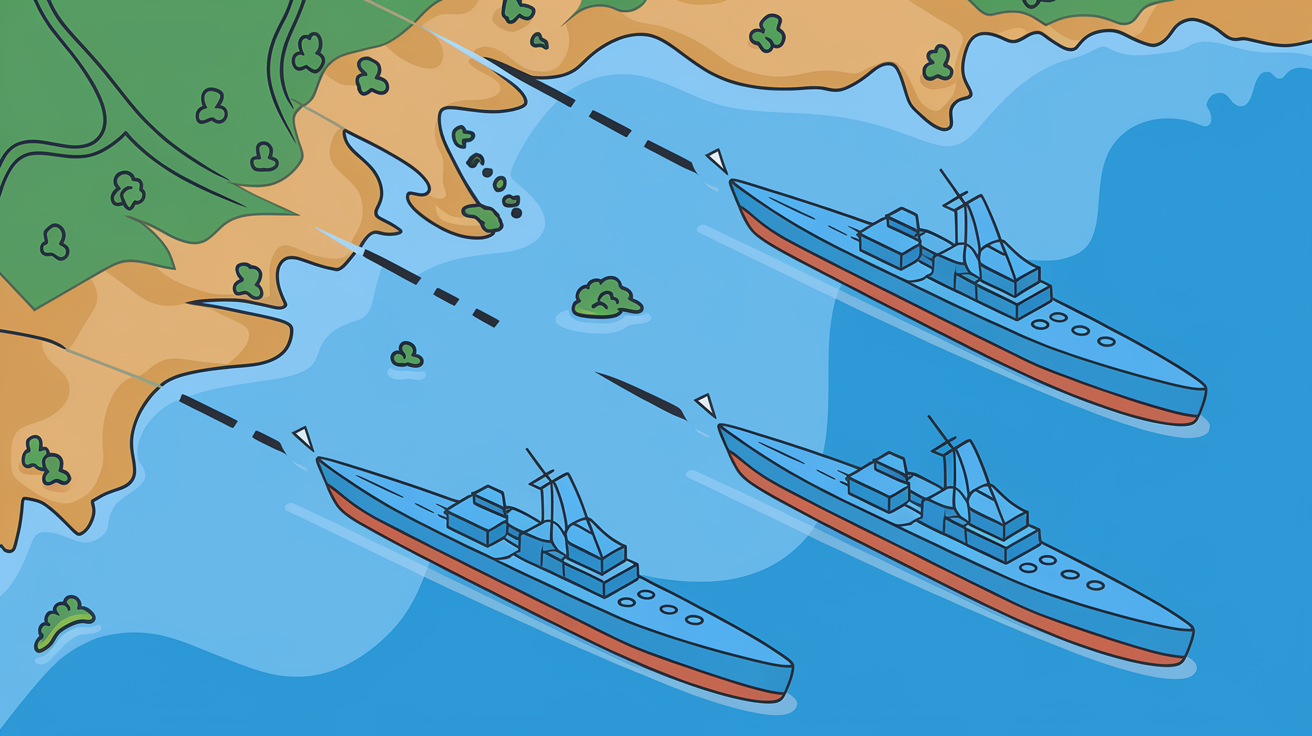
The moment the myth of air supremacy collapsed
The F-15E carried two crew members.
One was rescued by a Combat Search and Rescue CSAR operation, while for the fate of the second a real thriller is unfolding with the two warring sides claiming that they have him in their hands.
American forces conducted search operations under extremely dangerous conditions, as Iranian forces and local groups mobilized to locate the pilot.
The fact that such an incident occurred within such a short time after the triumphant statements of Donald Trump has enormous symbolic significance.
American rhetoric about a crushing victory comes into complete contradiction with developments on the ground.
The downing of an F-15E is not a simple matter.
It is one of the most advanced multi role fighters in the world, designed to survive even in hostile environments.
However, when it found itself facing a determined and well prepared air defense system of Iran, the result was clear: the aircraft was destroyed.
This image raises serious questions about whether the American military machine is truly ready to face a strong, technologically capable opponent.
A war the United States was not used to
The last time the United States faced a serious threat to its air dominance was in 1999 in the war of Kosovo, when Serbian air defenses shot down an F-117 stealth and an F-16.
Since then, the military reality for the United States was completely different.
Operations in Afghanistan, in Iraq and in the war against ISIS were conducted in environments where opponents did not have effective air defense systems.
In other words, American forces fought for years in wars where air superiority was considered a given.
But Iran is not Afghanistan nor Iraq of 2003.
The Iranian military strategy is based on a multi layer defense network:
1) advanced air defense systems
2) long range missiles
3) drones
4) asymmetric tactics
The result is a battlefield in which even the most advanced air forces can suffer serious losses.
The downing of the F-15E was a strong reminder that a war against a state like Iran cannot be approached with the arrogance that characterized American operations of recent decades.
Unprecedented military crisis in Washington
The situation becomes even more dramatic due to the internal crisis in the American military leadership.
The Secretary of Defense of the United States, Pete Hegseth, proceeded with an extensive purge in the top command of the armed forces.
Among the officers who were removed were the Chief of Staff of the Army Randy George, General David Hodne and General William Green
The removal of these top commanders in a period of war is extremely unusual.
Even more worrying is that it appears to be related to disagreements regarding plans for a possible ground invasion of Iran.
According to information, Randy George had expressed serious reservations about the plan.
The reasons were obvious: enormous financial cost, high risk of heavy losses and strategic uncertainty
Instead of taking these warnings into account, the political leadership chose to replace the generals with figures considered more loyal to the political vision of Donald Trump.
This development has caused intense concern about the politicization of the military of the United States.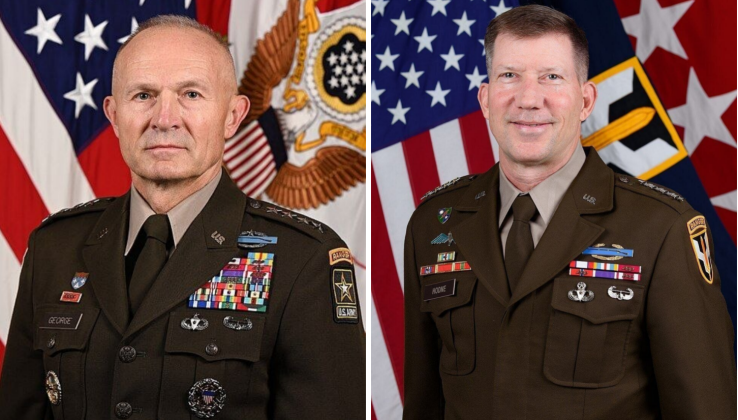
Iran shows strategic composure
On the other side, Iran appears to operate with greater strategic coherence.
The Iranian armed forces have demonstrated effective use of missiles, flexible use of drones, strong air defense while managing to exert maximum psychological pressure on the opponent.
The downing of the F-15E was not simply a military event. It was also a communication victory.
The president of the Iranian parliament, Mohammad Bagher Ghalibaf, did not hesitate to publicly mock the incident on social media, presenting it as proof that American power is not invincible.
In a war where psychology plays a huge role, such moves can have great impact.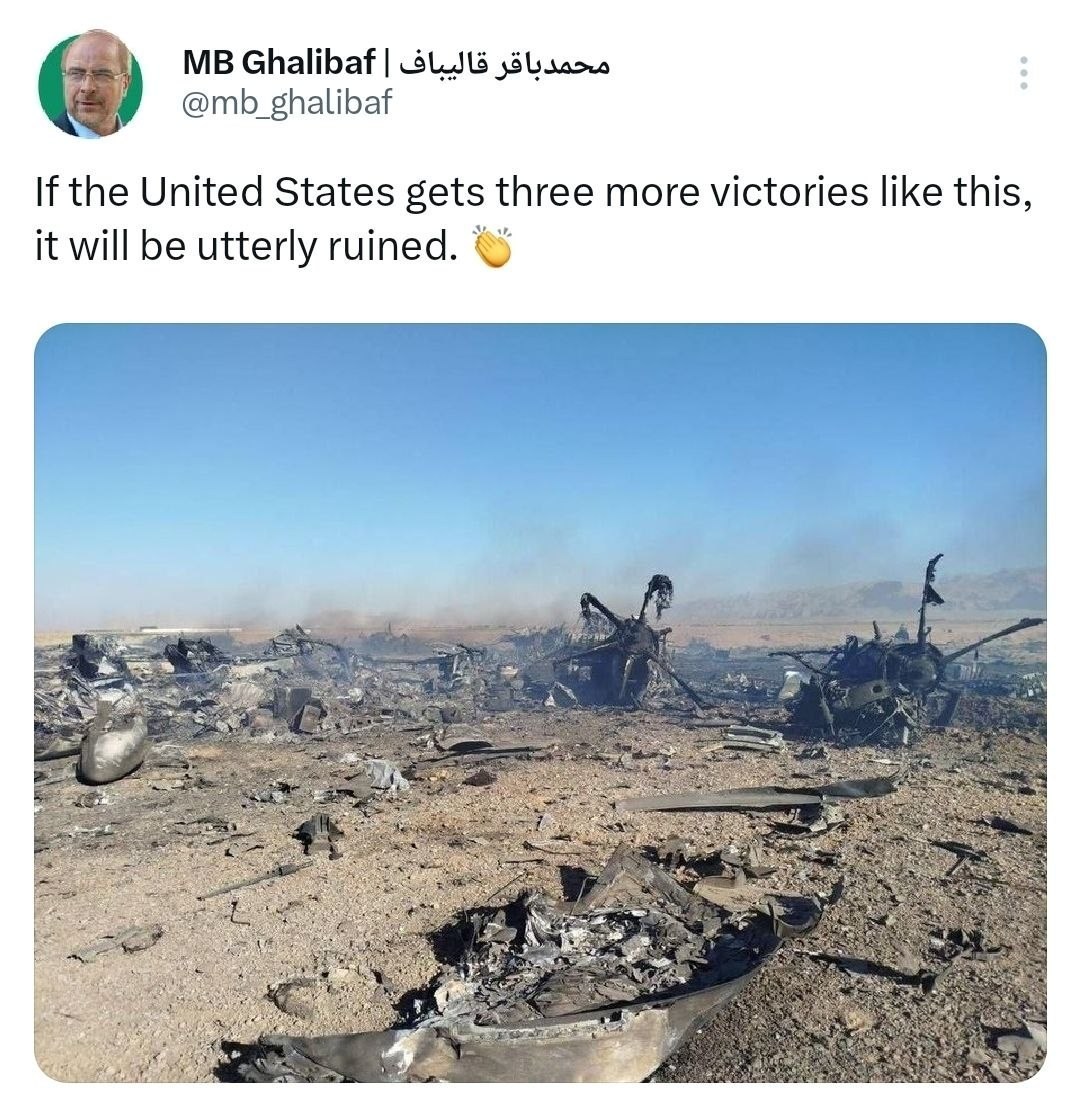
The beginning of a new geopolitical reality
The downing of an American fighter over Iran may prove to be much more than an isolated incident.
It is a symbol of a deeper change.
For decades, the military power of the United States was presented as almost absolute.
But the world has changed.
States like Iran have invested in technologies and strategies that can challenge this superiority.
The result is that the conflicts of the future will be much more dangerous for major powers.
The dilemma of Washington
Washington now faces a difficult dilemma: to escalate the war or to seek a diplomatic exit
If the missing pilot is indeed in the hands of Iran, the pressure for negotiations will increase dramatically.
And then the image that will remain in history may be this: not the image of a superpower that imposes itself, but of a power forced to confront the limits of its power.

Turning point in the war - The myth of American supremacy collapses
The downing of the American F-15E and the possible capture of a pilot mark a critical moment in the war.
Iran showed that it can resist one of the most powerful military forces in the world, while the United States now faces not only an external opponent but also internal political and strategic crises.
The real outcome of the conflict remains uncertain.
One thing, however, seems increasingly clear: the myth of absolute American military dominance has begun to crack.
www.bankingnews.gr








Readers’ Comments