At a time when geopolitical tension is increasing at a terrifying pace, the Russian philosopher and mentor of Vladimir Putin, Alexander Dugin, describes the conflict between the United States and Iran in terms that resemble more an apocalyptic prophecy than conventional political analysis.
For Dugin, what is unfolding today is not simply a conflict between states, but a confrontation of worldviews that see the world approaching its final limit.
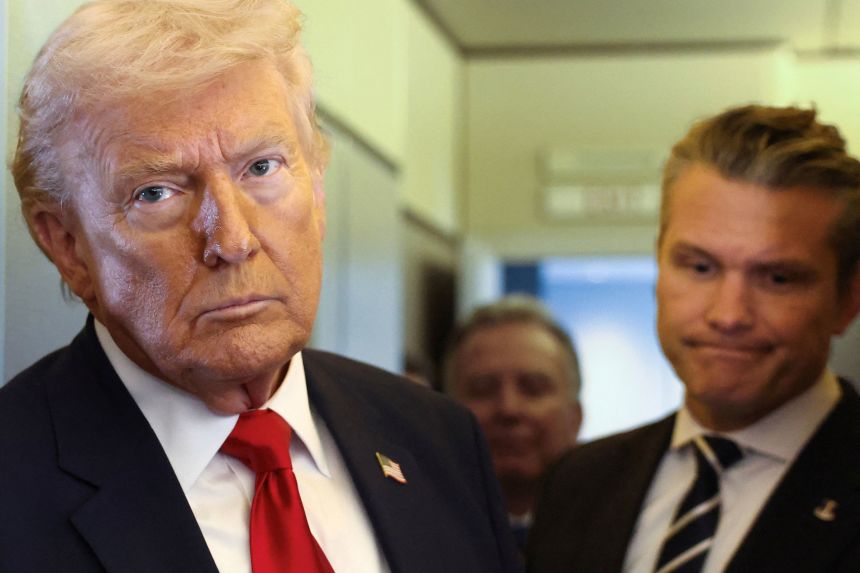
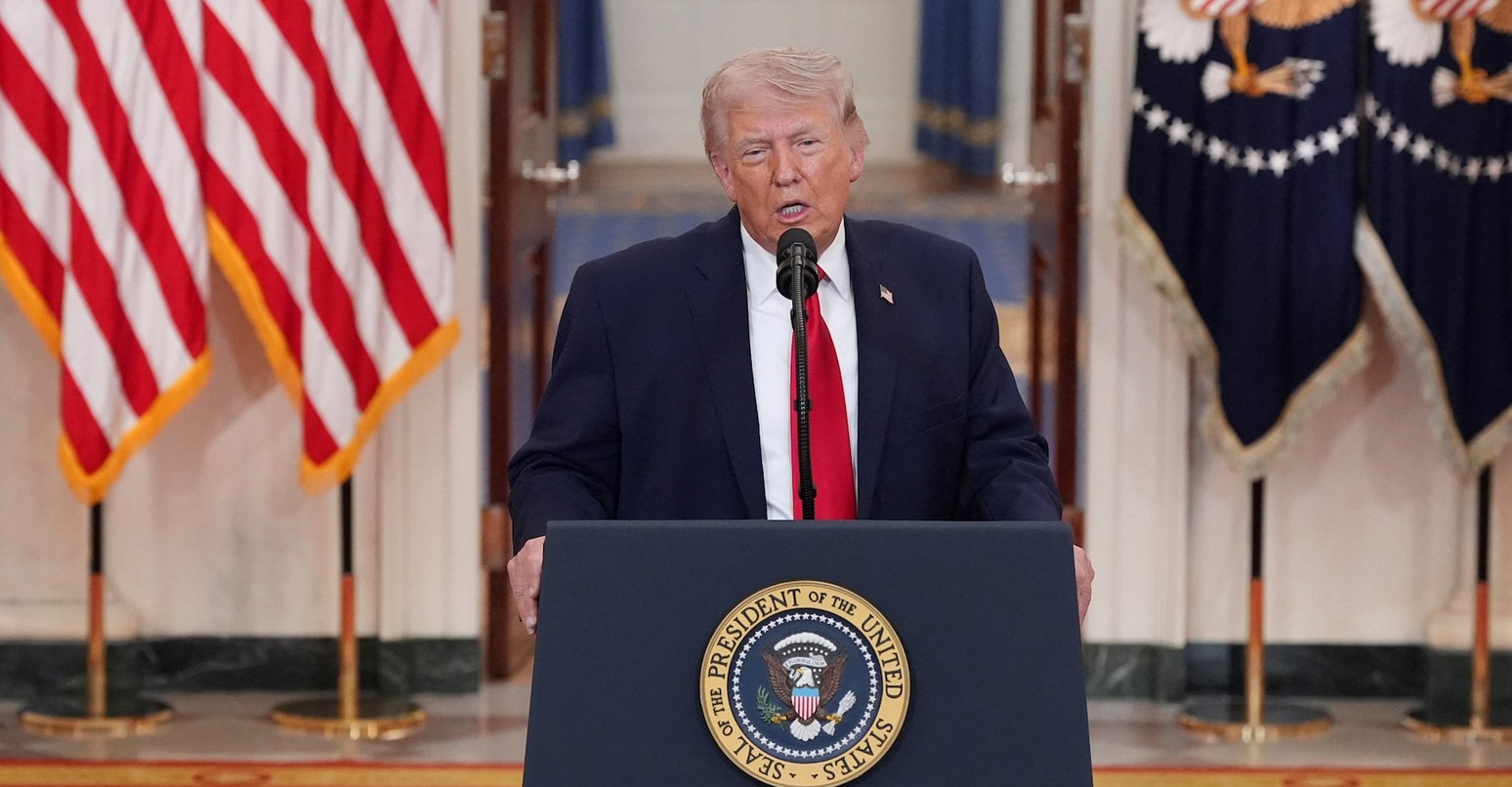
At the center of this dramatic scene is Donald Trump, who according to Dugin is trapped in a historical trap from which there is no real escape.
The question, as he argues, is not whether Trump will lose a war against Iran.
The question is exactly how he will lose it, and how great the destruction will be that he leaves behind.
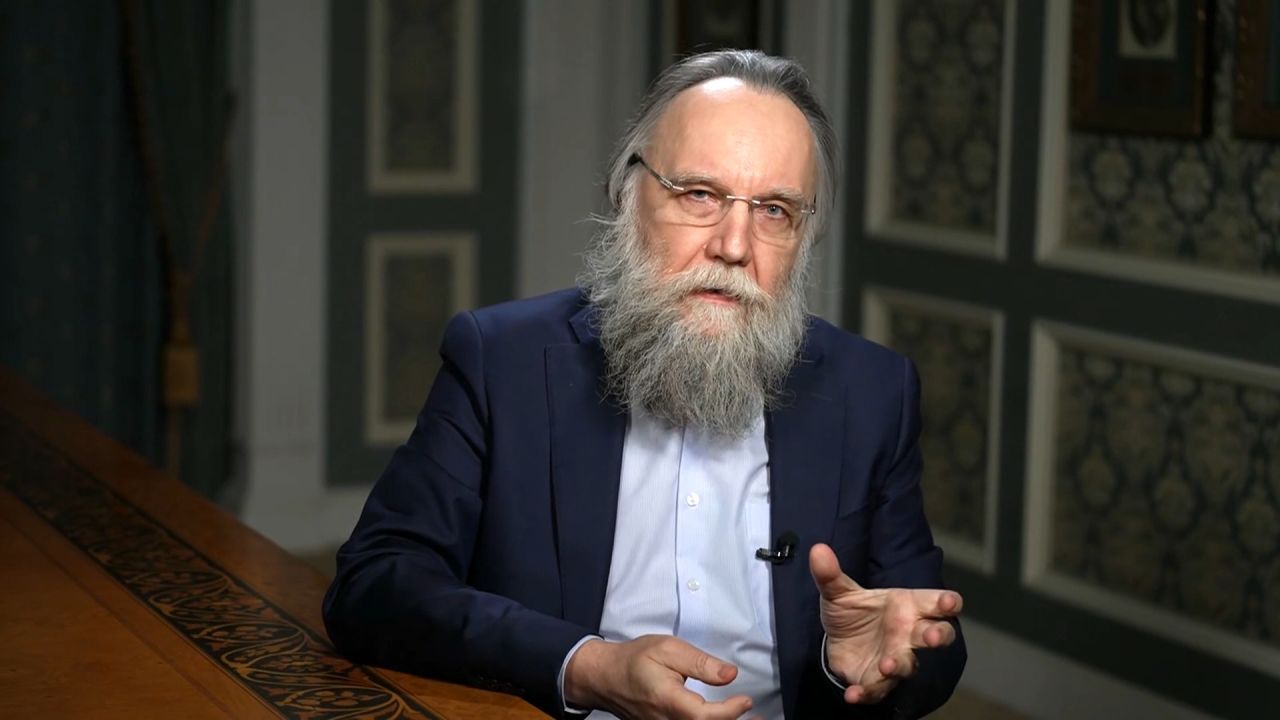
Alexander Dugin
The inevitable collapse of American strategy
Dugin argues that a war against Iran cannot lead to a real victory for the United States.
Iran is not a conventional opponent that can be easily defeated with military power or economic pressure.
On the contrary, it is a state that has built its entire strategy around resistance.
According to Dugin, the forces that exert influence on Trump, particularly the powerful lobby of Israel, are leading American policy onto a path of no return.
This is a path that resembles more a downward course toward an abyss.
This same force that pushes the United States toward conflict, according to Dugin, will ultimately lead Trump himself to destruction.
He speaks of a situation that resembles mutual self-destruction.
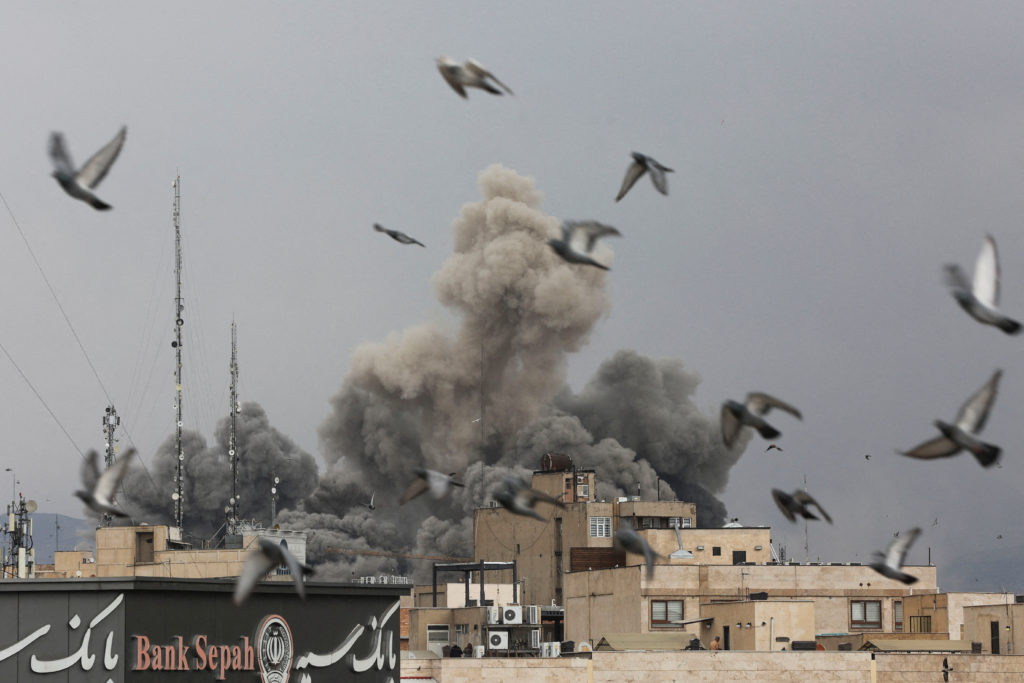
The irrational point of conflict
According to Dugin’s analysis, a large part of Israel’s strategy is based on a deeply eschatological perception of history.
At the center of this perception lies the expectation of the Messiah.
All political and strategic movements, he argues, seem to be based on a kind of “promise” for a future event.
If however this event does not occur, if history does not unfold as expected, then the entire structure risks collapsing.
Dugin considers even more extreme the case of Zionism, where politics is interpreted through religious fantasies such as the so called rapture.
In this context, political action is driven by visions that can never be realized, yet continue to guide decisions with global consequences.
Thus, the sequence of “rational” strategic moves ends, according to him, at a final irrational point of conflict.
According to the Russian philosopher, the Iranians rely on something more immediate and more dangerous, decisive resistance.
The leadership that could compromise has already been sidelined.
At the center of power now stand the hardline forces of the Revolutionary Guards (IRGC).
These are people who, according to Dugin, have nothing to lose and have no intention of negotiating.
Their perception is simple, the enemy must be confronted here and now, with every available means.
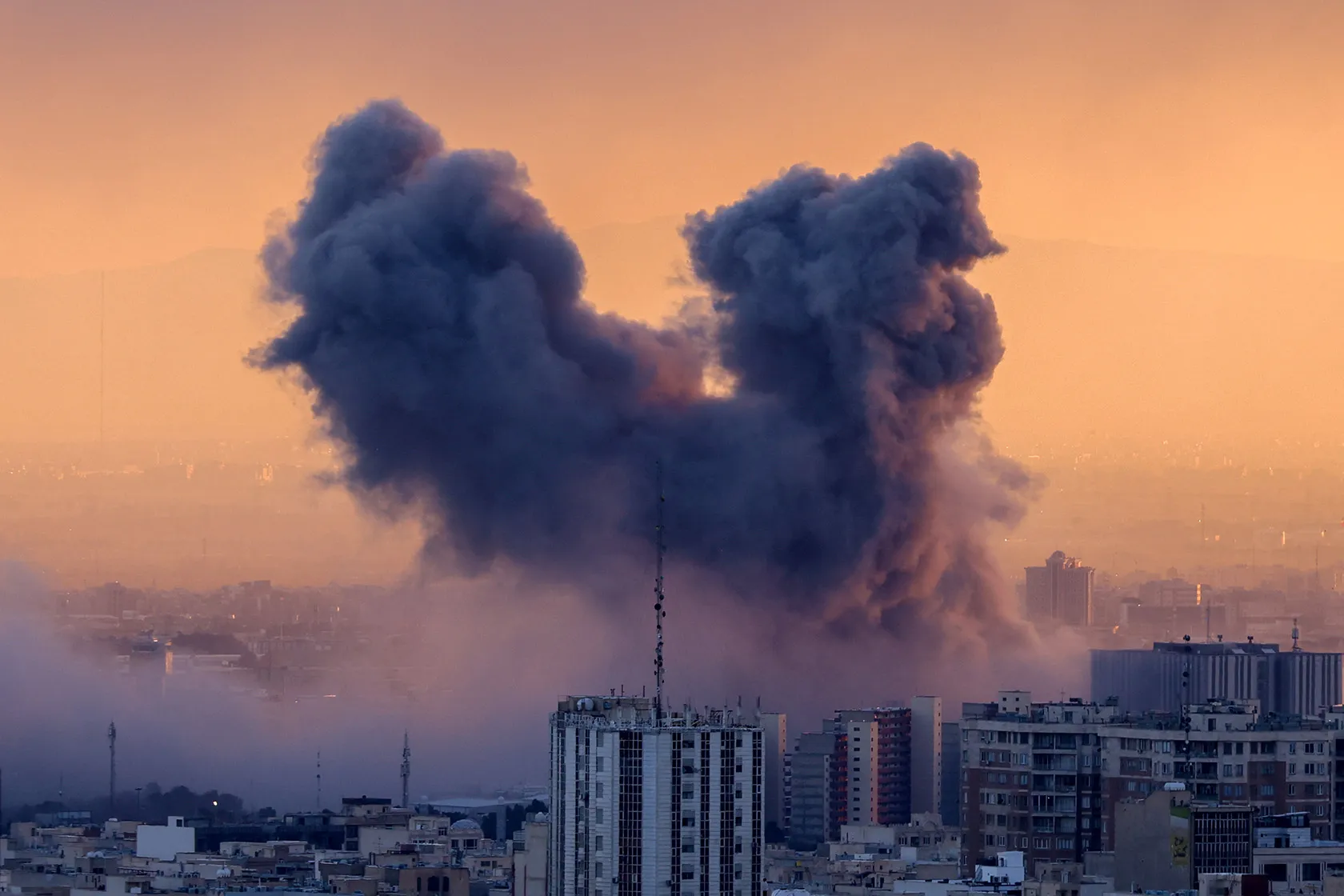
The strategy of total escalation
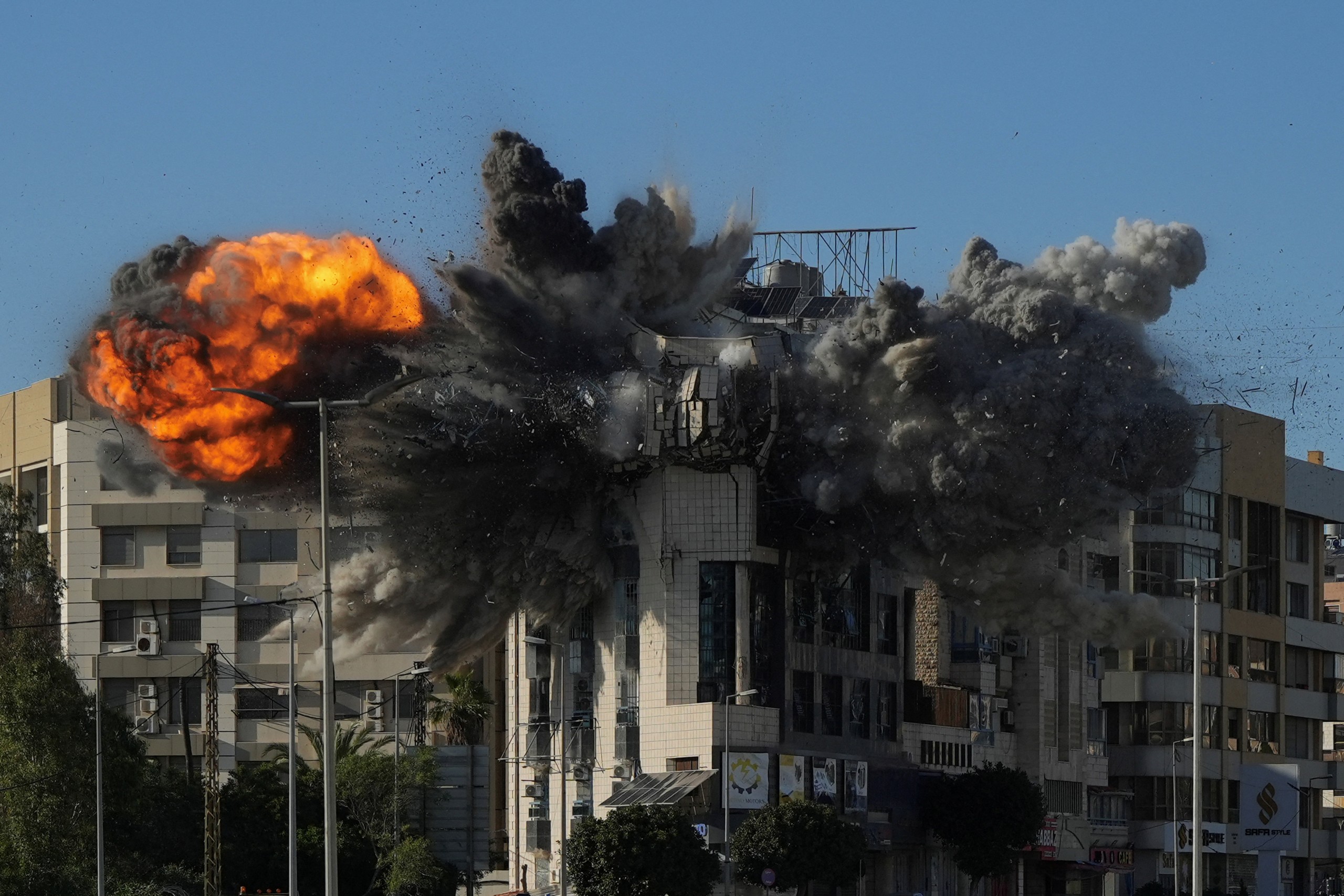
In the event of a generalized conflict, Dugin believes that Iran will seek not simply military defense but total destabilization of the global system.
In the possible scenarios described are included:
1) destruction of the global energy market
2) strike on maritime transport
3) attacks on commercial fleets
4) destruction of underwater internet cables in the Strait of Hormuz
5) use of cheap maritime drones for the destruction of Western fleets
Such a scenario could cause the collapse of global trade within a few days.
The global economy, which is already in a fragile balance, could find itself on the verge of complete disintegration.
Trump and his personal crisis
Dugin presents Donald Trump as a leader who is not guided by religious eschatology but by personal ambition.
According to him, Trump believes primarily in himself, in economic power and in high risk market speculation
However, the Russian philosopher argues that Trump now faces a reality he cannot control.
Political pressure, age, and scandals of the past, particularly those related to Jeffrey Epstein, create an explosive mixture.
At a moment of crisis, Trump could attempt to abandon this course.
He could shift the responsibility to figures such as Pete Hegseth and attempt to distance himself from the conflict.
However, such a move would require him to confront the forces that brought him to power.
The dilemma of self destruction
Dugin believes that Trump has before him three possible scenarios:
1) To abandon the path of conflict and sacrifice his allies.
2) To continue on the path toward war and collapse politically.
3) To collapse personally under the pressure of the crisis.
None of these scenarios leads to stability.
The moment that judges humanity
According to Dugin, the most critical parameter is one, whether Iran can endure a little longer.
The conflict is at a point where the global system is approaching a breaking point.
If one of the two opponents collapses first, the other will gain time to regroup.
If however they collapse simultaneously, then the outcome may be an unprecedented global crisis.
As if all this were not enough, a third force appears to be emerging, the technological giants of Silicon Valley.
According to recent statements by the head of NVIDIA, the so called Artificial General Intelligence (AGI) may already have appeared.
This means that humanity is approaching the point of the so called technological singularity, a point where machines will surpass human intelligence.
Elon Musk had warned for years about this possibility.
The antichrist of technology
The billionaire investor Peter Thiel often speaks about the role of the “Katechon,” a force that delays the arrival of the antichrist,
For Thiel, the antichrist is the globalized elites.
Dugin, however, argues that artificial intelligence itself may constitute a new, more advanced antichrist.
A world on the edge of apocalypse
The conflict between the United States and Iran is not simply a geopolitical confrontation.
For certain thinkers, such as Alexander Dugin, it constitutes the point where the following collide:
1) religious eschatologies
2) geopolitical ambitions
3) technological utopias
If all these forces collide simultaneously, the result may be a global crisis that will change the course of human history.
And then, as the most pessimistic voices warn, we may no longer be speaking about politics or strategy.
We may be speaking about the end of an entire era of human civilization.
www.bankingnews.gr















Readers’ Comments