Natural gas is becoming increasingly expensive, but public finances are already strained: high levels of debt leave limited room for new support measures, while the price shock is passed on to consumers, causing significant social reactions.
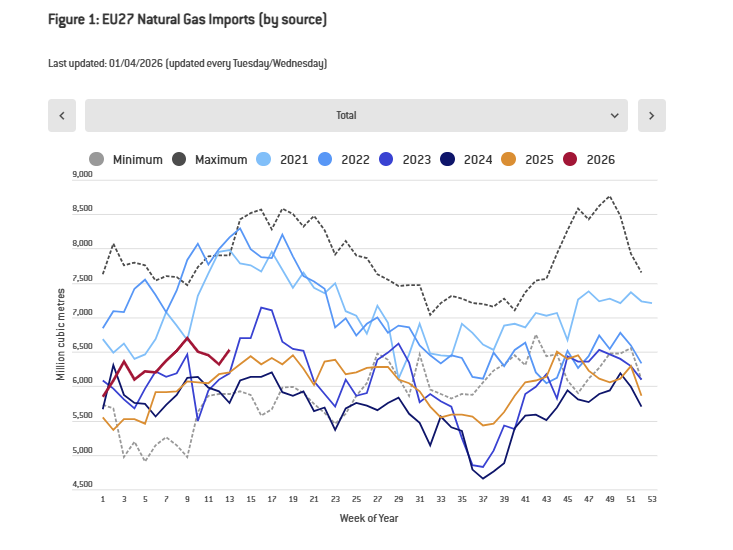
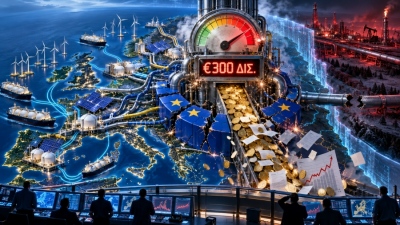
The doubling of natural gas prices could increase Europe’s import costs by approximately 100 billion euros within one year, even though Europe is only indirectly affected by the crisis in Iran.
This emerges from an analysis by Bruegel, according to which the EU already spent 117 billion euros on natural gas imports in 2025.
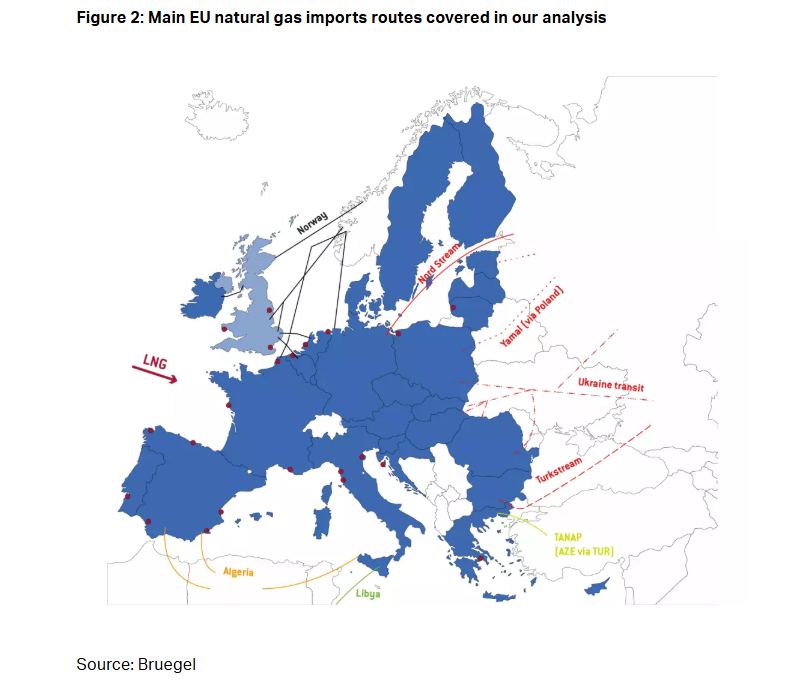
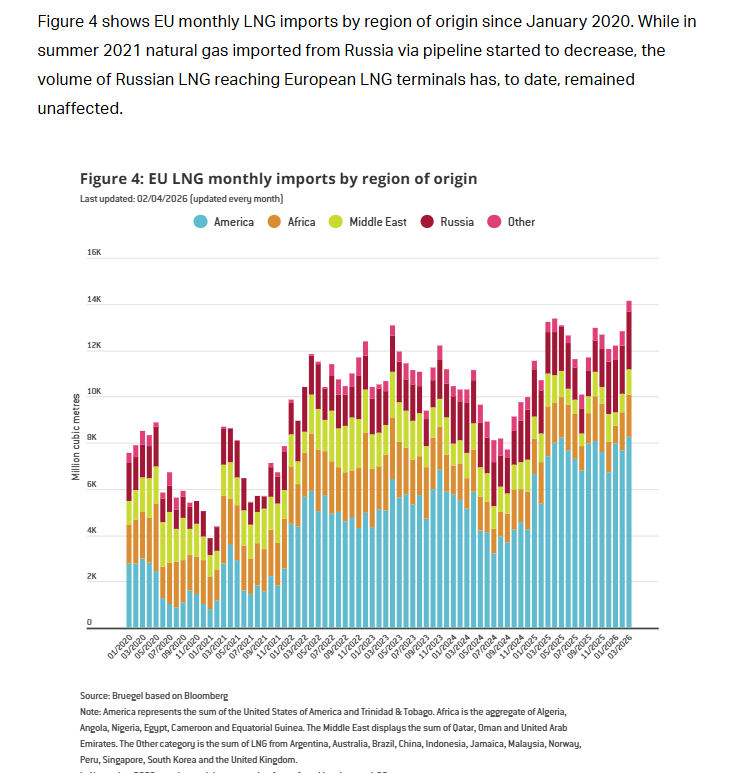
Despite the fact that only a small percentage of LNG imports comes from Qatar, the nature of LNG as a global commodity means that disruptions in the Middle East affect prices internationally.
The diversion of cargoes toward Asia and intensifying competition have already driven prices to 50–60 euros per megawatt-hour, from levels below 30 euros at the beginning of the year.
Policy choices with limited fiscal space
The European Union is called upon to manage a prolonged period of high prices and possible supply shortages.
Although price caps appear as an attractive solution, experts warn that they undermine market signals and discourage investment in alternative energy sources.
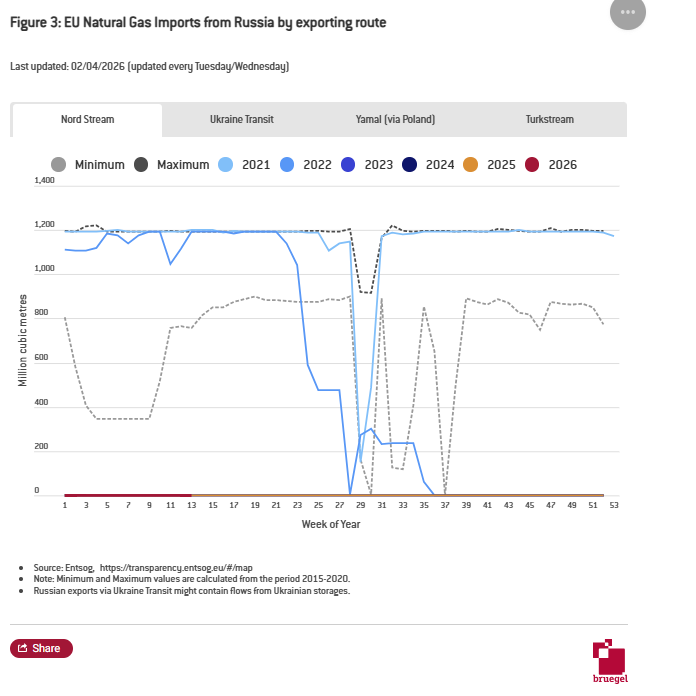
At the same time, a return to Russian natural gas is rejected as an option, as the anti-Russian policy of Brussels continues to inflict blows on industrial policy due to the well-known “decoupling” from cheap energy commodities
The filling of reserves ahead of winter further burdens prices, creating a dilemma between immediate security of supply and price stability.
Reduction of consumption and economic impacts
The strategy of reducing natural gas demand is considered a key policy tool, with demand already having decreased by approximately 20% since 2021.
However, this reduction in demand comes at the cost of weak economic growth.
Forecasts for the growth of Germany in 2026 have already declined significantly, reflecting the cost of the adjustment of economies to higher levels of energy prices.
At the same time, high natural gas prices make coal more competitive, leading to increased use of it in certain countries.
The need for coordination with other major LNG importers, such as Japan and South Korea, becomes critical in order to avoid further upward pressure.
Prolonged energy crisis
The European Commissioner for Energy Dan Jørgensen stated that the European Commission is examining “all possible options” to address the energy crisis, according to the Financial Times.
This statement does not constitute a personal opinion, but reflects an official position, while at the same time signaling open recognition of the existence of an energy crisis.
The options under consideration include even fuel rationing measures, as well as new releases of strategic oil reserves.
These measures are part of the preparation for a prolonged energy shock linked to the conflicts in the Middle East.
In an interview, Jørgensen underlined that the crisis will not be short-term, stating that “it will be a prolonged crisis… energy prices will remain high for a very long period of time”. He also warned that for certain critical goods the situation may worsen further in the coming weeks.
Geopolitical causes and escalation scenarios
The deterioration is mainly attributed to the closure of the Strait of Hormuz and to attacks on energy infrastructure in the Persian Gulf. According to Jørgensen, the analysis of the EU clearly shows that the crisis will be prolonged and that states must ensure the adequacy of energy resources.
The European Union “is preparing for the worst-case scenarios”, although for now it has not reached the point of imposing rationing on critical fuels such as diesel or aviation fuels.
As he characteristically noted, “it is better to be prepared than to regret later”.
Strategic reserves and limited effectiveness
Jørgensen did not rule out a new release of strategic energy reserves if the situation worsens.
Already in March, the countries of the EU participated in the largest release of oil reserves to date, aiming to curb the rise in prices. Although there was some impact, effectiveness depends to a large extent on the duration of the crisis.
No clear timeline was given for a possible new intervention, with the Commissioner stating that the EU is ready to act “when and if it becomes necessary”.
Dependence on external suppliers and market uncertainty
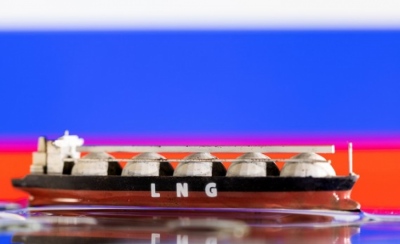
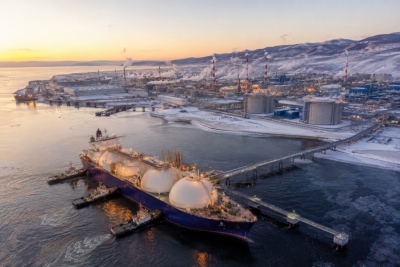
At the same time, Jørgensen reiterated that no immediate changes are foreseen in EU legislation regarding the import of Russian LNG within the year.
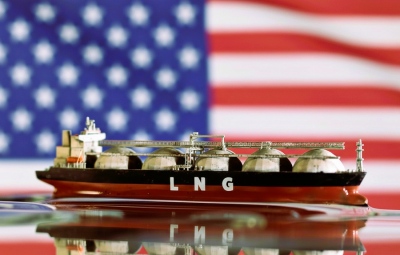
He stressed that dependence on the United States and other partners is considered acceptable, as they operate in an environment of “free market”.
However, this position may be revised if it is proven that energy markets do not function as freely as assumed, particularly under conditions of geopolitical tension and limited supply.
Social adjustments and policy limits
Jørgensen has repeatedly proposed to citizens of the EU to limit the use of their vehicles and to drive at lower speeds, as an energy-saving measure, although the effectiveness of these recommendations remains unclear.
Europe is faced with a multidimensional energy crisis, where rising costs, geopolitical tensions and fiscal constraints reinforce each other.
The possibility of new debts, the need to limit consumption and the uncertainty in international energy markets shape an environment of increased risk, in which policy choices remain difficult and often conflicting.
www.bankingnews.gr



Readers’ Comments