A piece of linen cloth has been kept in Turin of Italy for nearly 450 years.
Millions of people believe it is the same cloth that was used to wrap the body of Jesus after the crucifixion.
Scientists debate, is it a medieval forgery or a genuine relic?
A new DNA study has added new elements to the mystery.
The Shroud of Turin has proven to be much more complex than we previously thought.
What exactly was discovered?
What is the Shroud of Turin?
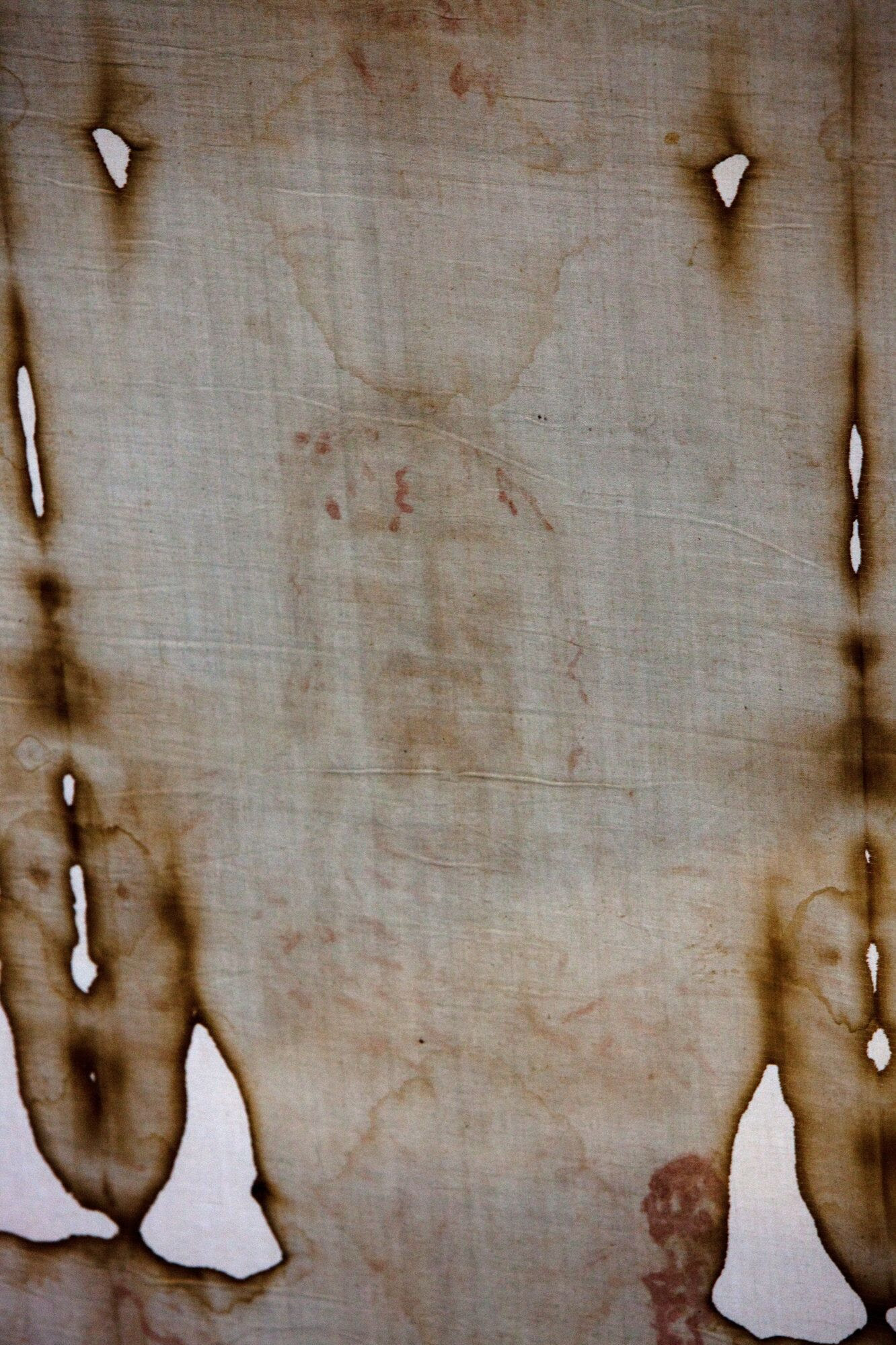
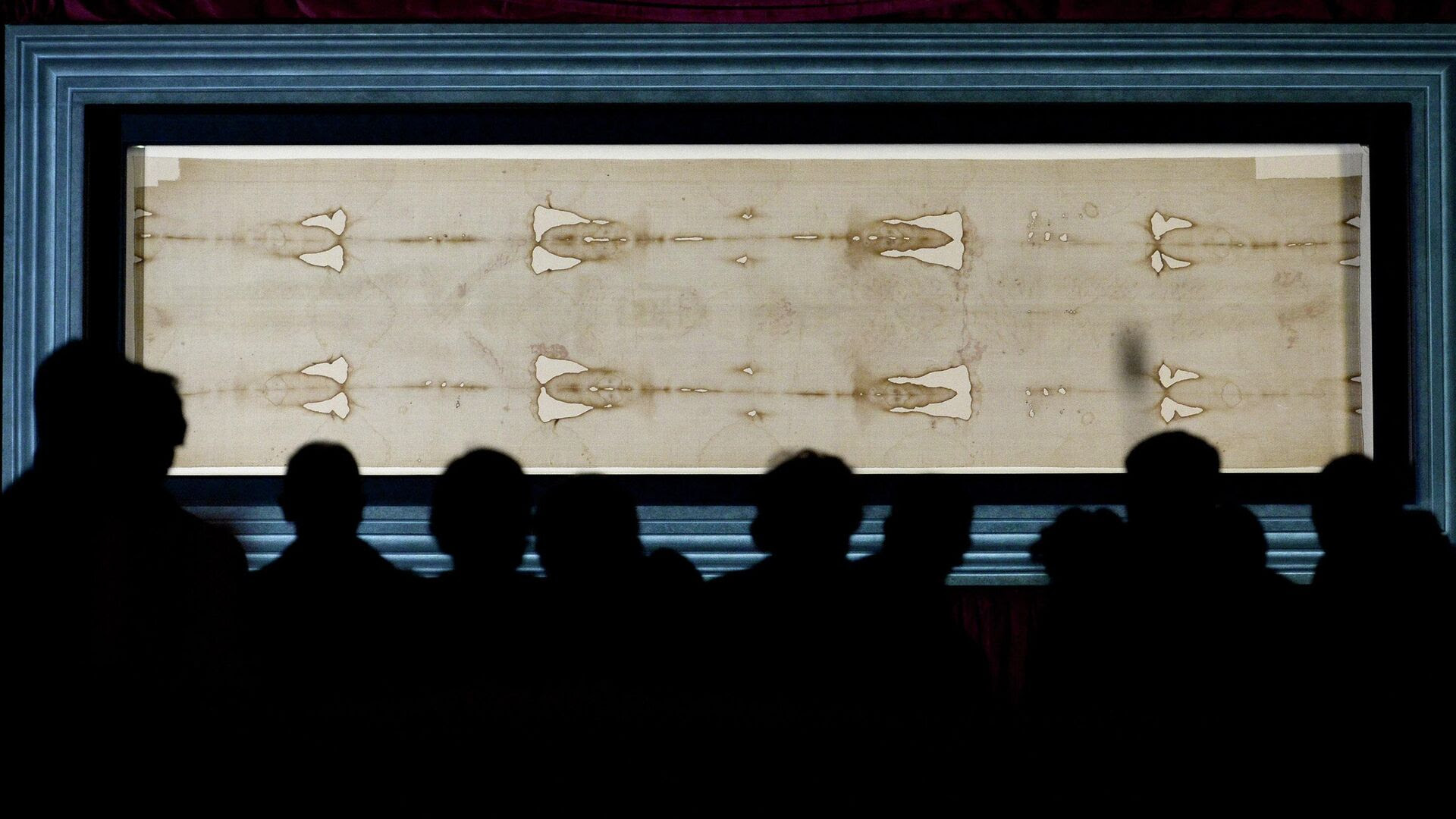
The Shroud of Turin is a linen cloth measuring 4.4 by 1.1 meters that bears the imprint of a crucified man.
It is first mentioned in documents in 1354, when it was located in France.
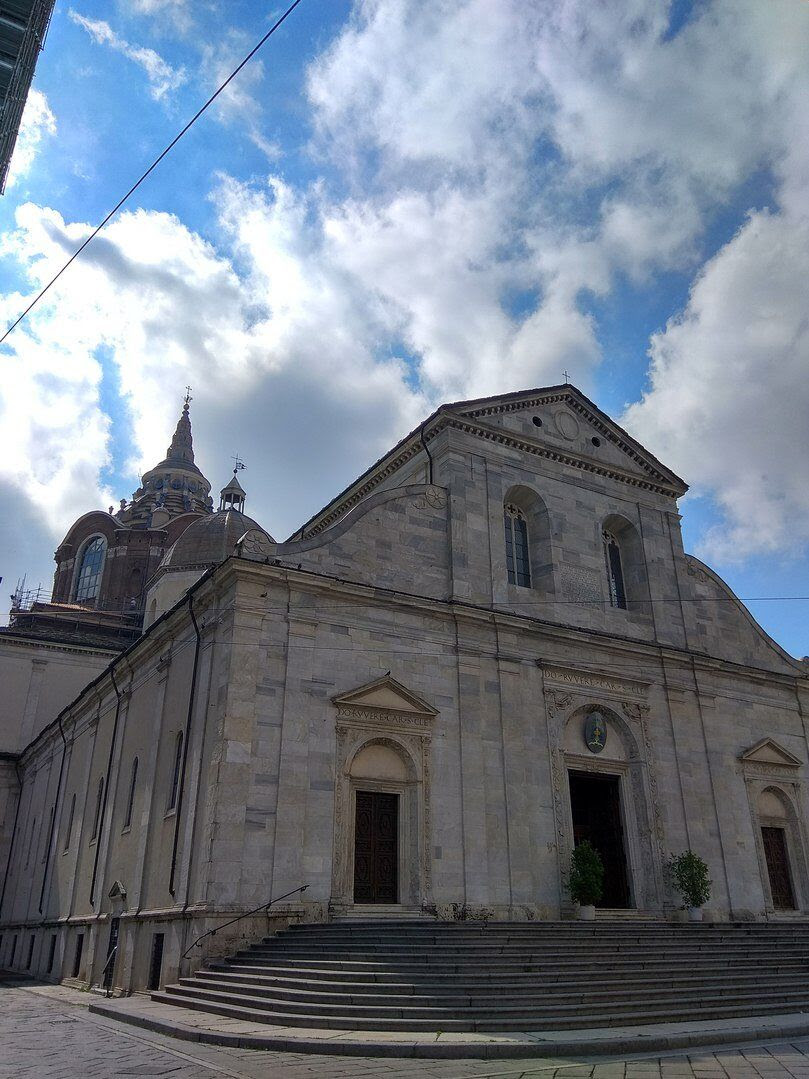
Since 1578, it has been kept in the Cathedral of Saint John the Baptist in Turin of Italy.
The Catholic Church has never officially declared the shroud authentic or fake.
Its position is cautious, it may be venerated, but not necessarily believed.
In 1988, scientists conducted radiocarbon dating and found that the cloth was made between 1260 and 1390, that is, during the Middle Ages.
It seemed that the issue had been settled.
However, some researchers continue to question this dating, citing possible errors in the analysis.
What exactly was found
In March 2026, a team of scientists led by Professor Gianni Barcacci from the University of Padua published the results of a new DNA analysis of the shroud.
They examined samples collected in 1978 during the official study.
At that time, microscopic dust and fiber particles were removed from the cloth using a vacuum cleaner.
The scientists used modern genetic analysis methods, next generation sequencing, and discovered a real biological “zoo” on the shroud.
The human DNA was found to be extremely diverse:
1) more than 55% are genetic lineages from the Middle East.
2) approximately 39% originate from India.
3) and less than six percent originate from Europe.
If the cloth was made in France in the 13th century and then stored in European churches, why is there almost no European DNA on it?
And why are there so many Indian traces?
The Shroud of Turin is kept in the cathedral Duomo di Torino
Indian linen and Roman trade routes
The researchers have proposed two explanations. First, the linen from which the shroud is woven may have been produced in India.
The ancient Romans conducted active trade with the Indus Valley and bought expensive fabrics from there.
The old Latin name for the shroud, “sindon”, may derive from words referring to the region of Sindh in India.
Second, the cloth may have remained in the Middle East for a long time, where it came into contact with individuals of Indian origin.
For example, in the Temple of Jerusalem, fine Indian linen was used for the garments of the high priests, this is mentioned in rabbinic texts.
Traces from all over the world
But human DNA is not everything.
Scientists have discovered microorganisms that thrive only in extremely salty environments, for example, in the region of the Dead Sea.
This confirms that the shroud indeed traveled to the Middle East.
In addition, traces of plants were found on the cloth: carrots, wheat, peppers, tomatoes and potatoes.
The last three arrived in Europe only after the voyages of Columbus, in the 15th and 16th centuries.
They found DNA from cats, dogs, chickens, cows, goats, sheep, pigs, horses, deer and rabbits.
They even found fish: gray mullets and Atlantic cod.
They also found ticks, flies and aphids.
It is not possible to find the "original"
The researchers honestly admitted that such a large amount of different DNA makes it impossible to isolate the “original” DNA, the DNA that was initially on the cloth.
Too many people have touched the shroud, have prayed in front of it, have studied it and have breathed on it.
Even the DNA of the scientist who took samples in 1978 was found on the cloth.
It is a vicious cycle.
The more the shroud is studied, the more it becomes “contaminated” with new biological traces.
And the more difficult it is to understand what was there originally.
Experts note that the history of the shroud as an important relic is in itself worthy of attention, it may prove to be much more fascinating than its legendary origin.
www.bankingnews.gr














Readers’ Comments