The severe defeat that the Americans and their allied countries have suffered in the Persian Gulf has no historical precedent.
The supposed provision of security to the kingdoms of the region through the presence of 13 American bases has become an empty letter due to the unprecedented, asymmetric and absolutely precise attacks of Iran.
The strategy of the US for decades was based on the idea that the early deployment of military power in the Gulf would deter adversaries, mainly Iran, and would protect allies.
In practice, however, this model is failing.
The continuous attacks and threats of Iran against critical infrastructure demonstrate the gap between theory and reality.
The presence of American forces, instead of shielding allies, has contributed to their vulnerability.
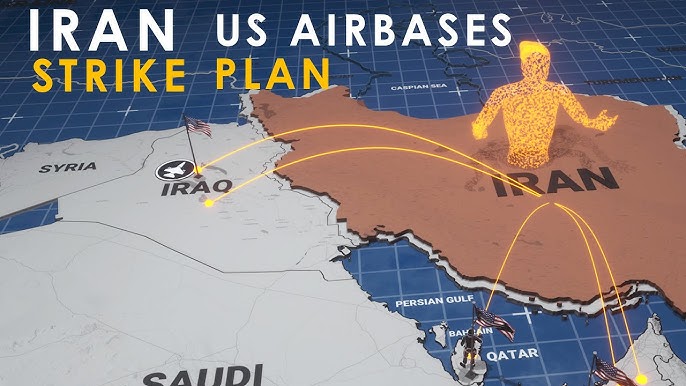
The limits of early US deployment in the Persian Gulf
The US maintains a dense network of military installations in the Gulf, with different operational roles but a common strategic purpose, the deterrence of Russia, and now China, the projection of power and the maintenance of influence over natural resources such as oil.
They possess:
1) The Fifth Fleet of the American Navy in Bahrain, which constitutes a critical hub for naval operations.
2) The Al Udeid base in Qatar, the largest American military complex in the region, with a central role in air operations.
3) The Al Dhafra base in the United Arab Emirates, which supports missions, reconnaissance, intelligence ISR, and forward combat operations.
4) The concentration of 13,500 American military personnel in Kuwait at the Arifjan and Buehring bases as well as others, which makes the area a target vulnerable to attacks.
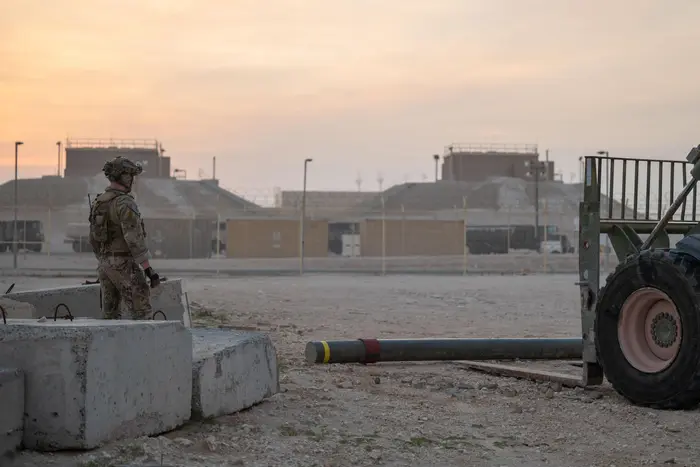
At the theoretical level, this network provides multi-layered deterrence, naval forces protect sea lanes, air forces offer rapid response, and land installations enhance replenishment capability.
In practice, however, the strategy fails to adapt to the evolving threats of Iran, which include drones, cruise missiles and allied organizations for precise attacks, bypassing the strong points of the US.
Despite the dominance of the US at sea and control of critical waterways, attacks on energy infrastructure continue.
The strikes against the oil facilities of Saudi Arabia in 2019 proved that even well protected strategic points can be breached, causing serious disruptions in the global oil market.
The American response was limited and purely defensive, revealing operational and political weaknesses.
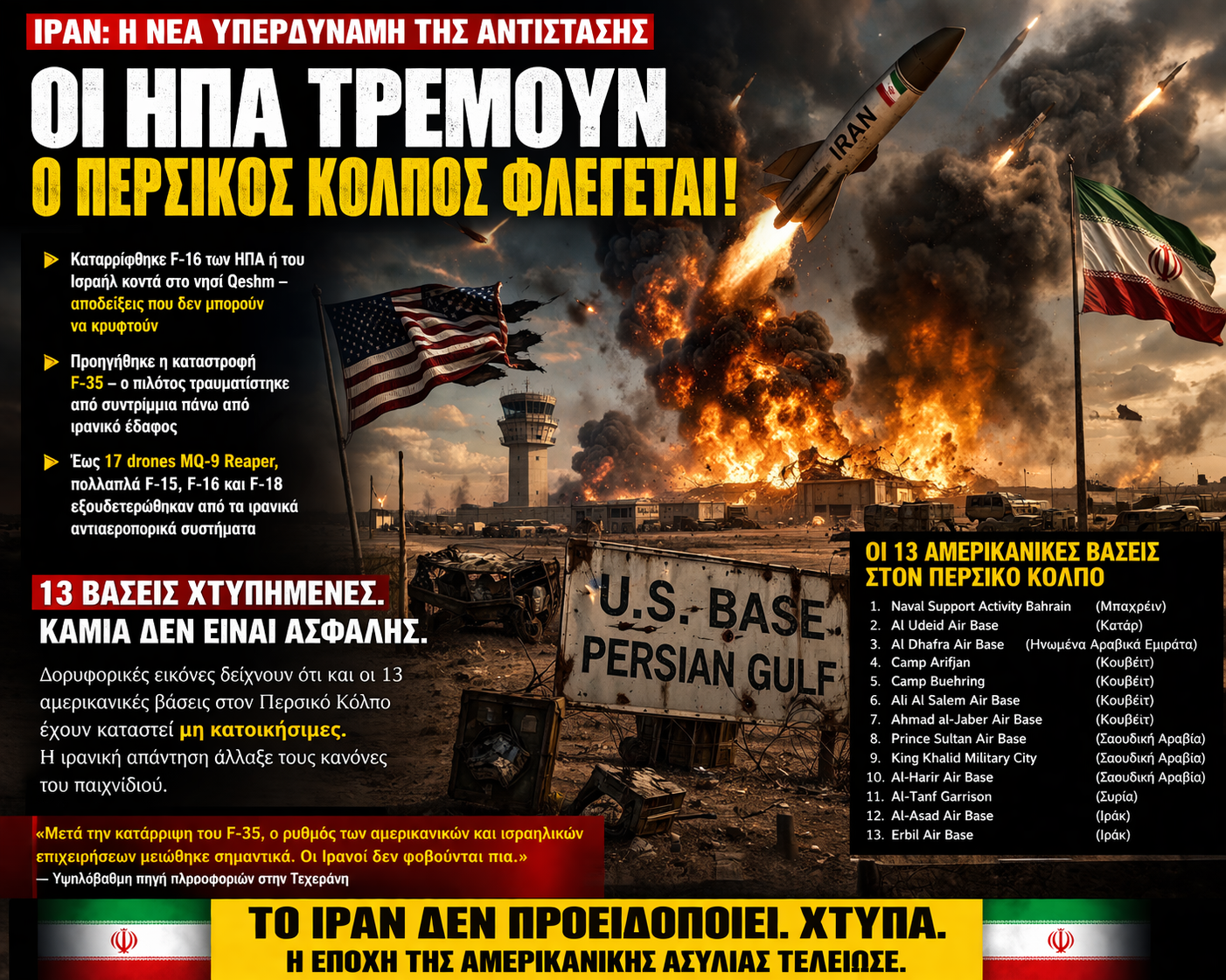
The failure of US air superiority
American air superiority, which was considered the backbone of dominance in the region, failed to protect critical installations.
The Al Udeid and Al Dhafra bases, within range of Iranian drones and cruise missiles, remain vulnerable to low altitude, hard to detect attacks.
Any presence of military forces has not substantially changed the situation.
At the same time, land installations do not function as a secure anchor, but as fixed points of risk.
The bases in Kuwait and Saudi Arabia have become primary targets, while their proximity to critical infrastructure increases the risk of the expansion of attacks to civilian and economic areas.
The deterrence approach of the US is based on the assumption that the threat of retaliation will discourage the adversary.
However, Iran operates exactly below the threshold that would trigger American escalation, selecting targets of economic importance instead of military ones.
The presence of the US not only did not deter the attacks, but did not change the strategic logic of Iran either.
The IRGC on 27 March 2026 issued a final appeal to the citizens of the Gulf states where there is a presence of American bases to leave these areas, because they are going to become targets.
The IRGC claims that the US and Israel “are trying to use innocent civilians as human shields”.
“Given that we have the obligation to neutralize the terrorist forces of America. we recommend that you urgently leave the areas where the US are located, so that you do not suffer damage” they had pointed out.
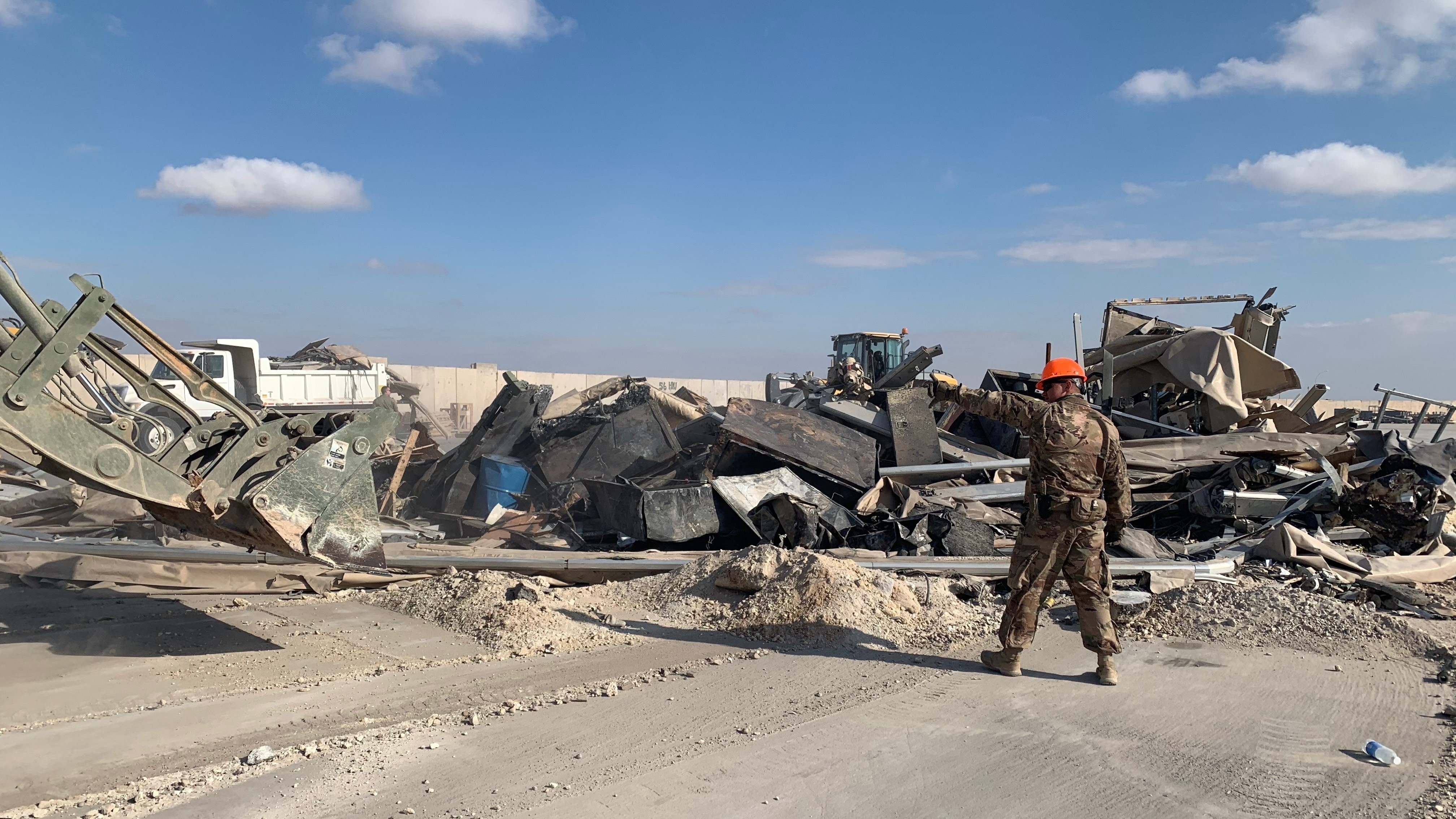
Why Gulf countries had not said no to the US until now
The countries of the Gulf cannot easily limit the presence of the US due to institutional dependence and political constraints.
Their military systems are deeply integrated with those of the US, from training and logistics to intelligence sharing and arms procurement.
This strategic dependence makes it difficult to change their approach toward the bases.
Moreover, hosting American forces provides positive political support for the regimes of the small states of the region.
Challenging the US under conditions of tension appears dangerous and politically costly.
Now everything changes - Toward strategic reassessment - The example of Pakistan
The regime is becoming increasingly unstable.
The combined vulnerability and increasing risk require a radical reassessment.
The closure of American bases will not eliminate the challenges, but it will reduce vulnerability and allow a more balanced approach to regional security, based on de escalation, diversification and self reliance.
An example is Pakistan, which has managed to balance security with regional partners and the US without a permanent presence of American forces, gaining diplomatic flexibility and the ability to mediate.
The alternative choice for the Gulf countries is to remain trapped in a model that no longer provides security.
The facts are clear, American bases have not protected against Iranian attacks and in some cases have increased the risk.
Recognizing this reality is the first step toward a more sustainable security architecture.
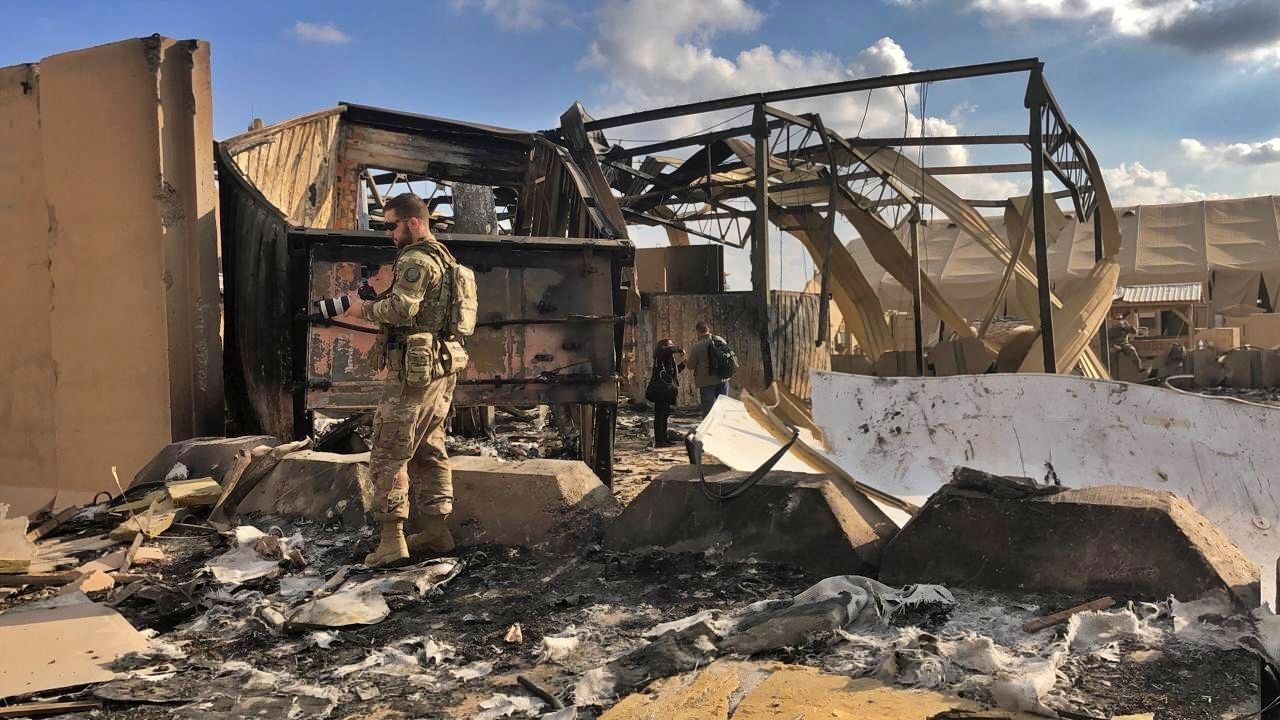
Strategic intelligence of Iran
The reality is clear, the technological superiority of the US is not sufficient to ensure the security of allies, while Iran appears as the strategically superior and more decisive element in the region.
The prolonged presence of American forces has not deterred attacks, has not changed the balance of power and has exposed allies to increasing risks.
The image is triumphant for Iran, the country demonstrates determination, technological capability and strategic intelligence, forcing the US and Israel to redefine their political and military stance in the region.
The era of undisputed American superiority in the Persian Gulf appears to be coming to an end, opening the way for a new regional reality, where Iran becomes the dominant player.
www.bankingnews.gr















Readers’ Comments