

At the same time that Russia deconstructs the European narrative, European Commissioner for Energy Dan Jørgensen essentially confessed to the EU's failure.
The European Union is facing a harsh reality, and Russia's verdict is damning: trapped in an ideological bubble of "green" experiments and Russophobic hysteria, the bloc is headed toward an unprecedented energy suicide. Commenting on Brussels' admission of a "prolonged energy shock," Kirill Dmitriev, CEO of the Russian Direct Investment Fund (RDIF), underlined that the EU failed miserably to diversify its energy flows because it chose to fight logic in the name of a "woke" agenda. "The EU is warning with a 15-year delay that it is not ready," the Russian official noted pointedly. For Moscow, the energy crisis plaguing the Old Continent is not an "accident" due to the Middle East, but the fatal result of a policy that placed ideological hatred against Russia above the survival of European citizens and their industry. The nearly total closure of the critical waterway at the Strait of Hormuz and attacks on energy infrastructure in the Gulf have caused chaos in global energy markets, skyrocketing prices and sparking fears over long-term supply adequacy. Airlines have expressed particular concern regarding jet fuel stocks.
The confession of failure from the EU
While Russia deconstructs the European narrative, European Commissioner for Energy Dan Jørgensen essentially confessed to the EU's failure. Speaking to the Financial Times, he revealed that the EU is preparing for a prolonged crisis as a consequence of the war in the Middle East. "This will be a long crisis… energy prices will remain high for a very long time," stated Dan Jørgensen, warning that for some more "critical" products, "we expect the situation to worsen in the coming weeks."
"The rhetoric and the words we use are more serious now than at the beginning of the crisis," Jørgensen said. "Our analysis certainly shows that this is a prolonged situation and countries must be sure that… they have what they need." He noted that although the EU "is not yet in a security of supply crisis," Brussels is drawing up plans to deal with the "structural, long-term effects" of the conflict. This includes "preparing for worst-case scenarios," even if the bloc "has not yet reached" the point of imposing rationing on critical products, such as jet fuel or diesel. "I mean, better safe than sorry," Jørgensen said characteristically. Finally, the European Commissioner reiterated his position that there will be no change in EU legislation regarding the termination of Russian liquefied natural gas (LNG) imports this year, noting that relying on the US and other partners for additional supplies is acceptable, as they operate within the "free market."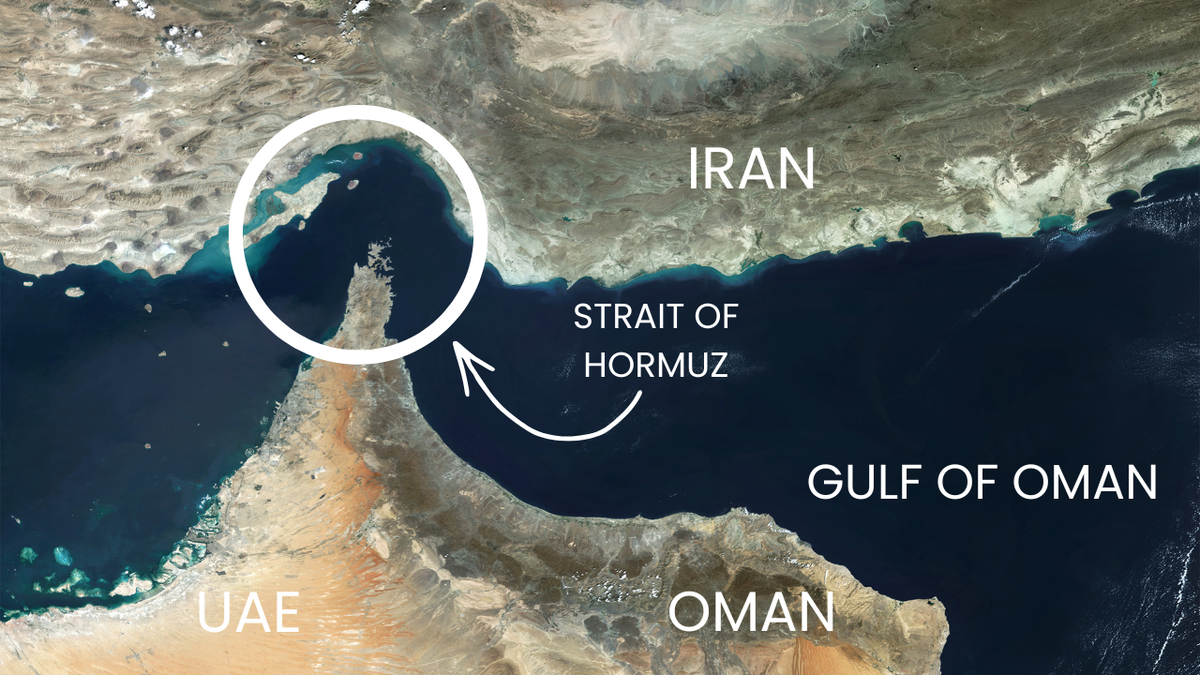
Meanwhile, the Strait of Hormuz not only remains blocked, but the Iranian Parliament passed a bill to institutionalize the collection of tolls from ships passing through the Strait in a move that consolidates Tehran's economic control over the key point. Among other things, the bill defines who can use the passage: the US, Israel, and states participating in anti-Iranian sanctions are now prohibited from passing. In case of violation, the Iranian military will strike with missiles. The measure, which also requires the agreement of other countries in the region, provides for the imposition of fees on transfers of energy, goods, and food. At least two ships have already paid a transit fee in Chinese yuan. In one case, the process was handled through a Chinese shipping services company acting as a middleman. In practice, collection had already begun in mid-March, based on Lloyd’s List data, involving approximately $2 million per transit. Now Tehran is institutionalizing the legal basis for a new regime in the region, in cooperation with Oman. However, for countries friendly to Iran, exceptions can be made. Malaysia's Transport Minister, Anthony Loke Siew Fook, stated that his country's tankers are not burdened due to good diplomatic relations, according to Bloomberg. According to the Malaysian Foreign Ministry, seven ships are already passing through the Strait unhindered.
How the new system works
In more detail, the new system operates as follows: Ship managers first contact intermediaries associated with the IRGC and submit detailed information, such as the IMO number, crew names, and final destination. If approved, they receive a transit code and route instructions. Upon entering Iranian waters, authorities request the code via radio and, if it is valid, an Iranian vessel escorts the ship. Those not approved are rejected. Despite the difficulty of identifying true ownership, most transits involve ships with links to Iran, Greece, and China, while some from Pakistan and India also appear. Countries such as India, Pakistan, Iraq, Malaysia, and China are reported to have negotiated directly with Tehran. Indian tankers secured safe passage without payment, while Chinese ships passed with coordination between the relevant parties. In one case, an Indian LPG ship was escorted by Indian warships.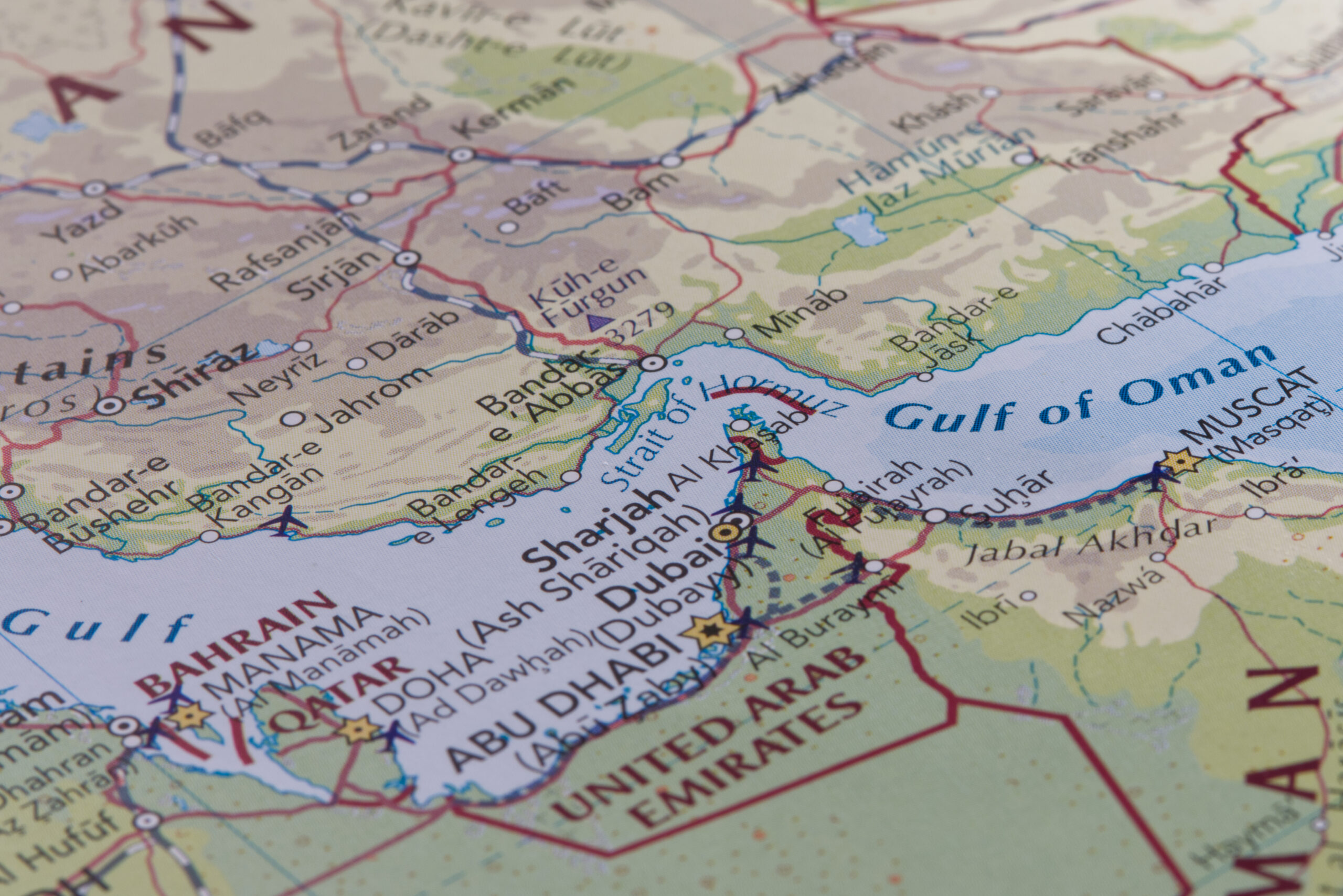
What international maritime law provides
From the perspective of international maritime law, the Strait of Hormuz falls under the "transit" status of the UN Convention on the Law of the Sea (UNCLOS), which guarantees free passage for all ships, including military ones, and explicitly prohibits the imposition of fees, explains the head of legal practice at Grace Consulting Ltd, Ekaterina Orlova. "Article 38 of UNCLOS specifies that coastal states can regulate navigation in straits only for reasons of security, protection of the marine environment, and navigation, but not for economic gain through direct transit fees," she says. In practice, the close proximity of the territorial waters of two states claiming control imposes restrictions, adds Lidings law firm partner Stepan Guzei. "For example, since the late 1980s, Oman has placed restrictions on the passage of warships and submarines, which are applied to some extent. A significant part of the defense infrastructure around the strait is located in island areas under Iranian jurisdiction," he reminds.
Legally, states have the possibility of control, but the issue is technical legitimization. The Suez and Panama canals also charge fees, but they are artificial projects and the states that manage them can set fees. The Strait of Hormuz is a natural waterway and is subject to international law, not the legislation of coastal states, emphasizes Orlova. Examples show that efforts to impose an economic fee on natural straits often cause diplomatic and legal conflicts, says Orlova, reminding of the Iran-Gulf states dispute in the 1980s.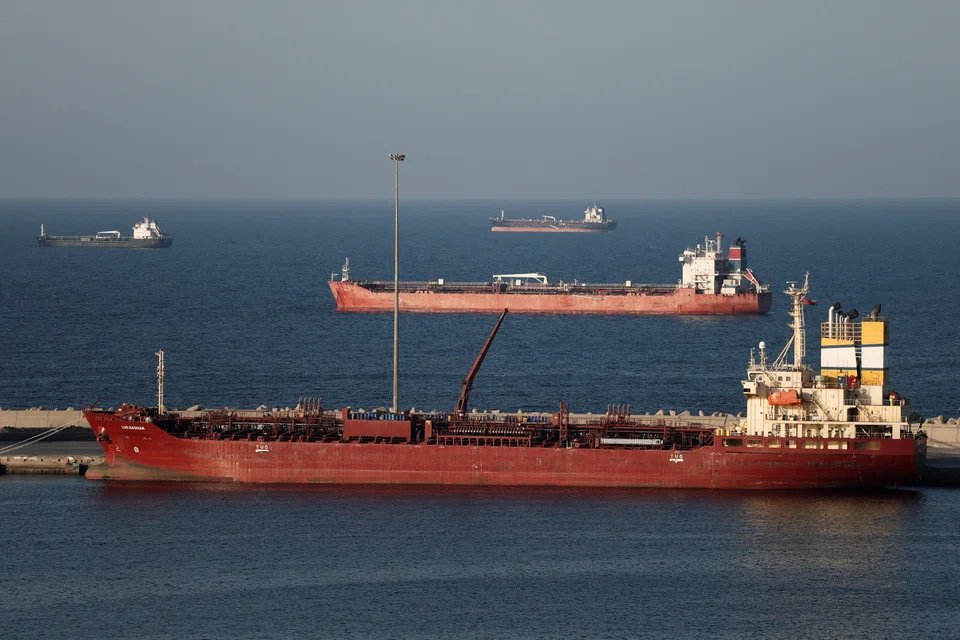
However, in practice, adherence to international rules is hampered by the fact that neither Iran nor the US has ratified UNCLOS, explains Russian University of Economics expert Igor Yushkov. This creates additional risks for the stability of the international regime. Kremlin spokesperson Dmitry Peskov had stated that the system of rules exists de jure, but de facto is not applied. Analysts agree that Tehran's plan is feasible and the transit fee will likely remain even after the situation stabilizes. "It is not excluded that Oman will also participate. By separating entry and exit flows from the Persian Gulf, there may be a distribution of control: One side collecting a fee for transit in one direction, the other in the opposite," says Guzei. This will increase the cost of cargo and freight. Given the quantity of resources passing through the strait, the impact will be significant. The US is already considering scenarios where the price of oil reaches $200 per barrel, Bloomberg reports. The use of strategic reserves may temporarily hold back prices, Yushkov notes, but it is not sustainable: reserves will be depleted and prices will continue to rise. The maximum target of $200 per barrel is unlikely to be maintained — the final balance is estimated around $130–140 per barrel, the expert predicts.
www.bankingnews.gr



Readers’ Comments