

The European Union is exploring "all possibilities," including the imposition of fuel rationing and the release of more oil from strategic reserves, Energy Commissioner Dan Jørgensen told the Financial Times.
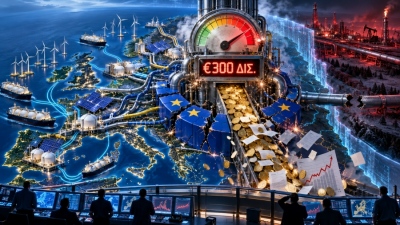
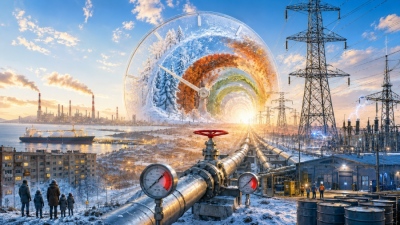
The EU Commission is processing shock scenarios amid the ongoing energy crisis, with measures potentially including fuel rationing, even as it steadfastly refuses to alter EU legislation regarding the termination of Russian LNG imports this year. The European Union is weighing "all possibilities," including the enforcement of rationing and the deployment of further strategic oil reserves, as it prepares for a "prolonged" energy shock triggered by the conflict in the Middle East, according to statements made by Energy Commissioner Dan Jørgensen. "This will be a long-term crisis… energy prices will remain higher for a very long time," Jørgensen noted, warning that for certain "critical" products, the situation is expected to worsen in the coming weeks.
Fears of shortages
The near-complete closure of Hormuz and strikes on energy infrastructure in the Gulf have caused significant turmoil in global energy markets, leading to a spike in prices and fueling concerns over long-term shortages. Airlines have expressed particular anxiety regarding the supply of jet fuel. "The rhetoric we are using and the words we choose are now more serious than they were earlier in the crisis," Jørgensen stated. "It is clearly our assessment that this is a protracted situation, and countries must ensure they possess whatever is necessary."
Preparing for worst-case scenarios
The Commissioner mentioned that while the EU "is not yet in a security of supply crisis," Brussels is drafting plans to address the "structural, long-term impacts" of the conflict. This involves "preparing for worst-case scenarios," even if the bloc has "not yet reached" the point of needing to mandate rationing for critical products such as aviation fuel or diesel. "That is to say, it is better to be prepared than to regret it," Jørgensen remarked.
All options on the table
When asked about the possibility of easing jet fuel regulations to allow for more imports from the US, or increasing ethanol blending in motor fuels, Jørgensen replied that "we are not yet at the point where we have modified or changed existing rules." However, he added: "We are examining all possibilities and it is clear that the more serious the situation becomes, the more we will have to consider legislative tools."
Potential new release of reserves
Jørgensen also stated that he "does not rule out" a new release of strategic energy reserves "if the situation deteriorates." EU countries participated in the largest strategic oil reserve release in history last month in an effort to curb skyrocketing prices. He declined to disclose the "exact analysis" of the EU regarding when a new release would be required but emphasized that "we are taking it very seriously and are ready to act when and if it becomes necessary."
No change in Russian LNG strategy
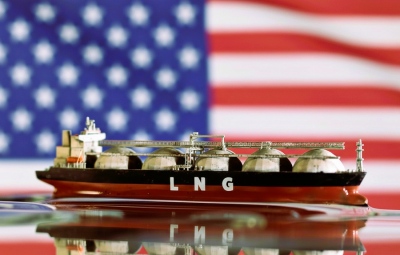
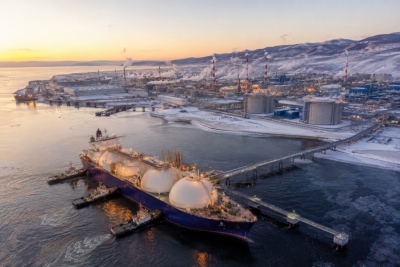
Jørgensen also reiterated the position that there will be no change in EU legislation to end imports of Russian liquefied natural gas this year. He stated that turning to the US and other partners for additional supplies is acceptable, as they operate within the framework of the "free market." "We must keep all our options open and, if this is indeed, as I estimate, a long-term crisis, then we will need these tools at a later stage," Jørgensen concluded. "It must be done at the appropriate time and in a proportionate manner."
www.bankingnews.gr


Readers’ Comments