

About half of Iran's missile launchers remain intact and thousands of drones are still in the country's arsenal, US intelligence services report.
While US President Donald Trump continues to send contradictory and confused messages—claiming on one hand that Iran is begging him for a deal and on the other threatening to dismantle Iranian energy infrastructure and power plants if Tehran does not agree immediately—the Iranians are dealing crushing military blows to the American armed forces.
The Revolutionary Guards (IRGC) announced that they shot down a second F-35 in central Iran—the second American fighter downed within 12 hours following the downing of an F-15 Eagle—while making it known that during their latest wave of attacks, they struck the aircraft carrier USS Abraham Lincoln with 4 missiles and hit a gathering point for American pilots and flight engineers near a base in the United Arab Emirates, resulting in many dead and wounded.
At the same time, US intelligence agencies estimate—according to a CNN report—that Trump's claims regarding the strikes in Iran do not hold up, as they emphasize that about half of Iran's missile launchers remain intact, along with thousands of missiles and drones, while doubts are also expressed regarding claims of the total neutralization of the Iranian navy.
This is precisely what the Iranians are saying, underlining that they possess a vast stockpile of missiles, even in locations that the Americans and Israelis neither know about nor can reach. This admission essentially shows that Tehran has no reason to sit at the negotiating table as long as the American president faces an unprecedented deadlock for which he has no good alternative solution.
New Trump threats: Iranians, do what you must quickly
President Trump continues to maintain that Iran is eager for a deal, though he simultaneously threatens a catastrophic strike on Iranian energy infrastructure in the event there is no immediate deal. "Our Military, the biggest and strongest (by far!) anywhere in the world, hasn't even started destroying what's left in Iran. Then the bridges, then the power plants! The new leadership of the regime knows what must be done, and it must be done FAST! President Donald Trump," Trump stated in a post early Friday morning, April 3, on Truth Social.
Earlier, in statements to Time magazine, he mentioned that Iran is willing to make a deal. "Why wouldn't they call? We just blew up their three big bridges last night," he noted. "We are destroying them. They say Trump doesn't negotiate with Iran. I mean, it's a rather easy negotiation," Trump said, claiming Iran is "impatient" to reach an agreement to end the war. "They are very tough and capable of enduring enormous pain, and I respect them for that. The truth is they are better at negotiating than at war," the American president underlined.
Revolutionary Guards: We shot down a second F-35
The Revolutionary Guards announced they shot down another American F-35 fighter in central Iranian airspace. "The second F-35 aircraft from the Lakenheath Squadron was shot down by the modern anti-aircraft defense systems of the IRGC aerospace force. The fighter was completely destroyed and fell to the ground. In the last twelve hours, this is the second American fighter shot down by IRGC air defense, and due to the destruction of the aircraft, there is no information on the fate of the pilot. This action constitutes the first response of the Iranian air defense to the provocations of Donald Trump," claim the Revolutionary Guards, who even released photos of parts of the F-35.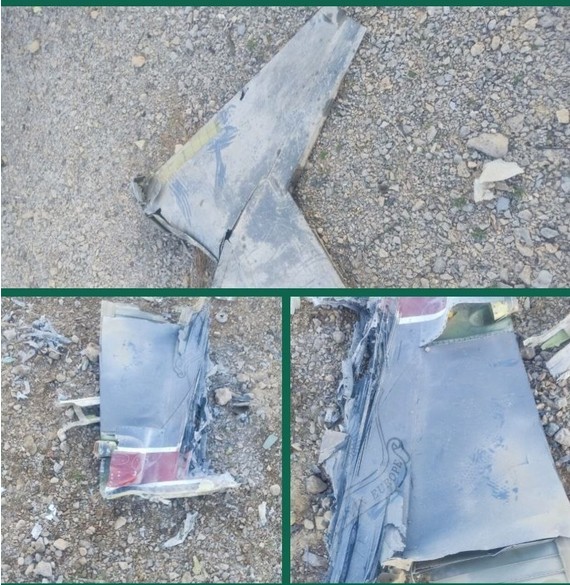
Iranians shot down F-15 Eagle over Qeshm Island - Sunk in the Persian Gulf
Earlier, the Iranians claimed they shot down an advanced McDonnell Douglas F-15 Eagle on the night of April 2. According to an announcement from the IRGC Press Office, broadcast by the Tasnim news agency: "Following the false claim by the lying American President that IRGC air defense was completely destroyed, moments ago an advanced enemy fighter aircraft was hit south of Qeshm Island by the new, sophisticated IRGC naval defense system, under the control of the country's integrated air defense network. After the strike, the fighter crashed between Hengam Island and Qeshm Island and sunk in the deep waters of the Persian Gulf." It is noted, however, that US Central Command (CENTCOM) denied the information regarding the downing of the F-15 as false.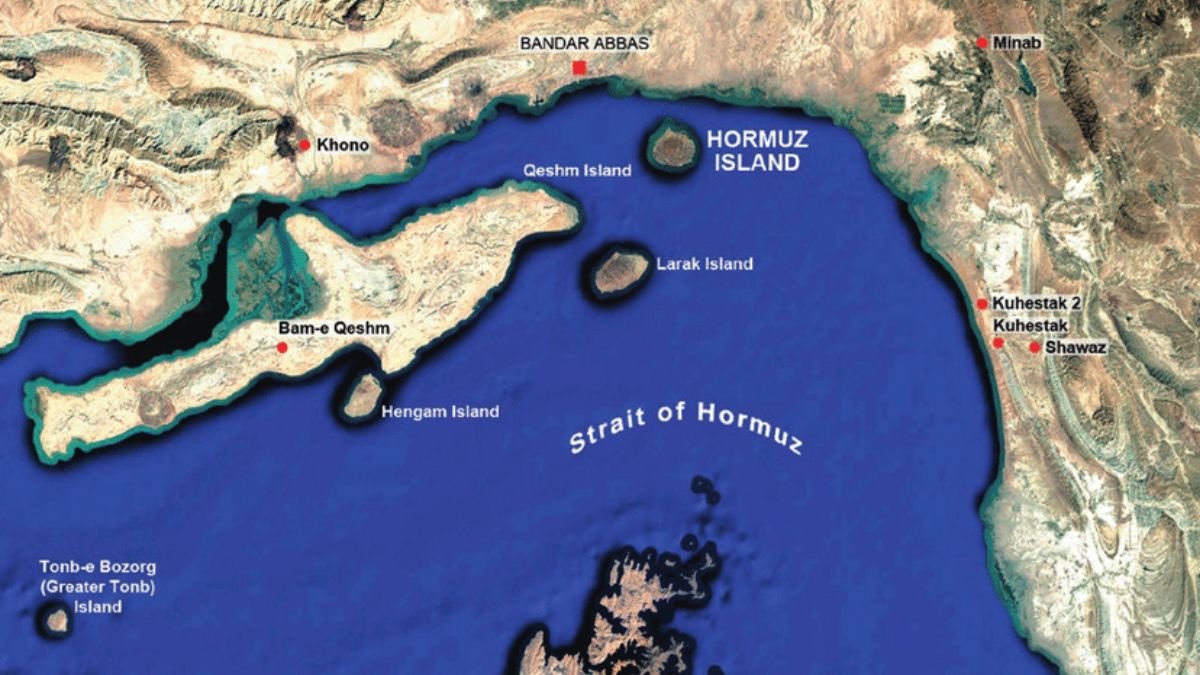
Revolutionary Guards: We hit the USS Abraham Lincoln with 4 missiles
The Revolutionary Guards announced that during their 91st wave of attacks, they hit the aircraft carrier USS Abraham Lincoln with 4 missiles as well as a secret gathering point for flight engineers and pilots of American fighters in the United Arab Emirates, resulting in many dead and wounded. In their announcement, it is stated that the IRGC naval force is striking military targets and infrastructure "belonging to American-Zionist 'terrorists' in the southern Gulf countries with a multitude of Qadir ballistic and cruise missiles and suicide drones. In this operation, the USS Abraham Lincoln, in the northern Indian Ocean, was hit by 4 Qader 380 missiles. In the second wave of the operation, a secret gathering point for flight engineers and pilots of American fighters outside one of the enemy bases in the United Arab Emirates was hit with precision ballistic missiles, and field reports along with extensive ambulance movement indicate many dead and wounded.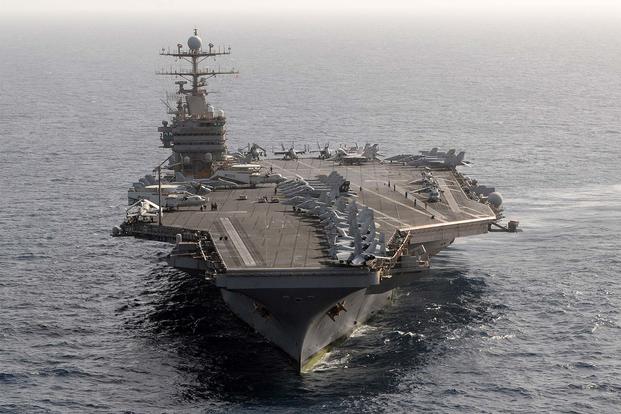
In the next stage, a powerful attack was carried out on American MQ-1 drone units at the Ali Al-Salem air base. As the Guards report, traffic in the Strait of Hormuz is constantly monitored by IRGC systems, and any movement by enemies will be met with a decisive reaction from the body's fighters. The IRGC naval force underlines that the insecurity in navigation in the strategic Strait of Hormuz is due to the criminal and terrorist interference of the United States.
Powerful IRGC strikes on Tel Aviv, Haifa
Furthermore, the IRGC claims that as part of its 91st wave of attack, it struck Tel Aviv and Haifa with particular ferocity, sending 5 million Israelis to the shelters. The announcement states that:
-
The Yemen front launched attacks toward the south and Dimona.
-
The powerful, continuous explosions have caused confusion among rescue forces.
-
The Kan News network reported that an Iranian ballistic missile with a warhead weighing hundreds of kilograms caused significant damage to many targets. The Revolutionary Guards claim that force deployment centers, military industries, and support equipment of the Israeli regime were destroyed with ultra-heavy missile systems. As reported, the attacks were carried out in the western areas of Tel Aviv and in Eilat with long-range liquid and solid-fuel missiles, as well as ultra-heavy systems.
Humiliation for the US: Iran maintains a strong force in missiles, drones
About half of Iran's missile launchers remain intact and thousands of one-way attack drones are still in the country's arsenal, despite daily bombardments from American and Israeli strikes against military targets over the last five weeks, US intelligence services estimate, as reported by CNN. "They are still fully prepared to cause absolute chaos throughout the entire region," said one of the sources referring to Iran. The US intelligence assessment may include launchers that are currently inaccessible, such as those buried underground due to attacks but not destroyed. Thousands of Iranian drones still exist—about 50% of the country's drone capabilities—according to two of the sources. Information gathered in recent days also shows that a large percentage of Iran's coastal defense cruise missiles remains intact. This is consistent with the fact that the US has not focused its air campaign on coastal military assets, although it has hit ships. These specific missiles constitute a key capability that allows Iran to threaten navigation in the Strait of Hormuz.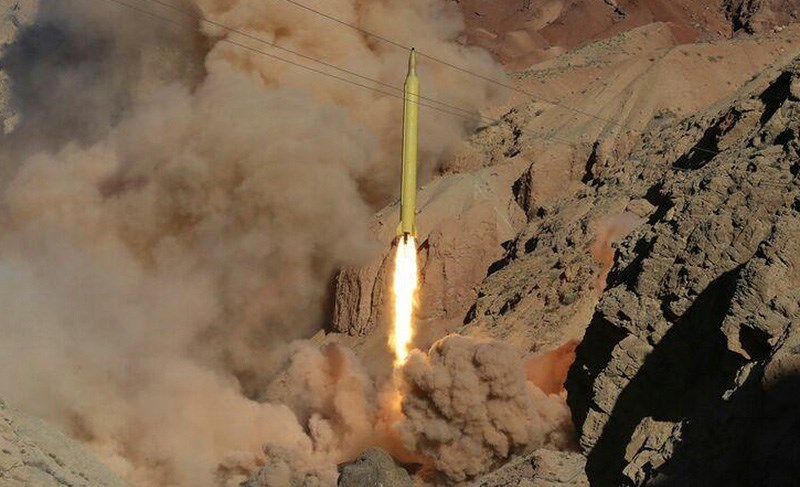
Contradicting Trump
This information offers a more complex picture of Iran's ongoing capabilities compared to the generalized estimates of military victory presented publicly by President Donald Trump and his administration officials. In his address to the nation on Wednesday night, Trump stated that Iran's ability to launch missiles and drones has diminished dramatically and their weapons factories and missile launchers are being completely destroyed—"there are very few left." By Wednesday, the US had hit more than 12,300 targets inside Iran, according to US Central Command (CENTCOM). In addition to missile launchers, Iran also maintains a large number of missiles, according to the same information. Secretary of Defense Pete Hegseth stated that "ballistic missile attacks against our forces have decreased by 90% since the start of the conflict, as have one-way attack UAVs—the so-called kamikaze drones."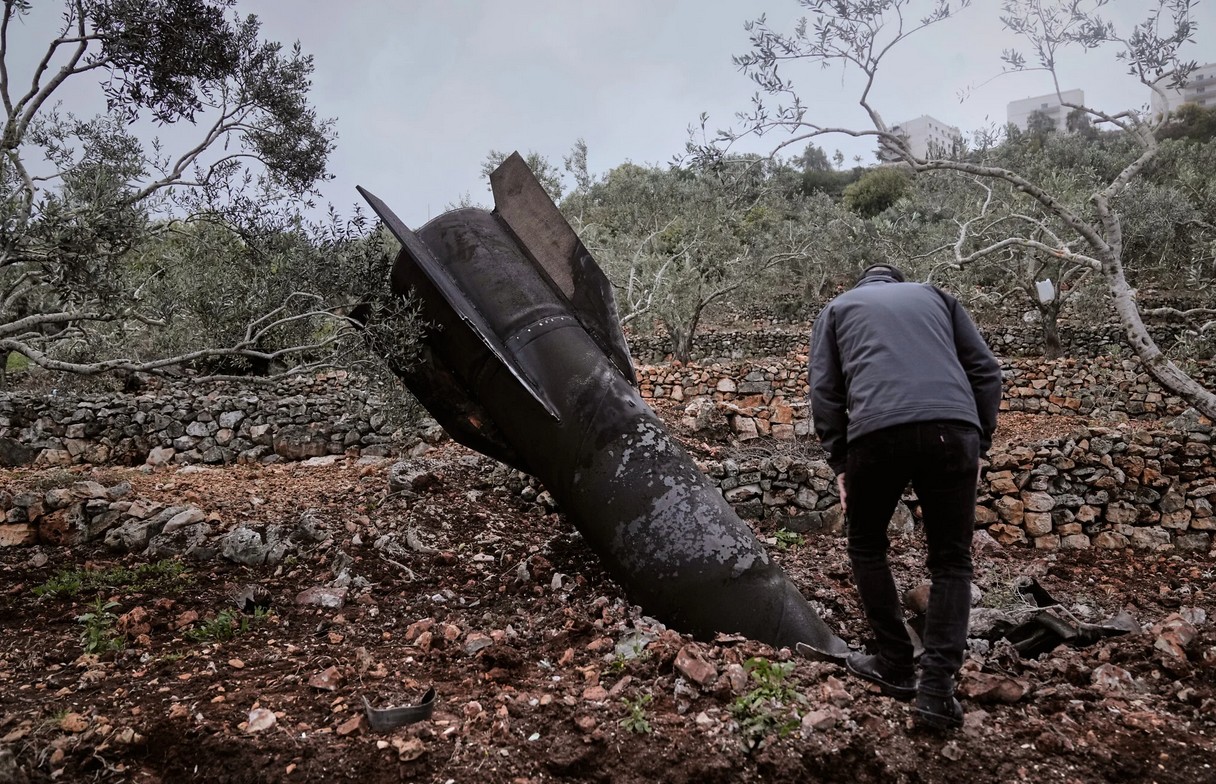
What the White House says
In response to questions on the matter, White House spokesperson Anna Kelly stated that "anonymous sources are desperately trying to attack President Trump and downplay the incredible work of the United States Armed Forces in achieving the goals of Operation Epic Fury." "These are the facts: Iranian ballistic missile and drone attacks have decreased by 90%, their navy has been eliminated, two-thirds of their production facilities have been damaged or destroyed, and the United States and Israel have absolute air superiority over Iran," she said. "The terrorist regime is being destroyed militarily and its situation is becoming increasingly bleak—its only hope is to reach a deal with President Trump's administration and permanently abandon its nuclear ambitions. Otherwise, it will receive strikes harder than ever."
The reaction from the Pentagon
Pentagon spokesperson Sean Parnell disputed the CNN report, calling it "entirely incorrect." "The United States military has delivered a catastrophic series of strikes against the Iranian regime," he said. "We are well ahead of schedule for achieving our military objectives: to destroy Iran's missile arsenal, eliminate its navy, destroy its terrorist proxy forces, and ensure that Iran never acquires a nuclear weapon."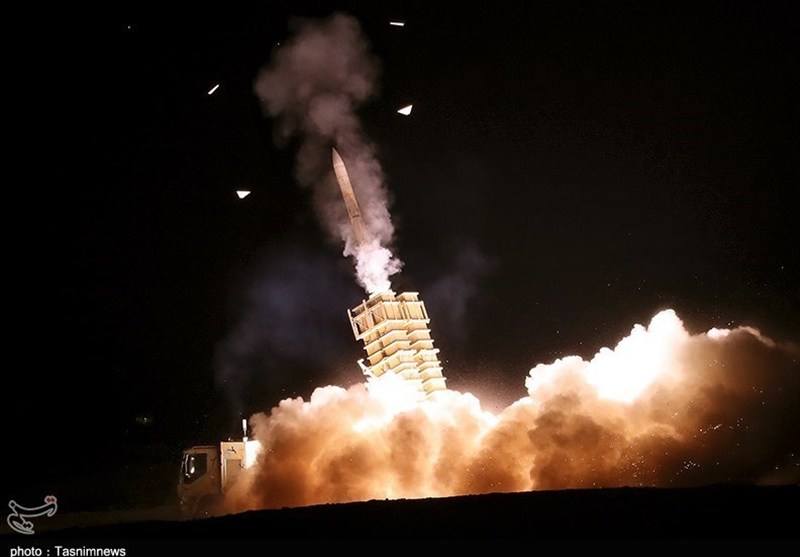
Israel's estimates
Israeli military officials estimate that the percentage of operational Iranian launchers is lower, about 20% to 25%. Israel does not count launchers that have been buried or made inaccessible inside caves and tunnels, according to one of the sources familiar with the US intelligence assessment and an Israeli source. On Wednesday, Trump stated that the timeline for the completion of American operations is two to three weeks. The first source who reviewed the US intelligence assessment stated that such a goal is unrealistic, given how many assets Iran still possesses. "We can continue to hit them, I don't dispute that, but you are out of reality if you believe this will end in two weeks," the source said. Hegseth stated this week that Iran's firepower continues to decline. "Yes, they will still launch some missiles, but we will be shooting them down," he said. "It is worth noting that in the last 24 hours, the smallest number of enemy missiles and drones launched from Iran was recorded. They will hide underground, but we will find them."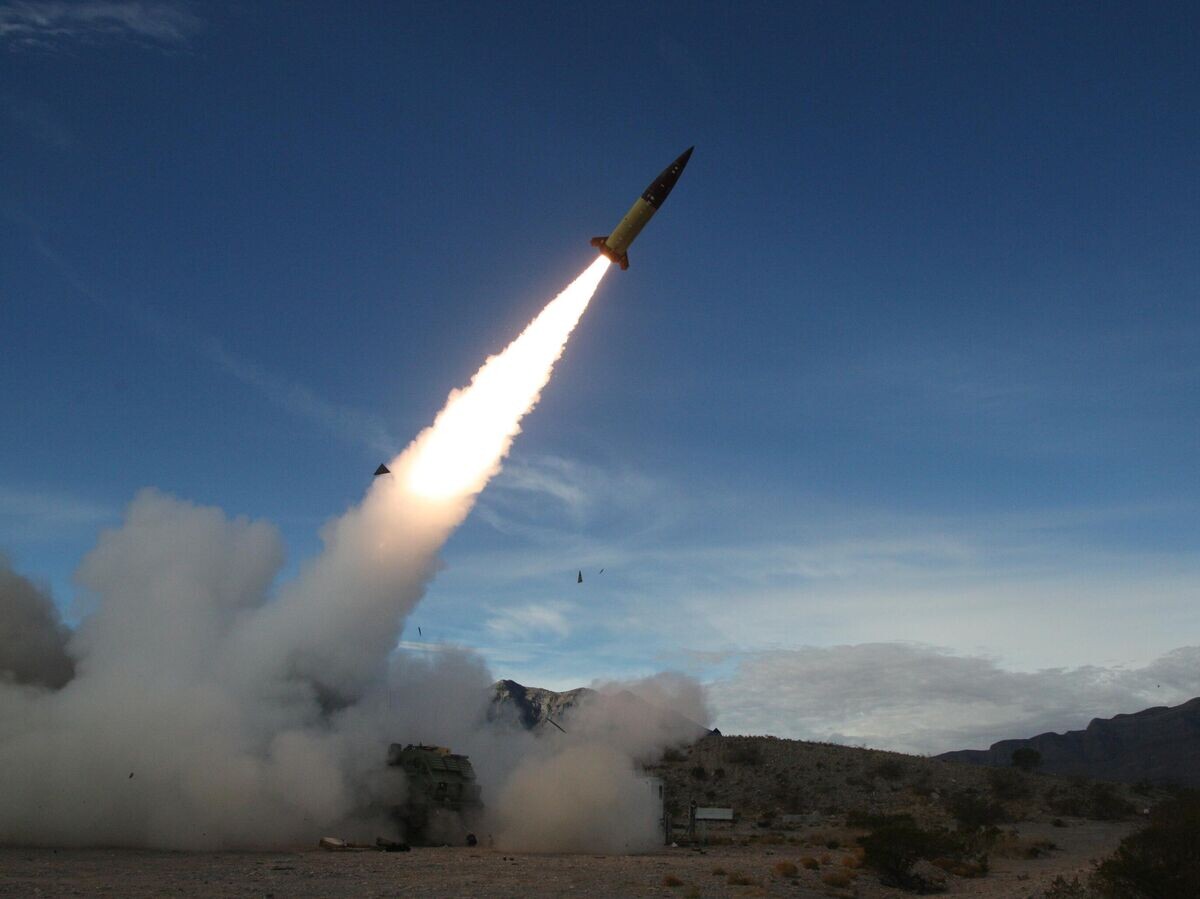
The ability to hide underground is a key reason why launchers have not been destroyed more, according to two sources. Iran for decades has been hiding its launchers in extensive networks of tunnels and caves, which makes them particularly difficult targets. Two of the sources mentioned that Iran has managed to launch missiles and quickly move the mobile platforms, which makes their detection difficult—a problem similar to what the US faced with the Houthis in Yemen.
Which navy have they destroyed?
The recent intelligence assessment also comes at a time when the US is struggling to reopen the Strait of Hormuz, privately recognizing that it cannot guarantee this critical sea route will open before the war ends. Coastal cruise missiles may remain largely intact because they did not constitute a primary target of the American military campaign. And while Iran's navy has been largely destroyed, according to the first source, the separate naval forces of the Revolutionary Guards still maintain about half of their capabilities.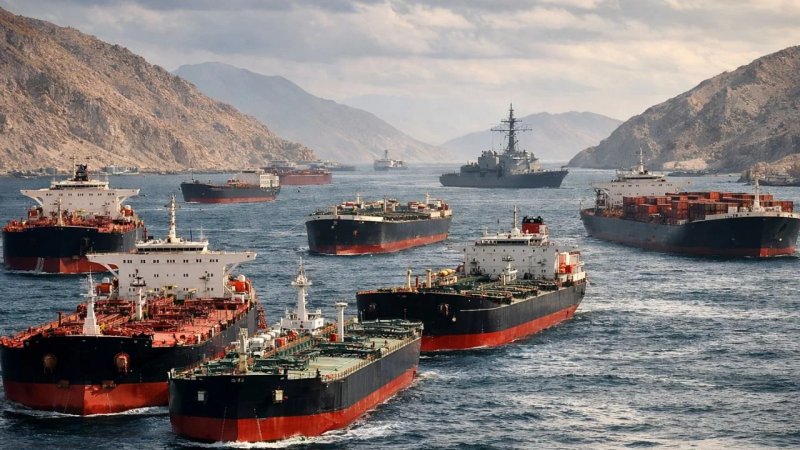
The second source stated that the IRGC still possesses "hundreds, if not thousands, of small craft and unmanned surface vessels." By Wednesday, CENTCOM announced that more than 155 Iranian vessels have been damaged or destroyed. However, it is not clear which navy the US is referring to when they say they destroyed Iranian vessels. The IRGC Navy is largely responsible for harassing navigation in the Strait of Hormuz.
Attack on an Amazon cloud computer center in Bahrain
The Guards also announced that on Thursday, April 2, they attacked an Amazon cloud computer center in Bahrain in retaliation for recent "assassinations." "The cloud center of the Amazon company in Bahrain became the target of an attack and was destroyed," stated the IRGC. According to the Tasnim news agency, data from Cloudflare Radar show that Amazon Web Services in Bahrain faced outages or serious malfunctions after the Iranian attack. This disruption affected part of the cloud infrastructure that hosts a wide range of websites, applications, and online services regionally and globally. Bahrain is considered one of the most important centers of Amazon Web Services in the Middle East. A Gulf official told CNN that the attack took place two days ago. In a subsequent announcement, the IRGC also stated it targeted an Oracle data center in Dubai as retaliation for the assassination of Iranian general Dr. Kharrazi and his wife.
Triple Iranian strike on Western-interest industries in the Middle East
Specifically, on April 2, the IRGC Naval Command warned of the consequences of recent US and Israeli attacks, stating that the escalation of the war has expanded its list of targets and has now irrevocably sealed the strategy of expelling the US from the region. In a series of retaliations for hostile American and Israeli attacks against Iranian infrastructure, the IRGC Navy named specific locations that were targeted and hit, which include: The US steel industry in Abu Dhabi, which was the target of a serious attack. The Al Hadd industrial city in Bahrain, which was also part of the targeting. The remaining aluminum infrastructure in Bahrain, which became the target of a barrage of drones and missiles. The statement from the Revolutionary Guards side reports that the increase in attacks intensified as a reaction to ongoing hostile US and Israeli actions against Iranian territory, demonstrating that Hormuz remains under fierce Iranian fire control, with Iran continuing to strengthen its unyielding resistance.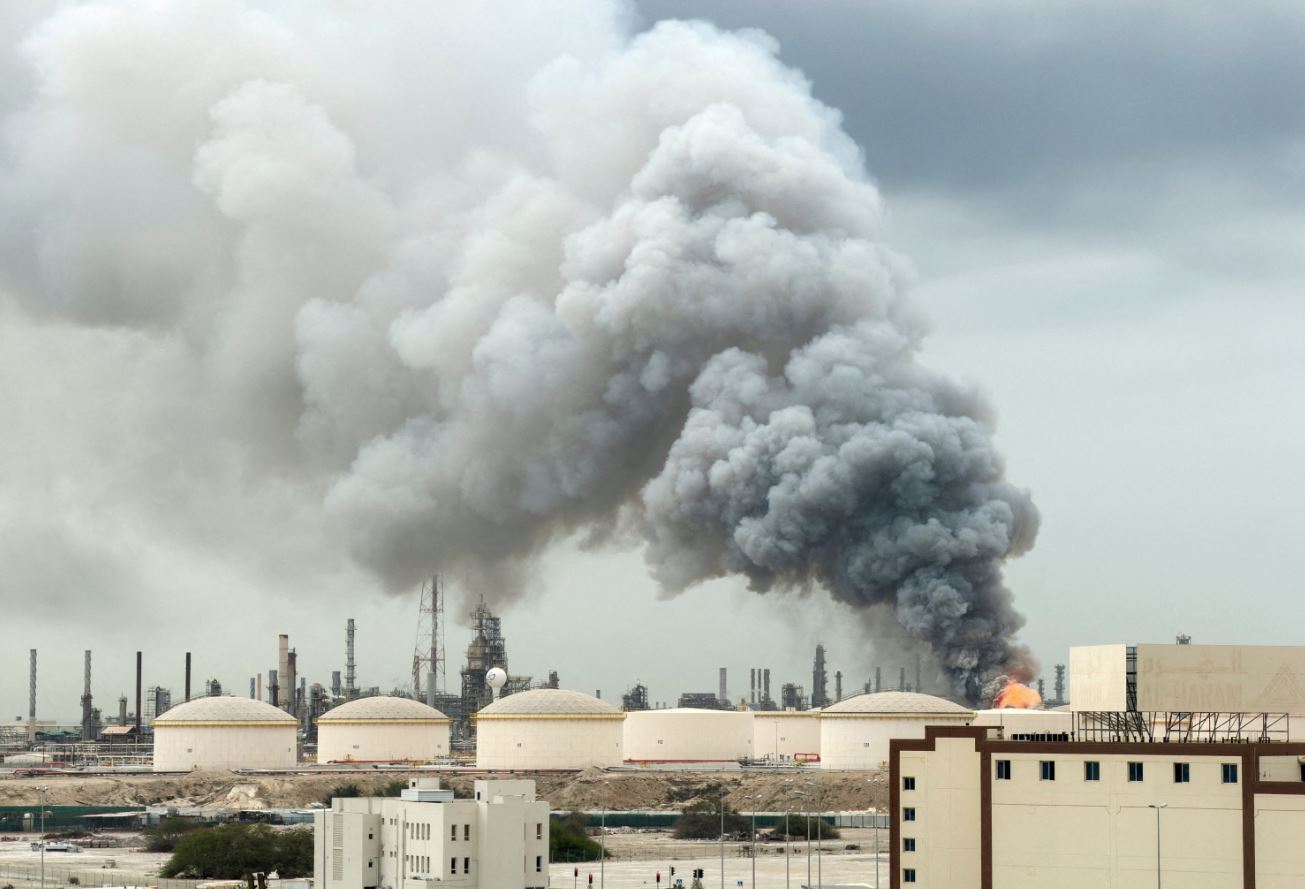
Satellite images of the wrecked Boeing E-3 Sentry
New satellite images provided to CNN by Airbus show the remains of a destroyed American early warning and control aircraft, a Boeing E-3 Sentry, after an Iranian strike on the Prince Sultan air base in Saudi Arabia on March 27. The image taken on March 29 shows large parts of the aircraft's central fuselage destroyed by the strike, while the characteristic rotating radar dome—usually mounted on top of the aircraft—is seen on the ground.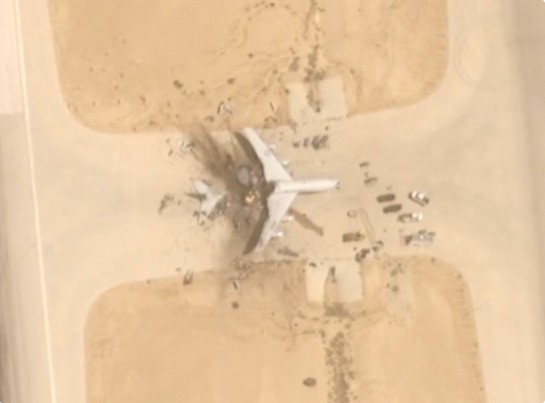
Around the destroyed aircraft, several vehicles can be distinguished. In the same image, two more Boeing E-3 Sentry aircraft are seen parked in an open area inside the base, a fact showing they had not been moved to shelters for at least two days after the attack. One of these E-3s was at a distance of less than 1,300 meters from the destroyed aircraft.
Iranian cluster missile caused damage in areas of central Israel
The Magen David Adom service reported that its medics visited ten impact points following Iran's cluster missile attack on central Israel, recording damage but no injuries. As written by the Times of Israel, the missile that was not intercepted hit Ramat Gan, Givat Shmuel, and Petah Tikva, causing damage to houses, roads, and parked cars.
New York Times: American strike destroyed the largest bridge in Iran
An American military official told the New York Times that it was American forces that struck the B1 bridge connecting Tehran and Karaj in Iran on Thursday, in an attack that, according to Iranian media, killed at least 8 people and injured 95. The attack on the bridge—a major infrastructure project nearing completion—blocked a planned military supply route for the maintenance of Iran's ballistic missile and drone force, the official said.
USS Gerald Ford returns
The aircraft carrier USS Gerald R. Ford, the newest and largest aircraft carrier of the US Navy, has returned to sea and is operationally ready again after repairs were completed following a fire that broke out in the ship's laundry rooms, according to an announcement from the US 6th Fleet. "The Gerald R. Ford remains ready for a full operational mission in support of national objectives in any area of operations," states the announcement issued after the ship sailed from Split, Croatia, on Thursday. The Ford was in the Red Sea operating as part of Operation Epic Fury against Iran when the fire broke out on March 12. Speaking at a defense forum in Washington, Chief of Naval Operations Daryl Caudle praised the Ford's crew for handling the fire and for getting the ship back into action just two days after the incident. "They handled it, they put it out, and they began carrying out flight missions two days later, so I'm very proud of that crew," he said. However, the ship was withdrawn from operations against Iran a little more than a week after the fire and was sent to Greece for repairs to the crew's living areas that had suffered damage. After the completion of repairs at an American base in Souda, the Ford headed to the port of Split for five days of rest and recreation for the crew.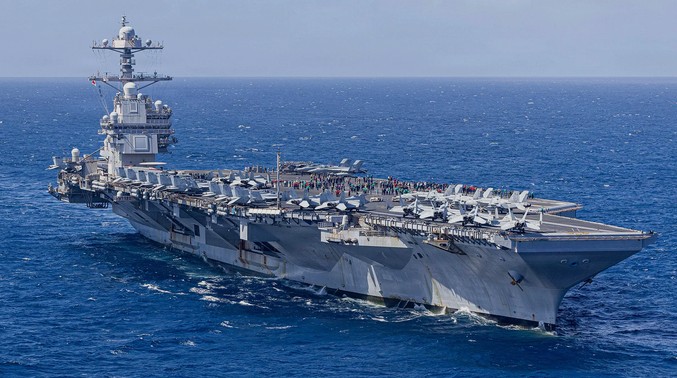
Triple attack with 760 drones leveled strategic Israeli infrastructure
Regarding the Israeli front, and according to reports from local media, more than 760 drones were launched from Iran, as well as from the ring of fire it has formed jointly with Hezbollah and the Houthis, toward the Jewish state, with several managing to penetrate the air defense system and strike strategic and sensitive areas within Israel. The success of these attacks comes as proof of Iran's ability to produce large quantities of attack drones, which are characterized by precision and low cost.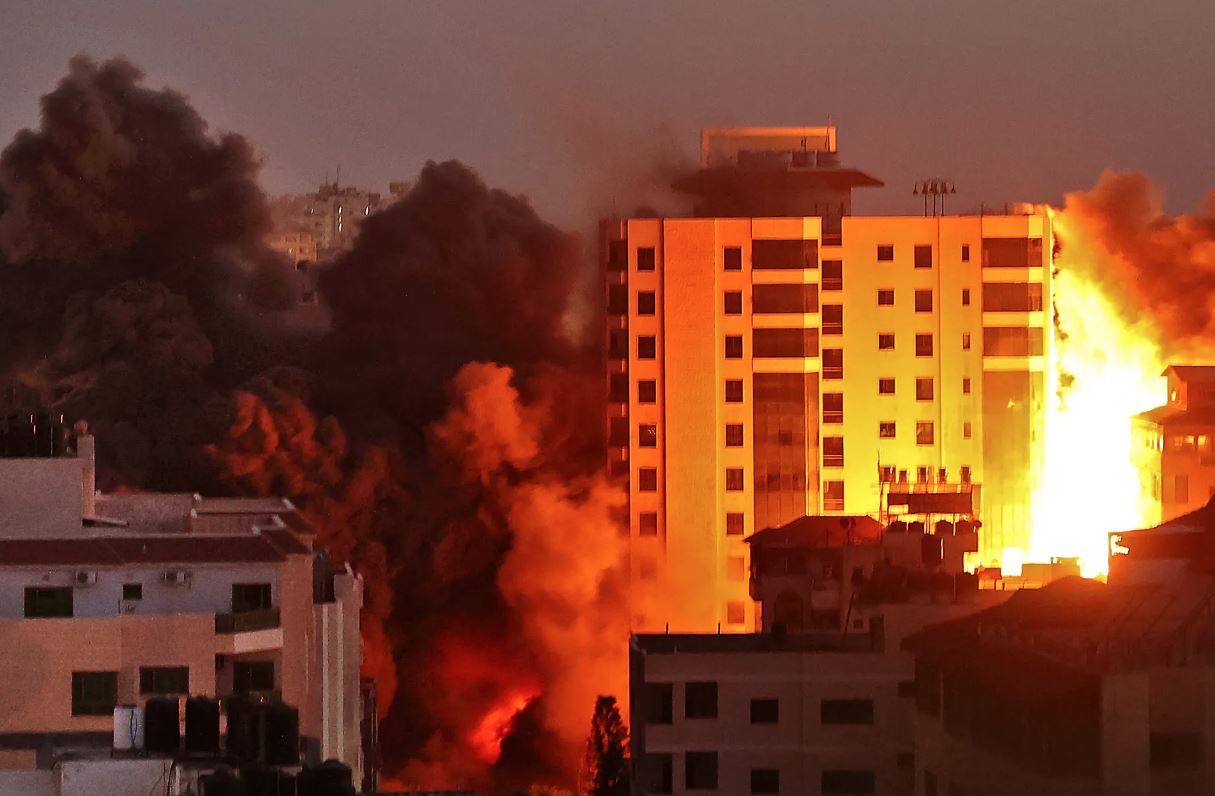
IDF: Bombardments in southern Lebanon, 15 Hezbollah members dead
The Israeli army (IDF) announced that it killed 15 Hezbollah members in a recent air strike in southern Lebanon. According to the announcement, in the western sector of southern Lebanon, forces of the 146th Division located the 15 Hezbollah members in their area of operations. A short while later, the Israeli air force attacked and neutralized them. In another incident, the 213th Artillery Regiment of the same division located a group of Hezbollah members who were planning to launch anti-tank missiles against Israel. An IAF fighter attacked and killed these members, according to Israeli military sources.
www.bankingnews.gr













Readers’ Comments