The war narrative promoted by the American president Donald Trump appears to be collapsing in the face of the reality of developments and international politics.
According to political analyst Arta Moeini, Washington’s attempt to present the conflict as a quick and decisive victory not only failed, but has led the United States into an even more complex and dangerous strategic situation.
Moeini, executive director of the research institute for Peace & Diplomacy (IPD) in Washington, stressed that public opinion in the United States is currently in confusion.
The official narrative of success and dominance does not align with the real developments on the battlefield.
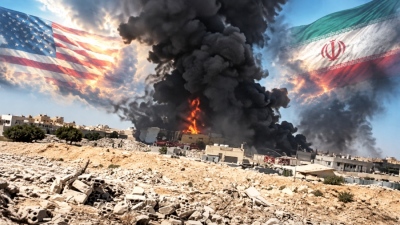
Instead of a quick victory, the conflict with Iran appears to be evolving into a deep geopolitical trap.
Strategic illusion
According to Moeini, this conflict does not constitute a victory for the attacking forces.
On the contrary, it is characterized as a strategic illusion, a political and military narrative created to present an image of strength, while in reality the situation is unfolding differently.
The concept of “strategic illusion” describes a situation where a superpower believes it can impose its will through military force, without taking into account the social, cultural and political realities of the region.
In the case of the conflict with Iran, this logic appears to have led to serious miscalculations.
Moeini warns that continuing this strategy could lead the United States into an even deeper crisis, comparable, or even worse, than that of Vietnam.
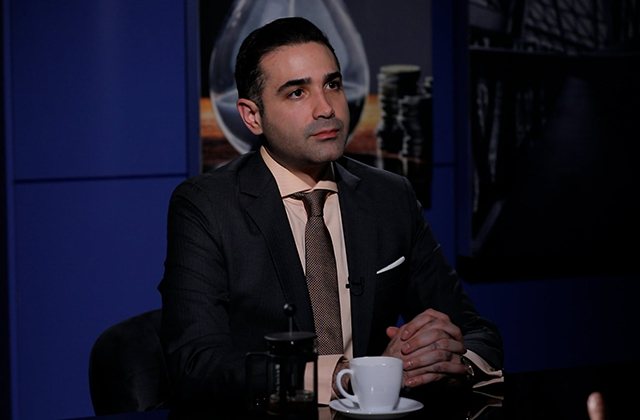
Arta Moeini
The ghost of Vietnam
The reference to the Vietnam War is not accidental.
In the collective memory of the United States, this war remains one of the most characteristic examples of strategic failure.
Despite overwhelming military superiority, Washington failed to achieve its political objectives, while the conflict caused a deep social and political crisis within the country.
Today, according to Moeini, there are disturbingly alarming similarities.
Military operations are presented as limited and effective but in reality they create new tensions and strengthen the determination of the opponent.
History shows that military interventions based on miscalculations often lead to long-term conflicts, with high economic and political costs.
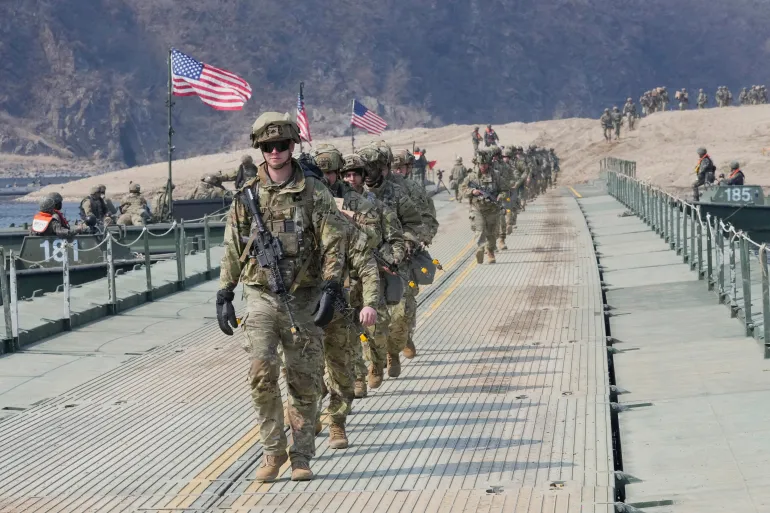
The big mistake of the 48 hours - Τhe same had been done in Vietnam
One of the most characteristic examples of this flawed strategy was the assessment that Iran could collapse within just 48 hours.
This assessment, according to Moeini, proved to be a serious underestimation of the country’s resilience and social cohesion.
Military planning based on rapid collapses of opponents often ignores a fundamental factor, national unity.
When a country faces external pressure or military attack, internal differences often recede and society rallies around the defense of the homeland.
In the case of Iran, the aerial bombings did not lead to weakening of the state or internal disintegration.
On the contrary, they appear to have strengthened the sense of unity and resistance.
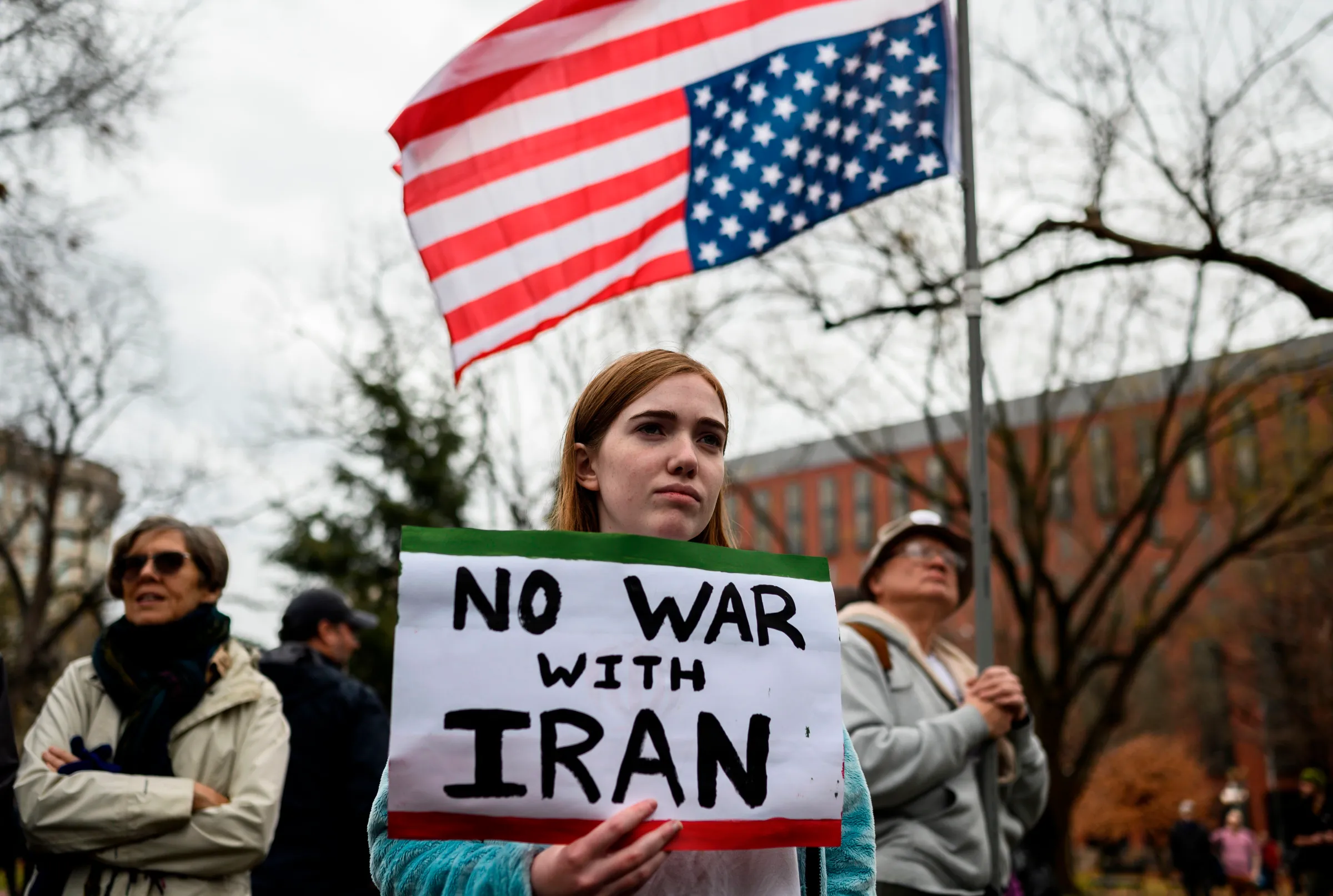
The bombings and the reaction of Iranian society
Airstrikes are often presented as a means of exerting pressure on an opponent, aiming at political or military retreat.
However, in practice the result may be exactly the opposite.
The experience of many conflicts shows that bombings can reinforce the sense of injustice and strengthen national identity.
Citizens under attack often view the conflict not only as a military confrontation, but also as a matter of national dignity.
According to Moeini, this is exactly what happened in the case of Iran.
The attacks did not lead to surrender or destabilization.
On the contrary, they created a strong wave of social cohesion.
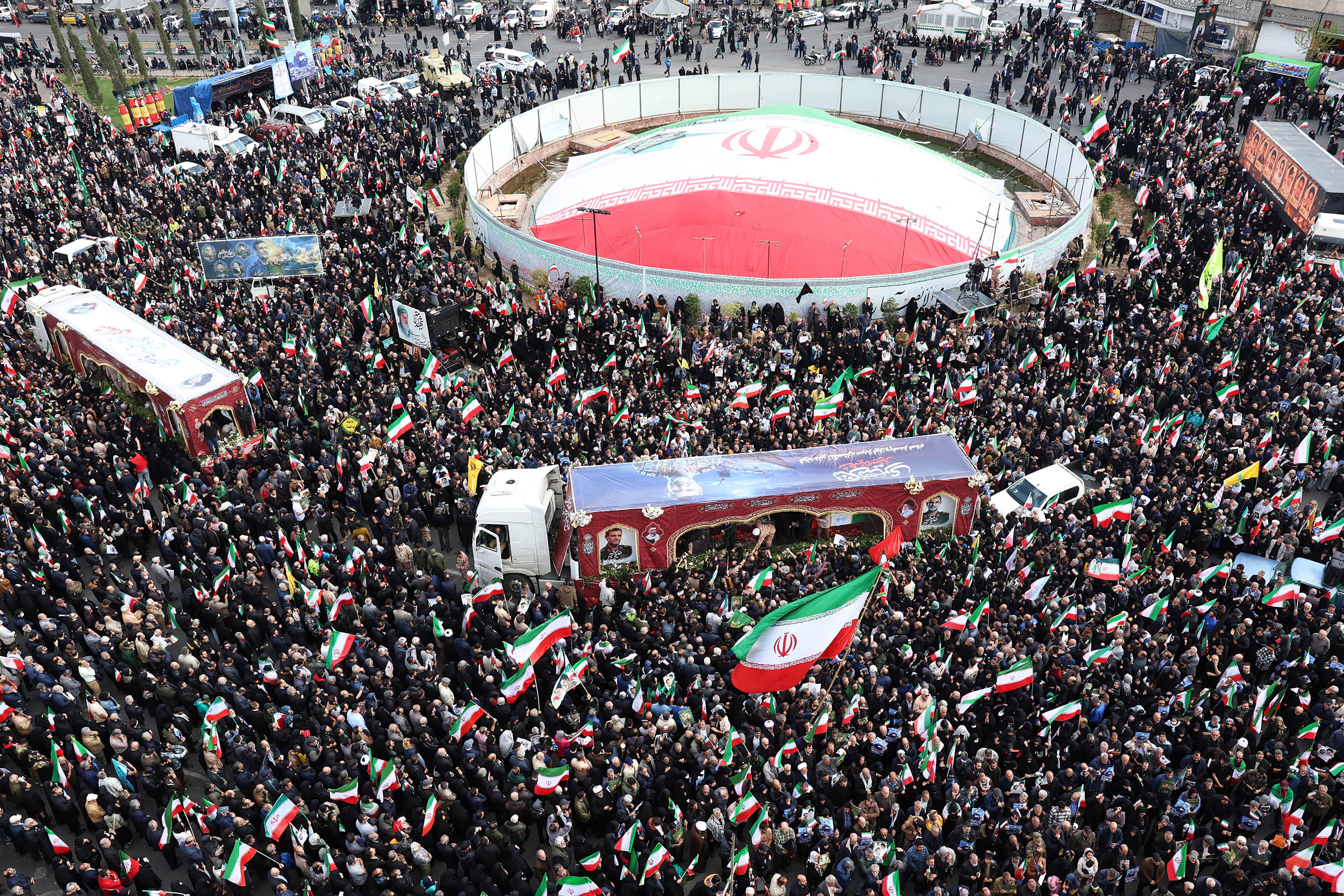
Crisis in the US - Americans divided
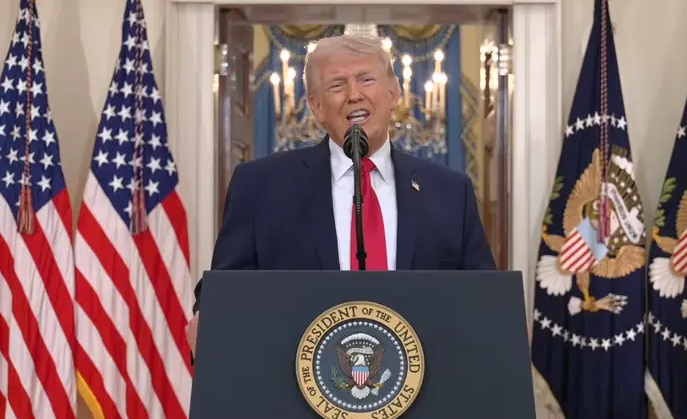
Another important element highlighted by Moeini is the state of public opinion in the United States.
American society appears increasingly divided regarding the strategy followed by the government.
This confusion is partly due to the contradiction between official rhetoric and reality.
When citizens hear about “victories” but see the conflict continuing without clear results, trust in the political leadership begins to erode.
History has shown that the loss of public support can be just as important as military developments on the battlefield.
War without a clear exit
The biggest problem Washington faces today is the absence of a clear exit strategy from the conflict.
The longer a military confrontation continues without a clear political objective, the greater the risk that it will turn into a long-term crisis.
Analysts warn that such situations often lead to vicious cycles of escalation.
Each new military action creates new tensions, which in turn require even greater military presence.
iran_1_5.webp
Massive geopolitical trap for the US
The analysis of Arta Moeini raises a critical question for the future of American strategy.
If the conflict continues without a revision of calculations and without a realistic political solution, there is a risk that the United States will find itself facing a new geopolitical trap.
History has shown that wars that begin with the expectation of a quick victory often turn into prolonged and costly conflicts.
And as Moeini warns, continuing on this path could lead to a situation even more difficult than that faced by America in Vietnam.
In a world where military power no longer guarantees political success, the real question is not who can win a battle, but who can avoid an endless war.
Lessons of history
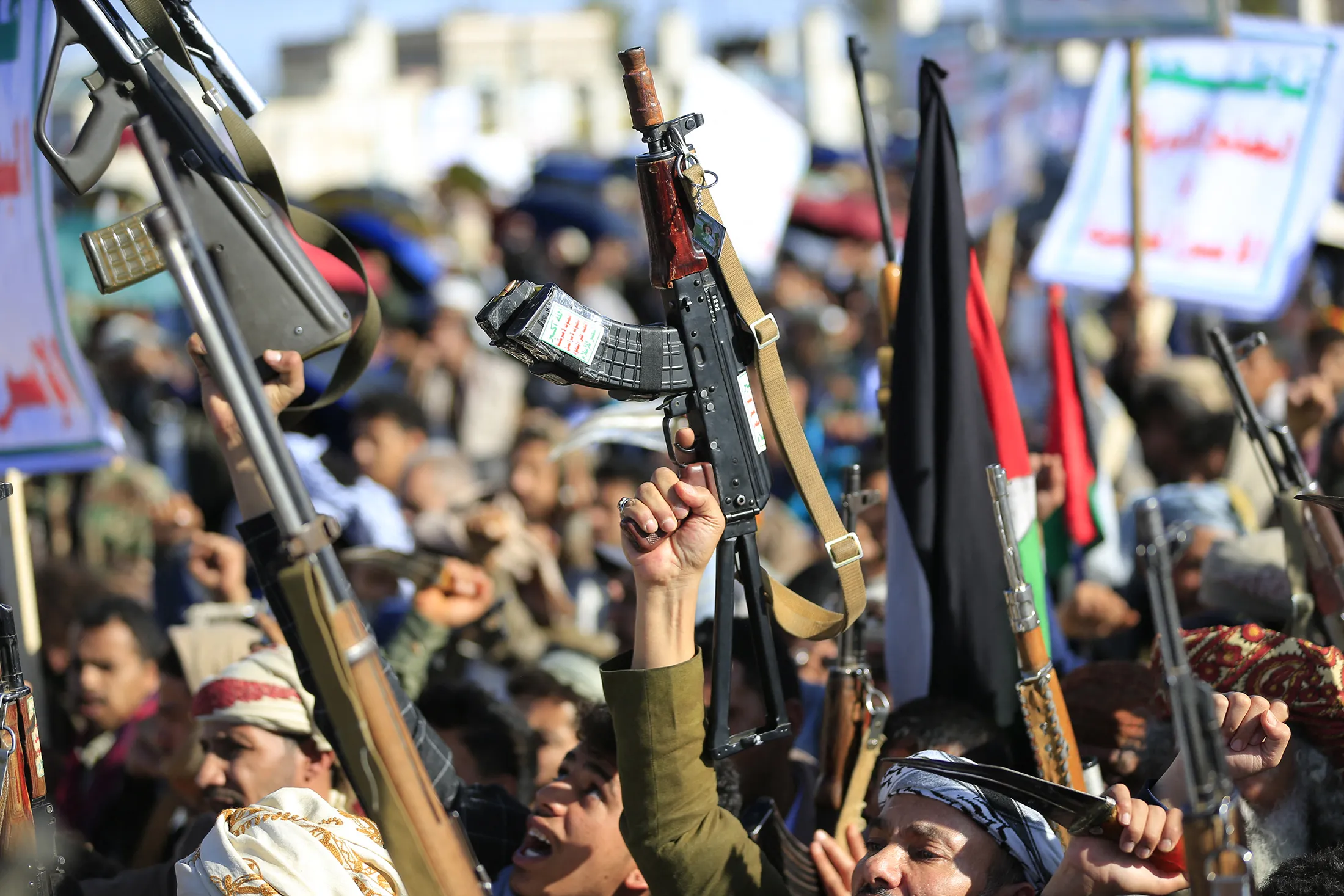
History has shown that wars that begin with the expectation of a quick and easy victory often turn into long-term conflicts that wear down politically, economically and militarily even the greatest powers.
At this point analysts see worrying similarities with the Vietnam War.
At that time as well, Washington believed that technological superiority and military power would be enough to impose a quick victory.
However, reality proved far more complex.
The war turned into a prolonged war of attrition, where military force could not ensure political stability or strategic success.
Today, the risk of a similar scenario is reappearing for the United States.
The conflict with Iran is not a simple military confrontation, but a complex geopolitical conflict affecting the entire region of West Asia.
Military pressure may create temporary results, but it does not guarantee a sustainable political solution.
Vicious cycle
Furthermore, as in Vietnam, external pressure tends to strengthen the opponent’s national cohesion.
Bombings and military operations do not necessarily lead to destabilization, but often produce the opposite result, the strengthening of resistance and national unity.
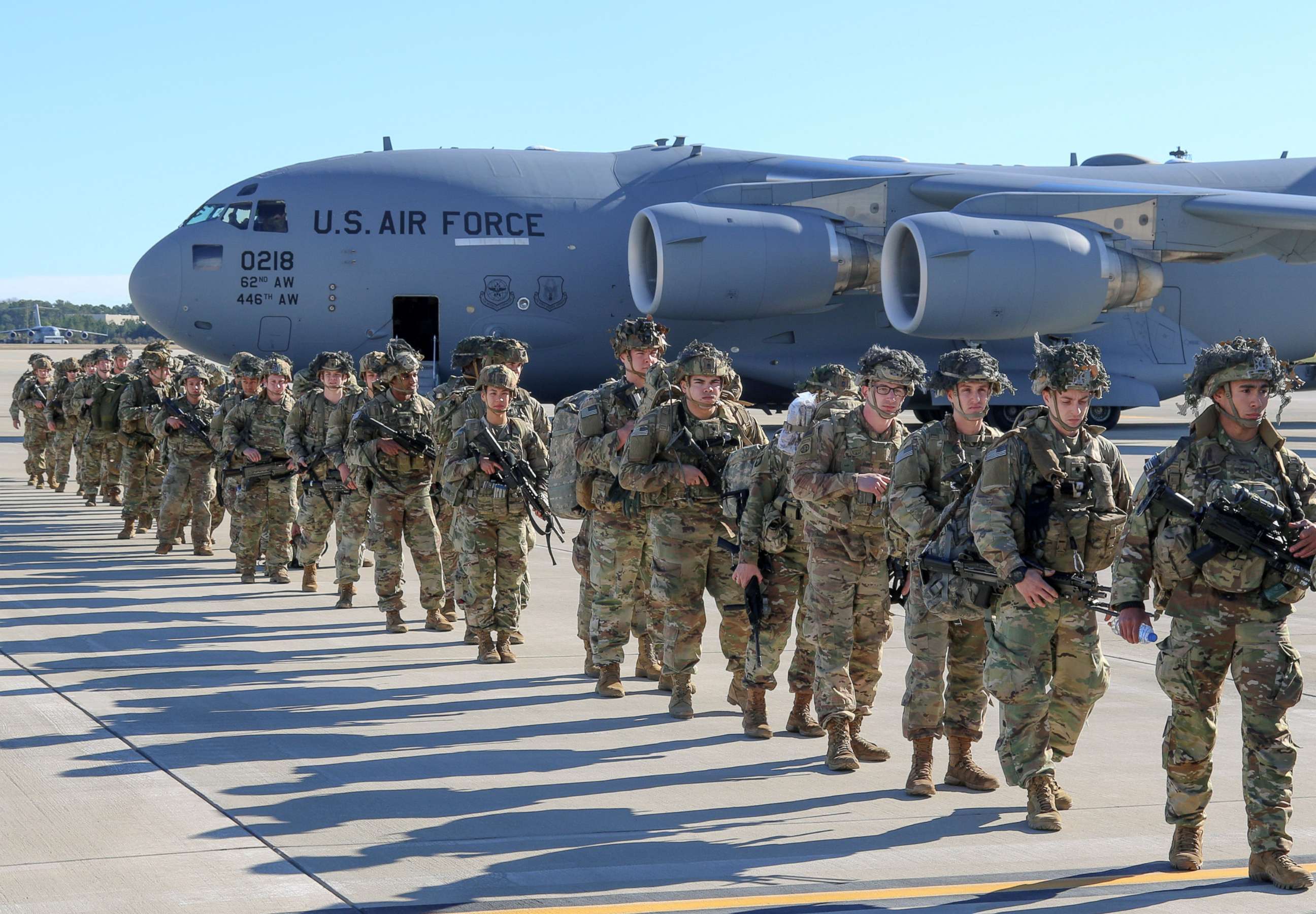
Another common element with Vietnam is the gradual escalation without a clear strategic end.
When a superpower enters a war without a clear exit plan, each new military action creates new commitments and new risks.
The conflict begins to function like a vicious cycle where withdrawal appears difficult, but continuing the war becomes increasingly costly.
Traumatic defeat
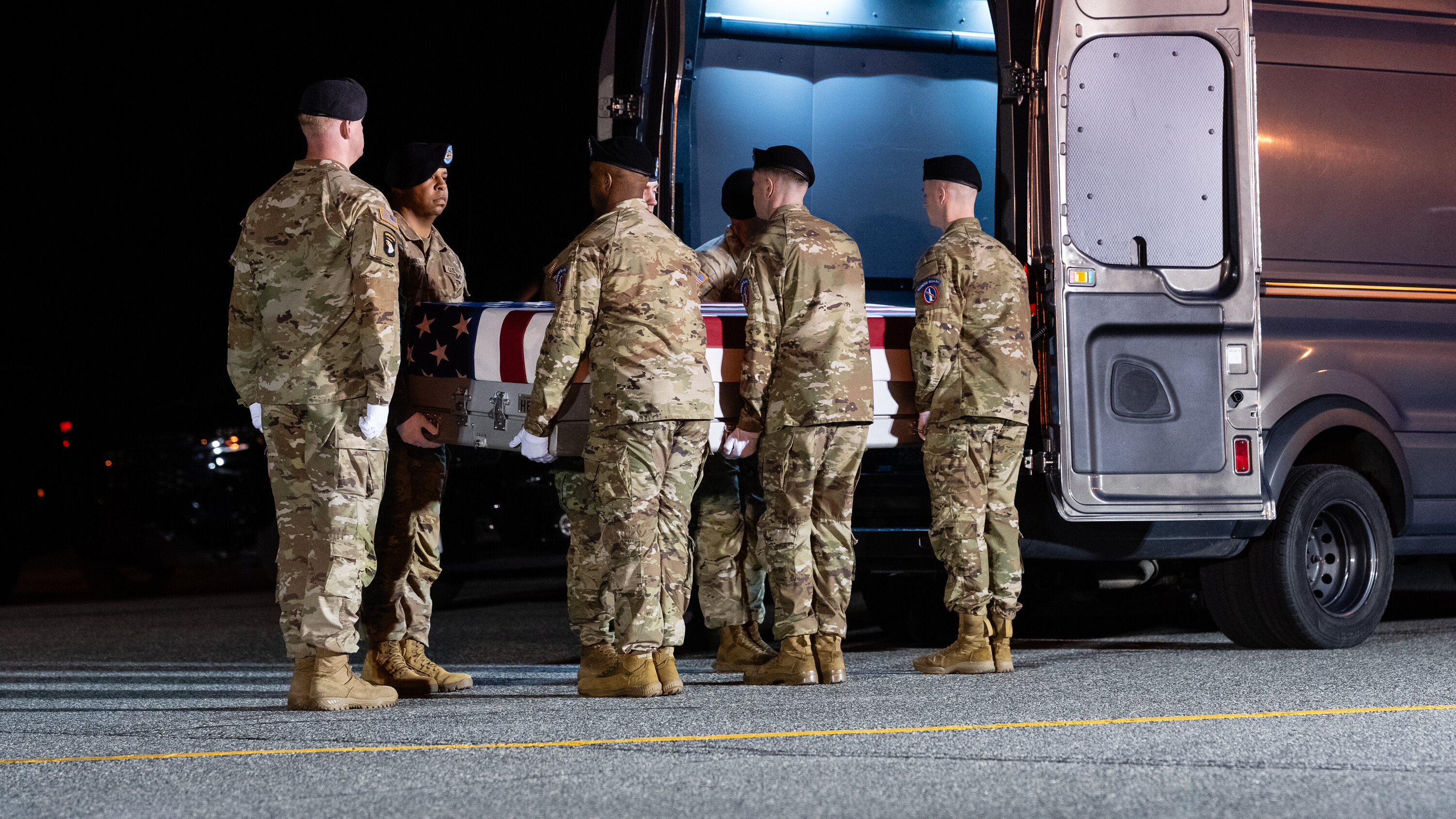
The history of Vietnam shows that such conflicts can last for years, causing deep political and social consequences within the United States.
The loss of public trust, the economic burden and the international erosion of a country’s image are factors that can prove just as important as military developments on the battlefield.
For this reason many analysts warn that the current conflict is not simply another episode of military confrontation.
It may evolve into a long-term geopolitical trap, where the superpower will be forced to continuously invest resources and military presence without achieving a clear strategic victory.
If this course continues, the conflict risks acquiring the characteristics that made the Vietnam War one of the most difficult chapters in American history, a war that began with certainty of quick success, but ended in a prolonged and costly struggle with a traumatic defeat.
www.bankingnews.gr






Readers’ Comments