An extreme military move in Iran with uncontrollable consequences appears to have been decided by US President Donald Trump in a desperate attempt not to emerge completely defeated from the war and with damaged prestige.
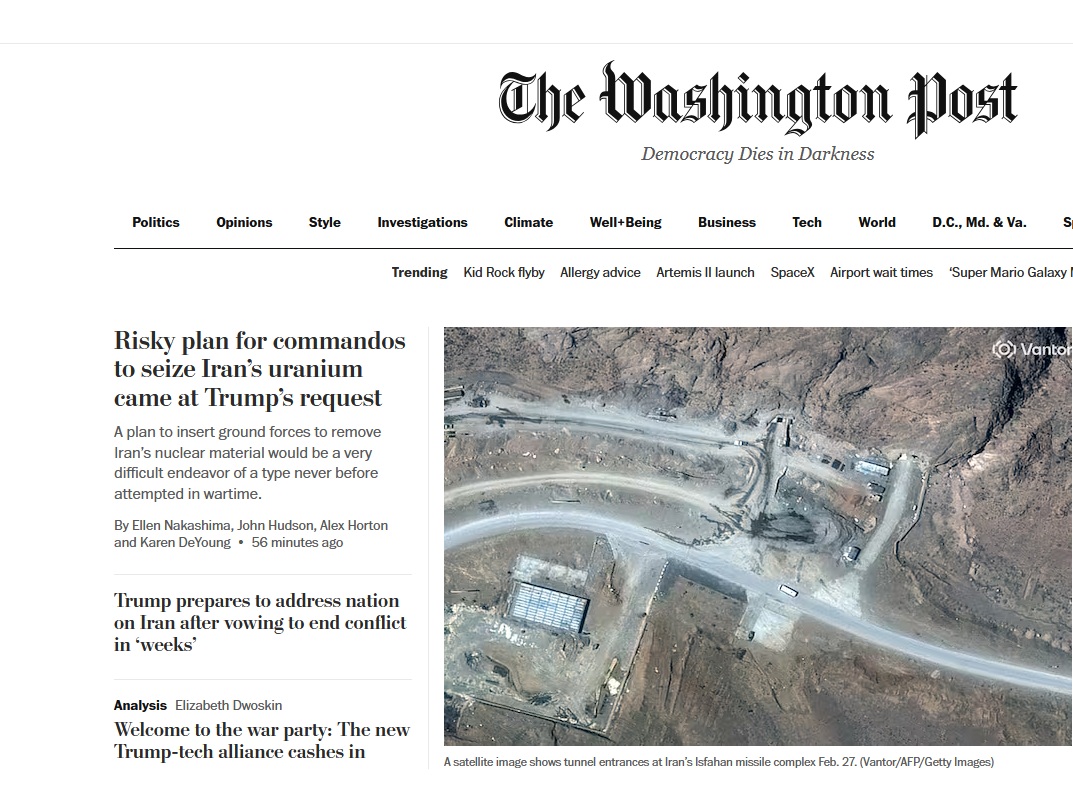
Trump requested that the American military draw up a plan to seize approximately 450 kilograms of enriched uranium from Iran.
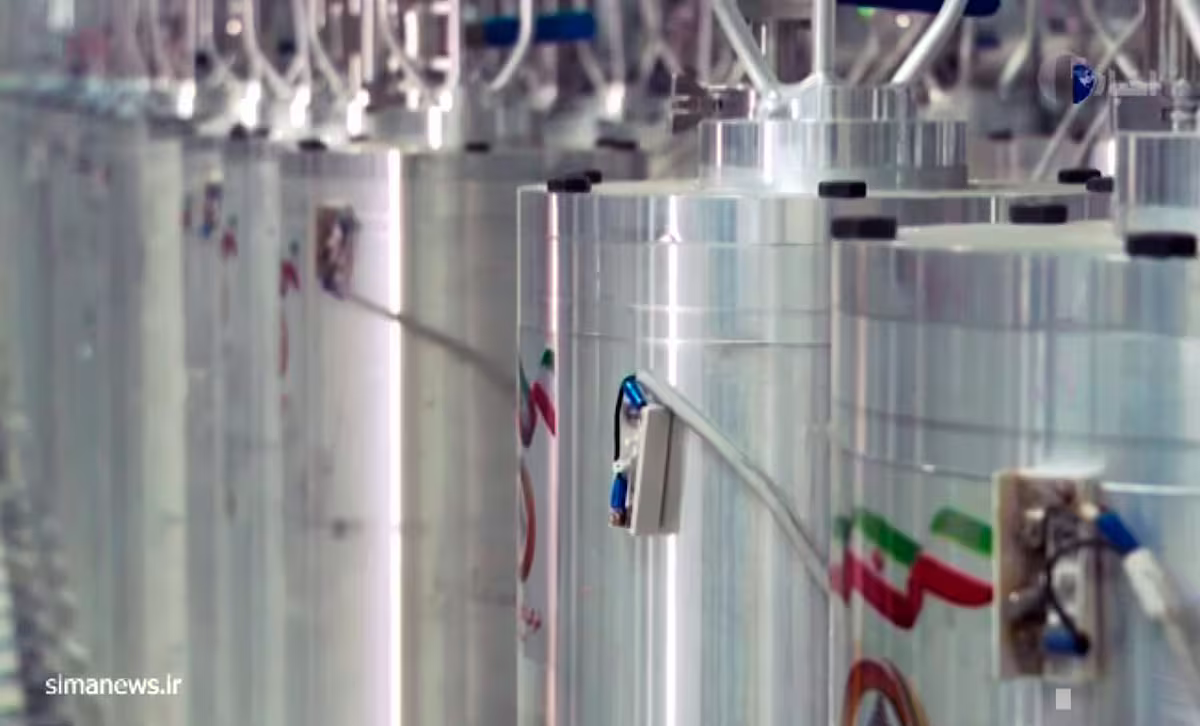
This material is considered particularly critical, as it could be used for the development of nuclear weapons, according to the Washington Post.
According to information from military briefings, the United States Department of Defense presented the president with a complex operational plan to recover the uranium from Iranian nuclear facilities.
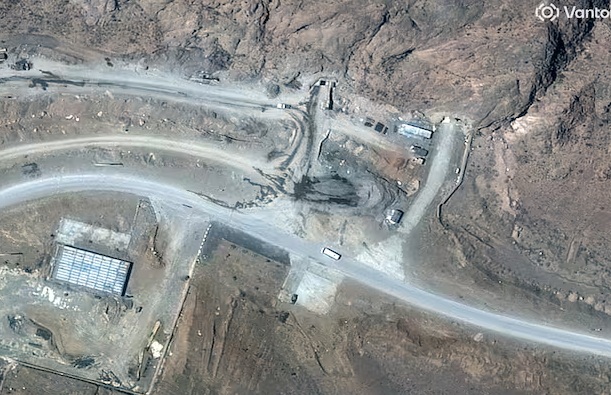
Operation in Isfahan and Natanz
Experts warn that such a mission would be extremely difficult and unprecedented during wartime, requiring the deployment of hundreds or thousands of soldiers and support personnel for weeks.
The objective of the American government remains to limit Iran’s ability to develop a nuclear weapon, as enriched uranium, according to the International Atomic Energy Agency (IAEA), is stored in facilities in Isfahan and Natanz.
For her part, White House spokesperson Karoline Leavitt stressed that the presentation of the plan does not mean that a decision has been made to execute the mission.
At the same time, Hegseth argued that Trump remains determined to prevent the development of a nuclear weapon by Iran, ensuring that the United States maintains full strategic flexibility.
How the operation could be carried out
The plan includes a series of difficult military actions that will place the invaders in immediate danger:
1) Air transport of heavy excavation equipment into Iran, in order to remove the material from underground facilities.
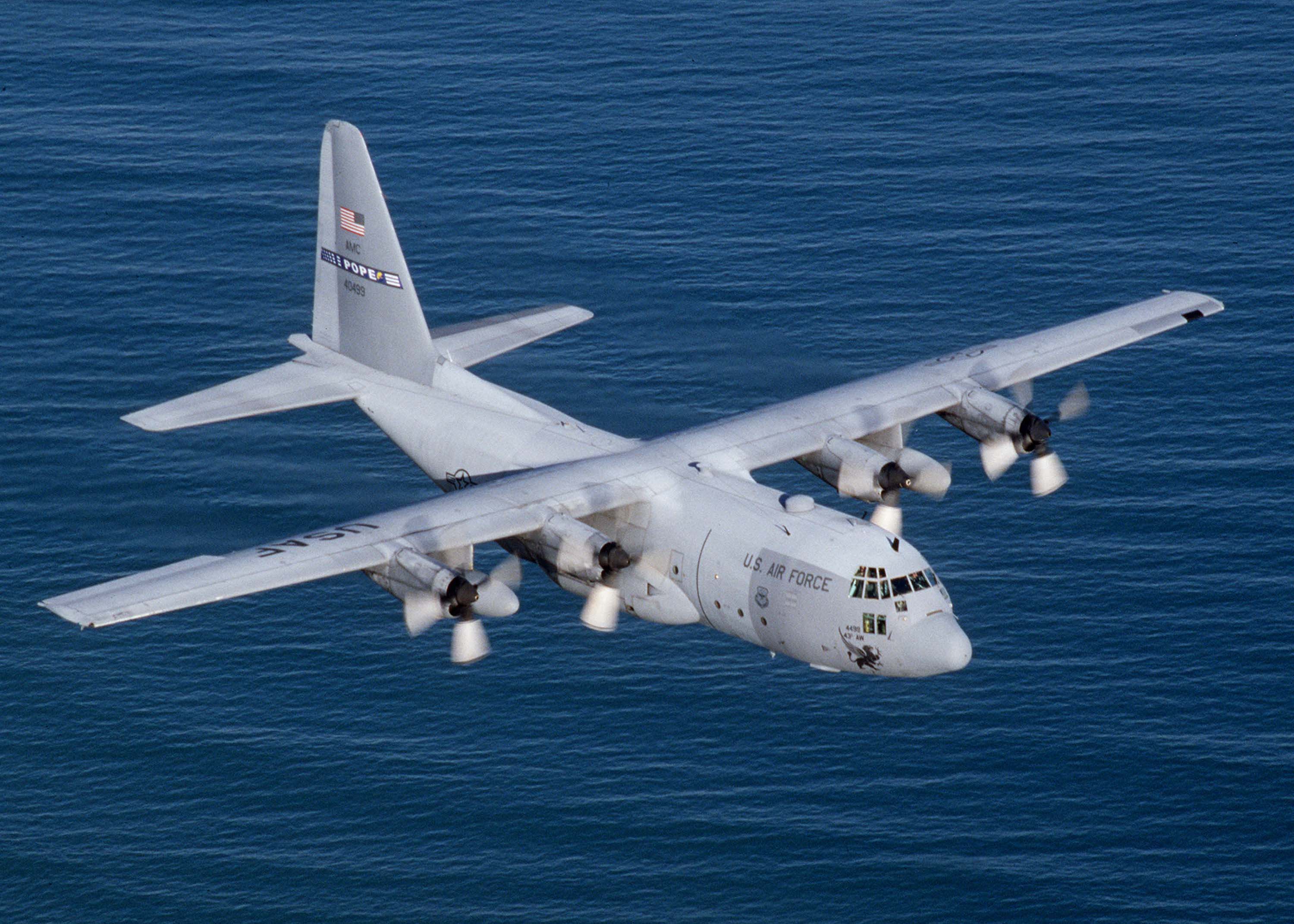
2) Creation of a temporary landing strip inside Iran so that large transport aircraft can land.
3) Transfer of the enriched uranium out of the country using military cargo aircraft.
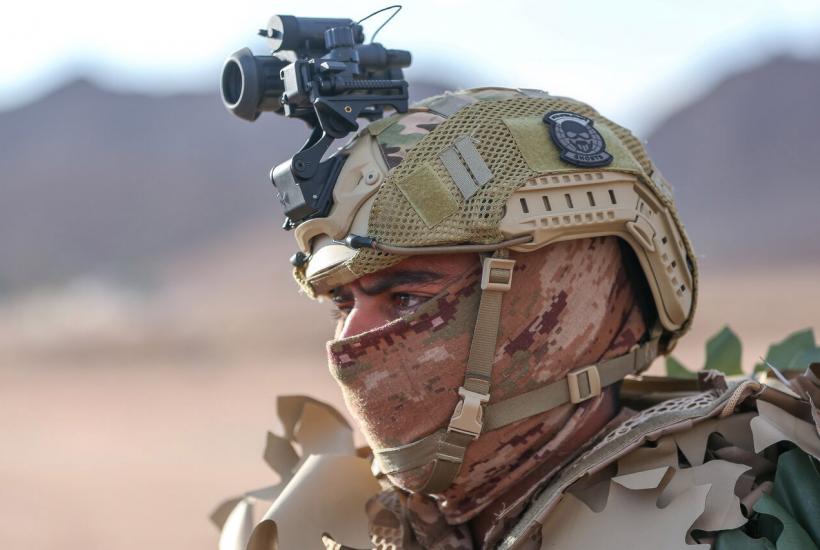
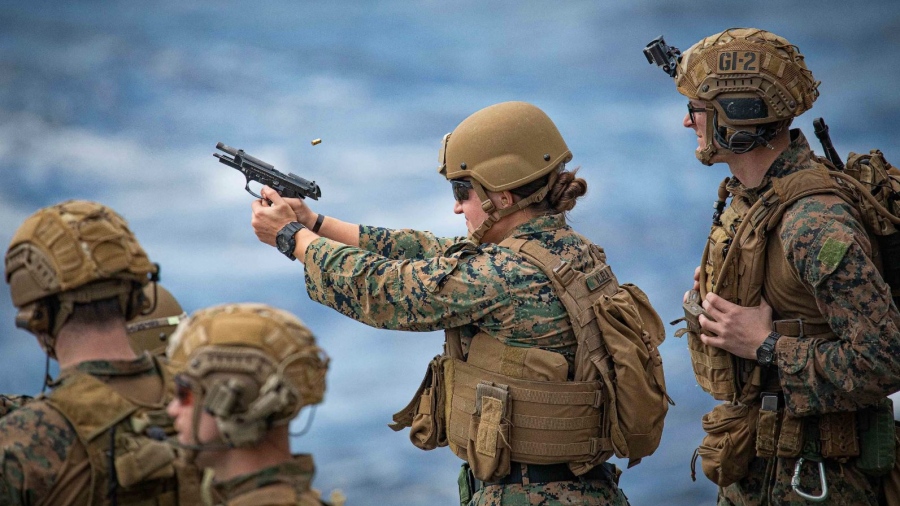
4) Possible deployment of hundreds of American soldiers, including special forces, engineers and specialists in handling nuclear materials.
The enormous risks of the operation
Analysts emphasize that such an operation would be extremely dangerous and complex.
The facilities where the uranium is located are considered to be deep underground and heavily protected, while the presence of American forces on Iranian territory could trigger immediate military confrontation.
In addition, the transport of enriched uranium requires special safety procedures and technical support, which could prolong the presence of American forces in the region.
The fact that such an ambitious military plan was considered underscores the seriousness of the confrontation surrounding Iran’s nuclear program and the broader concerns about security in the region.
The situation so far
So far, no final decision has been made regarding the implementation of the plan.
This is a scenario that was examined at the request of the president, while discussions continue for diplomatic solutions regarding the Iranian nuclear program.
The prospect of a failed ground operation - It would drown in blood in 3 days
The forced transition of plan B into a ground operation faces enormous difficulties.
Iran is approximately four times larger than Iraq and the involvement of even one tenth of the forces used in Iraq does not guarantee victory.
The 82nd Airborne Division would last three days, and the marines, once landed, would be able to endure at most one week without full support.
Even if an additional force of 50 to 100 thousand soldiers is assembled, who will support them with supplies of water and food?
The parameter of water has been completely underestimated, while the destruction of American support facilities would directly affect the long term capacity for military action.
The most critical element that has been underestimated is that soldiers will return to the United States in coffins, a political, military and psychological disaster for the country.
Iran has 8 lines of defense
At the same time, according to information from Fars News, Iran has created an eight level defense system, designed to confront both helicopter attacks and a possible scenario of a ground invasion by the United States.
The system is based on close coordination between the country’s armed forces and the Islamic Revolutionary Guard Corps (IRGC), creating a form of “mosaic defense” that combines special forces, regular army, paramilitary units and popular mobilization.
According to military analysts, this is an extremely effective defense plan and it is considered extremely difficult for American marines to reach the second line of defense.
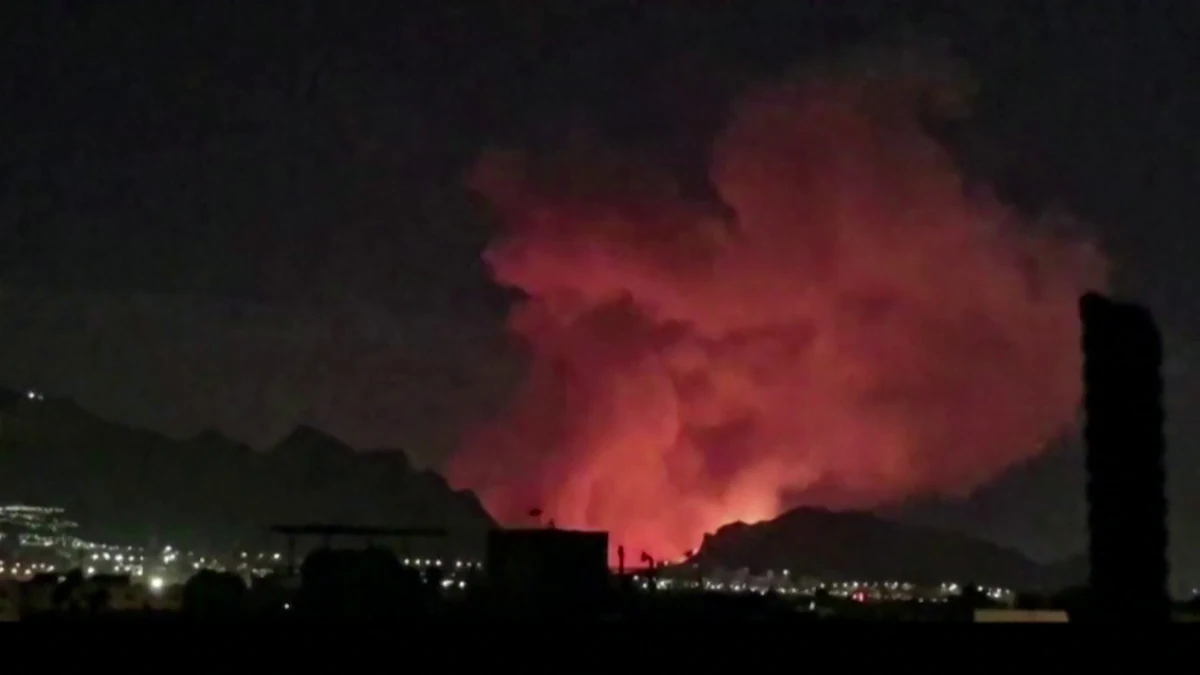
The 1st line: Special forces and immediate neutralization of landing groups
The first line of defense consists of the country’s most elite units.
These include the special forces of the IRGC, the marines of the Iranian army, as well as the renowned 65th Airborne Brigade.
These units have as their main mission the immediate detection and destruction of enemy landing forces, especially in cases involving helicopter operations or airborne troop deployment.
Particular emphasis is placed on the protection of the islands of the Persian Gulf and the southern coastline of Iran, where four specialized ground brigades have been deployed with the mission of countering amphibious operations.
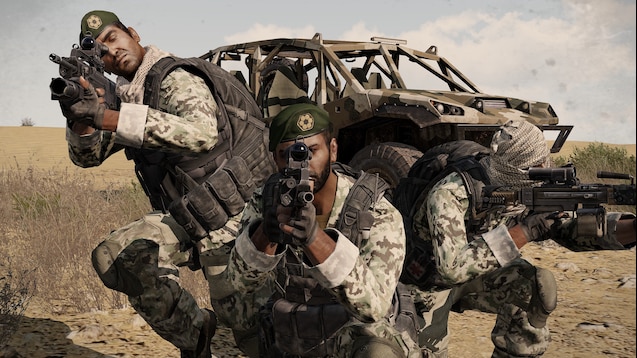
The 2nd line: Airborne and special rapid reaction units
At the second level, special army units are activated, such as:
1) the 25th and the 35th Special Forces Brigades
2) the 55th Airborne Brigade
3) the 23rd Airborne Brigade
4) the 58th Assault Division
These units are dispersed across various regions of the country and can be mobilized immediately to engage in battle within a very short time.
Their objective is to reinforce the points where the main enemy attack will occur.
The 3rd line: Mechanized forces and armored units
The third level of defense is based on the mechanized infantry brigades of the regular army and the ground forces of the IRGC.
These units possess armored vehicles, heavy artillery, air support.
Their role is to repel larger enemy forces and create strong defensive fronts.
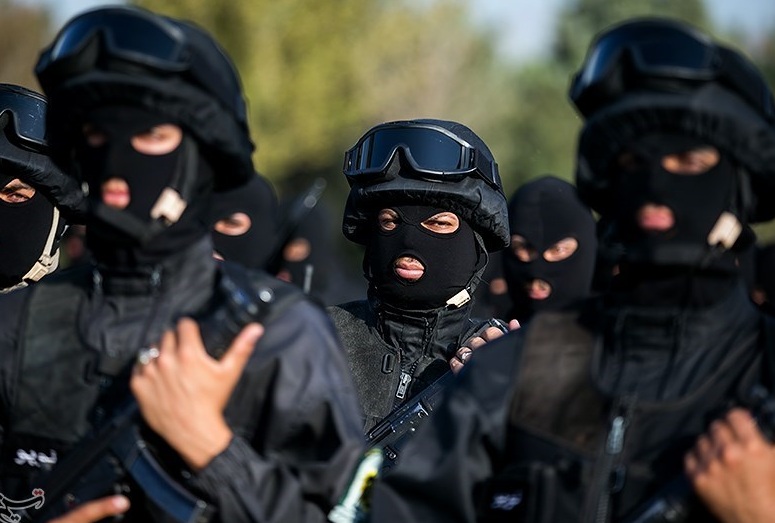
The 4th line: Urban defense and city operations
The fourth line of defense focuses on urban areas and access routes to major cities.
At this level, special units of the police and internal security forces are deployed, including the elite NOPO Special Unit.
These units are trained for:
1) counterterrorism operations
2) urban warfare
3) neutralization of special forces.
At the 5th line are the Imam Hussein battalions, which possess heavy and light weapon systems and operate as stabilization units of the defensive lines.
At the 6th line are the Imam Ali battalions, which are considered among the most experienced and elite units of the country.
Their fighters are specially trained for difficult operations under critical combat conditions.
The 7th line - War veterans
The seventh line of defense includes the mobilization of veterans who have combat experience, mainly from conflicts in the Middle East.
These are soldiers who have fought in harsh environments and can quickly integrate into combat units.
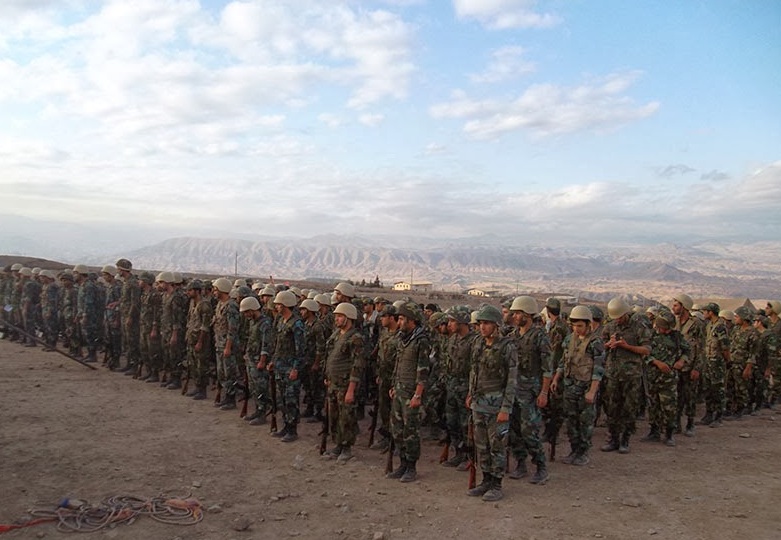
The 8th and final line of defense is based on the mass mobilization of volunteers through the paramilitary force Basij.
These forces are activated mainly in threatened areas, particularly on the western and southern borders of the country.
The philosophy of the system is that each level operates not only defensively but also offensively, with the aim of destroying enemy forces and capturing prisoners.
The number of volunteers exceeds 1 million, while already more than 600,000 are ready and fully armed.
Smart mines, mobile units and helicopter defense
As part of preparations for a possible invasion by the United States, Iran has installed “smart minefields” at potential landing points.
At the same time, mobile teams with thermal cameras patrol around the clock, in order to neutralize the main advantage of American special forces, night operations.
To counter helicopters, infantry units have been equipped with portable anti aircraft systems Misak, similar to the Russian Igla.
Fast attack tactics and mobile missile teams
In the event of a landing, Iran plans to deploy thousands of mobile teams on motorcycles and pickup vehicles.
These teams carry anti tank Almas and Tusan missiles.
Their objective is to create crossfire before enemy forces have time to organize.
At the same time, short range ballistic missiles of the Fateh missile family as well as multiple rocket launchers will be used.
www.bankingnews.gr










Readers’ Comments