An impressive consensus among 80 major international think tanks regarding the war being waged by the United States and Israel against Iran is recorded in an analysis by the Strategic Studies Center of Tasnim.
Experts and analysts of these institutions conclude that the strategic objectives of the United States and Israel against Iran have definitively failed.
The study includes content analysis of publications from 80 think tanks worldwide over the past month, highlighting five key pillars surrounding the war.
The combined analysis provides a detailed picture of the conflict that has unsettled the region and the global strategic scene.
Historical context
The confrontation between the United States and Iran is not a new phenomenon.
Since the Islamic Revolution of 1979, the relationship between the two countries has been characterized by tension, sanctions and occasional military conflicts. The rise of Iran as a regional power, the development of a nuclear program and its influence in the Middle East have raised concerns about regional stability.
The United States, in cooperation with Israel, has for years sought to limit the strategic power of Iran.
Their objectives include:
1) The overthrow of the political system.
2) The dismantling of the country’s defense capabilities.
3) The imposition of political and social subjugation through psychological and strategic pressure.
However, the conflict that escalated over the past year shows that the strategic objectives of the United States and Israel have failed significantly.
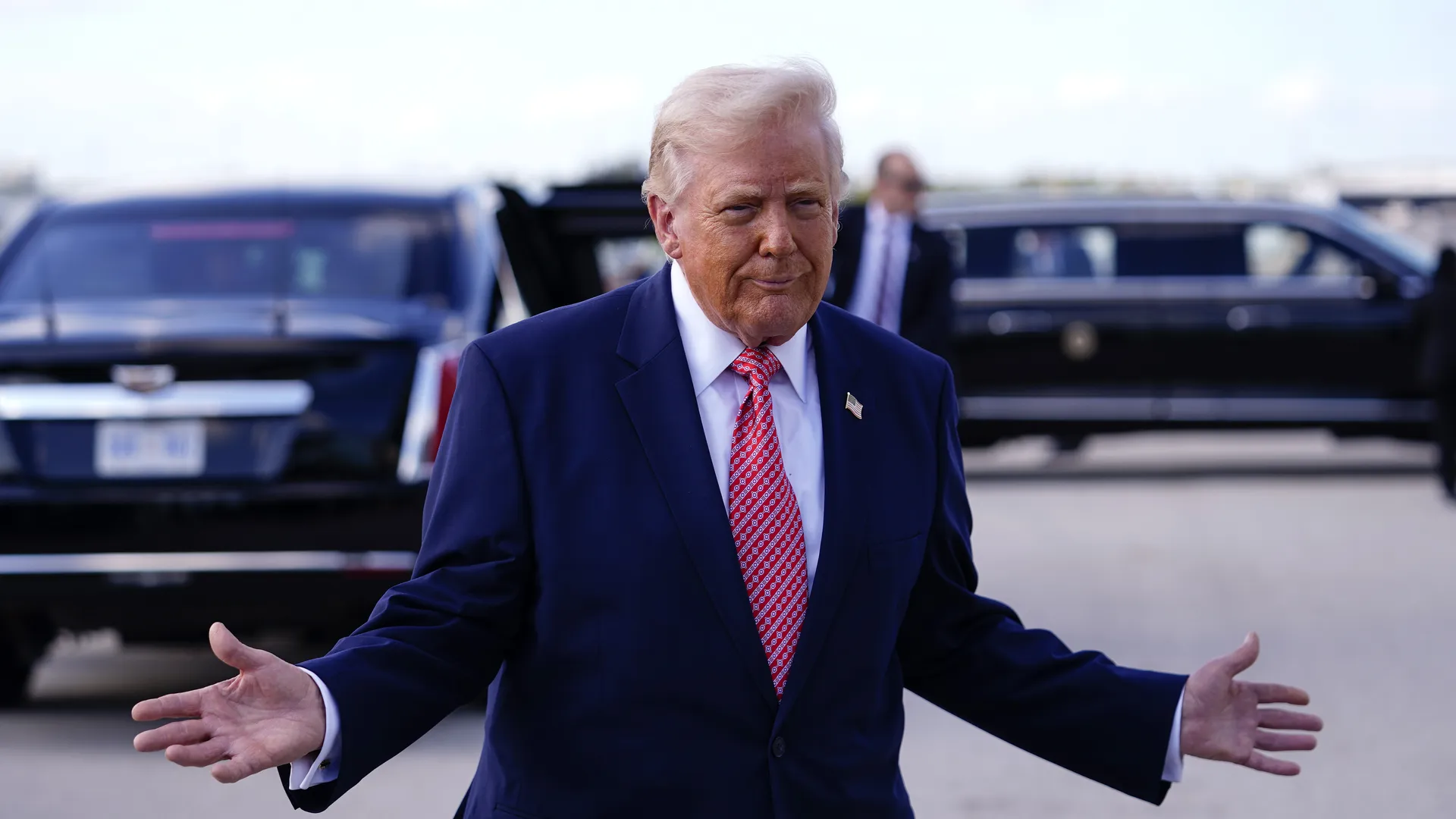
Tactical superiority but strategic failure
The analysis of the think tanks shows that the United States and Israel had clear tactical superiority due to their technology and advanced weapons.
This allowed them to deliver military strikes and cause short term losses to critical targets.
However, experts point out that tactical successes did not translate into strategic superiority.
The main objectives of overthrowing the political system of Iran, dismantling its defense capabilities and imposing political and social subjugation were not achieved.
On the contrary, Iran managed to maintain unity and cohesion of the state, while its response was calculated and effective.
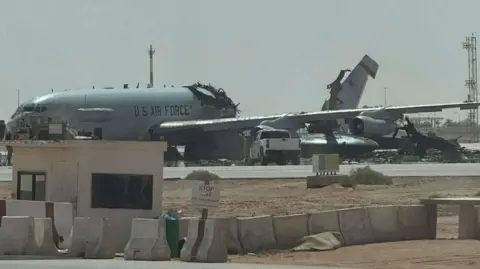
Iran’s asymmetric warfare strategy
The success of Iran is based on a complex strategy of asymmetric warfare. Analysts from the think tanks highlight three main elements of this strategy:
1) Strikes on the credibility of opponents: Iran managed to undermine the military and technological credibility of the United States and Israel, proving that weapons superiority is not enough to secure strategic advantage.
2) Control of the Strait of Hormuz: The strategic importance of the Strait of Hormuz, a route of vital importance for global oil trade, gave Iran a strong advantage and limited the ability of the United States and its allies to intervene with military means.
3) Intelligent use of asymmetric tactics: Iran used cyberattacks, drones and small tactical strikes to create sustained pressure, while at the same time reducing the effectiveness of the traditional military forces of the United States and Israel.
This led to a situation where long term strategic superiority now belongs to Iran, despite its technological weaknesses compared to its opponents.
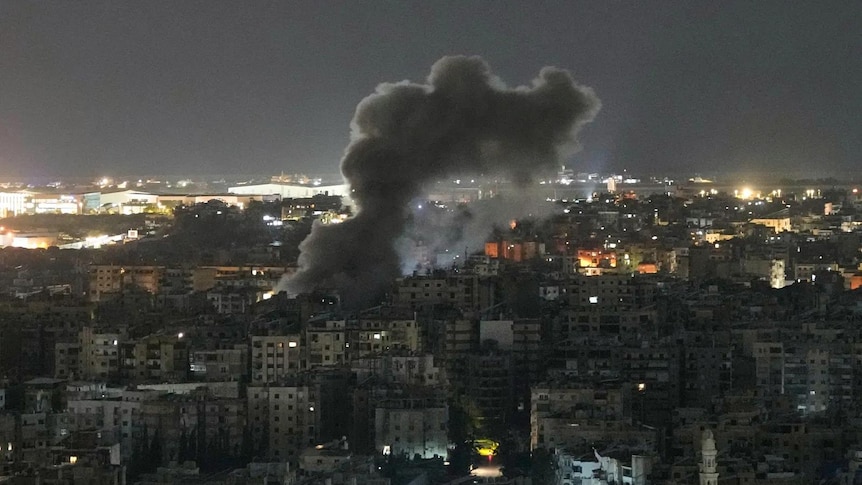
War of attrition and the power of time
The conflict turned into a war of attrition.
After the initial military strikes by the United States and Israel, the ability of Iran to manage the blows and achieve strategic victories makes time an ally of Tehran.
Think tank analysts note that the longer the conflict continues, the greater the pressure on the United States and Israel, both militarily and politically.
On the contrary, Iran gains time to reorganize its forces, strengthen its defense capabilities and maintain psychological superiority.
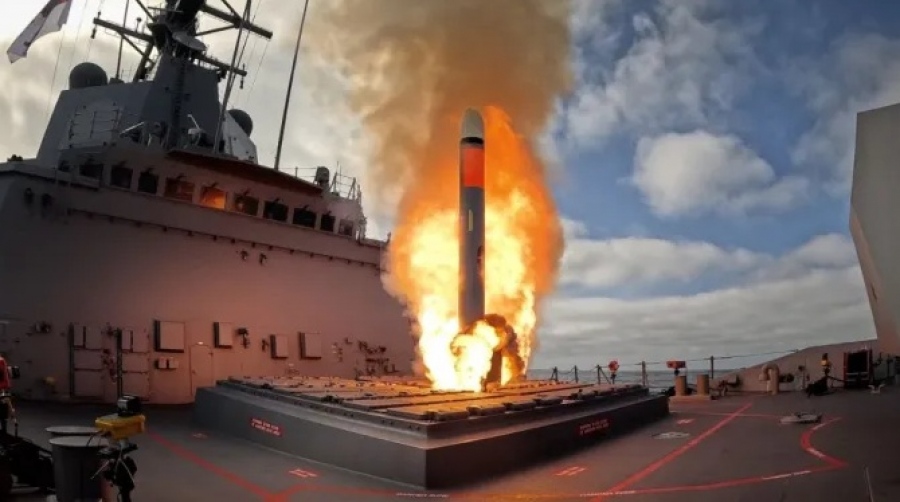
The political and economic failure of the United States
Within the United States, the war burdens the political profile of Trump.
The president’s average approval rating has fallen below 40%, while gasoline prices have exceeded 4 dollars per gallon, undermining his economic credibility.
More than 60% of Americans disapprove of the handling of the war, according to a poll by Pew Research.
Washington appears divided: its European allies avoid full cooperation, with countries such as France, Italy, United Kingdom and Spain limiting military support.
Trump accuses France of the failure of aircraft transit carrying military equipment, while Italy does not allow the use of the Sigonla base for military cargo.
The political isolation of the United States reinforces the image of failure.
The economic burden on the United States is enormous.
Expenditures for equipment and military operations amount to billions of dollars monthly, while the energy crisis due to Iran’s control of the Strait of Hormuz increases gasoline prices and burdens American citizens.
In contrast to the United States, Iran strategically exploits the crisis to strengthen its position in the region and internationally, presenting an image of stability and resilience.
The diplomatic triumph of Iran
In contrast to the American turmoil, Iran maintains a steady and determined stance.
Foreign Minister Abbas Araghchi stated in an interview that Tehran will not accept a ceasefire, but seeks the complete cessation of war throughout the region.
The Iranians insist on their sovereignty over the Strait of Hormuz and refuse to follow negotiations under American pressure.
This stability combined with the ability to strike strategic targets demonstrates their determination and superiority in the geopolitical field.
Iran has continued attacks on strategic centers and infrastructure in Israel and in cities such as Tel Aviv and Beer al-Saba.
The Islamic Revolutionary Guard Corps (IRGC) also strikes American technology companies, showing that Iran is capable of significantly affecting the business and military infrastructure of the United States and Israel.
The international stage clearly shows who holds the reins.
Pakistan and China presented a five point plan for the immediate cessation of hostilities and the start of peace talks, while Qatar and the United Arab Emirates are increasing diplomatic pressure in favor of de escalation.
On the contrary, the United States appears unable to promote a sustainable solution without yielding to Iran’s demands.
The change in tone from Trump, with statements such as “the war with Iran will soon end”, indirectly reveals the failure of the initial objectives: neither the forced surrender of 60% enriched uranium nor the military restoration of control over the Strait of Hormuz was achieved.
Trump appears to prefer ending the war without a strategic victory, while Iran maintains clear and non negotiable terms.
Geographical distribution of the think tanks
The analysis included think tanks from around the world:
1) United States: 22
2) United Kingdom: 8
3) EU and European countries (France, Germany, Belgium, Denmark, Netherlands, Spain, Switzerland, Sweden etc.)
4) Asia (China, Japan, South Korea, India, Taiwan): 9
5) Canada: 2
6) Australia: 3
7) Latin America (Brazil): 1
8) Africa: 3
9) International or Multinational Institutions: 14
Main think tanks referring to US Israel failure
Among the most well known institutions that confirm this analysis are:
1) Brookings Institution
2) Carnegie Endowment for International Peace
3) Chatham House
4) Center for Strategic and International Studies (CSIS)
5) RAND Corporation
6) Council on Foreign Relations (CFR)
7) International Institute for Strategic Studies (IISS)
And many others active in the analysis of international relations, strategy and defense issues.

Conclusion
The combined analysis of the 80 think tanks shows that the strategic failure of the United States and Israel is now widely accepted.
Tactical successes were not able to offset Iran’s strategic superiority, its intelligent management of the conflict and its use of time as a strategic weapon.
The international community is closely monitoring developments, as this failure may have long term consequences:
For the United States and Israel: Difficulty in imposing strategic dominance in the region, need for a propaganda victory or immediate termination of the conflict.
For Iran: Strengthening of its position as a regional power, deterrence of military subjugation, and increase of its international credibility.
For the Middle East and the world: Increase in instability, with possible impacts on the global economy and oil trade through the Strait of Hormuz.
The situation remains fluid, but the consensus of the 80 think tanks shows that the strategic objectives of the United States and Israel have failed spectacularly, while Iran now holds a significant advantage in the regional balance of power.
Tehran not only resisted American and Israeli pressure, but managed to exceed the expectations of its opponents.
Trump is now forced to admit that the strategy of the United States has failed, while Iran appears stronger, more confident and capable of shaping developments in the region.
The war may continue at a technical level, but the psychological, strategic and diplomatic victory undoubtedly belongs to Tehran.
www.bankingnews.gr















Readers’ Comments