

In an unprecedented rupture with Europe, US President Donald Trump is reportedly preparing to take drastic action, claiming he is seriously considering a US withdrawal from NATO. This follows the refusal of European allies to assist him in the war with Iran, where the American military is suffering a humiliating military defeat. There is no doubt that Trump is incensed by the stance of most Europeans, particularly their refusal to provide bases for American aircraft or assist in the military operation conducted alongside Israel against Tehran. It is now clear: the White House no longer considers Europe a reliable ally, a perception that implies a massive strategic reversal on various fronts, most notably the Ukrainian issue. Trump’s reference to NATO as a "paper tiger"—noting that Russian President Vladimir Putin is well aware of this—is a harbinger of the rift opening in the Western camp and developments that threaten to overturn every concept of security established in Europe since the end of World War II. It is no coincidence that among the scenarios Trump is processing is the withdrawal of American troops from German soil.
NATO is a paper tiger
Donald Trump stated in an interview with the British newspaper The Telegraph that he is seriously considering the possibility of the United States exiting NATO following the alliance's failure to participate in his war against Iran. The American President characterized the alliance as a "paper tiger" and said that an American departure from the defense treaty is now "beyond review," implying the decision is final. This represents the strongest sign to date that the White House no longer views Europe as a dependable defense partner after allies rejected Trump’s request to send warships to reopen the Strait of Hormuz.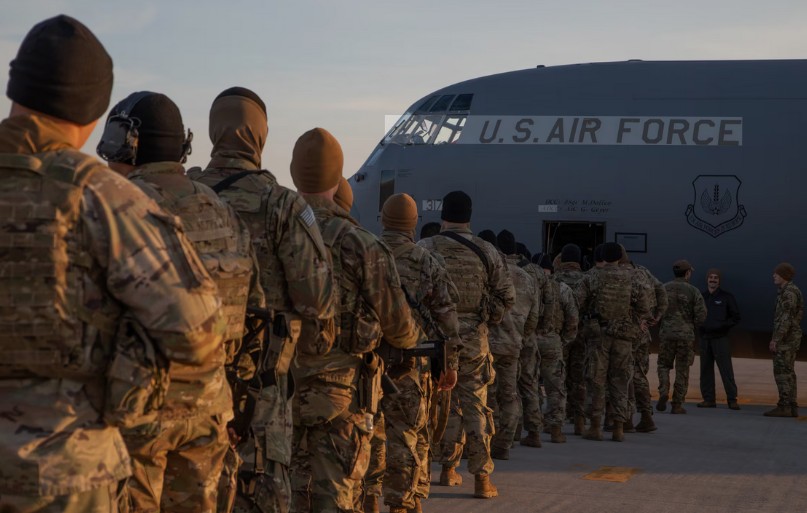
Putin knows it too
When asked if he would reconsider US participation in NATO after the conflict, he replied: "Oh, yes, I would say it's beyond review. I was never impressed by NATO. I always knew it was a paper tiger, and Putin knows it too." NATO allies have hesitated to help open the Strait of Hormuz, through which 20% of global oil passes. Tehran has effectively closed it for weeks, causing global oil and gas prices to skyrocket and threatening a global recession.
I was there... in Ukraine
Donald Trump added: "Beyond the fact that they weren't there, it was hard to believe. And I didn't do much negotiating. I just said, 'Hey, you know,' I didn't push hard. I just think it should be automatic. We were there automatically, including in Ukraine. Ukraine wasn't our problem. It was a test, and we were there for them, and we always would be there for them. They weren't there for us," Trump emphasized.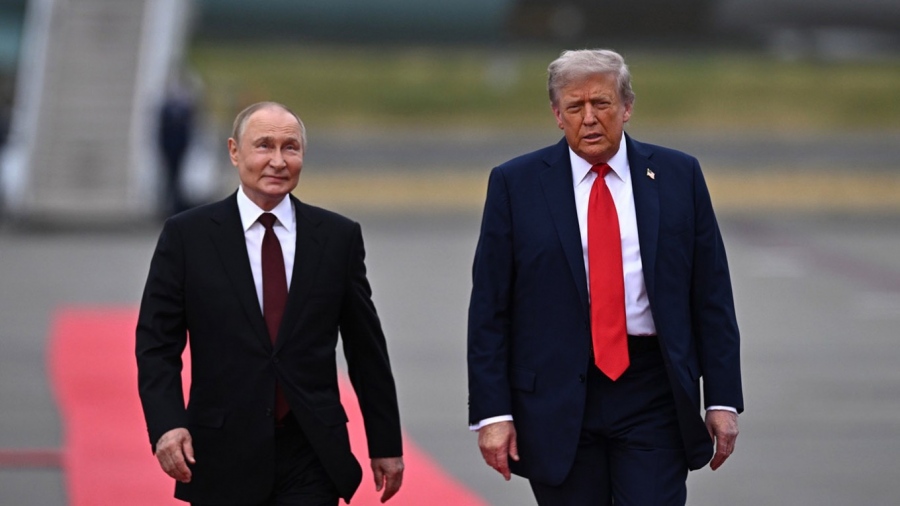
Britain doesn't even have... a fleet
Referring specifically to the United Kingdom, the American President criticized Prime Minister Keir Starmer for his refusal to get involved in the US-Israeli war against Iran, implying the Royal Navy was not ready for the mission: "You don't even have a fleet. It's all very old and you have aircraft carriers that don't work." When asked if the British Prime Minister should spend more on defense, Donald Trump added: "I'm not going to tell him what to do. He can do whatever he wants. It doesn't matter. What Starmer wants is expensive wind turbines that send your energy prices through the roof."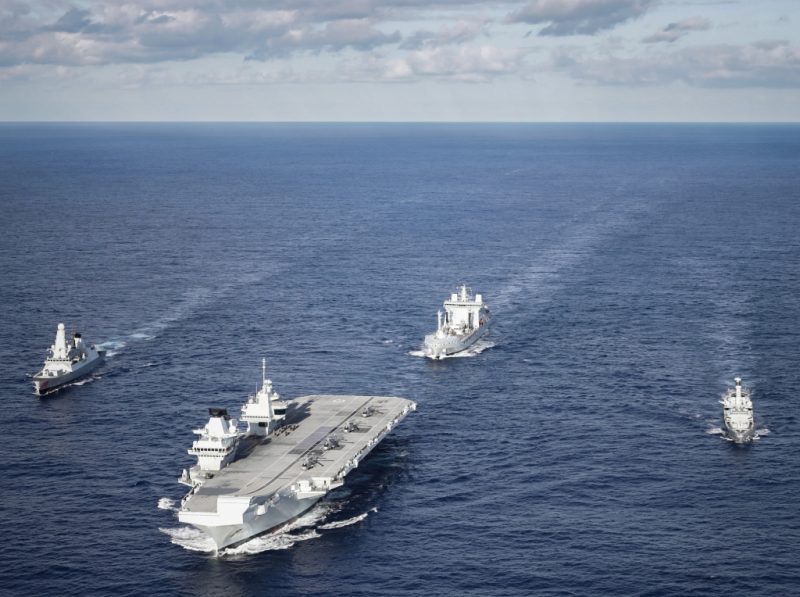
Fire from Rubio as well
The White House has repeatedly expressed growing US dissatisfaction with European allies over their position on the war. Marco Rubio, the Secretary of State, accused NATO of being a "one-way street," attacking US allies for refusing to allow access to their military bases. Speaking to Fox News hours before Trump's interview, Marco Rubio stated that the US should "re-examine" its participation in NATO after the end of the war in Iran: "There is no doubt, unfortunately, that after this conflict is concluded we will have to re-examine this relationship. If NATO is only about us defending Europe when it's attacked, while they deny us base usage rights when we need them, that's not a very good arrangement. It's hard to stay committed."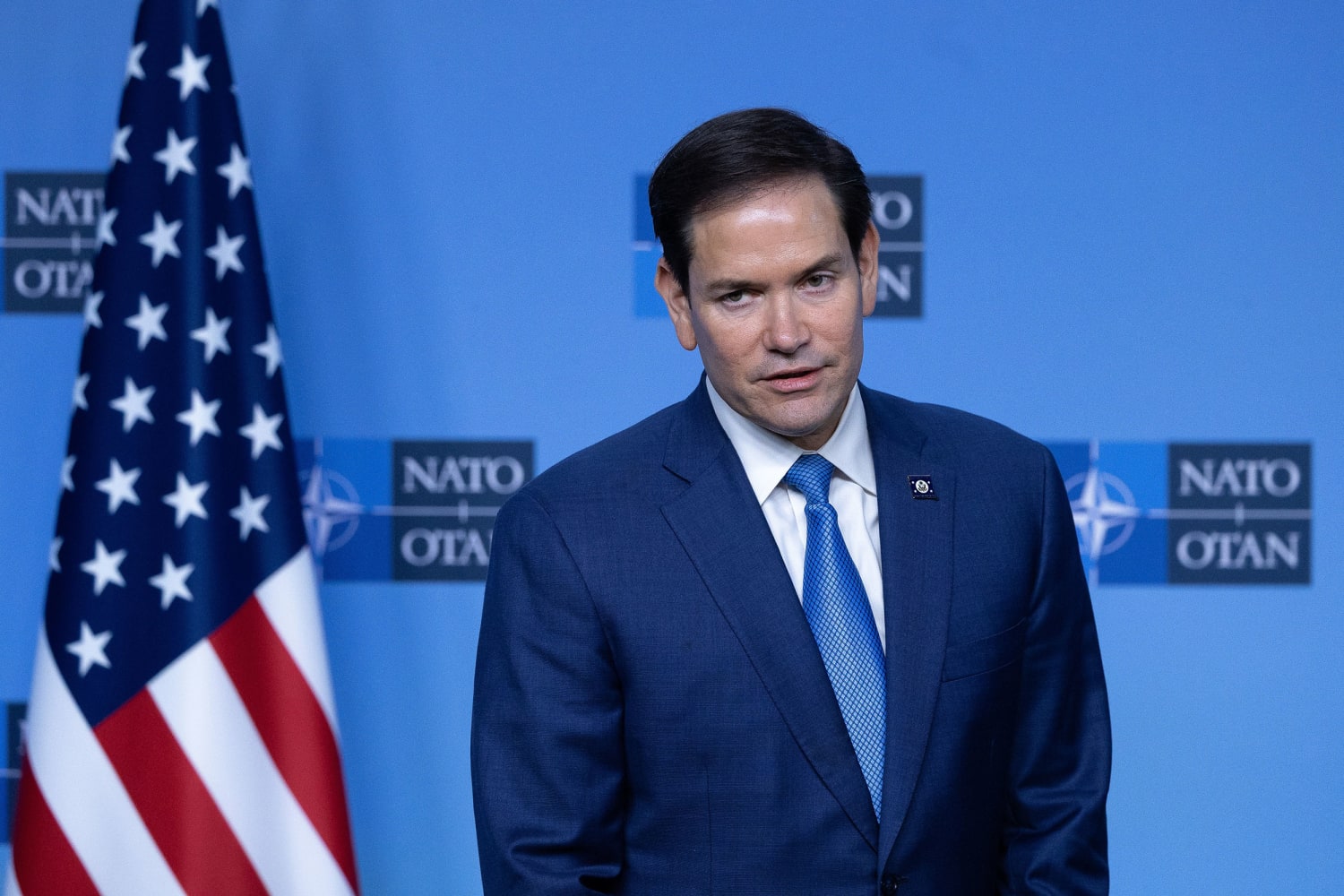
Trump's satisfaction with Rubio
Trump told The Telegraph that he was "pleased" that Marco Rubio made those comments. Last week, the Telegraph revealed that Donald Trump was considering a NATO restructuring to punish members who did not meet his financial demands.
Scenario of withdrawal from Germany
Senior administration members have pushed for a "pay-to-play" model, which could exclude allies from decision-making even when the alliance goes to war. Sources close to the President indicated he is also considering the removal of American troops from Germany—a move he has been weighing since returning to office last year.
What will happen with Article 5
Trump's request for NATO assistance in the war against Iran has raised questions regarding Article 5, the "an attack on one is an attack on all" clause. It has been activated only once, after the September 11 attacks in the US. More than 1,100 non-American soldiers were killed in the subsequent war in Afghanistan, including 457 British soldiers. However, it should be noted that the clause only concerns cases of an attack against a NATO member, and therefore would not apply to the war in Iran, which began with joint US-Israeli air strikes on February 28.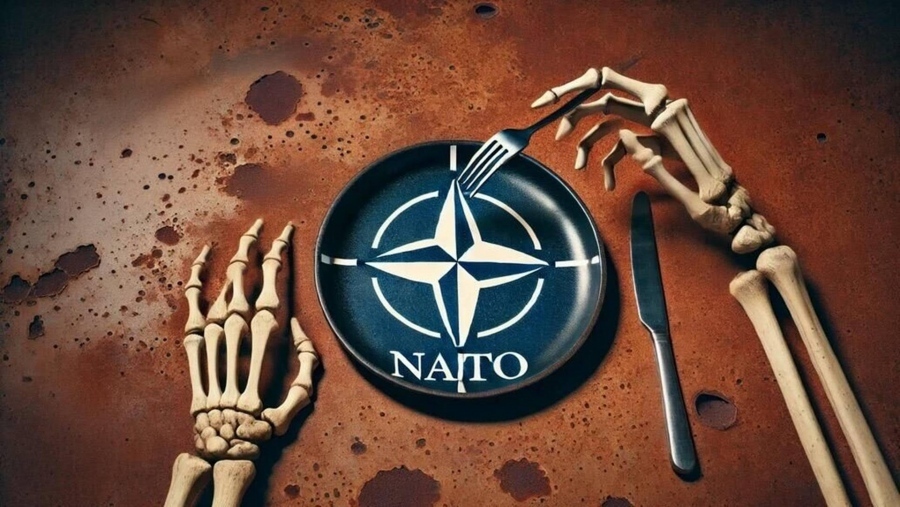
Europeans resist
Nevertheless, European countries are strengthening their resistance to US requests for aid against Iran, despite the growing anger of Donald Trump. Spain has emerged as a critical point of tension in the transatlantic rift. Madrid banned the use of its airspace by American military aircraft involved in the Middle East conflict and denied access to key bases, Vice President Carlos Cuerpo stated last Monday, 30/3, confirming the government's opposition to this specific operation. Polish Defense Minister Władysław Kosiniak-Kamysz stated on Tuesday, 31/3, that Warsaw has "no plans" to transfer Patriot air defense systems to the Middle East. "Poland's security is an absolute priority," he wrote on X. Italy also stated on Tuesday that it denied access to American bombers headed for Iran at the Sigonella base in Sicily.
Help in Hormuz after the war
Since the start of the US and Israeli attacks against Tehran on February 28, France, Germany, Italy, and the UK have resisted sending warships to the Persian Gulf. In March, they supported a joint statement with partners, including Japan and Canada, for "appropriate efforts" to ensure safe passage through the Strait of Hormuz—but only after hostilities cease, as German Chancellor Friedrich Merz emphasized. Tensions have escalated even further.
Trump attacks Britain, France: You are on your own... - Find the courage and go to Hormuz to get oil
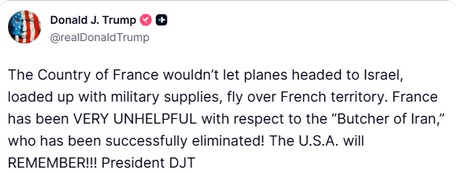
The impasse he has reached due to the war in Iran was confirmed by US President Donald Trump, who launched an attack on his NATO allies regarding their stance on the Iran war. In posts on Truth Social, Trump primarily targets Britain and France, which have made it clear they will not participate in his call to assist in military operations in the Straits of Hormuz. In his first post, targeting Britain, he states: "All these countries that can't get jet fuel because of the Strait of Hormuz, like the United Kingdom, which refused to participate in the 'decapitation' strike against Iran, I have a proposal for you: First, buy from the US, we have plenty of reserves, and second, find the courage you lack, go to the Strait and just TAKE IT. You should start learning how to fight on your own, the US won't be there to help you anymore, just like you weren't there for us. Iran has, essentially, been decimated. The hard part is over. Go get your own oil!" Trump says, targeting France in his second post: "France did not allow Israel-bound aircraft, loaded with military equipment, to fly over French territory. France served us not at all against the 'Butcher of Iran,' who was finally eliminated! The US will REMEMBER this!!!".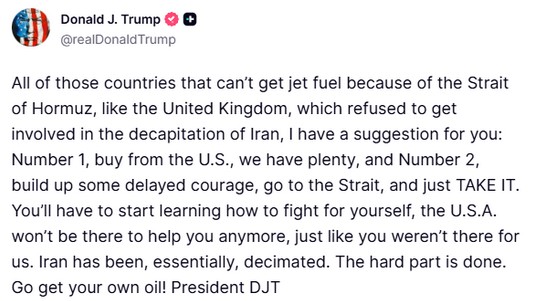
Starmer's response: The most effective Alliance the world has ever seen
British Prime Minister Keir Starmer defended NATO, arguing that it is the "most effective military alliance the world has ever seen." Asked if the UK's long-standing security relationship with the US is about to change, following Trump's interview with The Telegraph, Starmer replied that NATO "has kept us safe for many decades." "Whatever the pressure on me and others, whatever is being heard, I will act according to the British national interest in all decisions I make, and that is why I have made it clear that this is not our war and we are not going to get involved in it. But I am equally clear that regarding defense and security, and our economic future, we must have closer ties with Europe," Starmer underlined.
www.bankingnews.gr



Readers’ Comments