

Although US President Donald Trump maintained from the Oval Office that the war in Iran will end in two to three weeks—by April 20 at the latest—all eyes are fixed on the address he will deliver to the American people at 4:00 a.m. (GMT+2, Greek time) on Thursday, April 2. The prevailing assessment is that in this message, Trump will announce the US withdrawal from the war in Iran within the coming weeks, claiming that the primary objectives of the military operation have been achieved and that the US has won. Analysts, however, judging by the ambiguous and intensely contradictory policy and strategy of the American president, remain cautious. They argue that the scenario of announcing the start of a ground invasion of Iran cannot be ruled out. It is no coincidence that the Iranians claim they have absolutely no trust in the American side, warning that they can fight for at least six months and threatening that any US invasion will result in massive casualties. At the same time, Israel continues to bomb Tehran and Beirut, leveling southern Lebanon and signaling that the end of the war is not near.
Russia: We are in contact with the CIA regarding the end of the war in Iran
The SVR, Russia’s Foreign Intelligence Service, is in contact with the CIA regarding the end of the war in Iran. In statements, SVR chief Sergei Naryshkin maintained that the Russian Foreign Intelligence Service is cooperating with the CIA on the situation surrounding Iran. "Yes, contacts are being maintained," Naryshkin told reporters in response to a related question. The head of the SVR added that to resolve the crisis in the Middle East, Russia is conducting consultations with the authorities of several countries. It is noted that the US has dropped clear hints that Russia assisted Iran with intelligence to strike American targets in the wider Persian Gulf region.
Trump: We achieved the main goal, Iran will not acquire nukes
US President Donald Trump argued that the primary US goal in the war with Iran was to ensure that Tehran would not be able to develop a nuclear weapon, claiming this goal has already been met. "That was the goal, and it has been achieved," said Trump, who nonetheless underlined that operations continue, leaving open the possibility of a deal between Washington and Tehran. "Now we are finishing the job. We will be leaving very soon. I think in two weeks, or maybe a few days more, we will be finished. We want to neutralize what they have," the American president said. When asked if successful diplomacy is a prerequisite for the US to end the so-called "Operation Epic Fury," Trump replied that it is not. "Iran doesn't need to make a deal, no. No, they don't have to make a deal with me," Trump stressed, while noting a deal could still happen. "We have set them back 15 to 20 years. They have no navy, no army, no air force. The Iranian leadership has been weakened; they have no leaders," Trump said.
Trump’s national address
Despite these statements, Trump announced that he will proceed with a televised address to the American people regarding the war in Iran at 4:00 a.m. on Thursday, April 2. The announcement of the address, combined with his White House remarks and the concentration of massive military forces in the Middle East and Persian Gulf, has fueled scenarios that the American president might even announce the launch of a ground invasion. However, this scenario is not gaining ground among most analysts, who estimate that following the military fiasco, Trump is looking for an exit strategy from the war in Iran.
Daniel Davis (Retired US Colonel): He will announce a ground invasion
During his address to the American people, Trump may announce a ground operation in Iran, retired US Army Colonel Daniel Davis suggested on social media platform X. "Given that he just made a statement from the Oval Office today about the war ending in two to three weeks, it seems tomorrow's message will not be the same. The question arises: might he announce some ground operation?" Davis wondered. He criticized the American leader for contradictory statements that mislead not only Americans but also Washington’s allies. "This is how empires collapse, when no one knows what a weakening state is doing. Allies and adversaries are left only to guess and act on their own assumptions, which could end badly for us," Davis concluded.
US sends two EA-37B Compass Call electronic warfare aircraft
The scenario of an invasion is bolstered by Trump’s decision to send two EA-37B Compass Call electronic warfare aircraft, which are the premier tools for dismantling enemy communications. On March 31, two US Air Force EA-37B Compass Call aircraft were observed arriving at RAF Mildenhall in the UK, after departing from Davis-Monthan Air Force Base. Open-source flight tracking data suggests a possible further deployment to Turkey to support the ongoing US-Israeli war in Iran. The EA-37B, developed by L3Harris and BAE Systems, is designed to disrupt enemy command and control networks. This deployment follows rumors that the US Air Force lost two older-generation EC-130H Compass Call aircraft in an Iranian raid on March 29 at the Prince Sultan Air Base.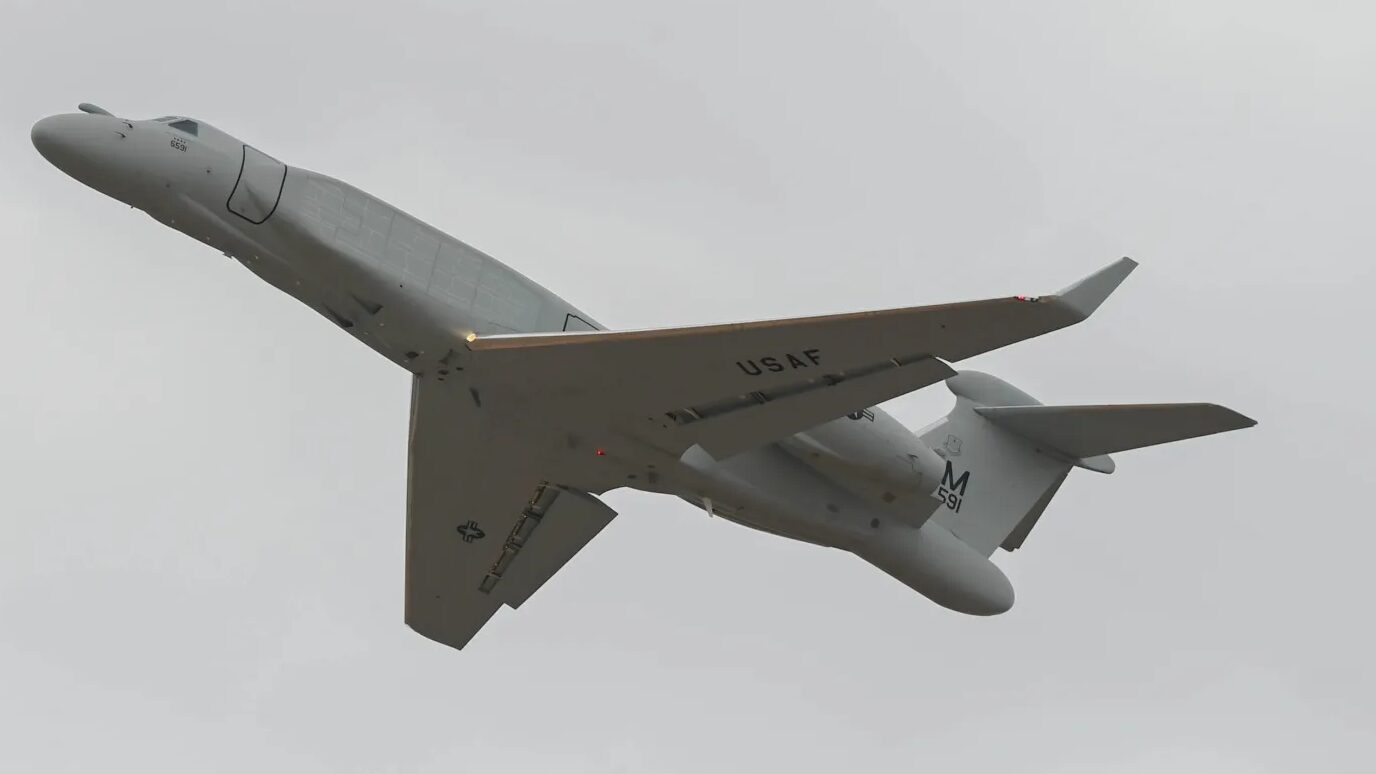
Rubio (US Secretary of State): The finish line is visible
Aligning with Trump, US Secretary of State Marco Rubio claimed that Washington can see "the finish line" in the Iran war. Speaking to Fox News, Rubio noted that "it’s not today, it’s not tomorrow, but it’s coming." He mentioned the possibility of a meeting between the two sides "at some point," reiterating that the United States could now "see the finish line."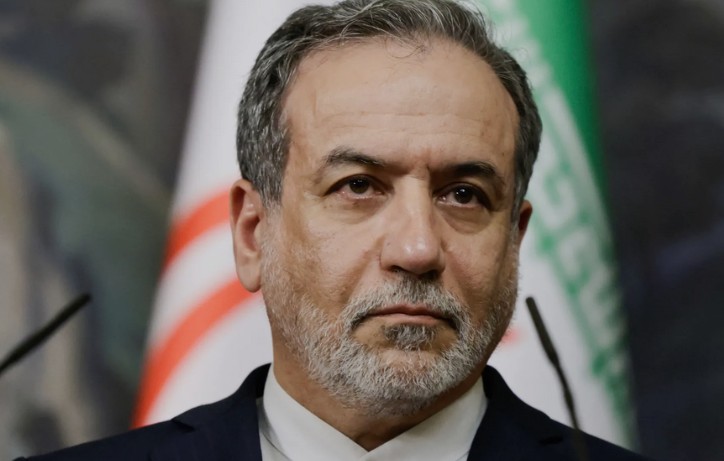
Araghchi (Iranian Foreign Minister): Zero trust in the US
The Iranian government has not yet made any decision on whether to conduct negotiations with the US, emphasized Foreign Minister Abbas Araghchi. "We have no confidence that negotiations with the US will yield results. The level of trust is at zero. We see no honesty on the other side," Araghchi said, stating that Tehran would only accept a full termination of hostilities in the region, rather than a ceasefire solely suspending attacks against Iran. Furthermore, he admitted to exchanging messages with Trump's special envoy, Steve Witkoff. "I receive messages from Witkoff directly, as before, but this does not mean we are in negotiations," Araghchi maintained, insisting Tehran did not respond to a reported 15-point proposal from Washington. "Washington's claim of negotiations with anyone in Iran is not true," the minister added, stating Trump must change his approach. "One cannot speak to the Iranian people with the language of threats and ultimatums."
Araghchi: Ready for war for at least 6 months – Americans will have heavy losses if they invade
Araghchi further stated that the Americans will suffer a defeat with very heavy casualties should they invade Iran and trigger a ground war. "I have said it, we are waiting for them. I don't think they will dare to do such a thing. They will have many losses. We defended ourselves with great determination and caused significant damage to their equipment and facilities. You saw what happened to the AWACS or the refueling aircraft. We are fully ready to face any ground threat. From our perspective, the end of the war must include the entire region—Lebanon, Iraq, and Yemen. We seek peace in the whole region. We recommend they end this war permanently before seeing even greater damage," Araghchi said. When asked if Iran is ready for a 6-month war, he replied, "at least 6 months."
Pezeshkian: Ready for a ceasefire, but we demand strong security guarantees
Diplomatic developments are also surfacing, with President Masoud Pezeshkian stating Tehran has the will to "end the war" against Israel and the US, but demands guarantees to prevent a recurrence of aggression. "We have the necessary will to end" the conflict, now in its fifth week, "provided that the necessary conditions are met, especially the security guarantees," Pezeshkian said in a call with European Council President Antonio Costa.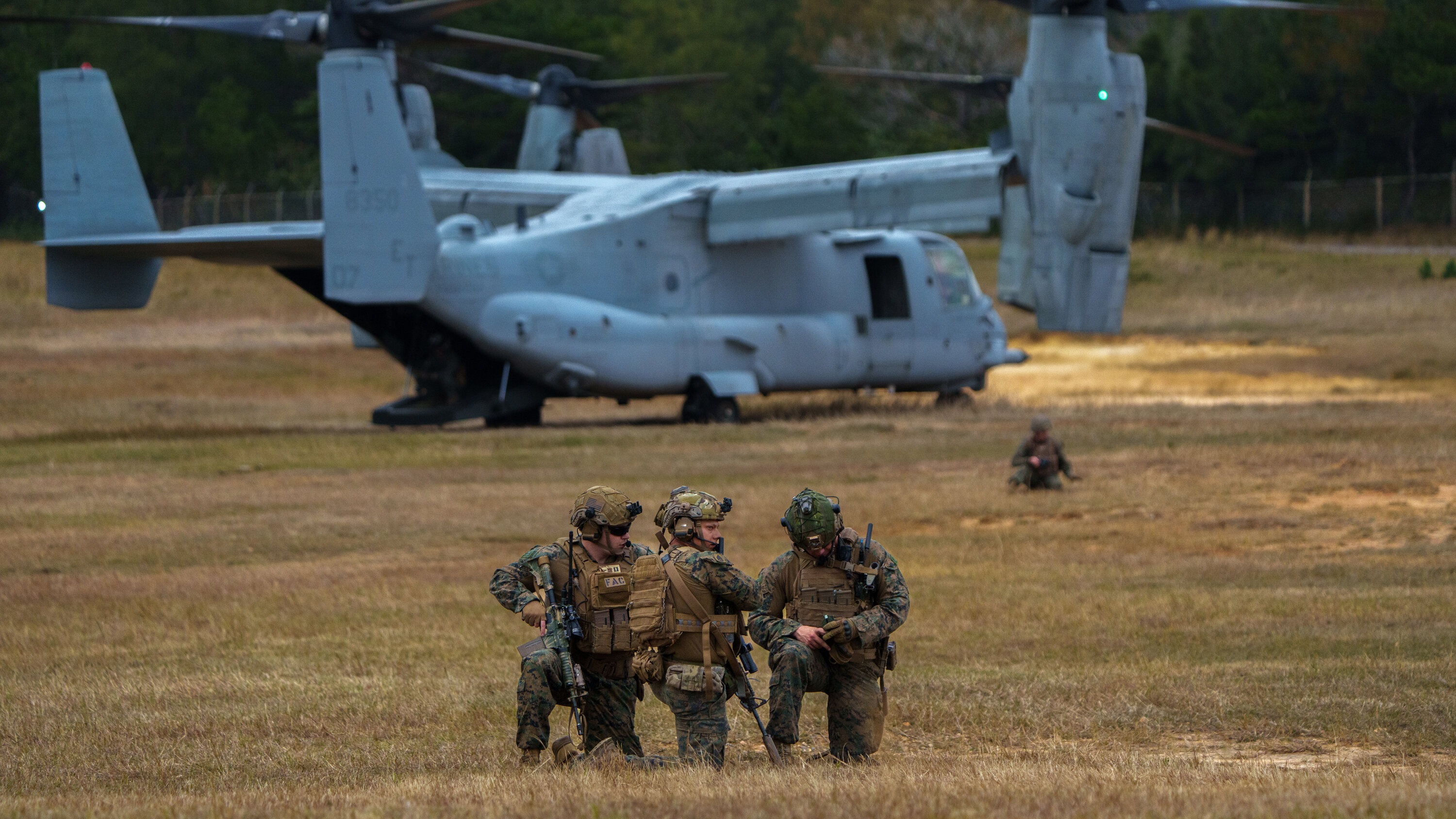
Esmail Baghaei (Iranian Foreign Ministry Spokesperson): We are in a defensive position
Iranian Foreign Ministry spokesperson Esmail Baghaei stated that Iran has conveyed its positions regarding the "war of aggression" to various mediators. In an interview with South Korea’s Yonhap news agency, the official said Iran is in a defensive posture due to constant missile attacks and bombings by the US and Israel. He emphasized that the nation is focused on defending its territorial integrity and sovereignty. Baghaei accused the US of contradictory statements and betraying diplomacy, referring to attacks on February 28, two days after a round of negotiations. Regarding the Strait of Hormuz, Baghaei said the US and its allies cannot use the strait for offensive actions, noting that neutral third parties can pass after coordination with Iranian authorities.
Revolutionary Guards: List of 18 Western companies targeted
The Revolutionary Guards released a list of 18 Western companies that, as of today, Wednesday, April 1, are targets. The list includes: Apple, Boeing, Cisco, Dell, G42 (a UAE AI firm), General Electric, Google, HP, IBM, Intel, JP Morgan, Meta, Microsoft, Nvidia, Oracle, Palantir, Spire Solutions, and Tesla.
Iranian missiles sweep Siemens and AT&T infrastructure in Israel
In retaliation for attacks on its infrastructure, the Iranian military announced a drone attack on strategic industrial and communication centers linked to Israel. Targeted facilities included those related to Siemens and AT&T, as well as networks supporting military systems. Iran emphasized it will continue to respond until threats are eliminated, characterizing the strikes as a response to the targeting of its energy resources.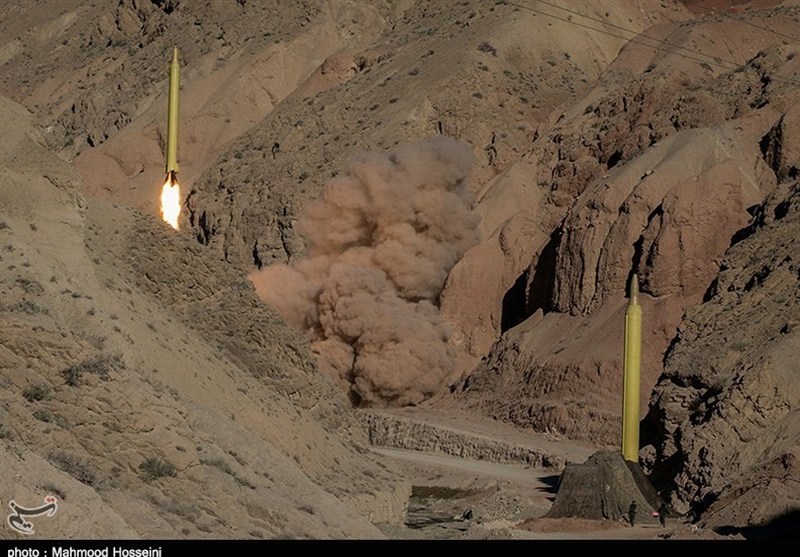
IRGC: Heavy blow to US pilot quarters in Saudi Arabia
The Revolutionary Guards announced they attacked the quarters of US pilots and flight crews at Al-Kharj in Saudi Arabia with drones and missiles. According to Tasnim, Aerospace Force Commander Seyed Majid Mousavi posted: "Today we struck a gathering of about 200 people. Now, to the list of losses for Trump and Hegseth, a list of casualties and injuries of flight personnel has been added."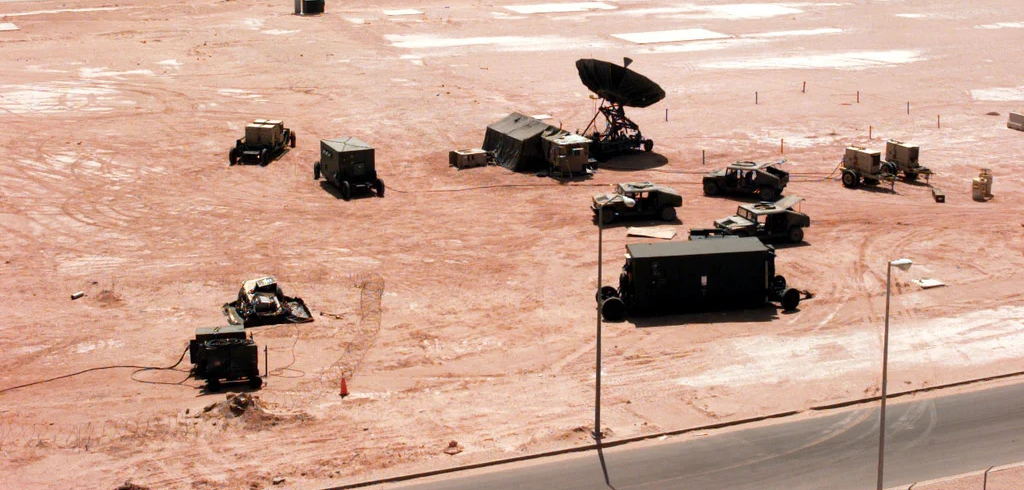
Houthis: We struck sensitive targets in southern Israel with Iran and Hezbollah
The Yemeni Armed Forces announced they targeted sensitive locations in southern Israel with ballistic missiles. Spokesman Yahya Saree claimed this was the third military operation in the "holy jihad" against the Israeli south. The statement noted that the operation was carried out jointly with Iran and Hezbollah and achieved its objectives, vowing the strikes would intensify until the blockade is lifted.
Attack on Kuwait airport, missile hits tanker off Qatar
Iran reportedly launched a drone attack against fuel storage tanks at Kuwait International Airport, causing a fire, according to the official KUNA agency. No casualties were reported. Meanwhile, a tanker was hit by an "unknown projectile" off the coast of Qatar, according to the UKMTO. The incident occurred 17 nautical miles north of Doha, damaging the hull above the waterline, though the crew was safe.
Iran has launched 5,644 missiles and drones against US targets in Gulf states
According to reports from Arab nations, Iran has launched 5,644 missiles and drones toward US interests in the last 32 days. Tehran characterizes these attacks as a response to "ongoing US and Israeli aggression," stressing that the targets are American bases, not the host countries. The UAE received the highest number of attacks, followed by Kuwait, Bahrain, Qatar, Saudi Arabia, and Jordan. GCC Secretary General Jasem Albudaiwi stated these launches account for 85% of all Iranian attacks in this war.
Wall Street Journal: UAE ready to help US open the Strait of Hormuz
The Wall Street Journal reports that the United Arab Emirates is preparing to help the US open the Strait of Hormuz by force. Citing Arab officials, the paper said the UAE is lobbying for a UN resolution to authorize such action. If the UAE intervenes, it would be the first Gulf country to become a belligerent in the conflict.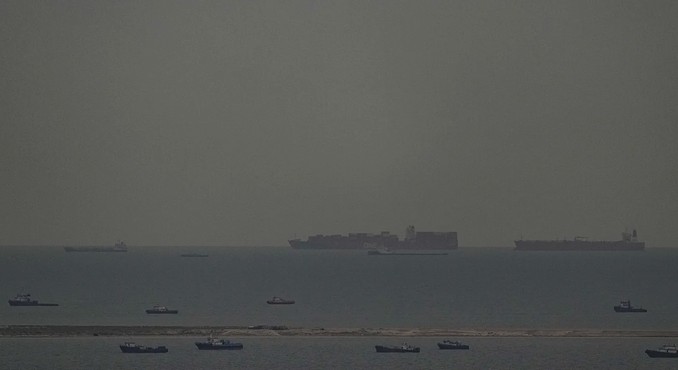
Israeli air raid on Tehran
Israel launched another air raid against Tehran early this morning. According to IRIB, areas in the north, east, and center of the capital were hit, with explosions and power outages reported. Air defense systems were activated following strikes on infrastructure.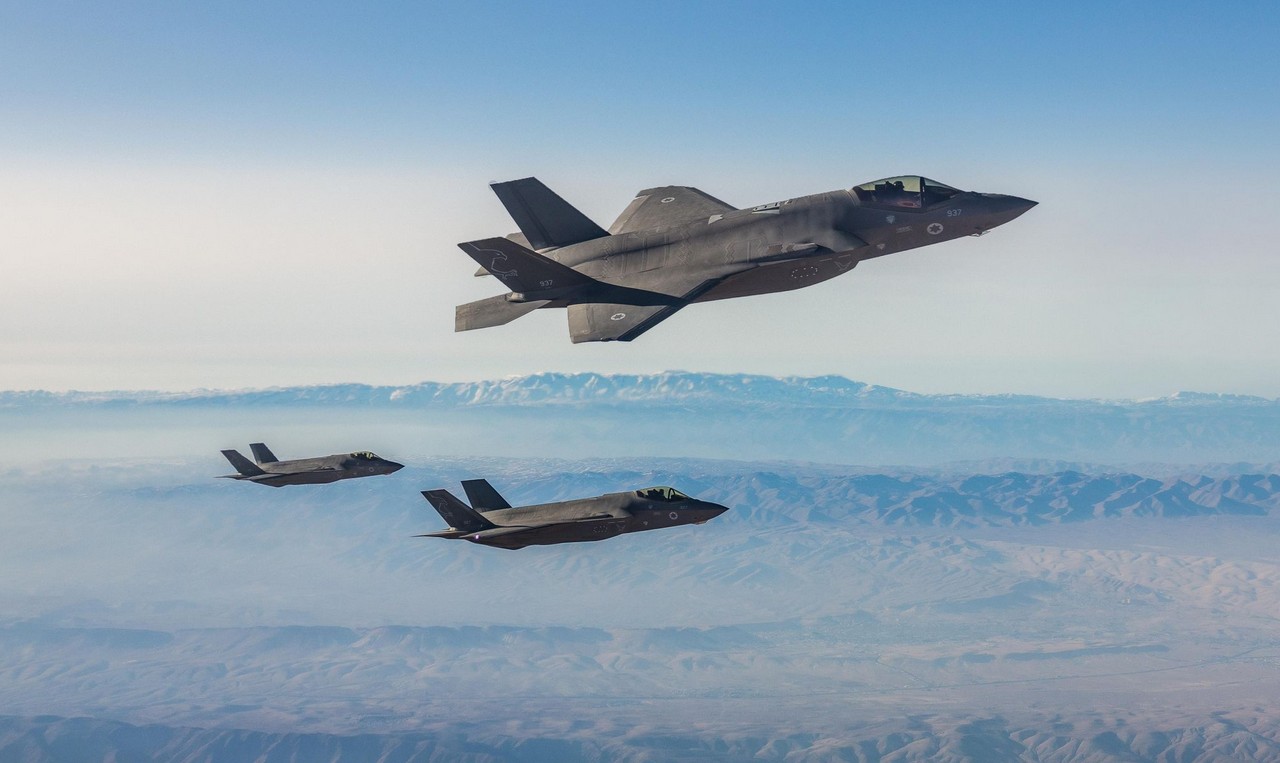
IDF: We have dropped over 16,000 bombs on Iran, 10,000 raids on 4,000 targets
The IDF announced it has dropped over 16,000 bombs on Iran since the war began. According to the Israeli military, over 10,000 separate raids have targeted air defense systems, missile launchers, and nuclear facilities. The strikes were primarily carried out by F-35I fighters.
Israel targeted "senior Hezbollah commander"
The Israeli military announced it struck a "senior commander" of the Iranian-aligned Hezbollah and a "high-ranking terrorist" in Beirut overnight. The statement via Telegram did not clarify if the second target also belonged to the Lebanese group.
www.bankingnews.gr













Readers’ Comments