

Saudi Arabia finds itself in an extremely difficult position under intense pressure from the United States, as any escalation of tensions with Iran could ignite a broader regional conflict. According to the Tasnim International News Agency, the Persian Gulf nations, facing the risk of full-scale war, are struggling to balance their national interests with the preservation of regional stability.
Limited options for Arab nations
The Lebanese newspaper Al-Akhbar highlights the profound dilemma facing Arab states: US pressure demands they take an open stance in the US-Israel war against Iran, yet maintaining strategic flexibility severely limits their available options. Gulf countries have invested decades in Western alliances and host a significant presence of US bases on their soil; however, they simultaneously seek to preserve functional relations with Iran, recognizing that total involvement could drastically transform the region's geopolitical balance. In this context, Yemen has avoided directly targeting Arab nations, focusing its efforts on Israel while signaling that it will not strike Muslim countries, linking the closure of the Bab al-Mandab Strait to the broader involvement of foreign coalitions.
The message to Riyadh
The strategy employed by Yemen provides Saudi Arabia with more "bargaining chips" to avoid direct participation in a war that could set the entire Middle East ablaze. Conversely, states such as the UAE and Bahrain have already committed fully to the US and Israel, increasing the likelihood of their rapid entanglement. Involvement in a war led by the US and Israel, aimed at subjugation and shifting the regional sphere of influence, is by no means a simple choice for the Gulf states. Saudi Arabia has already blocked operations that would directly serve Israeli interests, such as the expulsion of agents or supportive actions in Syria, Sudan, or Somalia.
Riyadh's great dilemma
Saudi Arabia is facing intense pressure campaigns, primarily from the American press, with reports suggesting that Riyadh is preparing for direct military confrontation with Iran while simultaneously being encouraged toward normalization deals with Israel. Despite this pressure, top analysts close to the Saudi regime emphasize that Riyadh does not intend to declare war on Iran, thereby limiting its military contribution to the American-Israeli effort.
Any direct military involvement would be viewed as a severe political loss, particularly regarding internal policy and public approval. Comments from former President Donald Trump, calling for Saudi Arabia to join the war, reflect the complexity of the situation: the desire for involvement does not automatically translate into the capacity or the will to engage in such a high-risk conflict. 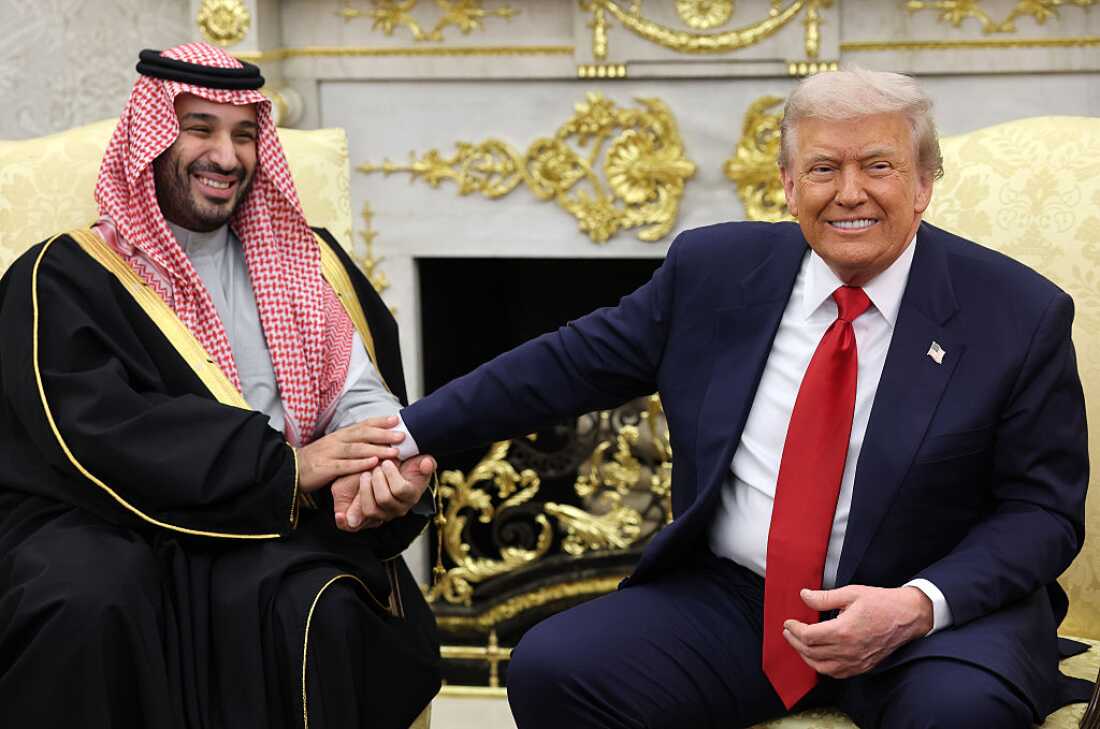
Saudi Arabia stands at a delicate strategic crossroads:
-
On one hand, it seeks to prevent a clear Iranian victory that would overturn the regional balance of power.
-
On the other hand, any escalation or direct involvement could lead to warfare in the Persian Gulf, directly impacting energy markets and regional stability. The situation remains volatile, as US bases are utilized for strikes against Iran, and Tehran responds by targeting these installations and other interests, without yet triggering a total conflict with the Gulf states that are attempting to keep their distance.
www.bankingnews.gr








Readers’ Comments