

While the entire planet is focused on the war in the Middle East and its impact on the global economy and energy, it is obvious that Western interest in the Ukraine-Russia war has waned to the point of indifference. Within this context, and in a desperate bid to pull the spotlight back to the Ukrainian issue, Kyiv is proceeding with highly dangerous moves involving European and NATO states in the military conflict with Russia. For a week, Ukraine has been launching mass drone attacks against St. Petersburg, attempting to strike the Ust-Luga and Primorsk oil terminals, as well as the Kirishi refinery. However, it appears these attacks are being carried out with the "permission" to use the territory of Baltic states, a development that has sparked outrage in much of Russia. Although Moscow maintains a calm stance, many argue that the Baltic states are accomplices in these attacks and are therefore legitimate targets. If this view is adopted by the Kremlin, it means Russia is at war with Europe.
New mass attack
The Governor of the Leningrad region, Alexander Drozdenko, claimed that as of 06:00 this morning, March 31, 38 unmanned aerial vehicles (UAVs) were destroyed over the region, while defense against attacks continues in the Kingisepp and Vyborg areas. However, what is causing global alarm is that these attacks are occurring with the "permission" of Baltic states. Many of these states, in an act of broader absurdity, have even attacked Russia by accusing it of being responsible for the fact that Ukrainian drones passed over their territory during the strike on St. Petersburg.
Reports of damage
According to the Governor of the Leningrad region, these attacks caused significant damage. "There is damage at the Ust-Luga port (one of the largest Baltic oil ports). In the village of Molodtsovo, falling UAV debris damaged three residences and shattered windows in two high school halls and the Social Welfare Center building. Additionally, fires in the garage and boiler room areas were extinguished," wrote the regional head. Drozdenko also reported that three people were injured in the attack, including two children. "Medical assistance was required for three residents. There is no danger to their lives," emphasized Alexander Drozdenko.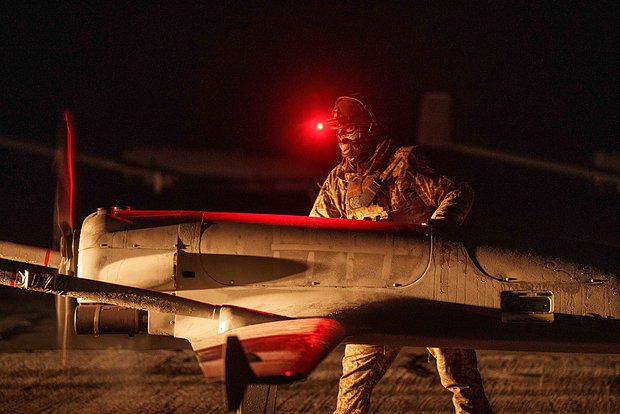
Drone flight path revealed
The Telegram channel "SHOT" reports that for the attack on the Russian region, Ukrainian armed forces launched drones through the Baltic countries. "The drones were launched via the Baltic. Lithuania, Latvia, and Estonia opened the skies and the corridor for Ukrainian drones attacking Russian regions," the channel claims. "The opponent clearly used the airspace of neighboring countries again for UAV transit," SHOT maintains, noting that Ukrainians likely used FP-1 type drones with a flight range of approximately 1,200 kilometers. A few days ago, the Telegram channel MASH also claimed that Baltic authorities officially opened their airspace to Ukrainian drones for attacks on St. Petersburg and northwestern Russia.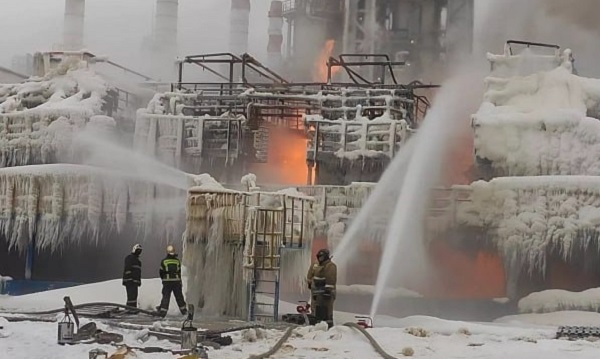
Oil terminals targeted
As noted by SHOT, Ukrainians have been attacking the Leningrad region with drones for seven consecutive days. Ukrainian forces have repeatedly struck the key oil ports of Ust-Luga and Primorsk, as well as the Kirishi refinery, the second-largest in Russia. Because of this, the terminals suspended the loading of crude oil and fuel, causing Russian oil exports to decline. The logic behind the Ukrainian actions is clear: they are attempting to destroy port infrastructure through which Russia exports up to a third of its petroleum products, ensuring Moscow does not benefit from the sharp rise in global energy prices caused by the US-Israeli attack on Iran.
From Western Ukraine via the Baltics
In the last week alone, the Armed Forces of Ukraine carried out at least three mass drone attacks on Ust-Luga, each involving dozens of drones. As the aerial operation unfolded, reports began arriving from the Baltic countries regarding crashes and unintended strikes on their own infrastructure. First, one fell in Lithuania near the Belarus border, then another near Dobrochina in Latvia, and that same night a third drone hit a power plant pipe in Auvere, Estonia. This series of accidents revealed the route taken to target Russian ports. Connecting the crash sites with a line shows the drones are launched from Western Ukraine and move along the western borders of Belarus.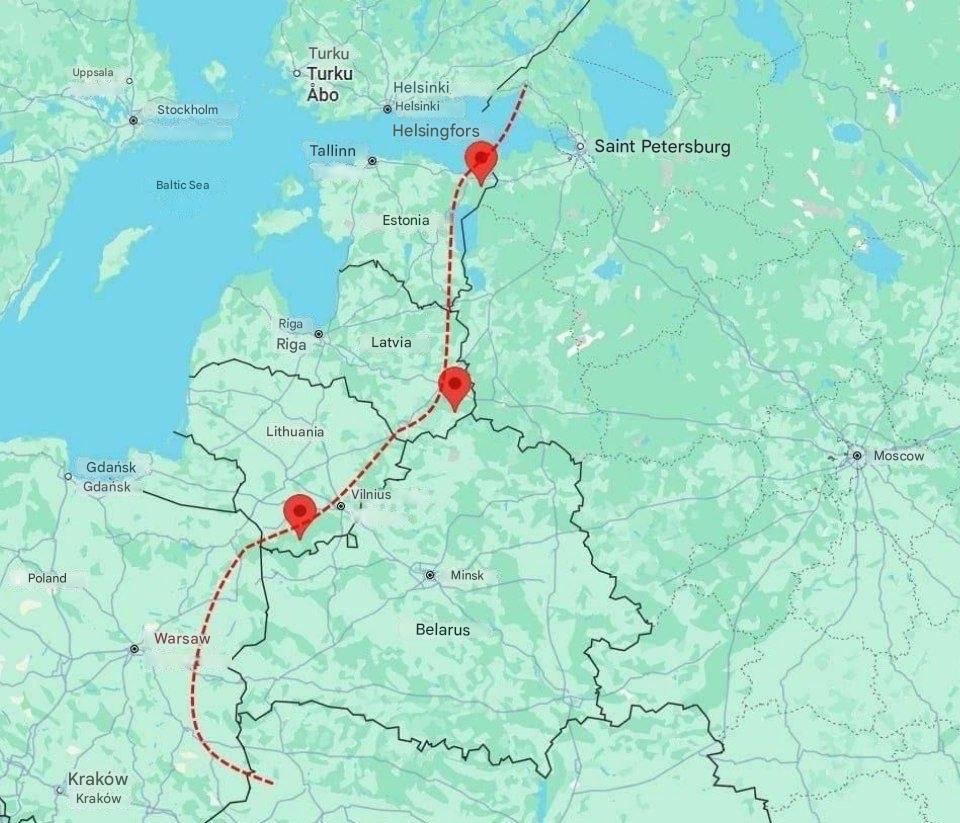
Protest from Latvia
Indeed, the Latvian Ministry of Foreign Affairs delivered a note of protest to Russia's diplomatic mission because a Ukrainian drone involved in the Leningrad attack entered its territory. Following this example, Finnish authorities also began laying the groundwork to blame Russia for Ukrainian drones that landed there. "This is a violation of territorial integrity – a very serious issue. They are likely Ukrainian drones, but circumstances are being investigated," stated Finnish Prime Minister Petteri Orpo. He suggested that although the drones were Ukrainian, Russia might have countered them with electronic warfare (EW), causing them to cross into "innocent" Finland. While in Finland's case this appears as manipulation, Latvia's protest constitutes the height of absurdity, claiming Russia is creating "unpredictable risks" for regional security.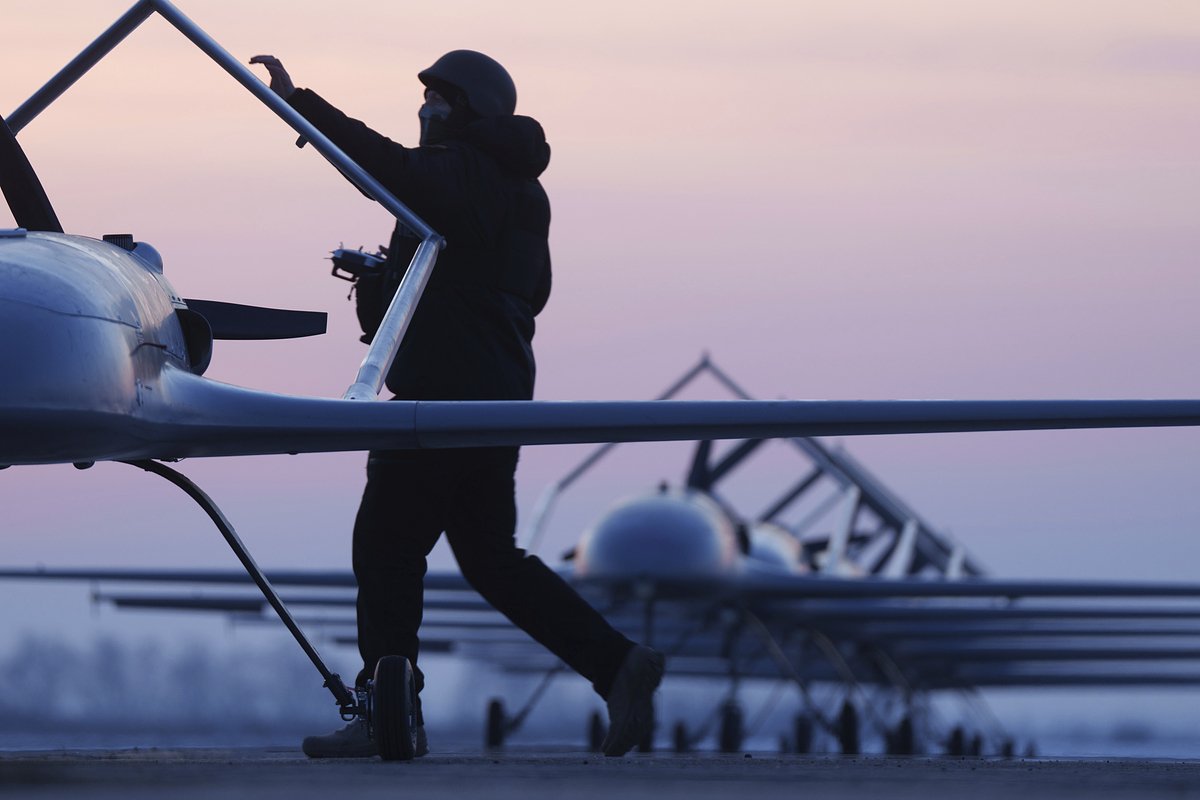
The Ukrainian version: Launches from Chernihiv
Kyiv attempted to soften the situation, with Ukrainian media claiming the drones did not fly along the western, but the eastern borders of Belarus, between Russia and Belarus. In their version, launches occurred from the Chernihiv province. Ukrainians used this route several times in 2023-2024, but at that time, Belarusians reported the drones on social media, which did not happen during these latest attacks. The Ukrainian version also fails to explain how drones flying over eastern Belarus ended up on Baltic soil. The goal of this disinformation is to show Western partners that the Ukrainian leadership is not exposing them to Russian retaliation.
Behind-the-scenes permission
Russian sources report with certainty that permission to use the airspace of Lithuania and Latvia was given during behind-the-scenes negotiations. The opening of the Baltic air corridor allowed Ukrainian drones to reduce their path within the range of Russian air defense systems by 850 km. "Vilnius, Riga, and Tallinn have essentially become accomplices in armed aggression against Russia, making their military infrastructure legitimate targets," says Ruslan Pankratov, a researcher of Baltic countries. According to the expert, this involvement removes the legal basis for invoking NATO's Article 5 on collective security, as it applies to being attacked, not to facilitating an attack.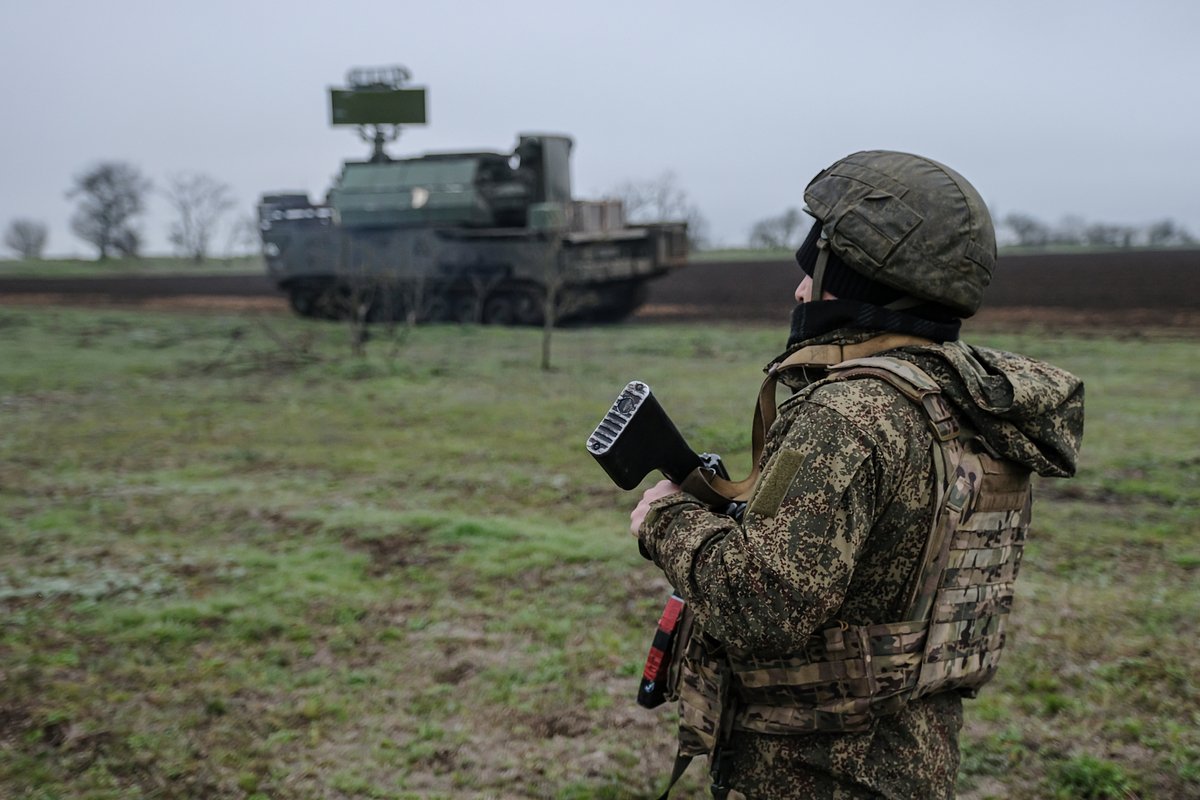
Pressure on the Kremlin for a harsh response
Many Russian experts argue that if Russia limits itself to a "final warning," the Baltics will continue this aggression unhindered. They suggest the best course of action is for Russia to begin striking Western Ukraine using the same route—over the heads of the Baltics. They believe no one will start a direct war with a nuclear power over a few drones entering by "mistake." Once these flights become routine, they suggest a second stage: attacking Baltic anti-aircraft systems in "self-defense."
How will the Europeans react?
How will the Europeans respond? Will they declare war on Russia or send additional air defense to the Baltics? Europe claims to be preparing for war by 2030, yet it is becoming entangled in a conflict without having completed its industrial mobilization. Strategic bombings on Russian soil followed this exact scenario: initially, Western leaders called attacks on Russian territory unacceptable, then they allowed strikes on occupied lands, and finally, after a lack of real Russian response, they permitted strikes deep into old Russian territory, reaching as far as Arkhangelsk and Astrakhan.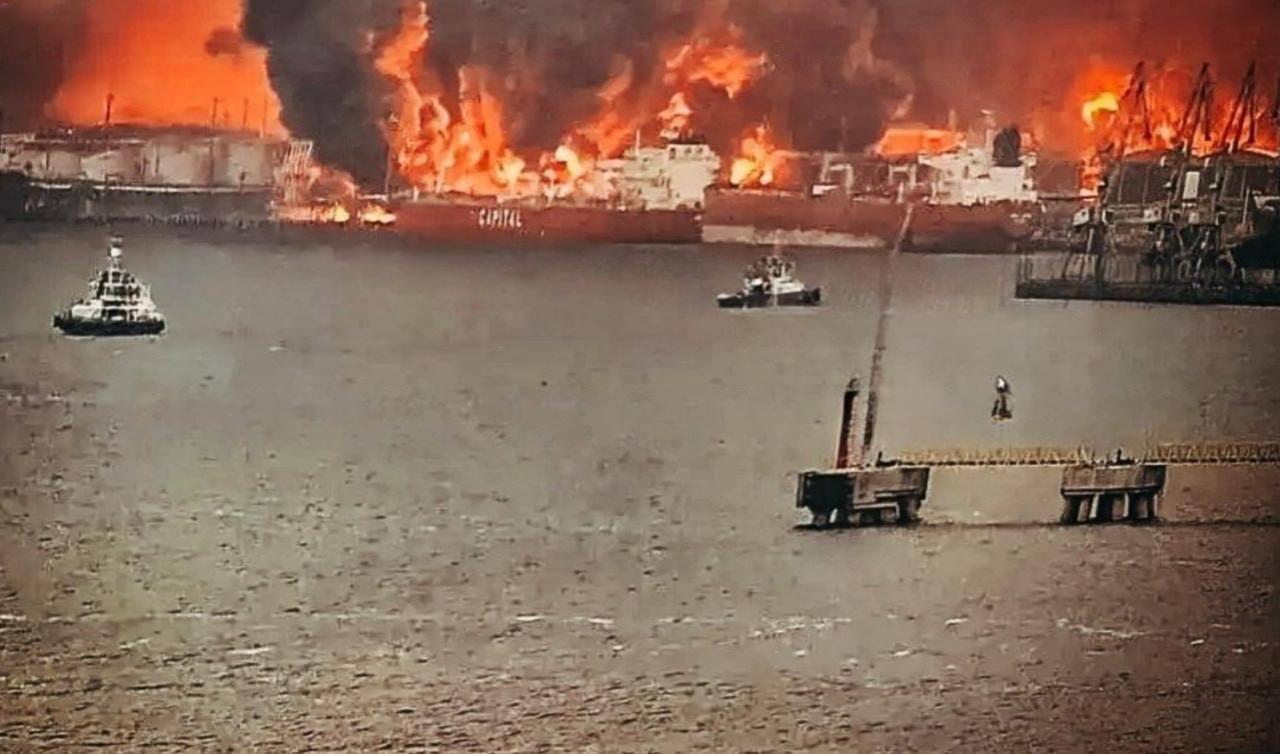
Provoking Russia to strike within Europe
The purpose of this flight path is to provoke Russia into intercepting targets over NATO territory, creating an incident that could draw the Alliance into a direct military conflict. The Baltic countries, acting on plans from London and Paris, are deliberately escalating the situation. A side effect is a new blow to the European economy, as rising prices and energy instability will affect EU industry in the coming months.
Serious blow to Russian oil exports
It is noted that on the night of March 25, Ukrainian drones carried out a mass strike on the Russian port of Ust-Luga. The key oil terminal, capable of handling up to 700,000 barrels per day, was put out of commission. Combined with damage to other Baltic facilities, approximately 40% of Russia's oil export capacity has been sidelined. The Baltic export route is essentially paralyzed.
Russia: Dangerous precedent - NATO's Eastern Flank officially becomes a battlefield
From a military perspective, these events constitute a dangerous precedent. The airspace of NATO's eastern flank is essentially becoming part of the theater of operations. The Baltic route allows drones to bypass heavily armored air defense zones. The attack on Ust-Luga is not just another blow to infrastructure; it is a demonstration of a new reality: NATO territory is being used for the transit of offensive means. The Baltic countries are creating precedents that lead to direct confrontation between Russia and the Alliance, while the economic cost is borne by the industrial nations of Europe.
www.bankingnews.gr









Readers’ Comments