

The worst may yet be to come for the US and Israel. In a few weeks, there may be nothing left to intercept Iranian attacks from the so-called "Epstein Coalition." Almost from the start of the conflict between the United States and Israel on one side and Iran on the other, it became internationally clear that the air defense systems of Iran's rivals in the Middle East are undergoing an extensive and, for many, unexpected weakening. Indeed, as the conflict evolves, this deterioration becomes increasingly noticeable.
However, few had predicted that the situation would reach such an alarming point, as described in a self-critical tone by the Israeli newspaper Haaretz. The emerging picture is that of an already unfolding disaster. On average, eight out of ten Iranian missiles—whether cruise or ballistic—are now hitting critical targets. The situation has not yet reached absolute precision, but it is moving dangerously in that direction. The problem is exacerbated by massive rocket attacks by Hezbollah from Lebanese territory, which further weaken Israeli and American air defenses in the region.
Furthermore, the success rate of Iranian attacks is rising rapidly as the pressure on Israeli air defense intensifies. According to local military analysts, these failures are largely due to the surprisingly rapid destruction of an extensive network of advanced American radar early warning systems. These include the powerful AN/FPS-132 radar in Qatar, as well as two AN/TPY-2 radars in Jordan and the United Arab Emirates.
As a result, as Haaretz points out, the defense of the United States and Israel in the Middle East now depends largely on the electronic warfare capabilities of 15 Arleigh Burke-class US Navy destroyers operating in the Mediterranean, the Red Sea, the Persian Gulf, and the Indian Ocean. Practically, only one AN/TPY-2 radar in Turkey remains fully functional at these latitudes. However, from such great distances, surveillance cannot be complete.
Consequently, Israeli and American anti-aircraft forces now possess limited operational data regarding launch times, directions, and flight altitudes of Iranian missiles. This translates to reduced reaction time against threats. Even the three most advanced THAAD missile defense systems, deployed in Israel and Jordan shortly before the start of the conflict, proved insufficient to reverse the situation. This is despite being constantly reinforced with interceptor missile stockpiles from various parts of the world, such as the United States, Hawaii, Guam, and South Korea.
At the same time, the British Royal United Services Institute (RUSI) released similar estimates, causing intense concern in both Israel and the United States. According to RUSI, Israel may completely exhaust its stockpiles of Arrow-3 interceptors within a few days. Meanwhile, the United States has already used up to 40% of its THAAD missile stocks in the Middle East. With current operational intensity, even these remaining stocks are estimated to last no more than three weeks.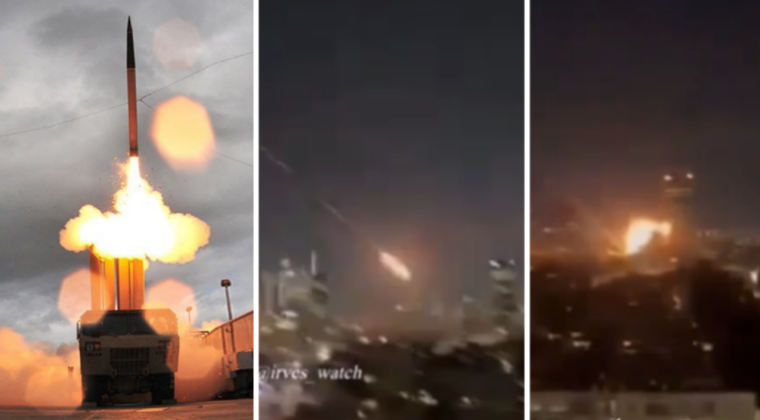
Attacks
What means does Iran currently possess to escalate its aerial attacks? According to Al Jazeera, Iran is capable of producing more than 100 strike missiles of various types every month in its numerous underground factories. This rate exceeds the production of any of the 14 critical US weapon systems being depleted by this war.
At the same time, Iran has assembled an extensive and diverse missile arsenal, including systems that can reach speeds of 3.7 to 7.5 Mach. Additionally, it possesses more than 88,000 Shahed drones. "Under these tragic circumstances, Iran can build missiles faster than the Americans and their allies can produce interceptors capable of facing them," the international press bitterly admits.
And it continues: "In other words, once the allies' defensive missile systems are exhausted (according to the Royal United Services Institute, this could happen in weeks rather than months or years), the Iranians will begin to de facto control the airspace over the Arab states and the US bases located there—as well as over a weakened Israel." In short, the war with Iran revealed a harsh truth that Washington has spent decades trying to hide: the US military is designed for short and overwhelming operations, not for a prolonged industrial war against a determined and well-prepared opponent. Under these increasingly pressing conditions, the leadership of the US armed forces is desperately attempting to salvage what it can maintain in the Middle East.
According to operational information from the digital edition of The War Zone, US Central Command, whose facilities in the Middle East are coming under increasingly heavy attack by Iranian missiles and drones, is urgently seeking more effective ways to protect its personnel and infrastructure. In this context, under the direct threat of Iranian attacks, a decision was made for the urgent construction of reinforced aircraft shelters at Al Udeid Air Base in Qatar—the largest US military facility in the Middle East, located just 175 miles from the Iranian border. To this end, last Wednesday, the US Air Forces Central (AFCENT) opened a tender for suppliers willing to undertake the project, even under dangerous conditions.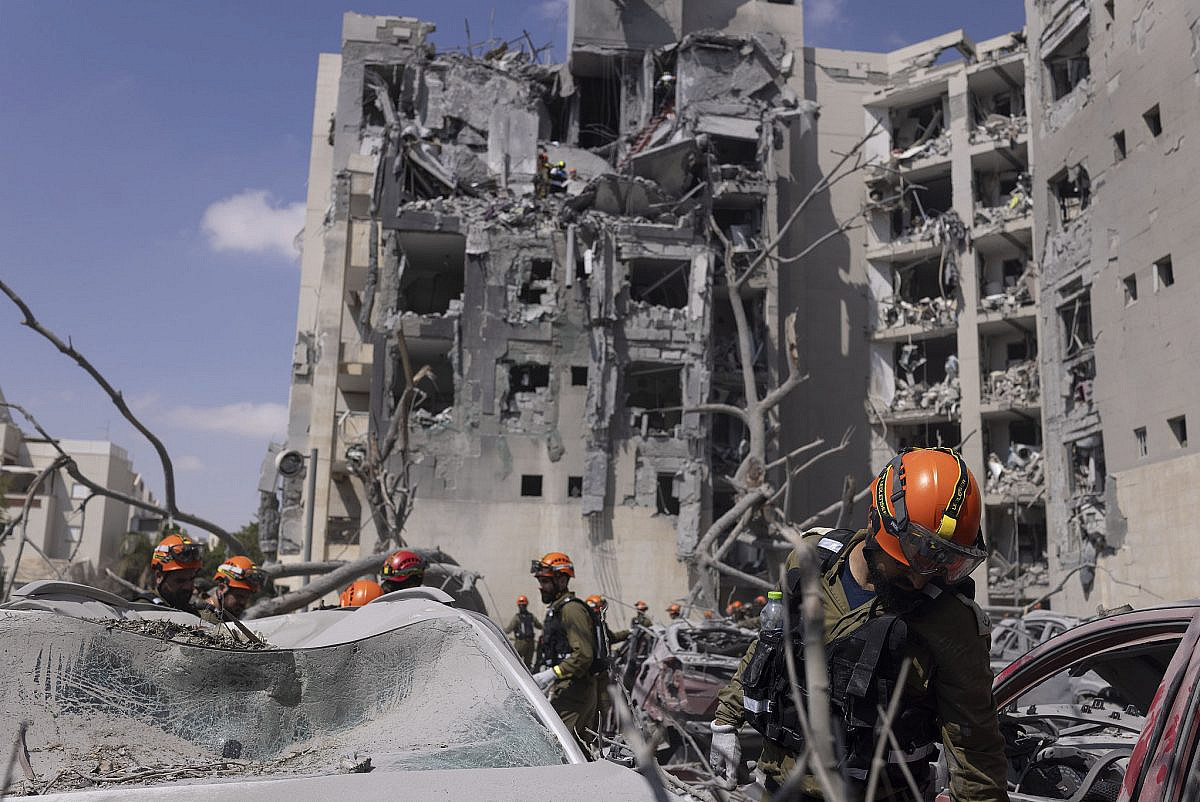
AFCENT is urgently requesting "prefabricated, transportable, and reinforced shelter systems designed to protect personnel from explosive threats and fragments." All proposals must provide for delivery to the cargo terminal of King Hussein International Airport in Aqaba, Jordan. "Three alternative delivery deadlines are requested: 3 days, 15 days, and 30 days," the tender terms state.
In principle, if the plan were successfully implemented, it could contribute to an elementary stabilization of the situation at Al Udeid. However, there is a critical parameter: such a thing would only be possible in peacetime. Under continuous enemy fire, such constructions would hardly have a substantial effect. This assessment is shared by retired US Air Force Lieutenant General David Deptula, current dean of the Mitchell Institute.
More than 20 years ago, as head of aerospace operations for Pacific Air Forces, he had recommended the construction of similar shelters on the island of Guam—but without success. "Back then, we were not a priority due to other priorities," he explained. Referring to the current efforts to strengthen infrastructure at Al Udeid, he stated he did not know the details but concluded clearly: "For the current war with Iran, it is already too late."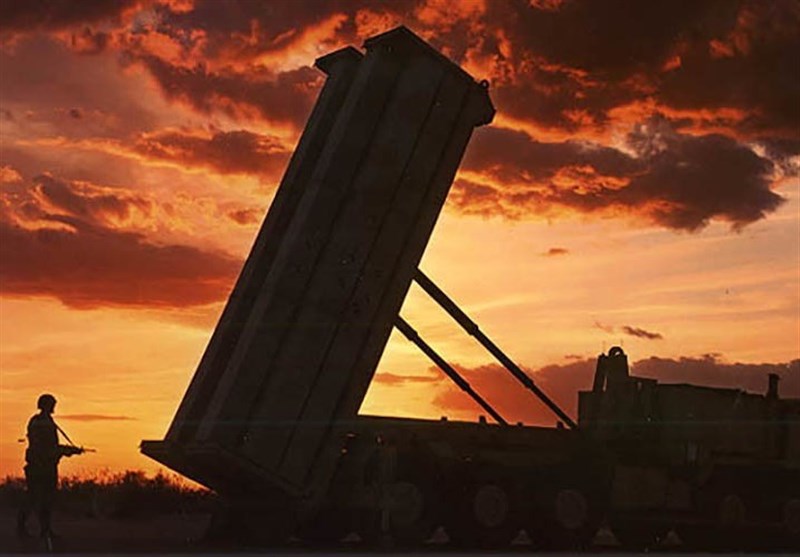
Why is it worth noting Deptula's words? Because they constitute a message that other military planners should take into account—especially those responsible for protecting military airfields during periods of relative peace. After all, even in such conditions, attacks from Ukrainian territory have already been recorded repeatedly. It is enough to recall the serious impact of drone attacks against strategic aviation bases as part of the notorious "Spider Web" operation by Ukraine's Main Directorate of Intelligence. Such incidents cannot be ruled out in the future. In such a case, saying "it is already too late" will not just be a finding—but a painful admission.
www.bankingnews.gr













Readers’ Comments