

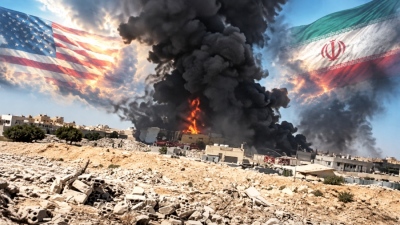
With each passing day of the Middle East war, now in its fifth week, Iran is effectively humiliating US President Donald Trump. The American president recently claimed that Iran has agreed to the majority of his 15-point proposal, even asserting that he has achieved "regime change" and is now speaking with "reasonable people." The official response from Tehran was swift and dismissive. "Trump says whatever he wants; there is no negotiation with the US," stated the spokesperson for the Iranian Foreign Ministry, noting that all US demands have been articulated only through third parties. Iran emphasizes that this war is existential, signaling that Iranians will resist "tooth and nail"—a direct reference to the capabilities of their Khaybar, Khorramshahr, and Sajil missiles. Simultaneously, Trump’s comments about "wanting Iran’s oil" and weighing a ground invasion to seize Kharg Island, control the Strait of Hormuz, or remove enriched uranium from Isfahan are indicative of Washington's current strategy. Analysts warn that any ground intervention would cause the situation to spiral out of control, leading to "total chaos" and a catastrophe of biblical proportions. Top experts stress that if a deal is not reached soon and the conflict escalates, the world could be heading toward World War III.
Iran snubs Trump: ‘He says what he wants,’ no agreement
Iran is refuting the US President’s claims that Tehran has accepted most of his 15-point proposal. Specifically, Foreign Ministry spokesperson Esmail Baghai argued: "American officials say whatever they want. We have had no negotiations with the US. Everything received was a US request via third parties. Our stance is clear: under these conditions of aggression, our entire effort is focused on self-defense. We do not consider these claims credible."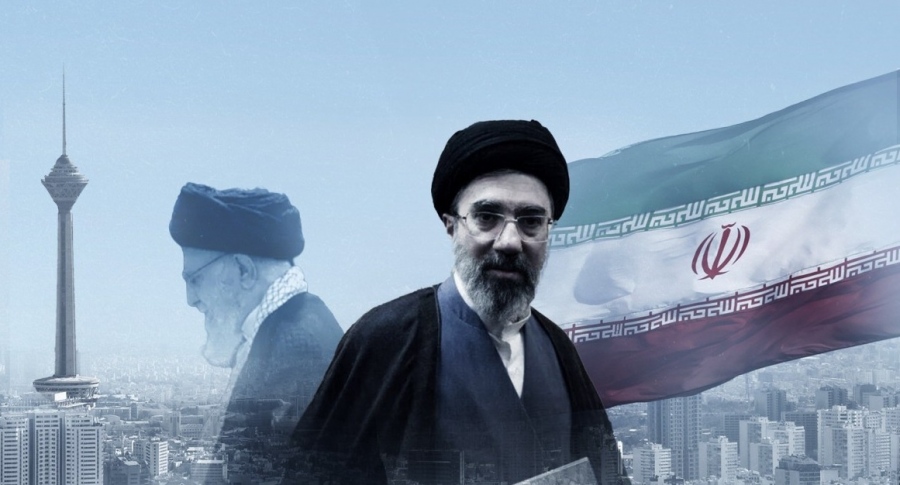
Unrealistic and irrational demands
Baghai stated that the 15-point proposal presented by the US to end the conflict contains "largely excessive, unrealistic, and irrational demands," contradicting President Donald Trump’s assertions that Iran had agreed to "most" of the list. Furthermore, the Iranian official emphasized that Iran did not participate in recent meetings organized by Pakistan with regional countries, stating these occurred within a framework not agreed upon by Tehran. "The meetings Pakistan is organizing with neighboring countries are within a context they designed themselves, and we have not participated in that framework," Baghai said.
We will fight tooth and nail
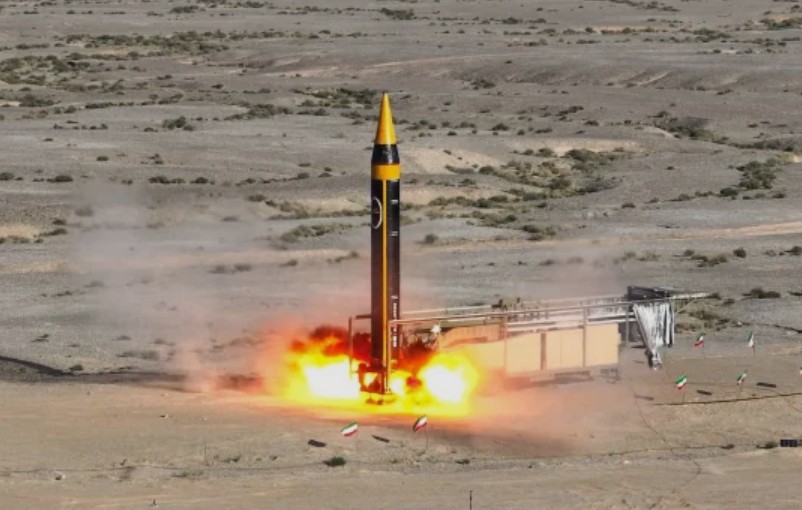
Baghai reminded that Iran has been the guardian of security in the Strait of Hormuz for years, pointing out that global spikes in fuel and food prices are the result of aggressive actions by the US and Israel. "The people of Iran have shown they will defend the honor and existence of Iran tooth and nail. Our 'teeth and nails' are the Khaybar, Khorramshahr, and Sajil missiles launched at the invaders. We are committed to continuing this just path with all our might to protect Iran’s existence," the official underlined.
Potential withdrawal from the Non-Proliferation Treaty
According to Baghai, Iran is considering withdrawing from the Non-Proliferation Treaty (NPT), though he noted Tehran does not seek to acquire such weaponry. "Yes, this matter, as announced by Parliament, is under consideration. The public is asking a perfectly reasonable question: what is the benefit of participating in a treaty where we are not allowed to exercise our sovereign rights?" the official asked, while maintaining that Tehran currently complies with NPT provisions and has "neither sought nor seeks the acquisition of nuclear weapons."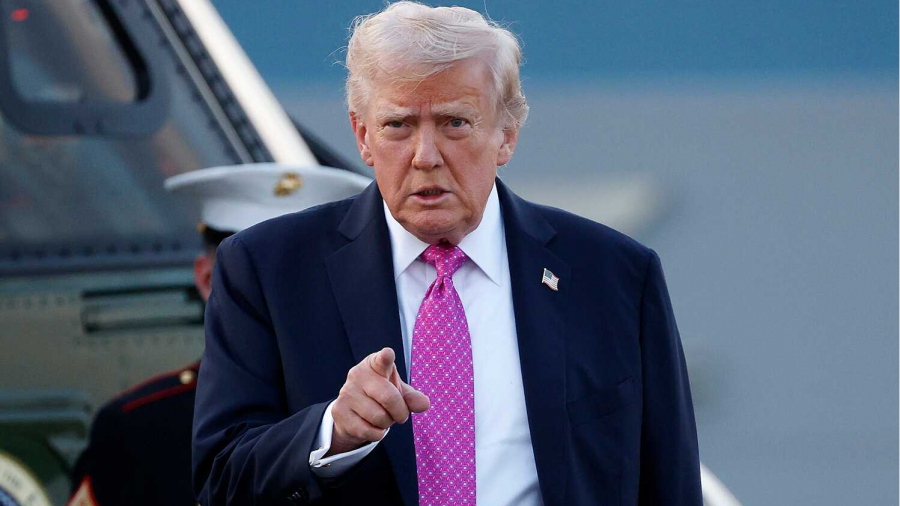
Trump: They agree with our plan
Earlier, President Donald Trump claimed the US and Iran have met "directly and indirectly" and that Iran's new leaders were "very reasonable," underscoring that the US has already achieved regime change. "We already have regime change, if you look at it, because the previous regime was completely destroyed... so I would consider it regime change and, frankly, they were very reasonable," Trump said, suggesting a deal with Iran could be reached "soon." He maintained that Iran has already agreed to the majority of his 15-point plan.
The "Farce" Proposal
It is noted that Trump’s proposal included requirements such as:
-
Iran must dismantle its nuclear capabilities.
-
Iran must commit to never seeking nuclear weapons.
-
No uranium enrichment on Iranian soil.
-
Iran must hand over its stockpile of ~450kg of 60% enriched uranium to the IAEA.
-
Facilities at Natanz, Isfahan, and Fordow must be dismantled.
-
The IAEA must have full access and oversight.
-
Iran must abandon its regional "proxy" doctrine.
-
End of funding and arming of regional allies.
-
The Strait of Hormuz must remain an open maritime corridor.
-
The missile program must be restricted in range and quantity.
-
Future missile use must be limited strictly to self-defense.
In exchange, the proposal offered:
-
Full lifting of international sanctions.
-
US support for a peaceful nuclear program (energy production at Bushehr).
-
Abolition of the "snapback" mechanism for sanctions.
Iran's Response
Iran and the Revolutionary Guard issued a counter-ultimatum:
-
Immediate withdrawal of the US and Israel from the region.
-
Removal of all US military bases from the Persian Gulf.
-
US compensation to Iran for all damages.
-
Lifting of all US sanctions.
-
US guarantees for lasting peace.
Jeffrey Sachs: US and Israel are leading us to World War III
Speaking to Nikkei Asia, Jeffrey Sachs, the American economist and director of the Center for Sustainable Development at Columbia University, argued that US and Israeli military actions against Iran could lead to World War III. "The Israel-US war against Iran is consuming the entire Middle East. The economic consequences are already severe and could become catastrophic. One-fifth of the world's oil and 30% of LNG passes through the Strait of Hormuz. A closure would cause an unprecedented energy crisis," Sachs warned.
Seeking "Greater Israel"
"The conflict could spiral out of control because the US and Israel seek hegemony in the Arab world and West Asia, with the ultimate goal of 'Greater Israel,' which would swallow all of historical Palestine and subjugate Arab nations by controlling oil and gas exports. This is delusional. No country in the region wants Israel acting unchecked, killing civilians, and destroying Gaza and the West Bank. The war will only stop if global aversion to US and Israeli aggression forces them to cease. Otherwise, the world faces an unprecedented economic crisis," Sachs argued.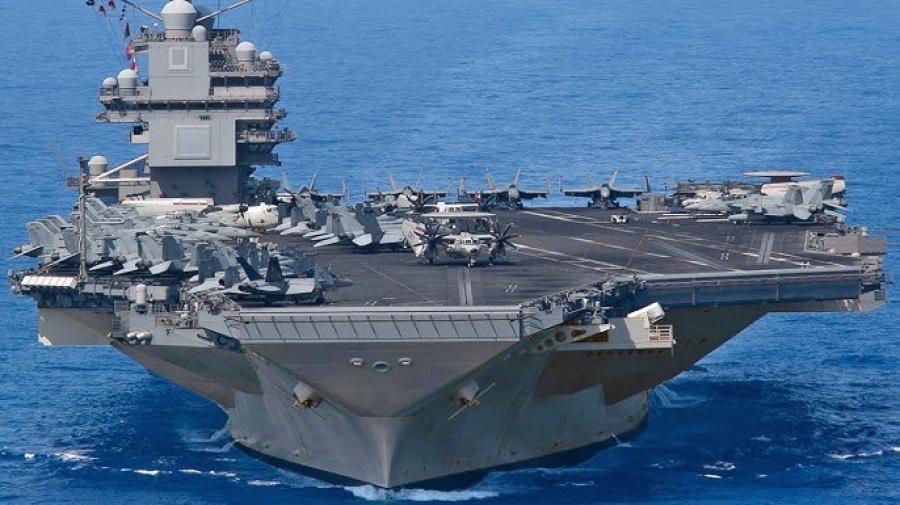
New York Times: US Marines yet to receive specific mission
US special forces in the Middle East have not yet been assigned a specific mission but may be used to secure navigation in the Strait of Hormuz, according to the New York Times. Anonymous officials state that elite units, including Rangers and Navy SEALs, have arrived but "lack specific orders." They may be used to seize Kharg Island or target enriched uranium at Isfahan. Over 50,000 US troops are now in the region—10,000 more than usual—not including the 4,500 personnel on the USS Gerald R. Ford, currently near Croatia.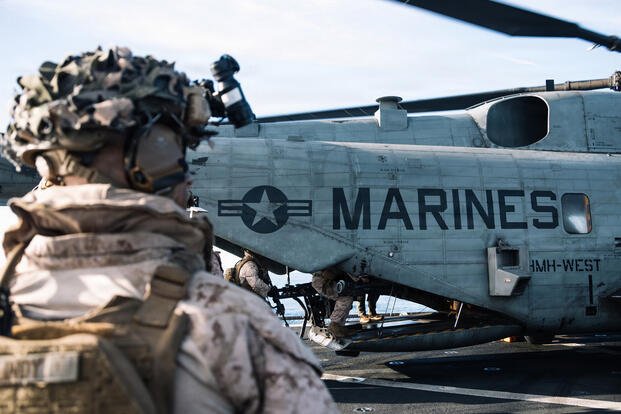
A major disaster looms
A US operation to remove enriched uranium from Iran would trigger even greater chaos, according to Prokhor Tebin, director of the Center for Military-Economic Research at HSE. Regarding reports that Trump is weighing a ground operation to extract 453kg of uranium, Tebin warns: "Very irresponsible actions by the US are destroying regional stability. These actions go beyond the bounds of reason. The US may have expected quick, impressive successes, but they are trapping themselves in a dead end."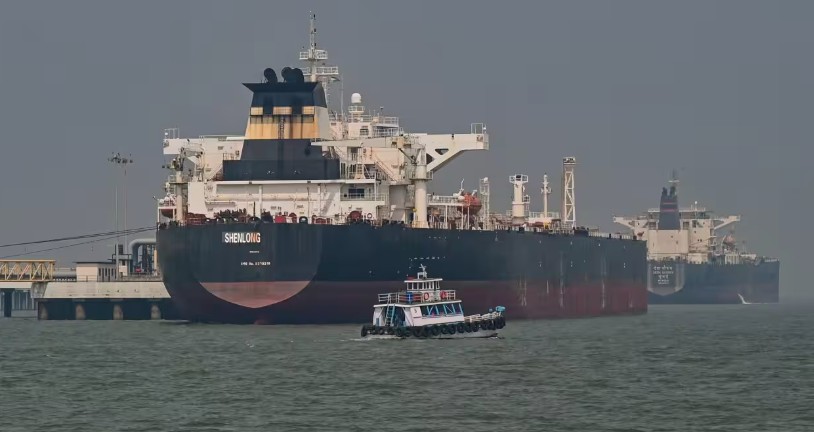
Nothing passes through Hormuz
Trump’s invasion talk sent Brent crude prices soaring above $116 per barrel. While Trump speaks of a "gift" regarding 20 tankers, the reality is that the Strait of Hormuz is nearly paralyzed. According to Tasnim, daily traffic has plummeted from 130–140 ships to fewer than 10 ships per day. Rising insurance costs and the withdrawal of shipping companies have created an unprecedented situation. Uncertainty remains high, and even military escorts are unlikely to restore normal flow. The 98% reduction in traffic on some days illustrates the immense pressure on the global energy market.
Economist: Iran is winning the energy war
According to The Economist, Iran has increased oil exports to 2.8 million barrels per day, highlighting the failure of the US and Israel to crush the Iranian oil economy. Iran is currently earning double the daily revenue compared to the pre-attack period. Tehran is exporting between 2.4 and 2.8 million barrels of petroleum products daily, sold at significantly higher prices. Iranian light crude delivered to China is now more expensive than Brent due to shipping costs. Bloomberg revealed that Iran secured $3.9 billion in oil revenue in less than a month. The Wall Street Journal also noted that Iran is exporting more oil through Hormuz than before the war, demonstrating its "control over a strategic corridor" that is effectively closed to other regional producers.
www.bankingnews.gr






Readers’ Comments