

"The world has not yet realized what is coming." With this shocking phrase, top analysts and energy executives warn that the closure of the Strait of Hormuz is turning the global economy into a "time bomb." With oil flirting with $200, supply chains breaking, and the ghost of stagflation returning more fiercely than during the 1970s crisis, humanity is bracing for a violent landing into a new, painful reality. At the same time, however, Iran is "striking gold" as it emerges as the absolute winner, reaping double the daily oil revenues compared to the period before the start of the US-Israeli offensive. According to The Economist, Iran currently exports between 2.4 and 2.8 million barrels of oil and petroleum products daily, of which approximately 1.8 million is crude oil. This level exceeds the 2025 export average and, due to the reduction of previous discounts, is being sold at much higher prices.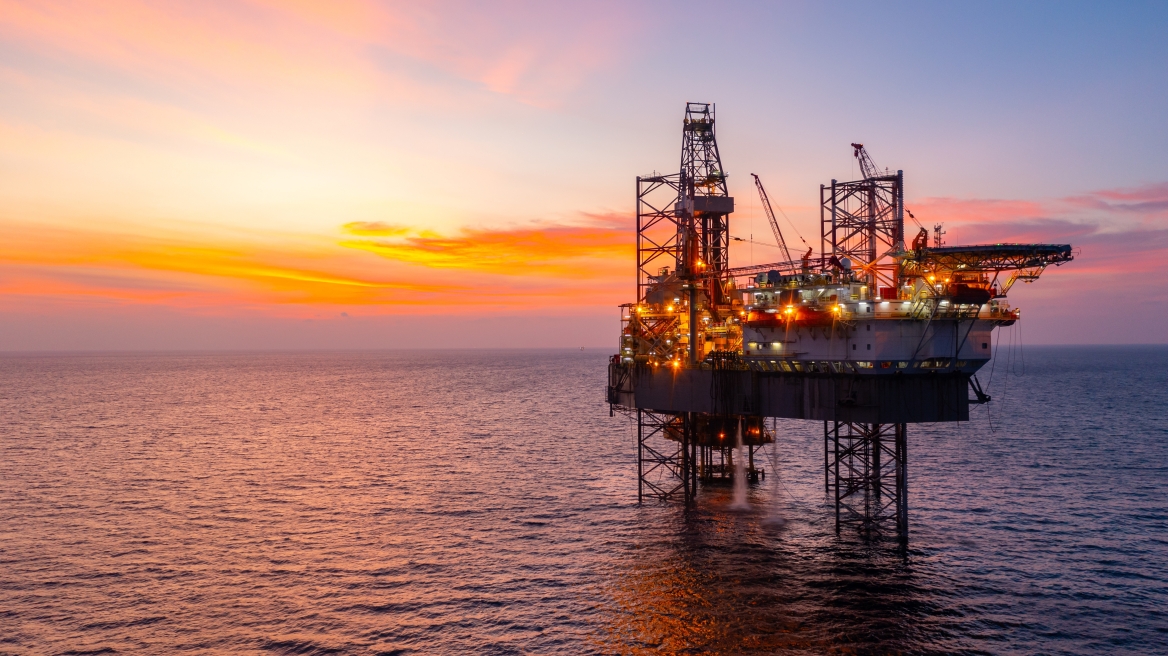
The crisis has only just begun
The largest oil supply shock in history has now lasted nearly a month. Prices have skyrocketed, global economic growth forecasts have been slashed, and shortages are appearing across Asia, from Thailand to Pakistan. However, the energy industry warns that this crisis is only beginning. In conversations with more than a dozen oil and gas traders, executives, brokers, shipping companies, and consultants last week, one message was repeated: the world has not yet grasped the severity of the situation. Many compare it to the oil shock of the 1970s and warn that the Hormuz closure could trigger an even greater crisis. As they say, the fuel shortages now hitting Asia will soon spread to the West. Europe will likely face a sharp price increase to secure cargoes and, in the coming weeks, will confront diesel shortages. If the Strait remains closed, the world will be forced to significantly reduce oil and gas consumption, but not before prices reach levels that force consumers and businesses to travel less, drive less, and spend less.
The $200 oil scenario on the table
Demand has already begun to drop, and some Asian countries are stockpiling and imposing fuel rationing. US government officials and Wall Street analysts are even considering the possibility of oil hitting $200 per barrel. Patrick Pouyanné, CEO of TotalEnergies, stated: "It is clear to me that if this crisis lasts more than three or four months, it will turn into a systemic problem for the world. You cannot stop 20% of global crude oil exports and 20% of LNG capacity in the Persian Gulf without consequences."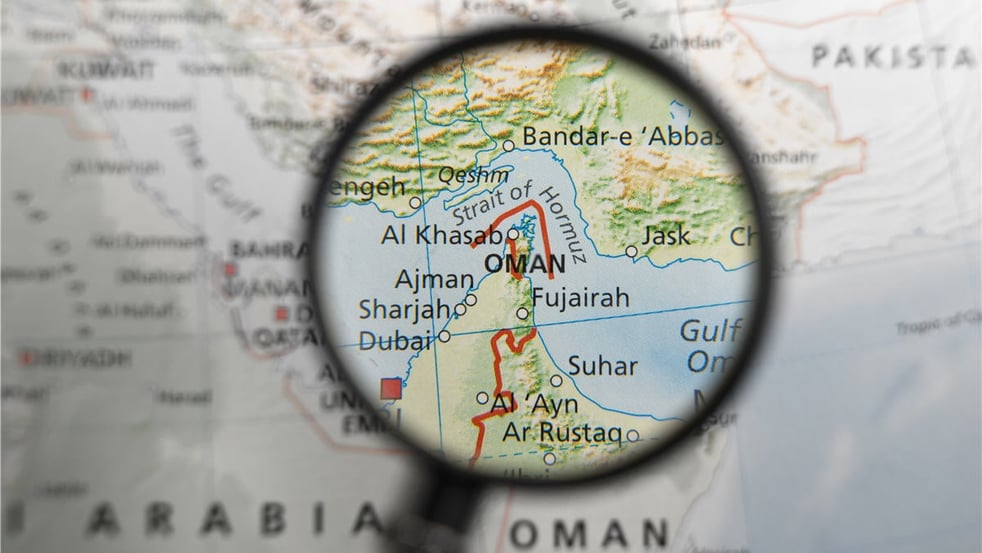
A deficit of approximately 9 million barrels per day
A simple calculation shows that the closure of the Strait has reduced oil flow by approximately 11 million barrels per day. Compared to pre-war demand, this means a deficit of about 9 million barrels per day—a massive gap exceeding the total oil consumption of Britain, France, Germany, Spain, and Italy combined. The reduction in demand, particularly in Asia, has partially helped narrow this gap. However, on the supply side, things may not improve. The massive release of strategic reserves and the easing of US sanctions on Russian and Iranian oil are merely buying time and are limited measures. Once these tools are exhausted, it is unclear what else US President Donald Trump can do to prevent prices from soaring, beyond fully reopening Hormuz. The situation in liquefied natural gas (LNG) is even more severe. The Strait of Hormuz typically represents about one-fifth of the global supply, and remaining cargoes from the Middle East are already en route to their destinations. Unlike oil, there is no effective alternative route for transporting gas, and strategic reserves are very limited. The crisis is not limited to fuel, as oil is used in plastics production, which is found almost everywhere. Key Persian Gulf suppliers have already cut production as regional storage fills up. The longer the Strait remains closed, the higher the risk of damage to critical energy infrastructure, which could have longer-term effects on supply. For the global economy, the shock of this war has already begun. The US Consumer Price Index reached 3.4% in March, up from 2.4% in February, with rising fuel prices being the primary factor.
Skyrocketing prices
If the oil price stays around $110, the effects on inflation and growth are manageable. However, if the Strait remains closed into the second quarter, there is a risk of a sharp price spike. At $170, the impact nearly doubles, and the shock of a "stagflationary" crisis could affect central bank policies and even the results of the US elections. For now, the price of oil has not reached panic levels and is trading around $112 a barrel, although it has increased by 55% since the war began. However, the prices of refined fuels such as diesel and jet fuel have risen sharply in recent weeks, sometimes exceeding $200—an early sign of demand destruction, especially in Asia. In Pakistan, citizens were asked to watch cricket matches from home to save fuel. In Thailand, there are shortages; in Australia, hundreds of gas stations are facing problems, and some flights have been canceled. As the crisis spreads, Africa is also facing supply disruptions, with governments implementing consumption restriction measures. Some analysts warn that Europe is on the verge of shortages, particularly in diesel.
The strongest will prevail
If the Strait remains closed for a second month, the global energy market will turn into a field of intense competition for resources, where countries with the greatest economic power will prevail. In such conditions, even increasing production from countries like the US cannot offset the deficit caused by the closure of the Strait of Hormuz. The scale of the shock is at least equivalent to the Arab oil embargo of the 1970s, which led to stagflation and eventually changed the structure of global energy.
The Macquarie warning for $200 oil
Analysts at Macquarie are moving in the same direction, warning that oil prices could reach a historic record of up to $200 per barrel if the war in the Middle East extends throughout the second quarter. Analysts estimate there is a 40% probability that the war with Iran will continue until June. However, the scenario of the war ending by late March currently appears more likely, with a 60% probability according to Macquarie. "If the Strait of Hormuz remains closed for a prolonged period, prices will have to rise high enough to destroy a historically large portion of global oil demand," Macquarie analysts stated in the report. "The timing of the Strait's reopening, as well as physical damage to energy infrastructure, are the key factors that will determine the long-term impact on commodity markets," they added.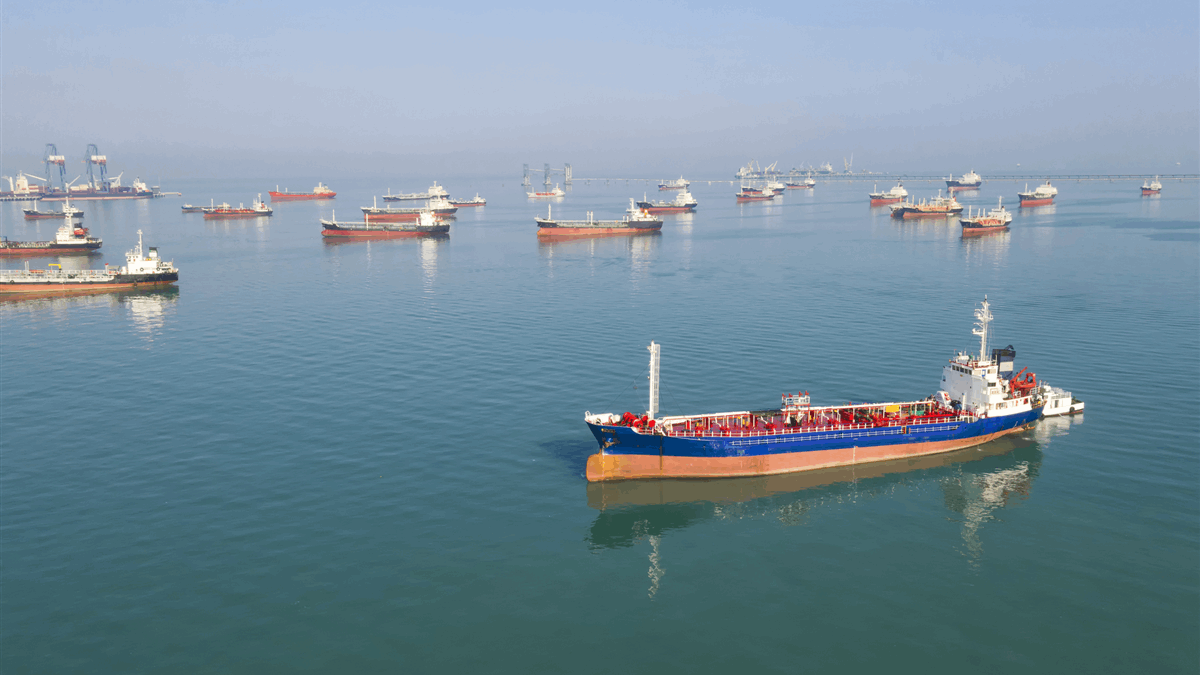
20% of global supply ‘choking’ in Hormuz
Analysts have begun to express the view that $200 oil is no longer a fantasy—with 20% of global supply "choking" in Hormuz, buyers are rushing to secure physical cargoes, refineries in Asia are considering production cuts, and Asian countries are restricting fuel exports.
Inadequate reserve release
At the same time, Andrew Harbourne, senior oil market analyst at Wood Mackenzie, notes that the coordinated release of 400 million barrels by the International Energy Agency (IEA) will cover only about four weeks of disruption in the Gulf. "Strategic reserves remain an effective emergency 'cushion,' but they are a one-off intervention that must eventually be replenished and cannot cover a prolonged supply deficit," Harbourne added.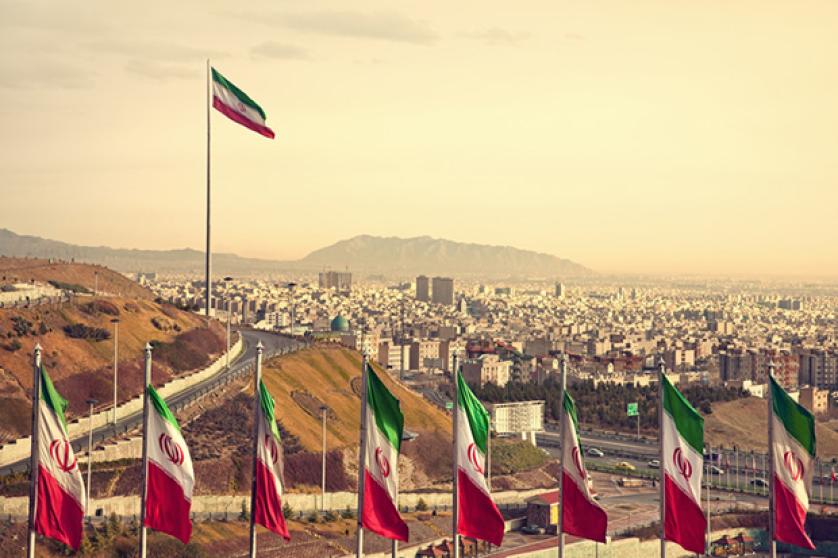
Iran... striking gold
On the flip side, however, Iran is "striking gold." According to the British magazine The Economist, Iran has seen an increase in oil exports to 2.8 million barrels per day, a fact that underlines the failure of the US and Israel to strike Iran's oil economy. The Economist report shows that Iran is "winning the energy war," as it is currently reaping double the daily oil revenues compared to the period before the start of the US-Israeli attack. The magazine, citing informed sources, reported that Tehran currently exports between 2.4 and 2.8 million barrels of oil and petroleum products daily, of which about 1.8 million is crude oil. This level exceeds the average exports of last year and, due to the reduction of previous discounts, is being sold at much higher prices. According to the same data, Iranian light oil delivered to China is now more expensive than Brent, after accounting for shipping costs, as the futures price for each barrel of Iranian oil has reached approximately $104. This reflects a strategic adjustment that has made the Iranian oil sector more resilient to attacks and sanctions. Two days ago, the American agency Bloomberg revealed that Iran acquired approximately $3.9 billion in oil revenues in less than a month since the start of the offensive. The American newspaper Wall Street Journal had also reported that Iran is exporting more oil through Hormuz than before the war, something that shows "its control over a strategic maritime corridor, which it has essentially closed to other regional producers." The average amount of oil transported daily by tankers reached 2.1 million barrels, up from the 2 million barrels per day that Iran exported last February.
www.bankingnews.gr









Readers’ Comments