The current conflict in the Middle East is not simply another geopolitical crisis.
It is a conflict that is redefining the global balance of power, the energy market, and the very financial system that dominated after the Cold War.
What is happening around Iran, the Persian Gulf, and the Strait of Hormuz are not merely military events.
It is a profound strategic transformation that touches the heart of the global economy, oil, currency, and control of maritime trade routes, explains the well known geopolitical and geoeconomic analyst Pepe Escobar.
The most striking element is that, within just a few weeks of conflict, Iran has created a new geoeconomic environment that directly challenges the dominance of the dollar and the influence of the United States.
“Negotiation” or imposition of terms?
The so called “negotiation proposal” that was put forward to Tehran resembles more a document of surrender than a genuine diplomatic initiative.
According to the framework presented, Iran is called to accept a series of drastic measures: zero uranium enrichment on Iranian territory, complete dismantling of nuclear facilities in Natanz, Isfahan, and Fordow, transfer of all enriched uranium خارج the country, drastic restrictions on the ballistic program, cessation of support to Hezbollah, Houthi, and pro Iranian militias in Iraq
full freedom of navigation in the Strait of Hormuz
And what is offered in return? A vague promise of “non reimposition of sanctions”.
For the Iranian leadership, this framework does not constitute a basis for negotiation but a unilateral demand for submission.
It is therefore not surprising that the response from Tehran is expected to be equally harsh.
According to many analysts, the real negotiation will begin only when the West accepts new terms of balance of power.
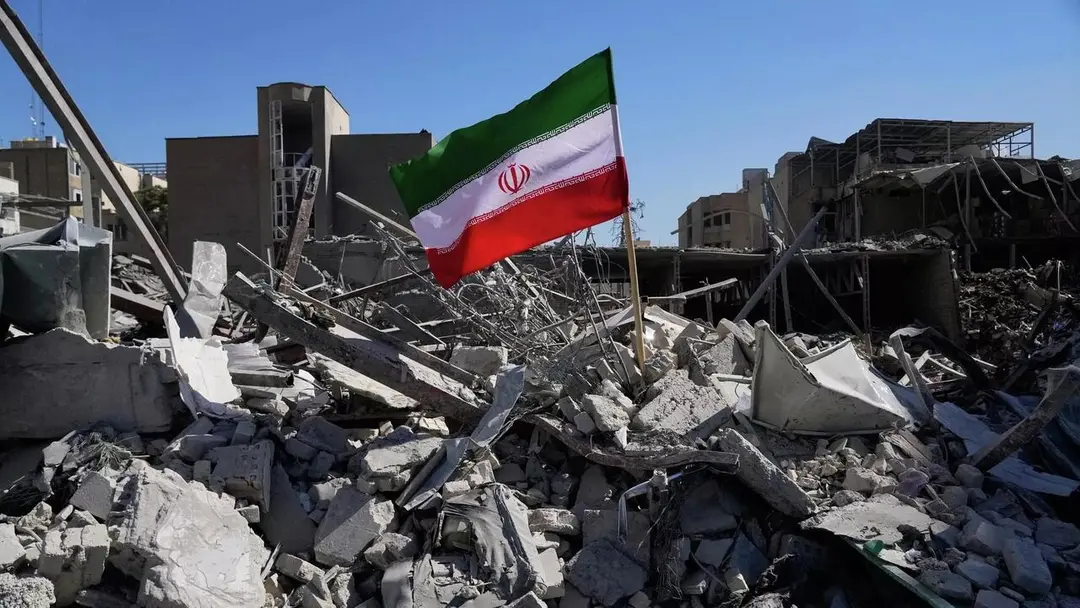
The real terms of Tehran
Instead of accepting these demands, Iran presents a completely different list of terms:
1) closure of all American military bases in the Persian Gulf
2) guarantee that there will be no new wars against it
3) termination of the conflict with Hezbollah
4) full lifting of all sanctions
5) compensation for war damages
6) new control regime in the Strait of Hormuz
7) maintenance of the missile program
These terms show that Tehran is not negotiating from a position of weakness but seeks to impose a new regional balance.
The conflict therefore is not only about military strikes.
It concerns who will define the rules of security and economy in the Middle East, explains Escobar.
The economic earthquake in energy markets
Alongside the military developments, the global energy market has already begun to transform.
Before the conflict, Iran produced approximately 1.1 million barrels of oil per day, which it sold at a significant discount due to sanctions.
The actual selling price was approximately 47 dollars per barrel.
Today the picture is completely different.
Production has increased to approximately 1.5 million barrels per day, while the selling price has reached even 110 dollars per barrel, mainly through sales to China.
Discounts have almost disappeared. This means that Iran is essentially enjoying a kind of de facto lifting of sanctions, through alternative payment systems.
The revolution in the Strait of Hormuz
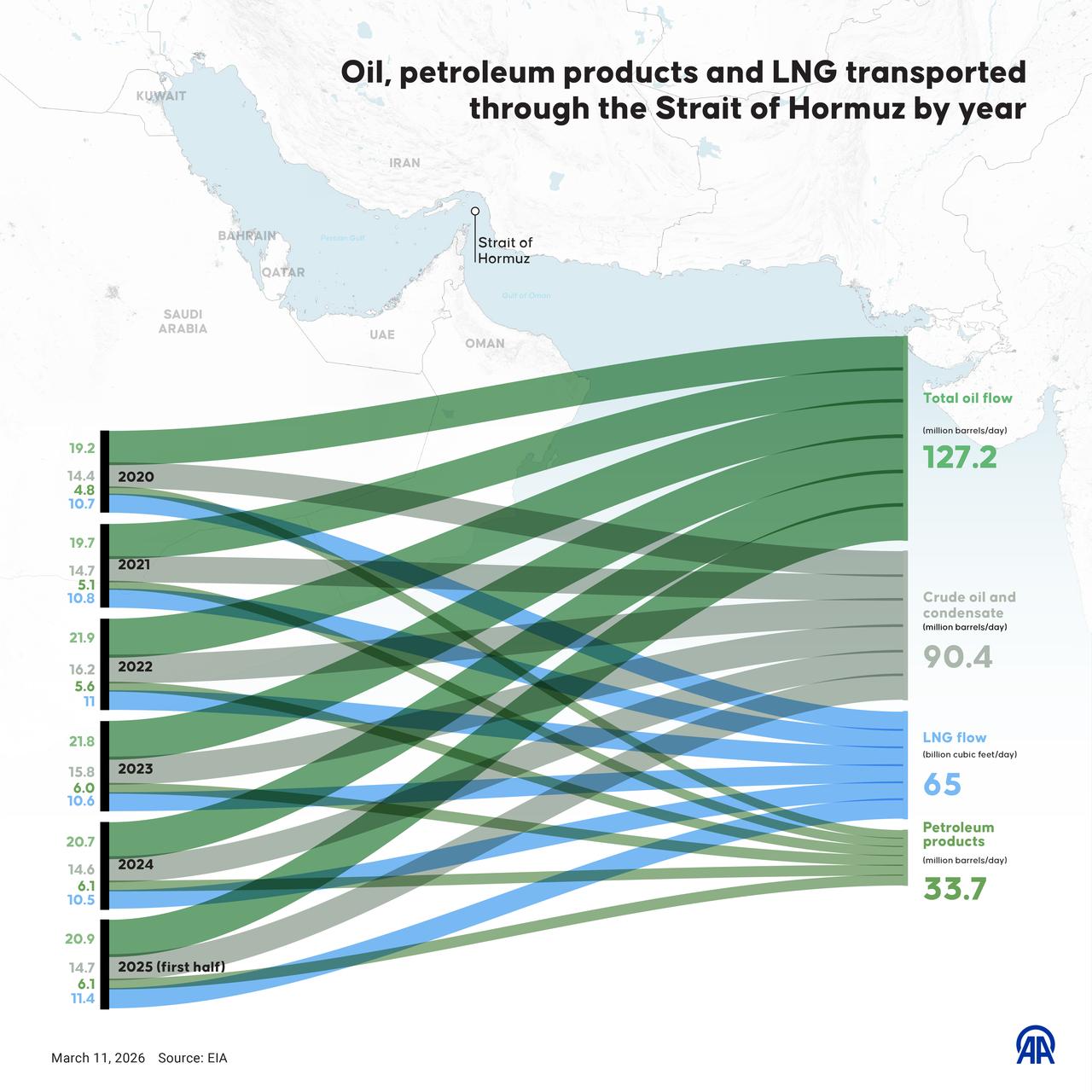
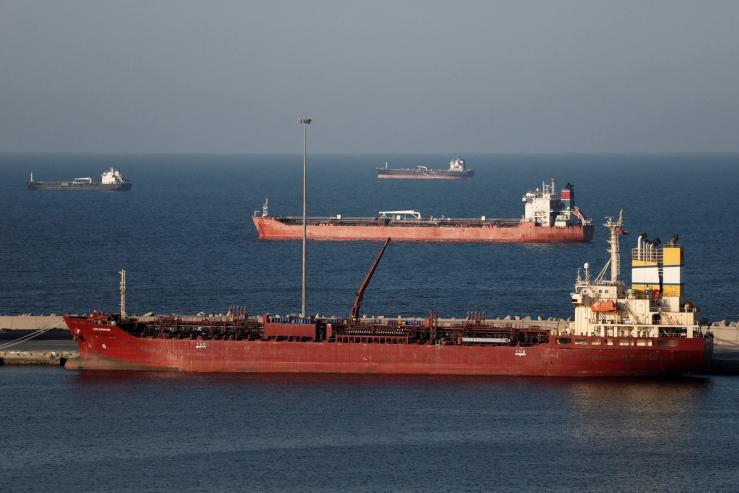
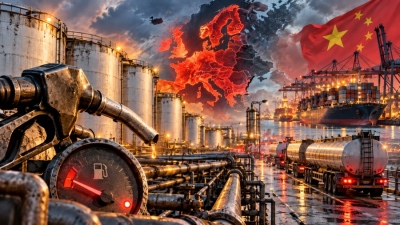
The most striking element however lies in the Strait of Hormuz, the most important energy passage on the planet.
Approximately 20% of global oil passes through it.
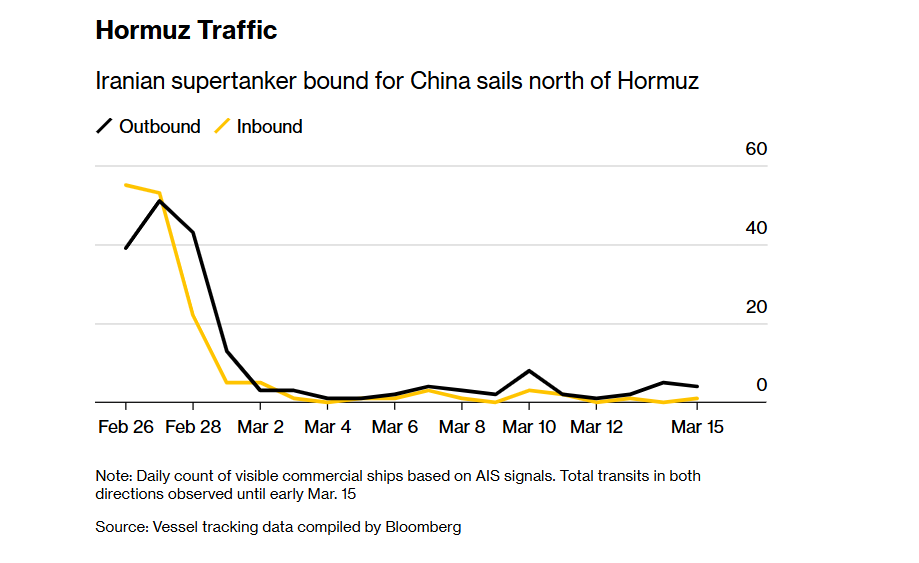
Today the passage remains open, but with new rules.
According to information from international analysts, Iran has created a “toll system” for tankers that want to pass safely.
The process is complex: The shipowner communicates with an intermediary connected to the IRGC.
Details are provided about the vessel, the cargo, the flag, and the crew.
A check is conducted for possible connection to the United States or Israel.
If approved, a fee of approximately 2 million dollars is paid.
A specific time window is given for passage through a narrow maritime corridor between Qeshm and Larak.
The most striking element is not the fee.
It is the payment currency.
Payments are made mainly in yuan or even in cryptocurrencies, notes Escobar.
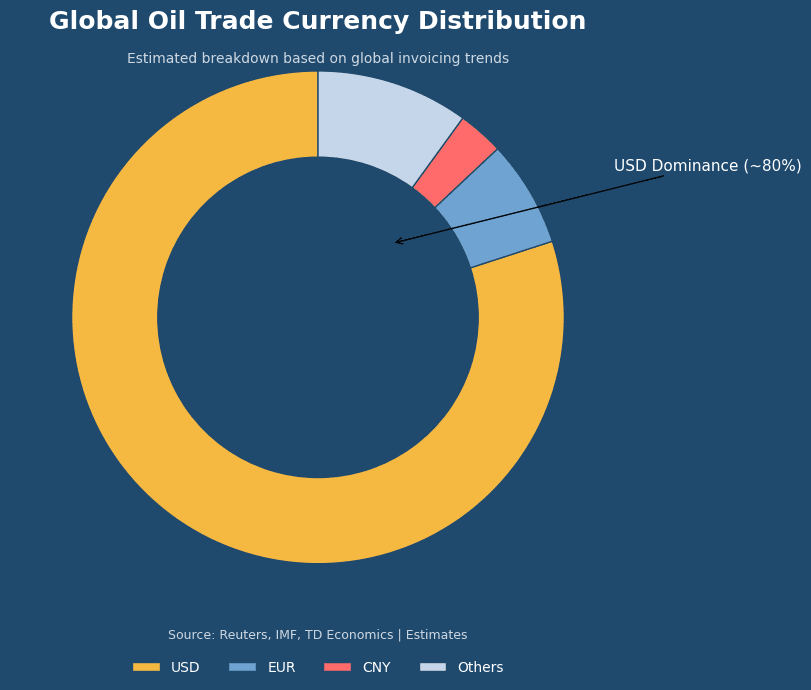
The birth of the petroyuan
This development has enormous significance.
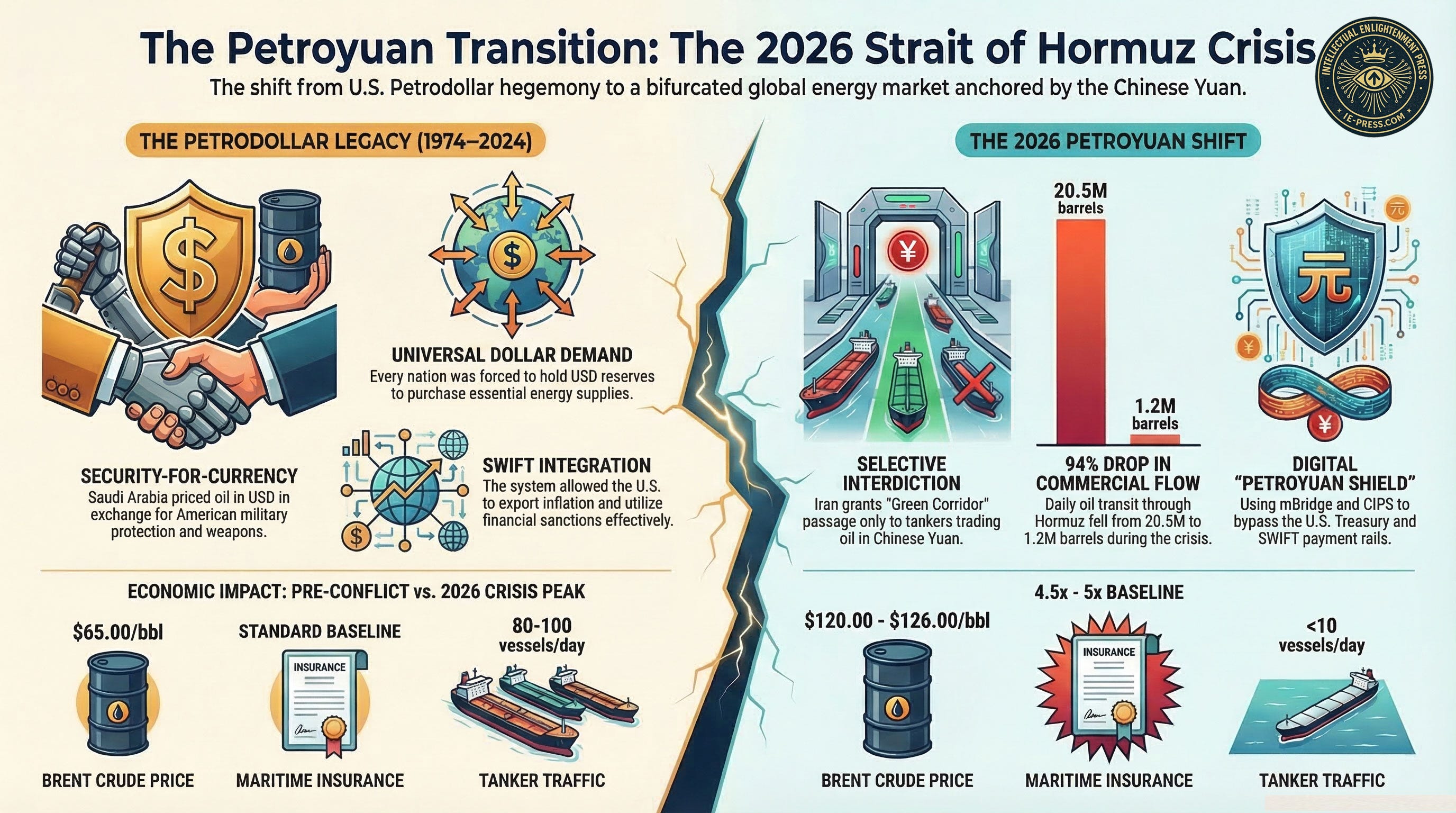
For decades, international oil trade was conducted almost exclusively in dollars, the so called petrodollar.
Now however a new model is emerging, the petroyuan.
Each payment in Chinese currency:
1) bypasses the SWIFT system
2) avoids American sanctions
3) reduces demand for dollars
In other words, a parallel economic system is being created.
And all this is happening not in some theoretical forum but at the most critical energy point on the planet.
The U.S. reaction to the strategic nightmare
For Washington, this development constitutes a strategic nightmare.
The possibility that an alternative payment system for oil will be established directly threatens the economic power of the United States.
For this reason, it is expected that the American military command in the region, CENTCOM, will attempt to overturn the situation.
The possible moves include:
1) strikes on IRGC facilities
2) naval escorts for tankers
3) new sanctions on intermediaries
However there is a problem.
Even if facilities are destroyed, the precedent has already been created.
The world has seen that oil can be traded outside the dollar.
The role of the Russia – China – Iran axis
Behind the scenes, a new strategic cooperation appears to be forming.
Russia continues to sell huge quantities of energy to Asia.
China buys these quantities and expands the network of energy transactions in yuan.
Iran, on its part, collects payments in the same currency through the Strait of Hormuz
Then, part of these payments is converted into physical gold through the markets of Shanghai.
The result is the creation of a system: energy → yuan → gold. A system that completely bypasses the dollar.
The biggest change of the century?
All this leads to a conclusion that a few weeks ago would have seemed unthinkable.
The global economic architecture created after the end of the Cold War appears to be showing cracks.
The petrodollar is being challenged.
Alternative payment systems are being created.
And many countries of the so called Global South are watching closely.
If this model stabilizes, then the global order may enter a new era, the era of multipolarity.
The birth of a new world
Major geopolitical changes are rarely born in conference rooms.
They are often born within crises.
What is happening today in the Middle East will likely prove to be such a turning point.
A conflict that began as a military confrontation is evolving into an economic revolution.
A new payment system is emerging.
A new energy balance is taking shape.
And the global balance of power may never be the same again.
www.bankingnews.gr



Readers’ Comments