

The conflict in the Middle East is entering a trajectory of unprecedented escalation, with the United States deploying to Hormuz the amphibious assault ship USS Tripoli along with 3,500 heavily armed Marines, threatening Iran with a ground intervention in nuclear facilities and strategic islands of the Gulf, according to ABC Channel.
The USS Tripoli, an amphibious assault ship with a force of 3,500 sailors and Marines, arrived in the Middle East, as noted by the American network.
The United States Central Command (CENTCOM) made the relevant announcement via social media.
U.S. Sailors and Marines aboard USS Tripoli (LHA 7) arrived in the U.S. Central Command area of responsibility, March 27. The America-class amphibious assault ship serves as the flagship for the Tripoli Amphibious Ready Group / 31st Marine Expeditionary Unit composed of about… pic.twitter.com/JFWiPBbkd2
— U.S. Central Command (@CENTCOM) March 28, 2026
“American sailors and Marines aboard the amphibious assault ship USS Tripoli (LHA 7) have arrived in the area of responsibility of the United States Central Command,” the post stated.
The American command also reported that, in addition to the Marines, the ship will transport to the region transport and strike fighter aircraft, as well as air assault vehicles.
Amid negotiations, which according to some reports are being conducted by the United States and Iran through intermediaries, rumors continue to circulate that the Americans are preparing for a ground operation.
At the same time, the White House is studying the potential economic impact of a surge in oil prices from current levels of just over 100 dollars per barrel to 200 dollars.
What is and what will USS Tripoli do in Iran
The USS Tripoli is an America-class amphibious assault ship and serves as the flagship of the Tripoli Amphibious Ready Group and the 31st Marine Expeditionary Unit.
Beyond personnel, it carries fighter aircraft, as well as amphibious assault assets and tactical systems, offering the United States flexibility for operations ranging from humanitarian support to power projection.
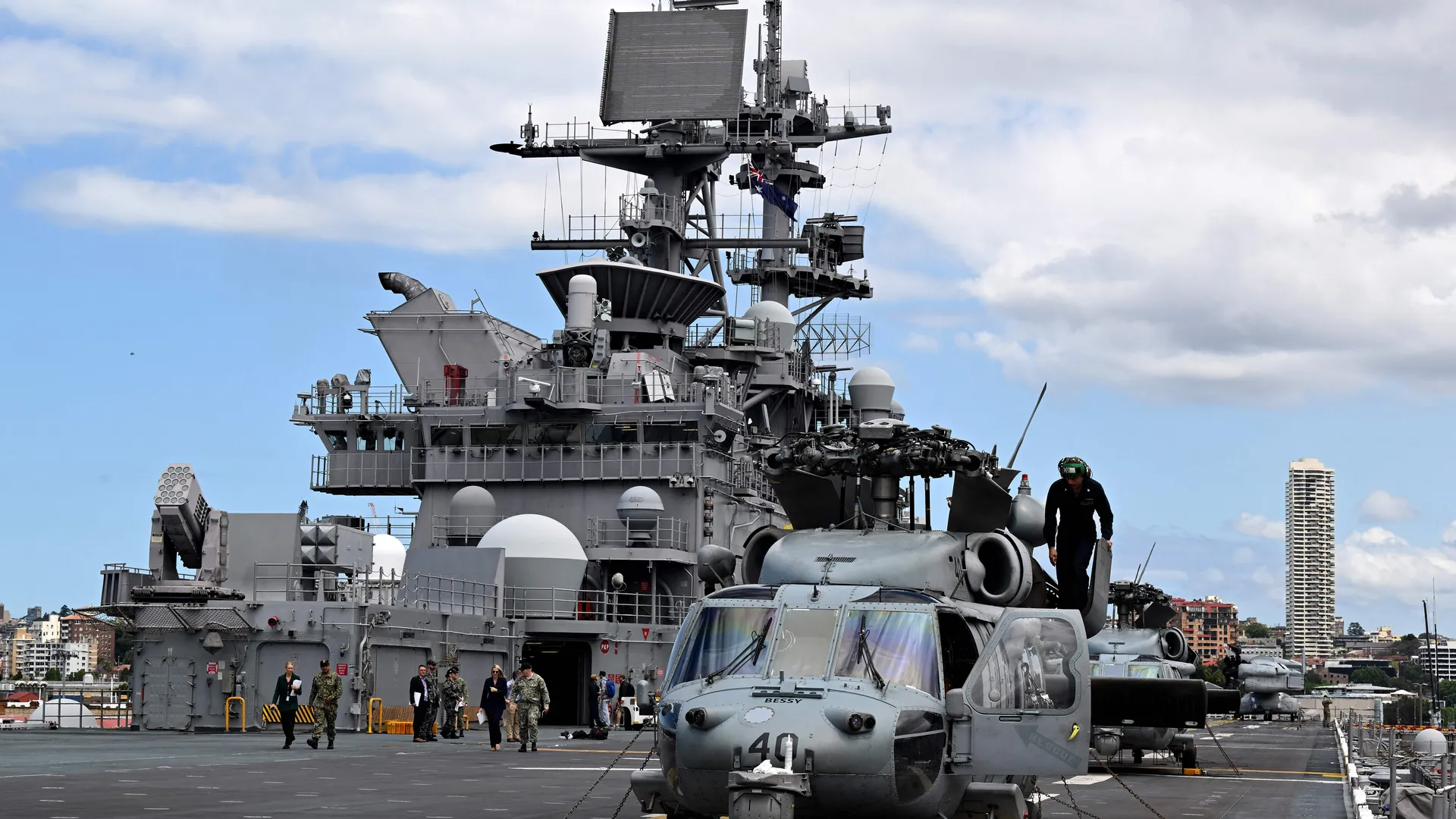
The presence of such a ship in the area of responsibility of CENTCOM significantly increases the ability of the United States to rapidly deploy forces across multiple fronts, support allies, and manage potential crises.
Its mission is linked to Washington’s strategy to maintain a permanent, credible military presence in one of the most geopolitically unstable zones on the planet.
Death notice: US Marine reservists received letter calling for maximum readiness for intervention in Iran
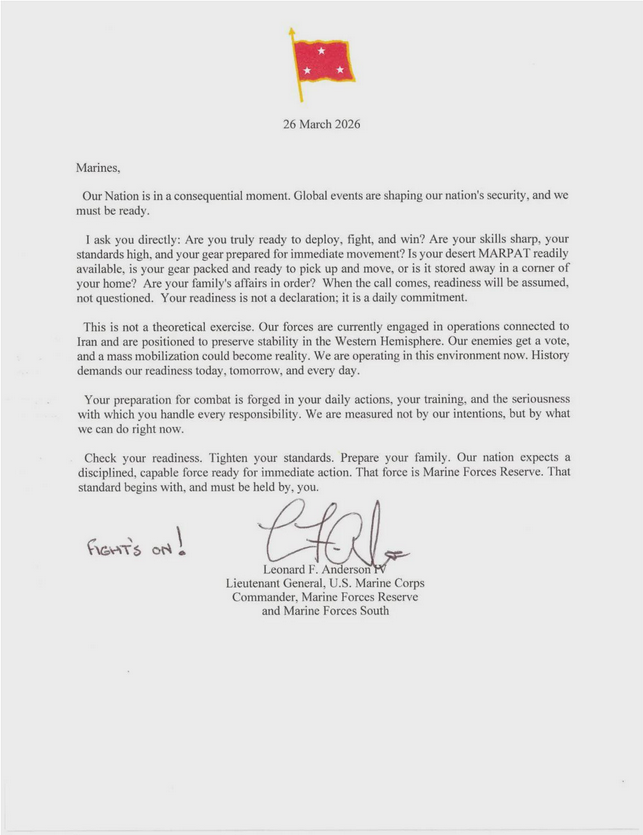
Amid the ongoing and increasingly intense conflict in the Middle East, a letter comes to light that was issued on 26 March by Lieutenant General Leonard Anderson, commander of Marine Forces Reserve and Marine Forces South, to the personnel of the United States Marines.
The document, according to journalistic reports, underscores the “necessity of immediate readiness” of reserve forces in relation to the “current operations linked to Iran” and warns that “a mass mobilization could become reality.”
The message, which caused concern and reactions among reserve Marines online, asks personnel to check their equipment and arrange personal and family matters in anticipation of possible activation.
All this is happening against a backdrop that includes thousands of United States troops arriving in the Middle East, while strategic tension escalates with numerous reports in American media about upcoming amphibious operations on Iranian military and nuclear facilities, as well as on islands of the Persian Gulf.
The reckless American-Israeli military campaign, which began with large-scale air strikes in late February, has already caused broader regional unrest and increased tensions in the Persian Gulf, while at the same time fueling international concern over oil prices that have already climbed to 126 dollars per barrel.
Trump ultimatum expires
The arrival of the USS Tripoli coincides with the expiration date of the initial deadline set by United States President Donald Trump for reaching an agreement with Iran.
This deadline was set to expire on 28/3, before the American president decided to extend it until 6 April.
Washington has already made it clear that it is considering scenarios of targeted strikes against Iranian energy infrastructure, which, however, have been temporarily frozen.
The transfer of additional forces to the region sends a deterrent message to Tehran, while at the same time providing the White House with multiple military options should diplomatic efforts fail.
Americans also send aircraft carrier USS George H.W. Bush to the Middle East
At the same time, the carrier strike group of the USS George H.W. Bush departed from Norfolk, Virginia and is heading toward the Middle East amid the ongoing American-Israeli war with Iran, a move that could increase the number of American aircraft carriers in the region to three, reported ABC News on Saturday 28/3, citing American officials.
The carrier strike groups of the USS Gerald R. Ford and USS Abraham Lincoln remain deployed in support of American operations in the Middle East, according to the television network.
However, in reality both American aircraft carriers are inactive, one in a port of the Adriatic and the other in Saudi Arabia, both far from the theater of operations.
It is recalled that the USS Ford is currently in Split, Croatia, undergoing repairs after a recent fire on board the vessel.
Iran: “We have been waiting for this moment for 47 years”
For their part, Iranian officials responded immediately to American plans for a landing in Hormuz, telling the Trump administration: “not only are we not afraid of a ground intervention, but we have been waiting 47 years for this moment.”
It is noted that in previous days Iran outright rejected the American ceasefire draft using only two words: One-sided and unfair.
And this is because Tehran counterproposes its own terms to Trump, demanding a new status for the Strait of Hormuz, war reparations, closure of American bases in the Gulf, and a protection regime for its Allies in the region such as the Lebanese Hezbollah.
Indeed, this request led Israelis to assess that Iran delivered to Trump an ultimatum of surrender.
Iran mobilizes 1 million fighters to repel US ground intervention
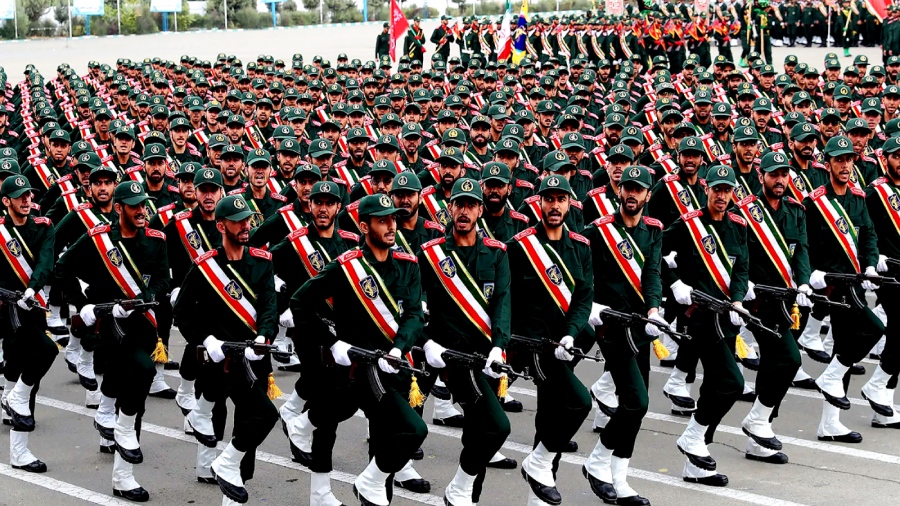
According to an informed military source close to Tehran, more than one million fighters have been organized for a ground battle with the United States.
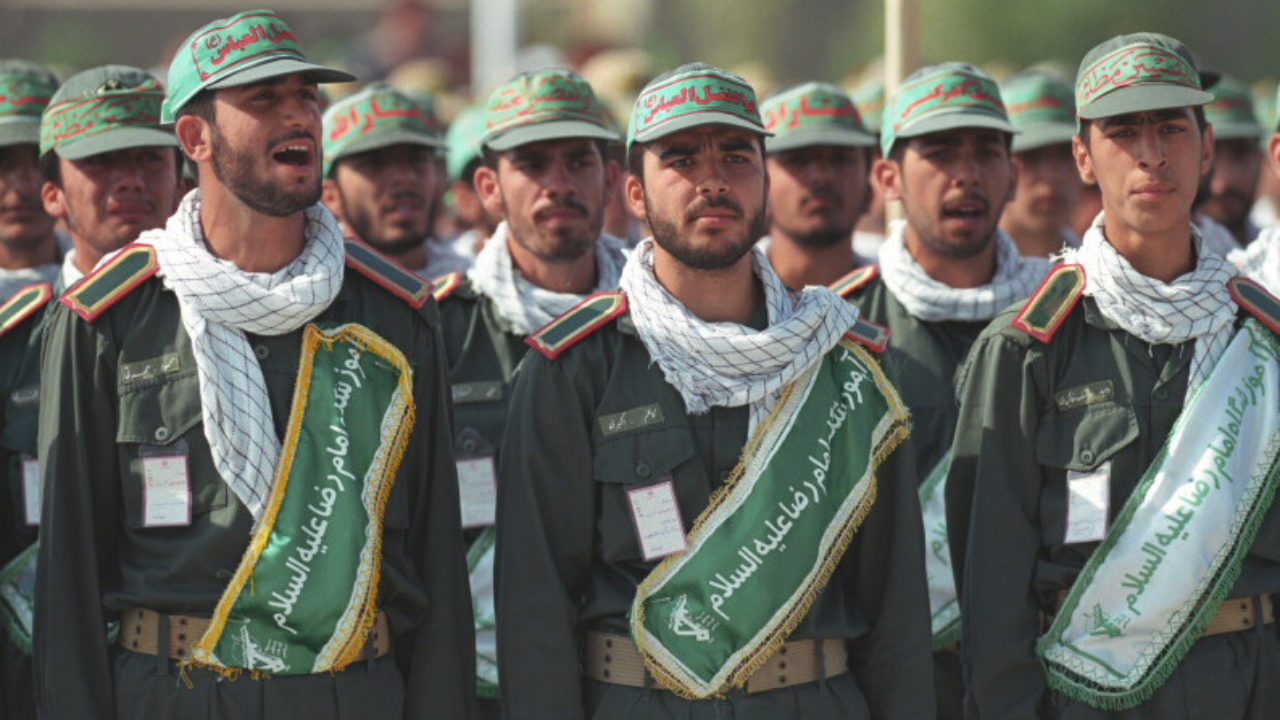
A military source told the news agency Tasnim: “With the outbreak of rumors about the possibility of a historic folly by America to enter the battle on the southern front of Iran by land, a wave of enthusiasm has formed among Iranian ground fighters to create a historic hell for the Americans on Iranian soil.”
“A multitude of youth floods Revolutionary Guard centers”
The same source noted: “In addition to organizing more than one million people for ground battle, in recent days a huge volume of requests from Iranian youth has flooded the centers of the Basij, the IRGC, and the army, so that they too can participate in this battle.”
The informed military source continued: “The United States wants to open the strait through suicide and slaughter, there is no problem, we are ready for them to implement their suicide strategy and for the strait to remain closed.”
The 3 + 1 US targets in the Persian Gulf, and why Kharg island is not among them
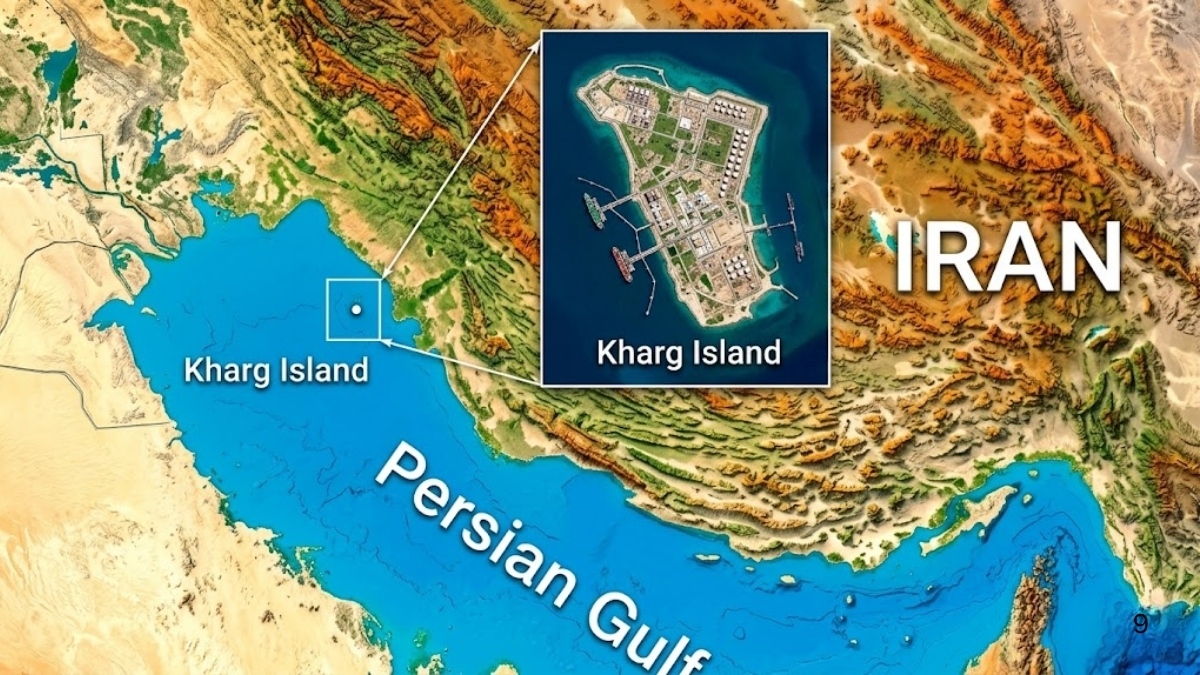
Although the landing of ground troops in Iran, specifically in the Hormuz Gulf by the American army, should be considered a decided course of action, a new intelligence leak now places at the center 4 strategic islands in the Persian Gulf and not Kharg Island, which until recently was considered the most likely landing site of the United States 82nd Airborne Division.
Within this strategy, Larak Island appears as one of the most attractive targets for Iran, as it constitutes the main toll point of the Islamic Revolutionary Guard Corps and functions as a hub for monitoring the narrowest passage of the Strait of Hormuz.
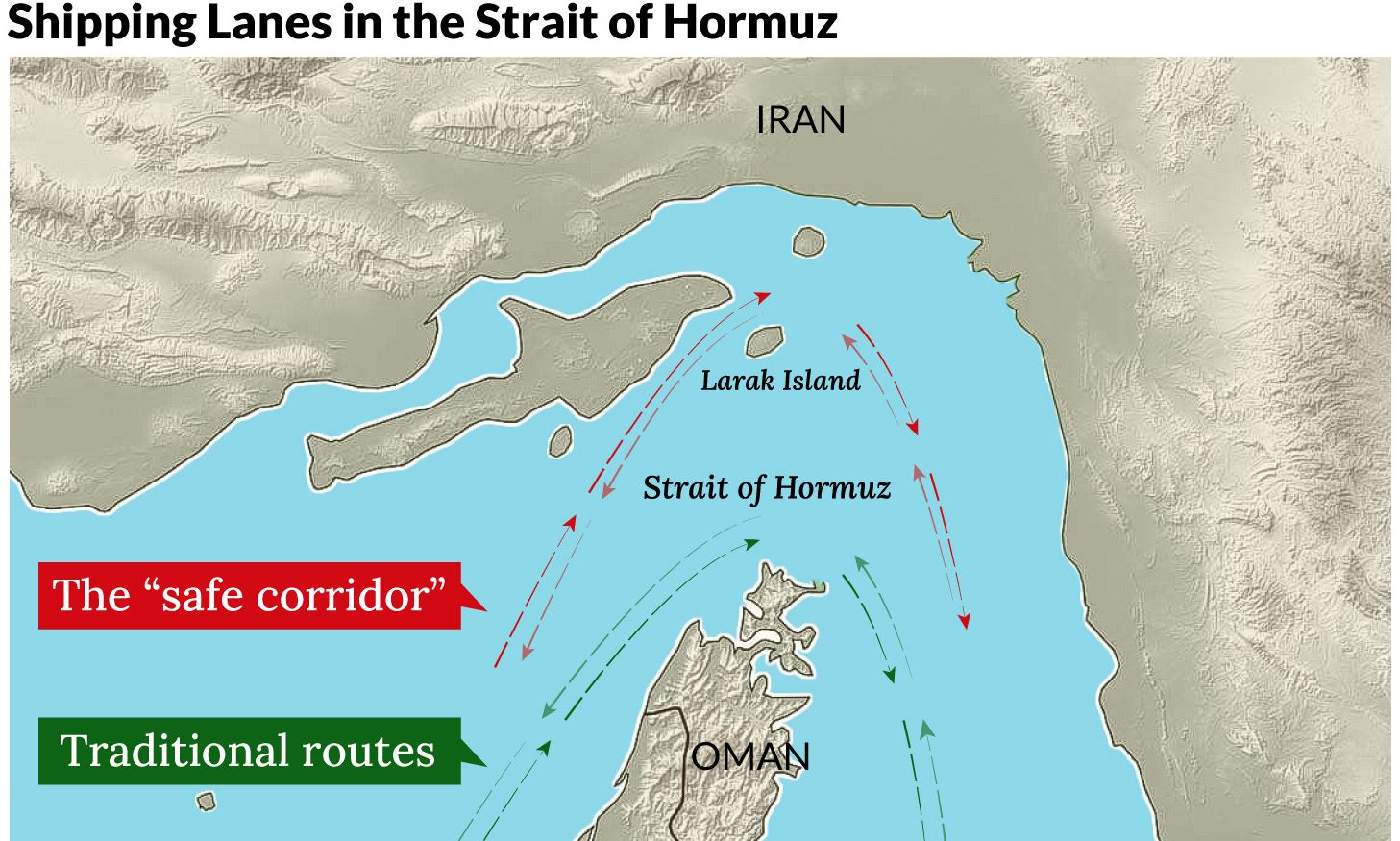
There, tankers and commercial ships passing through the area to bypass the gulf submit information regarding their cargoes and ownership for approval by Tehran.
This area therefore offers Iran a strategic advantage in monitoring and immediate enforcement of sovereignty over global energy flows.
The strategic importance of Qeshm island and heavy Iranian fortifications
Qeshm Island has even greater strategic value for the United States.
Nevertheless, although the island lies in the narrowest part of the strait, it has an airport, heavy fortifications, and underground missile launcher cities, making it a strong deterrent against any American military move.
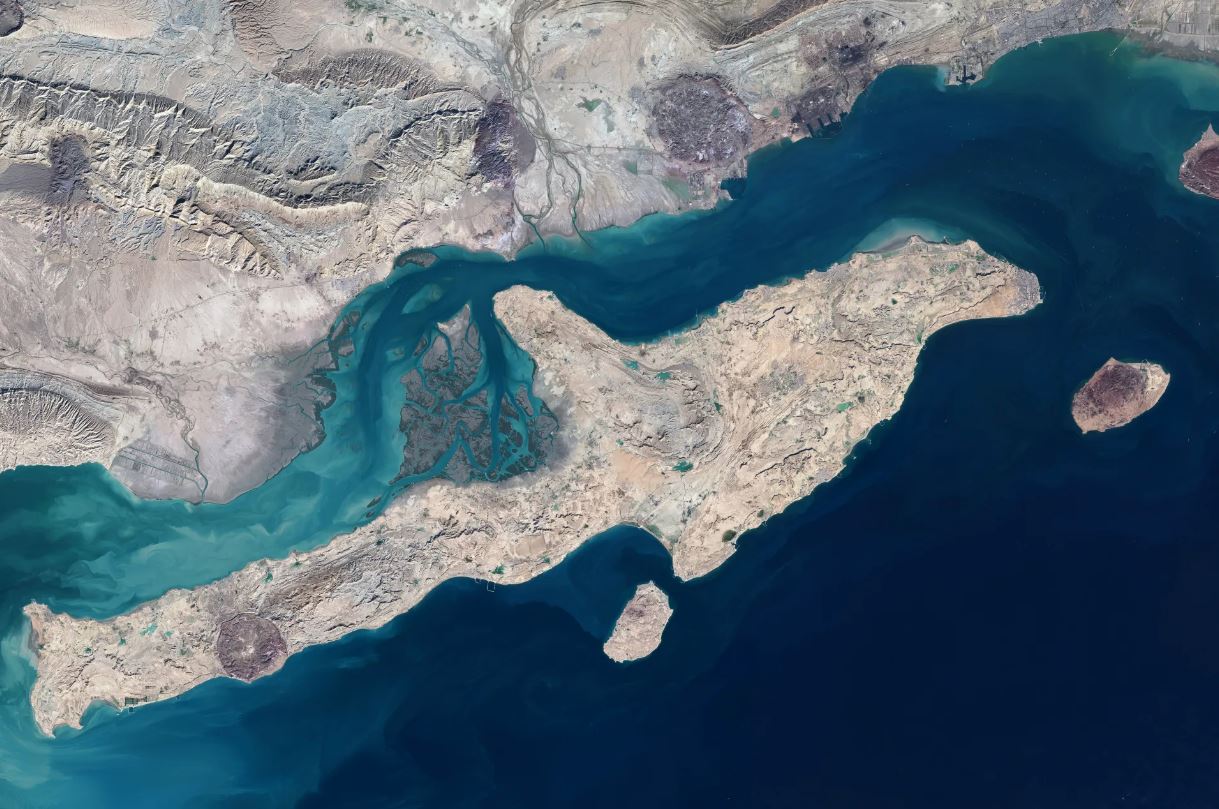
The strategic position of the island makes it an undisputed reference point for Tehran, which could control the area with capabilities such as fast attack craft and bases hosting submarines.
Control of Chabahar port means control of the Strait of Hormuz
On the other hand, Chabahar is a port of vital importance for Iran, as it is the country’s only open deep-water port outside the Strait of Hormuz, while it has developed significant infrastructure for cargo transport with the support of India.
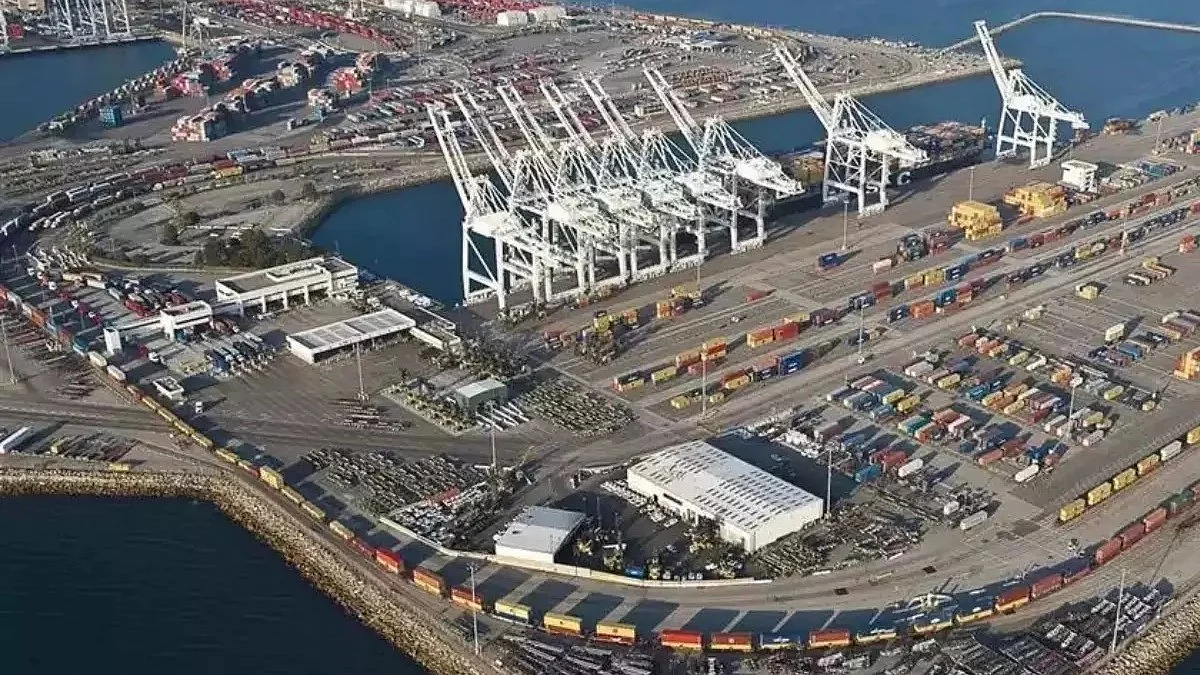
This port, with a capacity to handle 8.5 million tons annually and strategic agreements for a 10-year operation of the Shahid Beheshti Terminal, offers Iran an undeniable strategic advantage in the region.
However, despite the attractiveness of these positions for America, the aforementioned points affect Iran more.
Scott Ritter (former CIA analyst): Why landing on Kharg island makes no geographical and strategic sense
The United States will not be able to open the Strait of Hormuz in the event of capturing Kharg Island, due to the lack of geographical connection between them, emphasized to Tass Scott Ritter, former intelligence analyst of the United States Marine Corps and former weapons inspector of the United Nations Special Commission on Iraq.
“Even if the United States were able to capture Kharg Island, it lies far north in the Persian Gulf.
The Strait of Hormuz is in the south. There is no geographical connection between them.
Capturing Kharg Island will not open the Strait of Hormuz,” he stated.
In his view, before approaching Kharg Island, the Strait of Hormuz must first be opened.
“The two military forces proposed for this capture are marine expeditionary units on ships. This means the ships would have to pass through the Strait of Hormuz to reach Kharg Island. But they will not be able to pass through the Strait of Hormuz to reach Kharg Island,” he explained.
“No serious military professional would breach Hormuz by capturing Kharg”
Scott Ritter stressed that no military professional would support the capture of Kharg Island, “especially if it is linked to opening the Strait of Hormuz.”
“There is literally no connection between the two. Additionally, the United States may not be able to capture Kharg Island at all. Because even if it were initially captured, the forces on the island would be exposed to Iranian missiles and drones, and sustaining them would be logistically impossible. They would have to withdraw. And that would be a defeat.
Therefore, in my view, the discussion about Kharg is a purely political and rhetorical exercise,” he added.
In March 2026, military installations on Kharg Island were bombed.
According to the United States, about 90 military targets were hit, while the island’s oil infrastructure remained intact.
On 20 March, it was announced that President Donald Trump is considering capturing the island to force Iran to lift the blockade in the Strait of Hormuz and negotiate.
The American leader claimed he could “capture the island at any time if he wished.”
Tehran stated that if Kharg is attacked, it will respond with large-scale strikes and will “turn to ashes all oil and gas facilities” of any country from which the United States would launch an attack.
Iran response plan with seizure of Bahrain coastlines and Red Sea blockade
At the same time, the difficulty of an American operation lies in the fact that Iran could also move to counterattack, opening yet another chaotic expansion of the front, something consistent with the strategy it has followed so far in its missile strikes.
An Iranian security analyst said this week that Tehran is ready to seize the coastlines of Bahrain and the UAE.
While American analysts dismissed this possibility speaking to Middle East Eye, they stated that the situation could escalate in other theaters of operations.
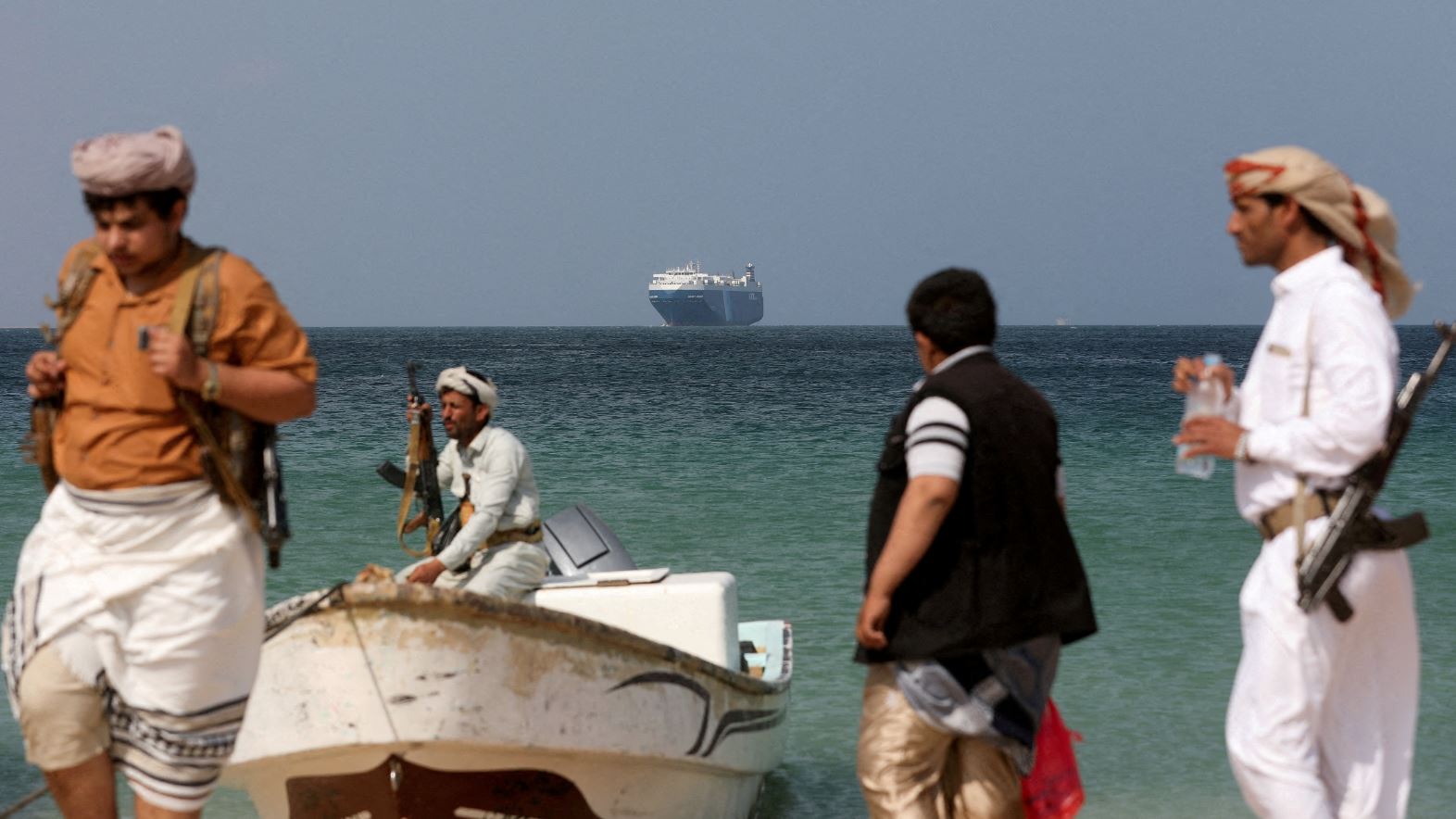
“The Houthis have not yet entered this conflict. I imagine one possibility is that Iran is waiting to activate them in case of further American escalation, such as an invasion,” said Michael Stephens, an expert at the Royal United Service Group, to MEE.
The Bab al-Mandeb Strait has emerged as a critical artery for millions of barrels of Saudi oil exported via pipeline bypassing the Strait of Hormuz.
If the Houthis decide to attack ships in the Red Sea, this could further drive up energy prices.
“Seizing Gulf islands offers no real advantage to the United States”
For his part, Seth Krummrich, former chief of staff of United States special operations in the Middle East, agreed that Iran could also escalate the situation across the Gulf.
“If the United States captured Kharg Island, for example, Iran could absolutely attack more desalination units, power plants, gas sites and oil facilities.”
He adds that the United States has little to gain from capturing most Iranian islands, but capturing Kharg Island would be done “mainly for economic reasons.”
“You would give the Iranian regime a difficult problem to solve. Will you launch strikes with missiles, drones and artillery against your crown jewel, knowing you may kill some Marines or paratroopers, but you will cripple your economic artery?” he said, noting its importance as an oil export hub.
However, Iran could do so voluntarily if it wanted to cause a greater global economic shock, experts say.
Meanwhile, capturing islands such as Qeshm or Abu Musa would offer minimal strategic benefit to the United States in its efforts to reopen the Strait of Hormuz, according to Kalev Sepp.
“They offer no benefit that the United States does not already have with bases in the Gulf,” he concluded.
www.bankingnews.gr













Readers’ Comments