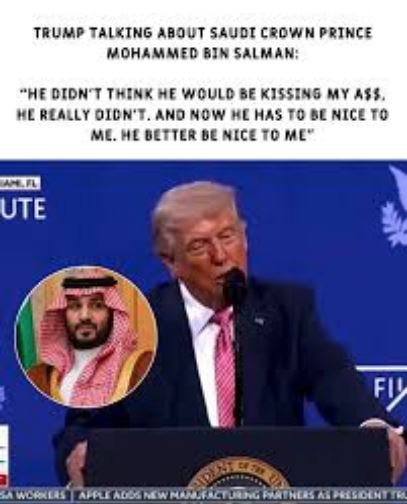
With a cynical and vulgar statement that caused a diplomatic earthquake and left the international community stunned, the American president Donald Trump, speaking at the Future Investment Initiative, used extremely demeaning and crude language to describe his relationship with the powerful crown prince of Saudi Arabia, Mohammed bin Salman (MBS).
This rhetoric, which was broadcast live and is already circulating on YouTube, overturns every notion of diplomatic protocol, highlighting the absolute dominance that Trump believes he exercises over the traditional allies of the USA.
“He will kiss my ass”!
The American president did not hesitate to use street-level expressions to describe the submission of the Saudi leader, stating characteristically:
“He didn’t think he would need to kiss my ass.
He thought I would be just another American president.
A loser with a collapsing country.”
This statement is interpreted as an attempt by Trump to show his domestic audience that his “America First” policy has forced even the richest and most powerful players in the Middle East into full compliance with American demands.
The end of the “equal” alliance
Trump’s strategy appears to be based on the public humiliation of his allies in order to demonstrate his power.
According to analysts, this phrase sends three central messages:
1) MBS, who tried to present himself as the dominant figure in the region, is now portrayed by Trump as a leader who “tasted defeat” and was forced into humiliating concessions.
2) The reference to the investment forum implies that Saudi Arabia continues to fund American demands, weapons purchases, investments, solely because it fears Trump’s anger.
3) Trump distinguishes himself from previous presidents, whom he calls “failures,” claiming that he is the only one who can impose the will of the USA with such cynicism
Diplomatic consequences: silence from Riyadh
So far, Riyadh maintains silence, however the insult is so severe that many are wondering whether the Trump-MBS relationship can remain functional.
In a culture where “honor” is everything, the public use of such expressions by the American president could trigger an unseen but deep crisis in relations between the two countries, especially at a time when the war with Iran is in full progress.
The pattern of Trump’s behavior... respect is not earned through politeness, but through power and resistance
The behavior of Donald Trump toward foreign leaders is not random, but follows a consistent pattern: contempt for submissiveness and unexpected respect for toughness.
The psychology and strategy of Donald Trump in negotiations are not based on traditional diplomatic protocol or the win-win rule, but on the rules of the “Zero-Sum Game” and the real estate culture of New York in the 1980s.
For Trump, respect is not earned through politeness, but through power and resistance, while he uses insult as a measuring tool.
If his counterpart “bows their head” such as MBS and earlier Maduro who agreed with him or even Iran, Trump will continue to step on them.
If his counterpart stands firm and strikes back such as Putin or Kim, Trump will retreat and try to reach a deal “between strong men.”
1) The “predator” and “prey” theory
Trump perceives relationships as a continuous battle for dominance.
If someone negotiates with him with moderation or submissiveness, Trump interprets it as weakness.
He underestimates them because he believes that if he can insult you and you do not react, then “he owns you.”
The retreat of the counterpart gives him the green light to increase his demands.
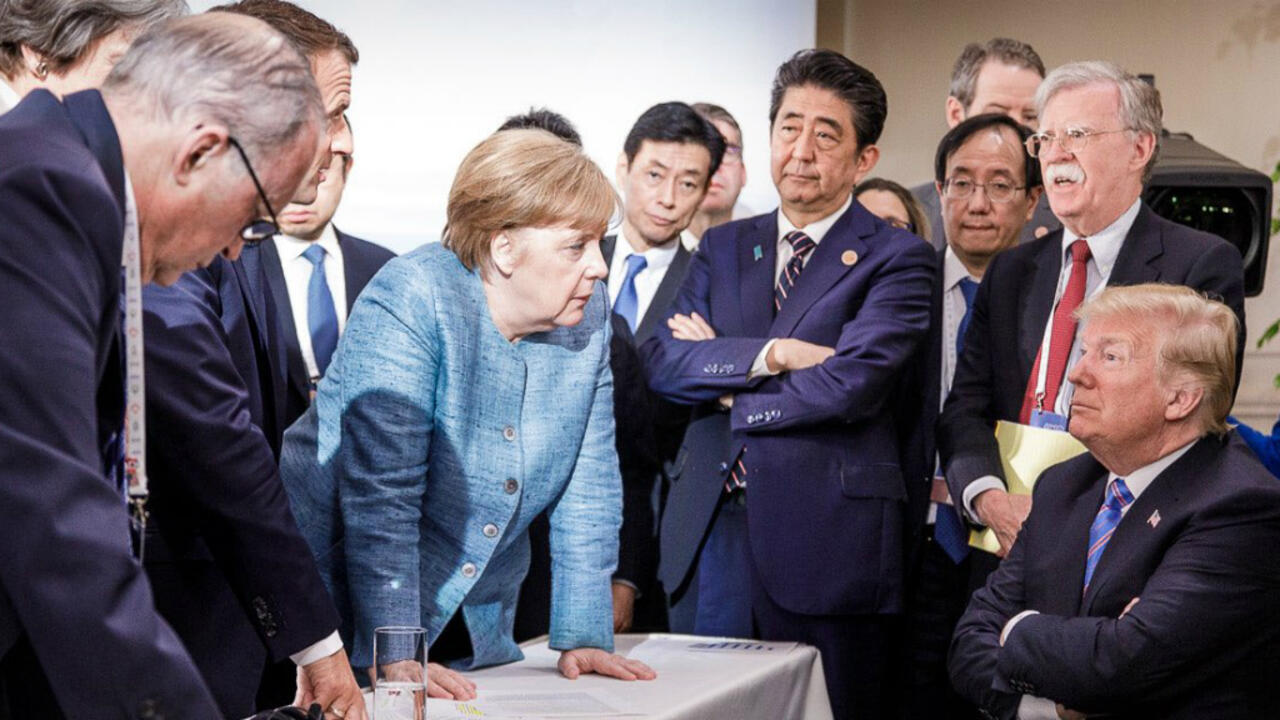
First was Theresa May in his political career as president of the USA.
He often publicly belittled her for the way she handled Brexit, considering her weak because she tried to compromise with the EU.
2) Respect for “raw power” The strongman syndrome
Trump is attracted to leaders who display absolute control domestically and are not afraid to confront internationally.
Why he respects limits: When someone tells him “no” and backs it up with actions, military or economic, Trump recognizes an “equal player.”
He understands that pressure does not work, so he moves into a phase of admiration in order to close the deal.
There are many examples:
a) Saudi Arabia Mohammed bin Salman: The trap of “bought” friendship.
Despite billions in weapons purchases and Riyadh’s full alignment with American demands, Trump publicly humiliates him.
His statement that the Crown Prince “didn’t think he would kiss my feet” shows that Trump considers MBS his “property.”
Because the Saudi leader chose the path of appeasement and money, Trump placed him in the category of “clients” who are not entitled to respect, but to orders.
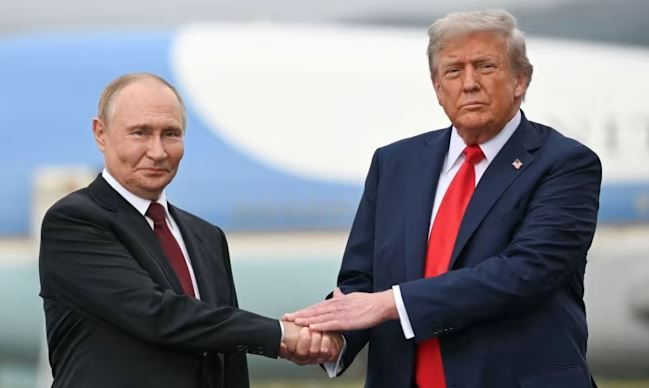
b) Russia Vladimir Putin: Respect for the “strong player.”
Although Russia is the main geopolitical opponent, Trump rarely uses derogatory descriptions for Putin.
On the contrary, he calls him “smart,” “tough” and “capable,” and this was evident in the acceptance of Russia’s conditions on the issue of Ukraine in Alaska and the pressure on the Ukrainian president Volodymyr Zelensky to hand over the Donbass.
The reason is that Putin consistently sets limits, displays military power and does not retreat an inch from his interests.
For Trump, Putin is a “winner” who plays the power game on his own terms.
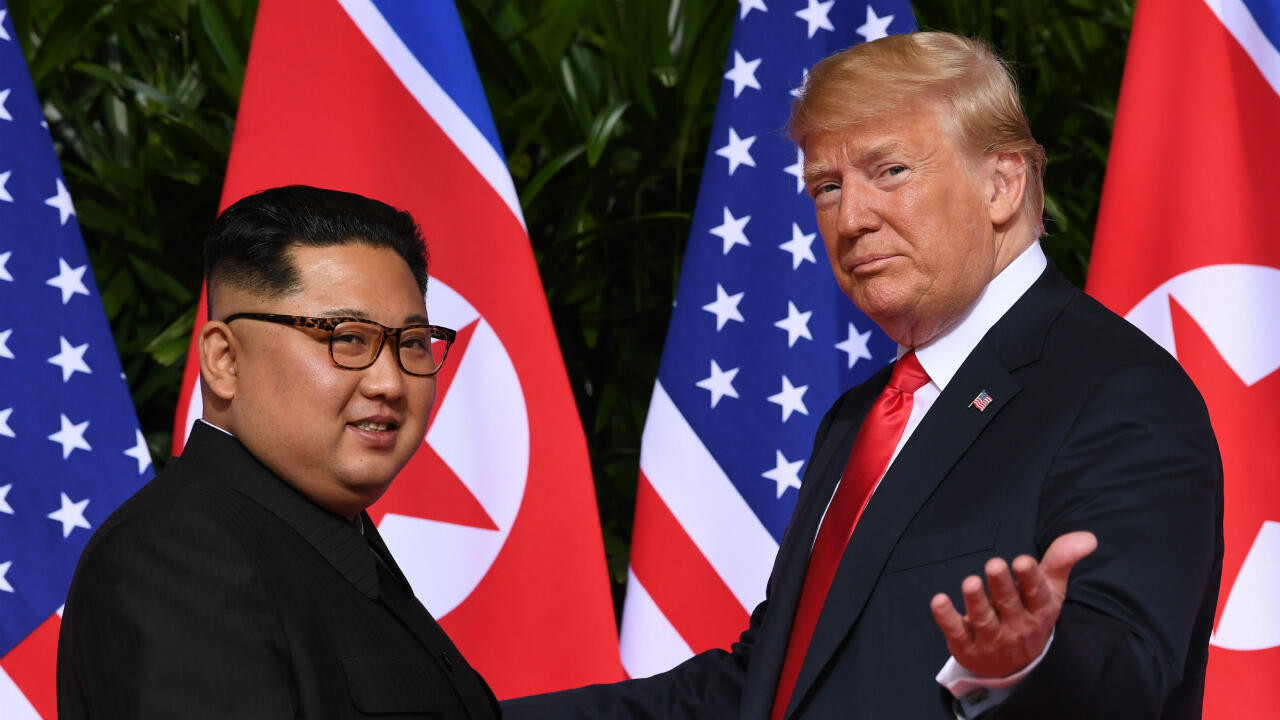
c) North Korea Kim Jong Un: From insults to “love.”
It is the most classic example of Trump’s transformation.
He began by calling Kim “Little Rocket Man” and threatening him with annihilation.
However, when he realized that Kim was not intimidated by bullying and continued his nuclear program with persistence, Trump changed his rhetoric.
He began talking about the “beautiful letters” they exchange, because he recognized in Kim a leader who does not bend under pressure.
d) Turkey Recep Tayyip Erdogan: The clash of two “strongmen.”
Erdogan is one of the few leaders who have dared to ignore direct threats from Trump, for example regarding the case of pastor Brunson or the S-400.
Although Trump went as far as to threaten the “destruction of the Turkish economy,” at the same time he described Erdogan as a “global player” and “friend.”
Trump respects the fact that Erdogan operates as an authoritarian leader who answers to no one, something that Trump himself admires.
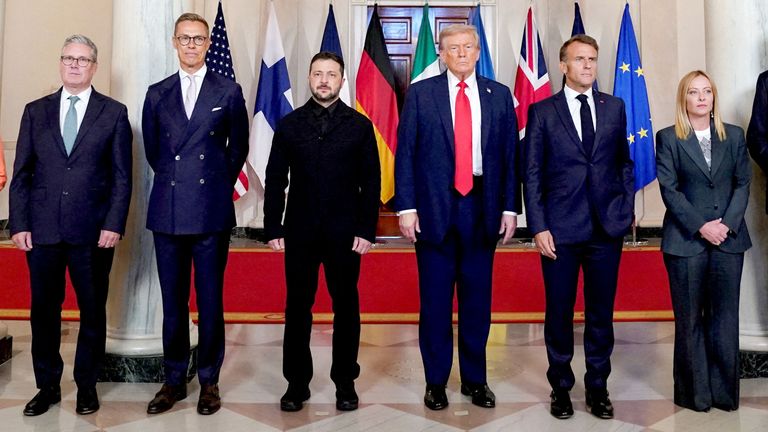
e) European leaders (Merkel, Macron, May): Contempt for democratic moderation.
In contrast to authoritarian leaders, Trump often mocked or ignored European allies.
He considered them “weak” because they operated through institutions, international agreements and compromises.
For him, their attempt to discuss with rational arguments was an indication that “they have no guts,” which is why he treated them with complete disdain at summits.
3) The “bullying” tactic as a negotiation filter
He uses insults, such as the one about MBS, as a stress test.
He wants to see how far he can push the other side before they break.
Unforgettable was the attack on Justin Trudeau at the G7: At the 2018 summit, Trump attacked Trudeau, calling him “very dishonest and weak” after a disagreement over tariffs. The reason. Trudeau dared to say that Canada “will not let anyone do whatever they want to it.”
Despite the insult, Trump continued to negotiate with him with greater caution afterward.
www.bankingnews.gr






Readers’ Comments