In an era of rapid economic and geopolitical transformations amid war in the Middle East, the traditional balances of the international monetary system are being challenged.
The global system based on the US dollar and its oil foundation, the petrodollar, appears to be transitioning to a new model, led by China and Iran, through the promotion of the petroyuan, that is, the use of the Chinese currency as a primary medium of exchange in the oil sector.
A currency can become international when it is supported by far more than the geographical boundaries of the country that issues it.
The US dollar initially found this support in gold and later in oil, creating a unique position of power in the global economy.
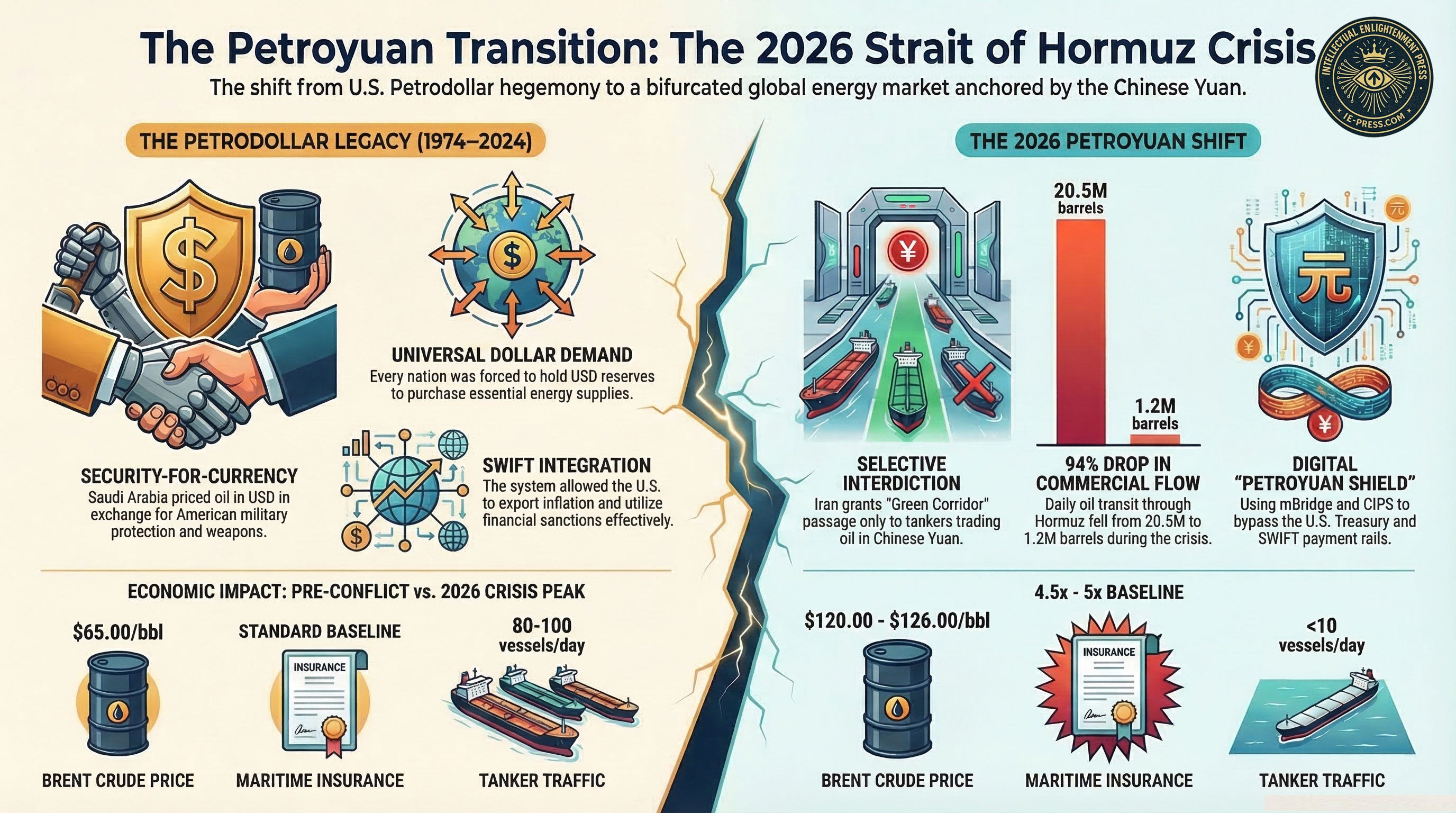
The historical trajectory of the dollar and oil
Economic analyst Rahman Saadat describes the transformation of the international monetary order as follows: before World War II, hegemony belonged to the pound sterling, but after the war and the Bretton Woods Conference in the United States, the US dollar replaced the pound, supported by gold.
This change gave the American currency the ability to become an international reserve currency.
The involvement of the United States in the Vietnam War and the huge fiscal deficit led to the decision of the Nixon administration to end the link between the dollar and gold.
This marked the beginning of the oil-based dollar, the well-known petrodollar, as the United States cooperated with certain Arab countries to tie the oil market to the dollar.
In this way, oil became the strategic backbone of American economic hegemony.
Even with the emergence of the euro in 2000, the dollar maintained its position, as oil continued to be the main axis of global energy trade.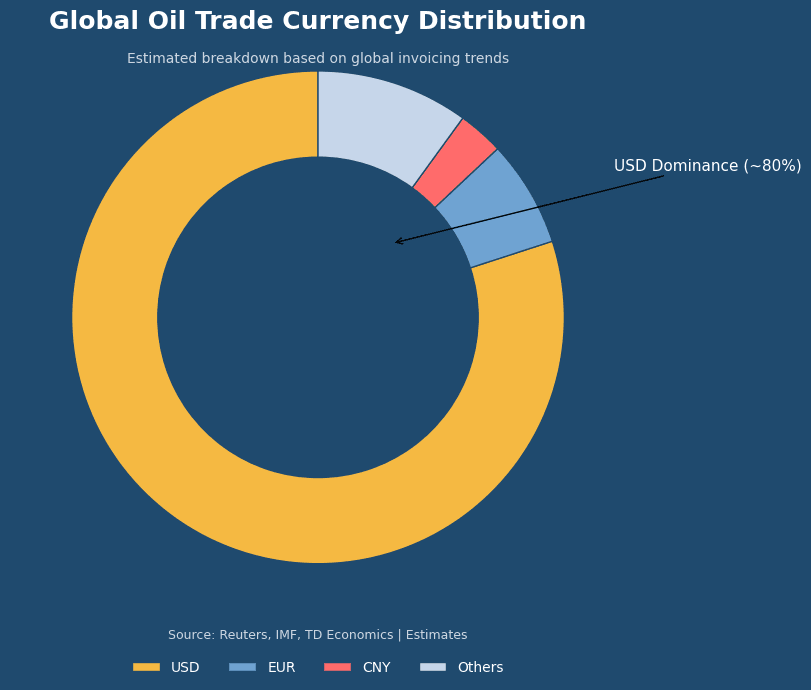
The current shift toward the petroyuan
Today, global economic balances are changing rapidly.
China, with its massive economic growth and increasing need for energy, is a key driver of this change.
At the same time, restrictions on dollar transactions imposed on countries such as Iran have accelerated the discussion of a transition to the petroyuan.
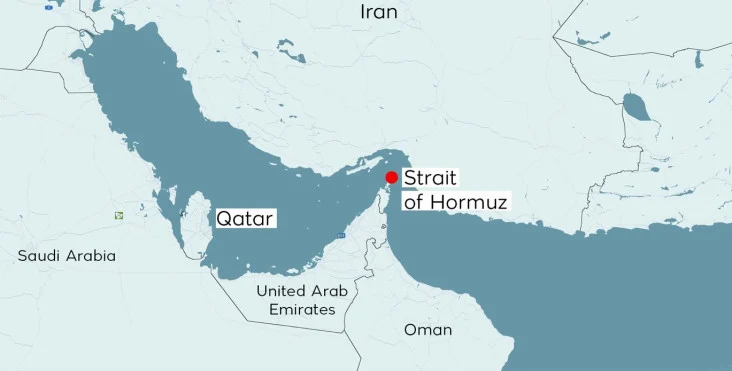
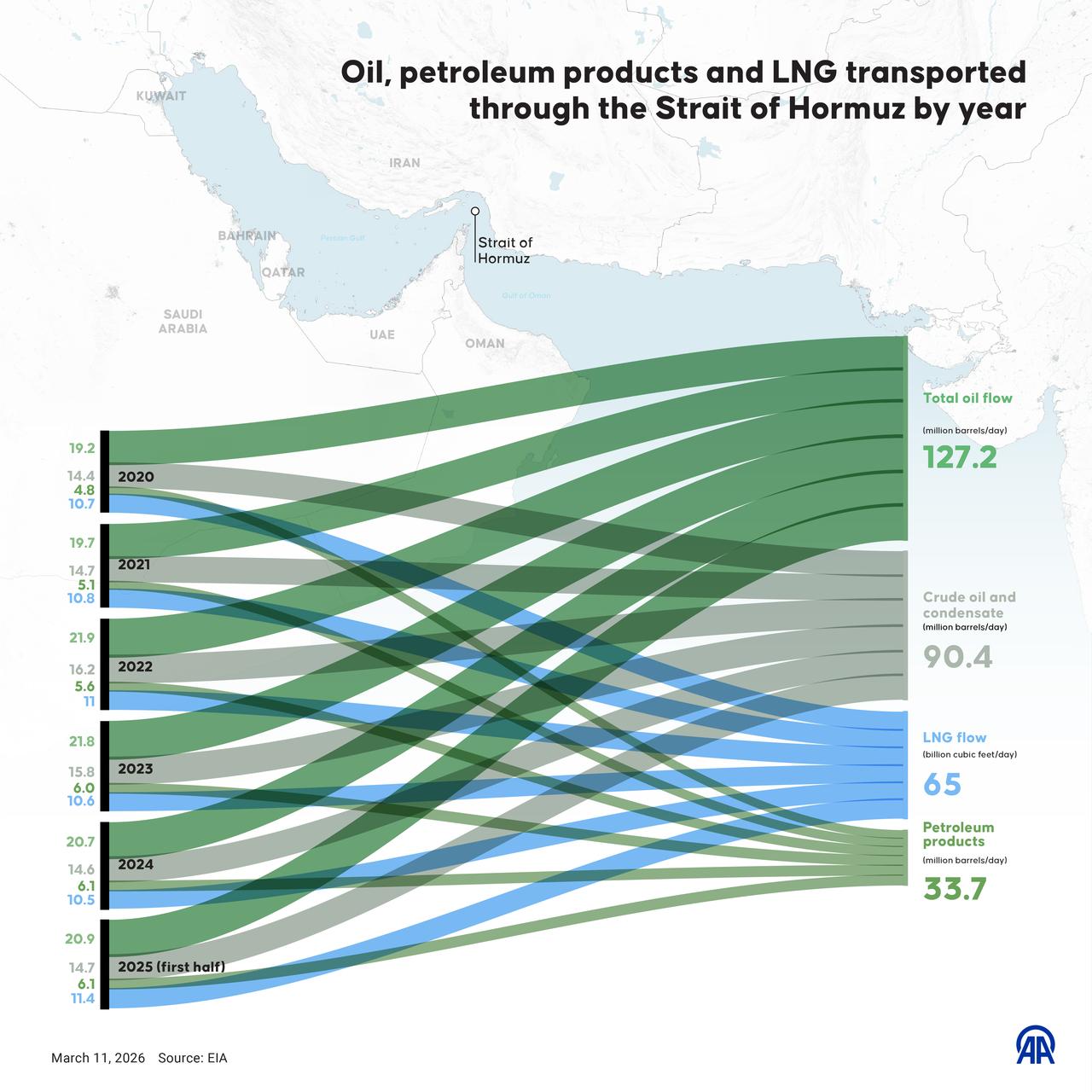
Saadat points out that Iran, possessing significant energy reserves and control over one of the most strategic international sea lanes, the Strait of Hormuz, will not be a passive observer.
Control of Hormuz gives Iran the ability to directly influence currency choices in oil markets.
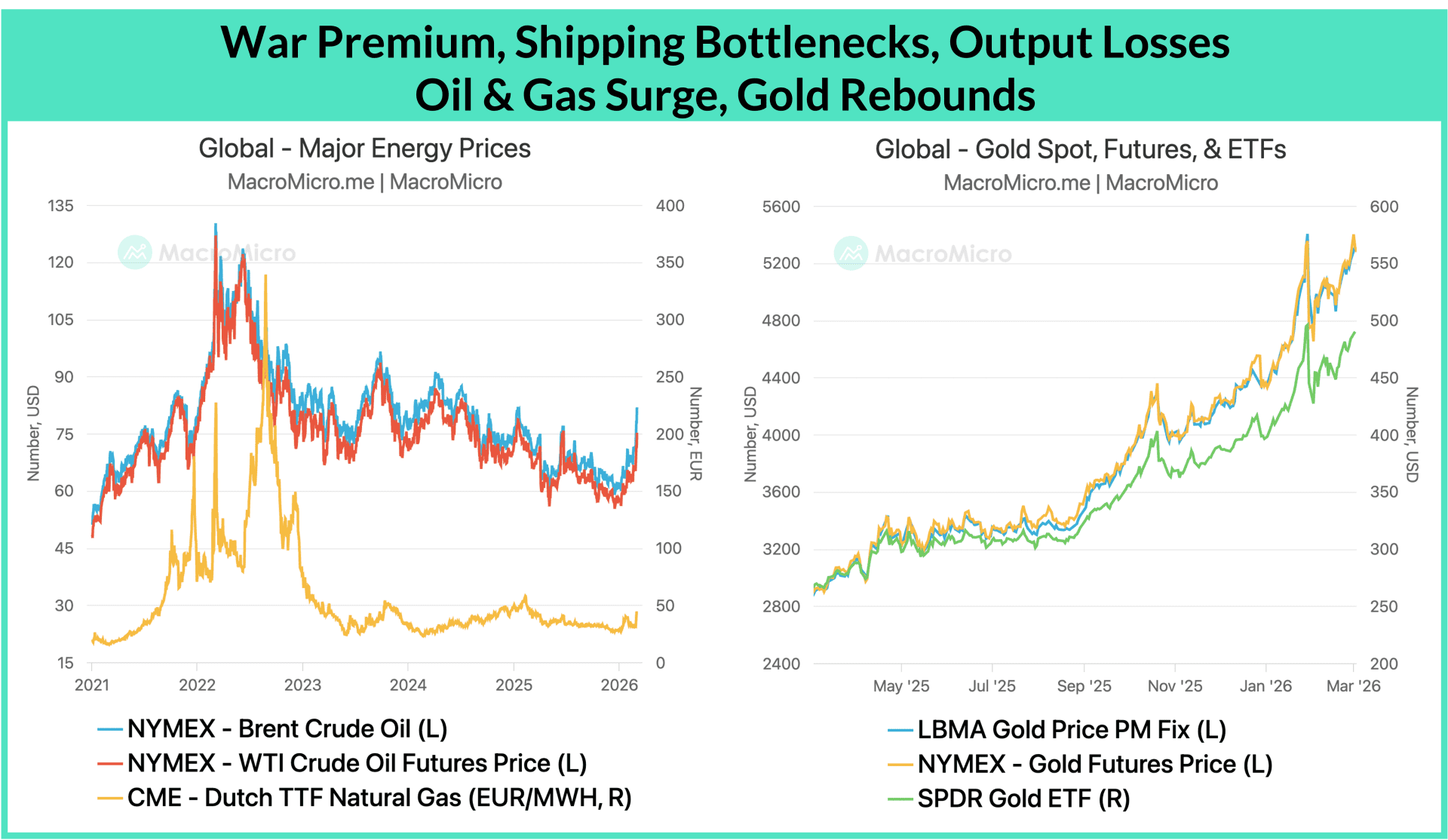
China and the need for energy resources
The economic model of China is closely linked to industrial development and technology, which in turn depend on access to oil and energy.
Saadat argues that the economic superpower of the future will be the country that has continuous and manageable access to energy resources.
For China, the petroyuan represents an opportunity to strengthen its global influence while reducing its dependence on the US dollar and the financial pressure that comes with it.
Iran as an active player
The involvement of Iran is not limited to the management of strategic sea passages.
American sanctions have restricted the country’s access to dollar reserves, reducing oil revenues and economic stability.
The conversion of oil transactions into yuan, according to Saadat, can be a critical tool for strengthening Iran’s economic independence, while facilitating cooperation with China in international energy trade.
The flow of money from Beijing to Tehran
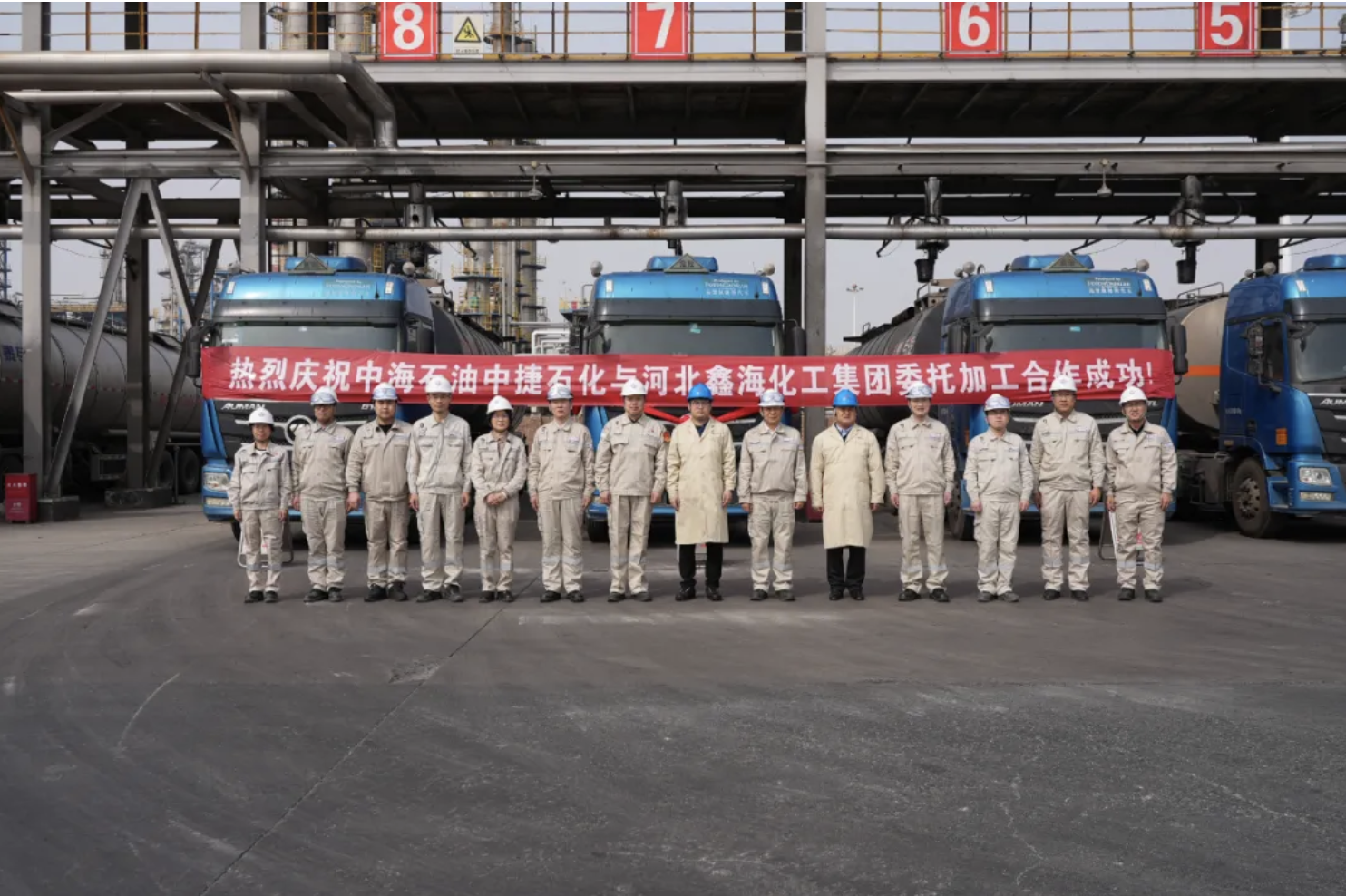
While China has presented itself during the conflict as an external “peacekeeping power”, extensive oil trade, through hard-to-trace networks of state entities and front companies, allows Iran to finance its military operations.
“With the Islamic Revolutionary Guard Corps (IRGC) now controlling up to about 50% of Iran’s oil export revenues, revenues from China essentially finance its military operations and regional proxies,” said Tuvia Gering, researcher at the Atlantic Council’s Global China Hub.
After Western sanctions that excluded Tehran from many international buyers and financial systems, Iran found a willing buyer in China, the world’s largest crude importer.
Beijing sealed this relationship in 2021 with a 25-year cooperation agreement worth 400 billion dollars, securing discounted Iranian oil in exchange for investments in energy, financial and other critical Iranian infrastructure, reported the New York Times.
Geopolitical implications
The shift from the petrodollar to the petroyuan is not only an economic move, but also a strategic one.
Control over oil production and the ability to influence the monetary value of trade transactions give Iran and China strong negotiating advantages on the international stage.
In particular, China can strengthen its global position by promoting the yuan as a currency for international transactions and reducing the monopolistic power of the US dollar.
Iran, in turn, can use its strategic geographic advantage and energy reserves to accelerate the implementation of this transition.
The shift from the petrodollar to the petroyuan represents a historic change in international economic power and geopolitical dynamics.
China and Iran, with the tools of economic development and strategic resources, can challenge the traditional dominance of the United States in international monetary and energy relations.
As global markets and international transactions evolve, the ability of states to control both resources and monetary power will determine who the new protagonists of the global economy in the 21st century will be.
www.bankingnews.gr







Readers’ Comments