The war in the Middle East is entering a new phase.
In the conflict between Iran, the United States and Israel, the combat-ready Houthi movement from northern Yemen is entering.
The message coming from the region is clear: if the conflict expands onto Iranian territory, then the regional balance may change dramatically.
The Ansarullah movement, known internationally as the Houthi, has already made it clear that it is in a state of readiness for a new phase of confrontation, whether this concerns the United States or Israel.
From the side of Tehran, the message conveyed in diplomatic and political circles is that the direct involvement of the Houthi will be activated if American troops attempt to seize any part of Iranian territory.
The experience of the last war and the resilience of the Houthi
The movement emerged from the last cycle of conflicts significantly pressured, but not defeated.
Despite the airstrikes and military pressures it faced, it managed to maintain its political and military cohesion in northern Yemen.
The American president Donald Trump himself praised the Houthi, referring to them as exceptional fighters.
In May 2025, a ceasefire agreement was reached between the Houthi and the United States. This agreement provided:
1) Cessation of Houthi attacks against commercial ships in the Red Sea
2) Cessation of American-British airstrikes in northern Yemen
Although this agreement significantly reduced tensions in the region, military exchanges between the Houthi and Israel continued until October 2025.
At that time, a ceasefire agreement was reached in Gaza between Israel and Hamas, which led to a temporary de-escalation of regional tensions.
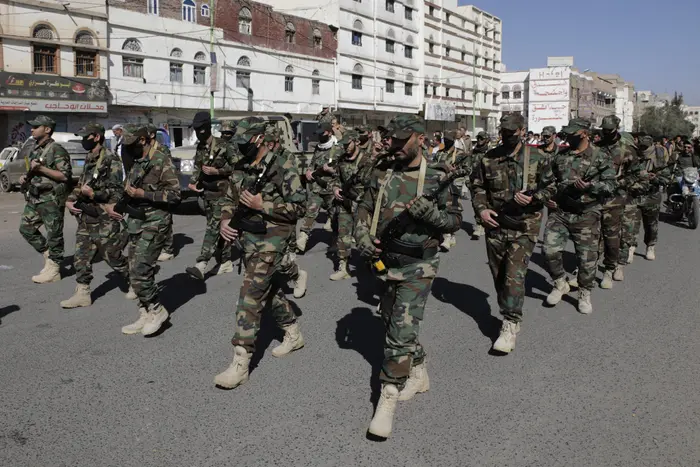
The possibility of expansion of the conflict
The key question now occupying analysts and diplomats is what will happen if the conflict between the United States, Israel and Iran develops into a full-scale war.
One of the most critical scenarios concerns the possibility of an American military operation to seize Kharg island, a strategic islet in the Persian Gulf.
This island constitutes one of the most important energy hubs of Iran, as a large portion of Iranian oil exports passes through it.
If American forces attempt to seize the island, then according to sources close to Tehran, a broader regional reaction will be activated.
In a private meeting with analysts, a senior source close to the Iranian political system reportedly stated that the presence of American ground forces on Iranian territory would constitute a “red line” that would lead to the entry of the Houthi into the war.
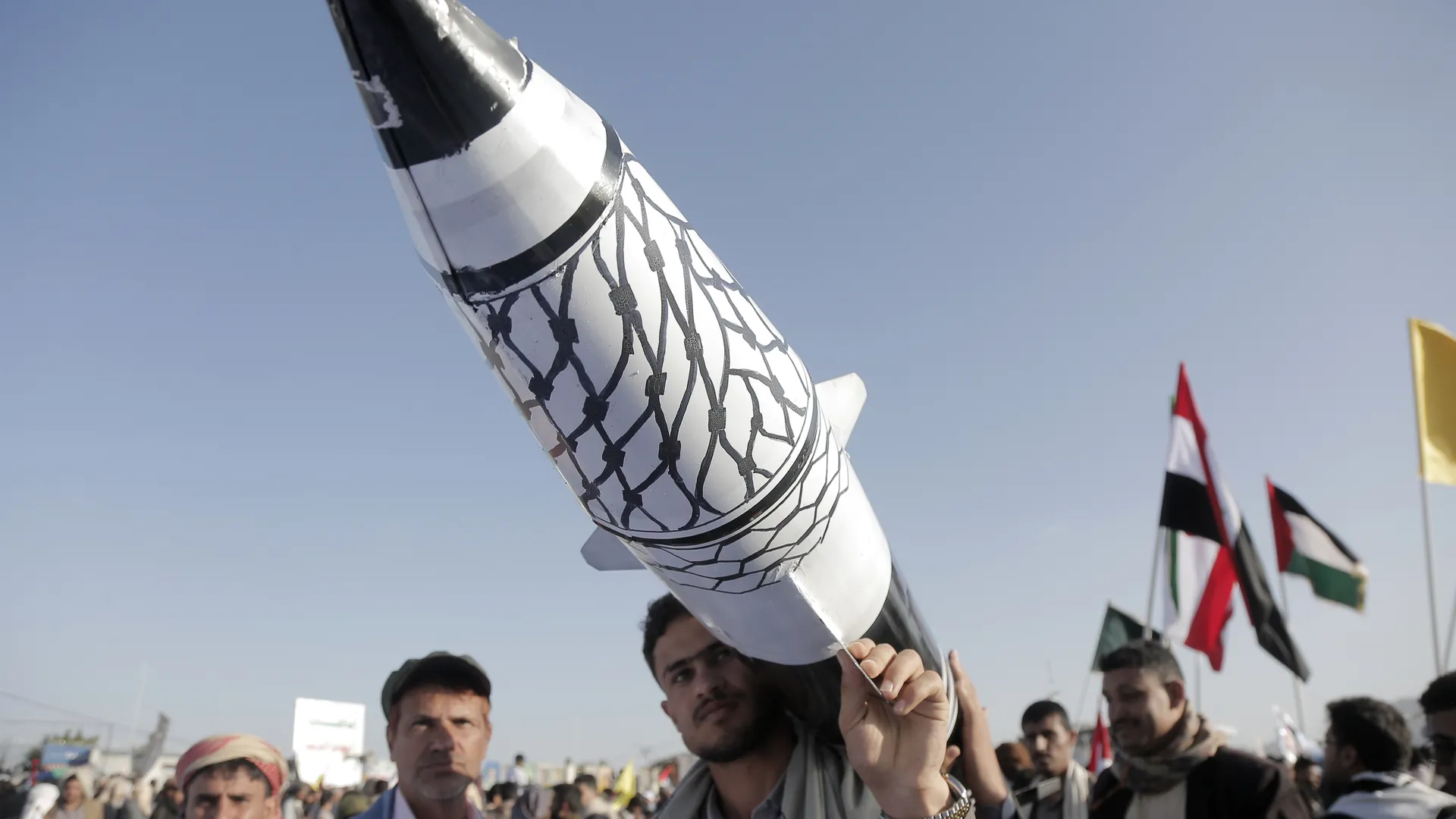
Military readiness in northern Yemen
In northern Yemen, where Ansarullah controls the capital Sanaa and a large part of the country, the possibility of a new conflict is considered almost certain.
On 26 March, a senior official of the movement stated that the armed forces of the Houthi are in full readiness.
According to the same source, if Iran’s military prospects worsen in the war, then they will actively enter the conflict.
This statement underlines the strategic link between Ansarullah and Tehran, but also the broader idea of regional solidarity often highlighted in the movement’s political discourse.
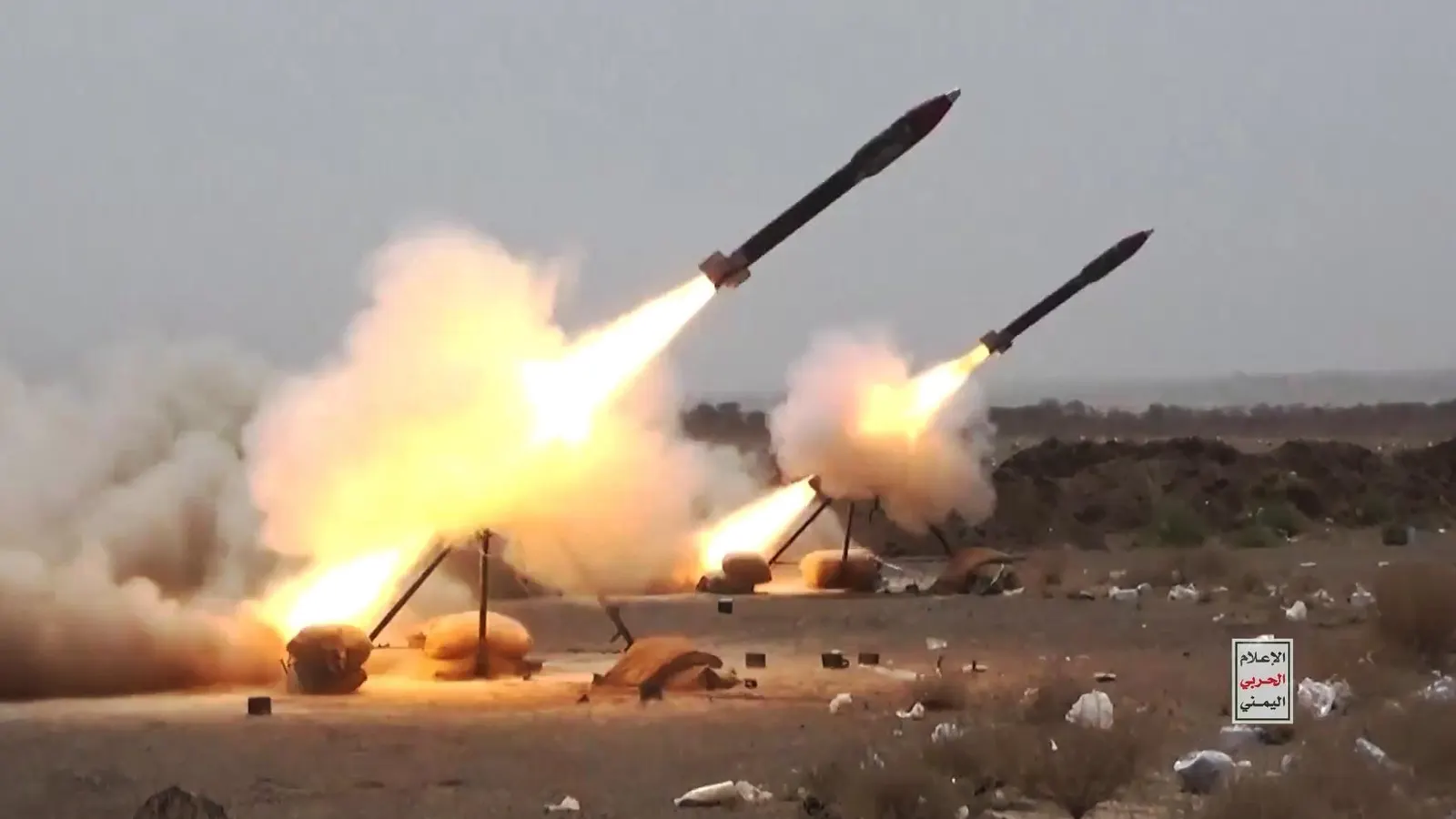
The experience of the conflict in Gaza
Analysts close to Ansarullah believe that the participation of the Houthi in the Gaza war had significant results.
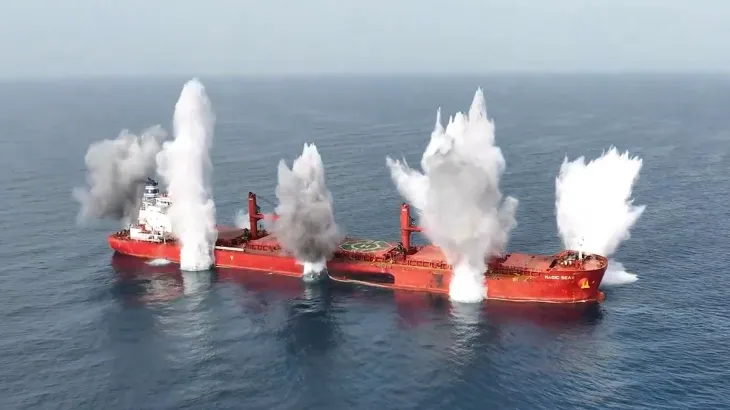
According to one of them, the campaign in the Red Sea “achieved its main strategic objectives”.
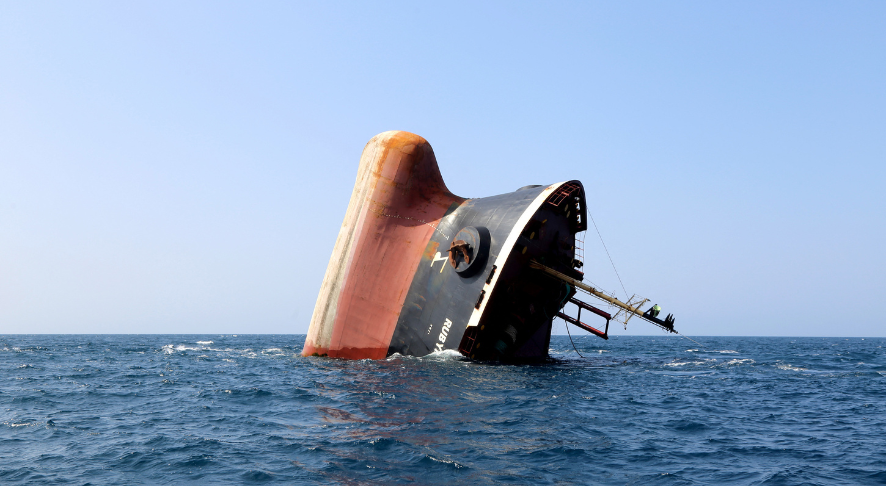
During that period, dozens of commercial ships were forced to change course, global shipping was significantly affected, while the importance of the Bab al-Mandab strait became evident worldwide.
The same analyst also argues that the Houthi now possess a larger number of missiles and drones, with significantly improved accuracy compared to previous years.
The strategic autonomy of Ansarullah
An interesting point highlighted by some analysts is that the Houthi no longer depend entirely on external military support.
Although Iran is considered an important political and strategic ally, some experts estimate that Ansarullah has now developed:
1) Domestic drone production
2) Improved missile systems
3) Effective command and control structures
This means that its ability to defend itself or conduct operations does not depend exclusively on external supplies.
The economic dimension and relations with Saudi Arabia
Alongside military developments, there is also an important economic dimension.
The leader of the Houthi, Abdul-Malik al-Houthi, has repeatedly emphasized that the reconstruction of Yemen is a key priority.
According to estimates by Ansarullah, the damage caused by the war amounts to approximately 57 billion dollars.
This amount is presented as compensation that should be paid by Saudi Arabia, which led the military coalition that fought the Houthi in previous years.
The economic situation in Yemen remains extremely difficult, as the country continues to face sanctions and economic pressures.
The role of Saudi Arabia in the next phase
Saudi Arabia finds itself in a particularly complex position.
On the one hand, it seeks to avoid a new conflict on its southern borders.
On the other hand, it faces pressure from its Western allies to participate more actively in a potential conflict with Iran.
The resumption of attacks by the Houthi against Saudi Arabia or the United Arab Emirates could cause serious regional destabilization.
The possible role of European forces
Another factor that could influence the course of events is the potential involvement of European military forces.
If countries of Europe attempt to participate in missions to protect maritime routes in the Strait of Hormuz or in Bab al-Mandab, this could be perceived by Sanaa as participation in the war against Iran.
In such a scenario, the Houthi could attempt to block the passage of European warships through Bab al-Mandab.
Critical crossroads
Developments in the Middle East show that the region is at a critical crossroads.
The Houthi of Ansarullah, despite the difficulties they have faced in recent years, remain a significant regional actor with military and political capabilities.
The possibility of expansion of the conflict between Iran, the United States and Israel could turn the Red Sea and Yemen into a new key theater of operations.
For now, the Houthi appear to be closely monitoring developments.
However, if the conflict reaches the level of a direct threat to Iran or to northern Yemen, then Ansarullah may once again find itself at the center of a major regional confrontation.
www.bankingnews.gr








Readers’ Comments