It is truly shocking.
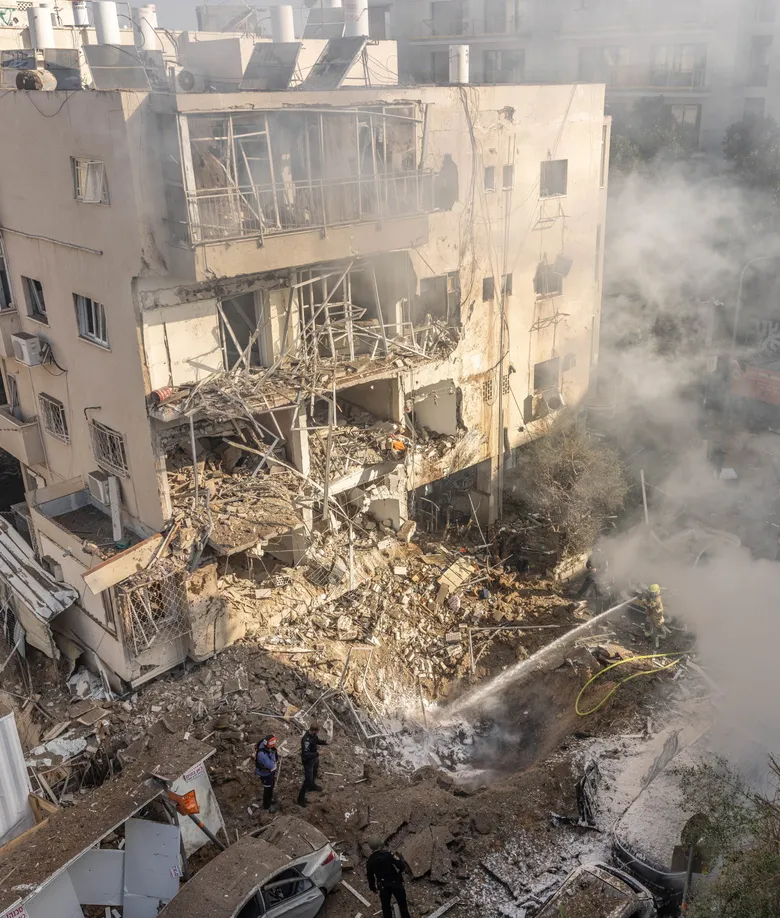
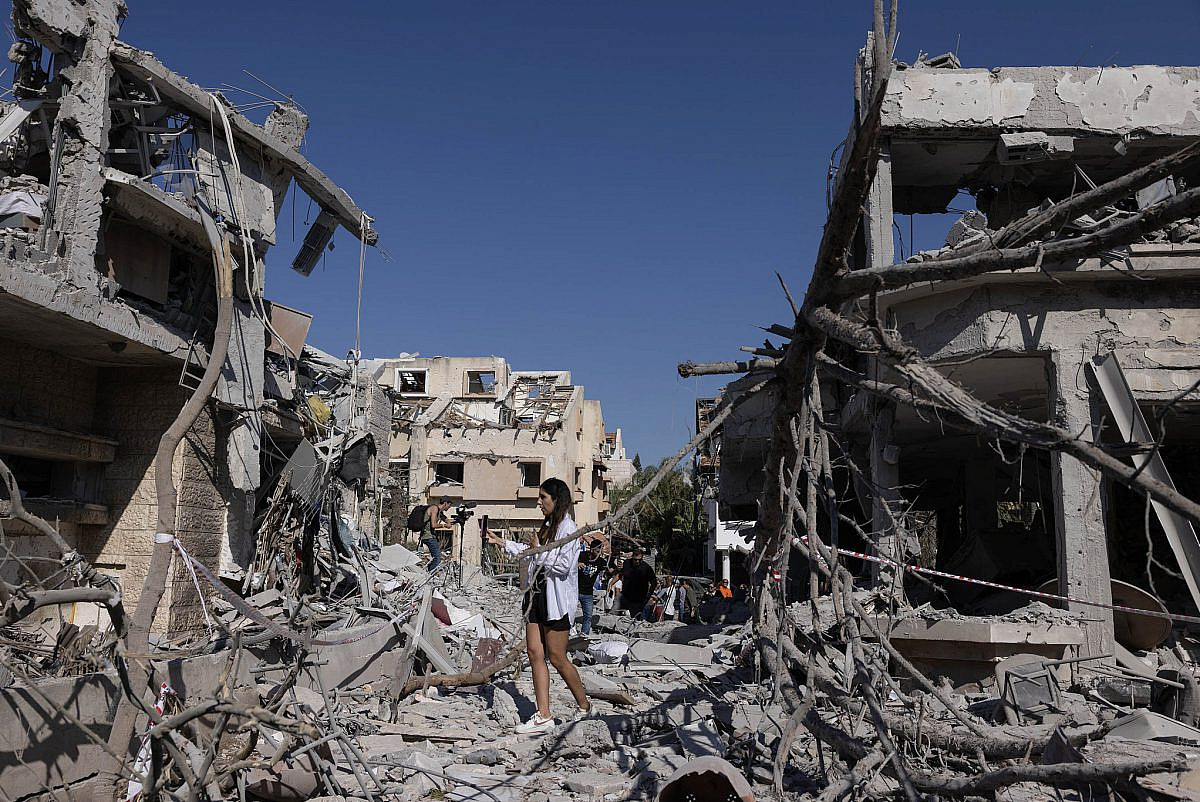
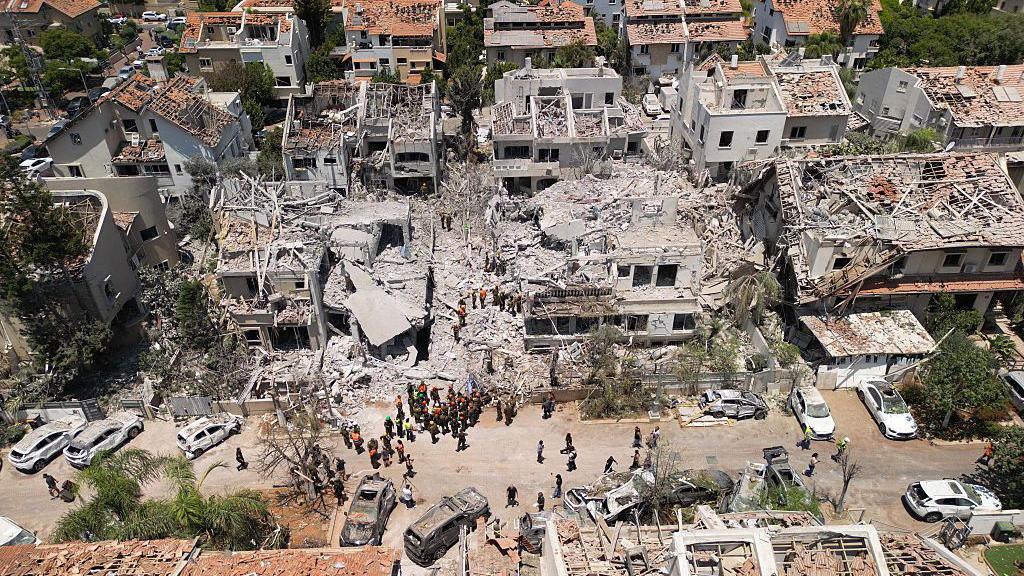
The Iranian strikes on Israel since 28 February 2026, when the war in the Middle East began, have been remarkably accurate and devastating.
What is most striking is that the Israelis themselves admit it, even acknowledging that their multi-layered air defense has been exhausted.
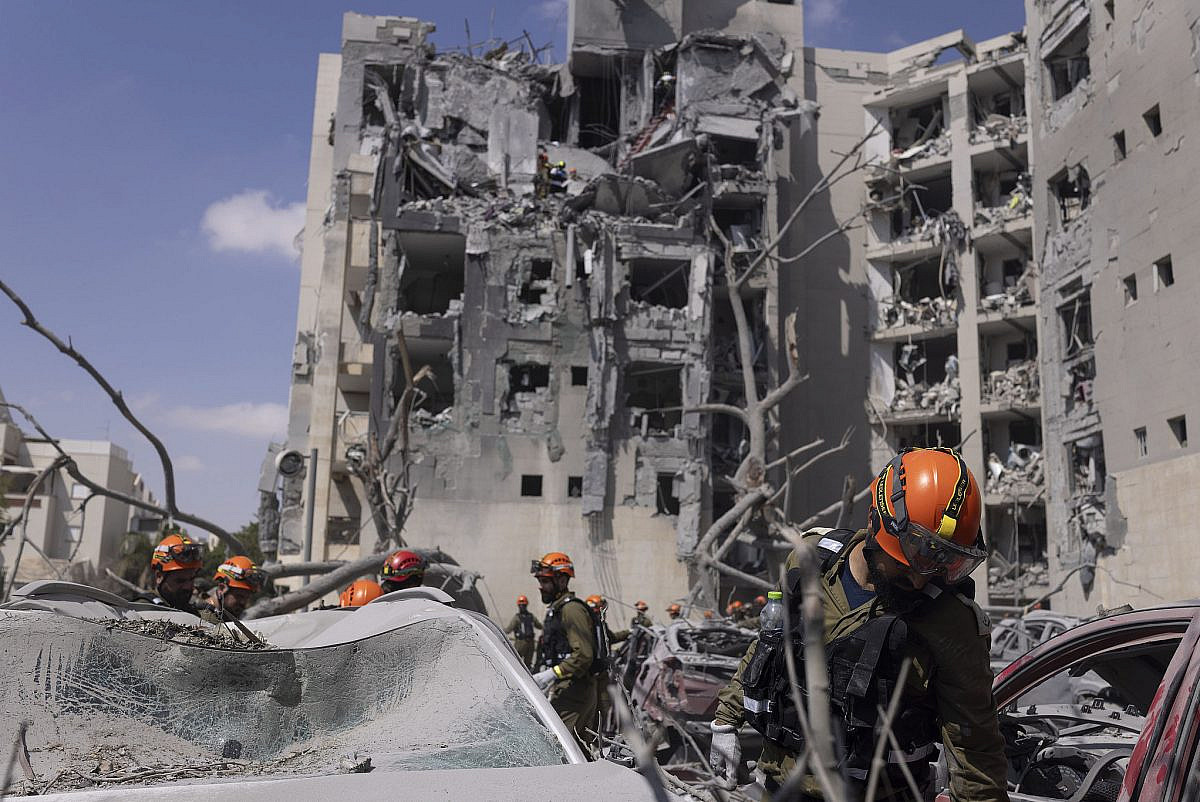
A report by the Israeli newspaper Haaretz reveals that approximately 8 out of 10 Iranian missiles launched toward Israeli positions manage to reach their targets.
That is, 80% of Iranian missile strikes are accurate, delivering critical blows to Israel.
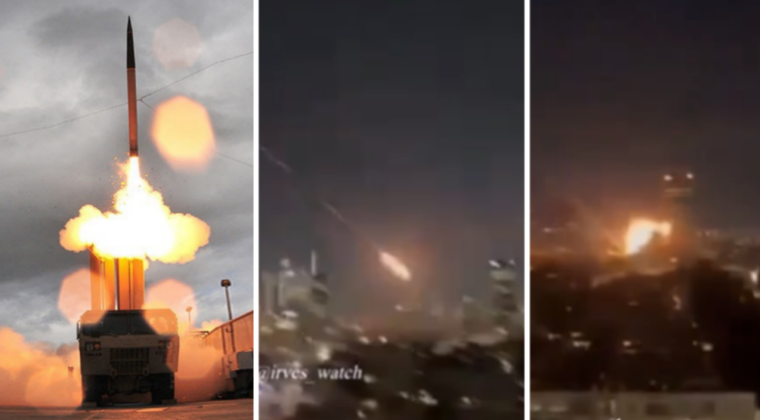
This information confirms increasing reports and visual material circulating internationally showing repeated failures of the missile defense systems of the United States and Israel to intercept the attacks.
At the same time, according to the same source, the effectiveness of Iranian missiles appears to be gradually improving, something attributed both to the technological evolution of Iran’s weapons systems and to the increasing strain on the defensive systems of its opponents, writes Military Watch Magazine.
Severe pressure on Israeli and American air defense systems - Collapse for Iron Dome, David’s Sling and Arrow
Israeli analysts commenting on the situation noted that one of the most important factors behind the success of Iranian missiles is the systematic exhaustion of the air defense network.
Israel possesses one of the most advanced multi-layered missile defense systems in the world, which includes systems such as Iron Dome, David’s Sling and Arrow.
However, the intensity of the attacks appears to have created an unprecedented level of pressure.
Each missile defense system relies on a chain of processes:
1) Early warning through radar
2) Analysis of the missile trajectory
3) Launch of an interceptor missile
4) Destruction of the incoming target before impact
However, when the number of incoming missiles is large or when early warning systems are limited, even the most advanced systems can become overloaded.
This is exactly what appears to be happening in the current situation.
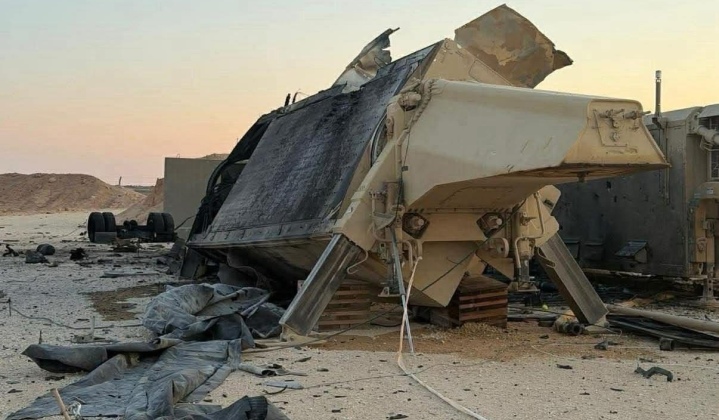
The destruction of forward radar systems
Another factor that has worsened the situation for Israeli and American forces is the destruction of significant radar systems in allied Arab countries.
These radars functioned as forward sensors, providing early data for missile launches.
According to sources cited by the Israeli newspaper, Iranian operations destroyed systems with a total value of approximately 2.7 billion dollars.
Among them are:
1) The AN/FPS-132 radar in Qatar
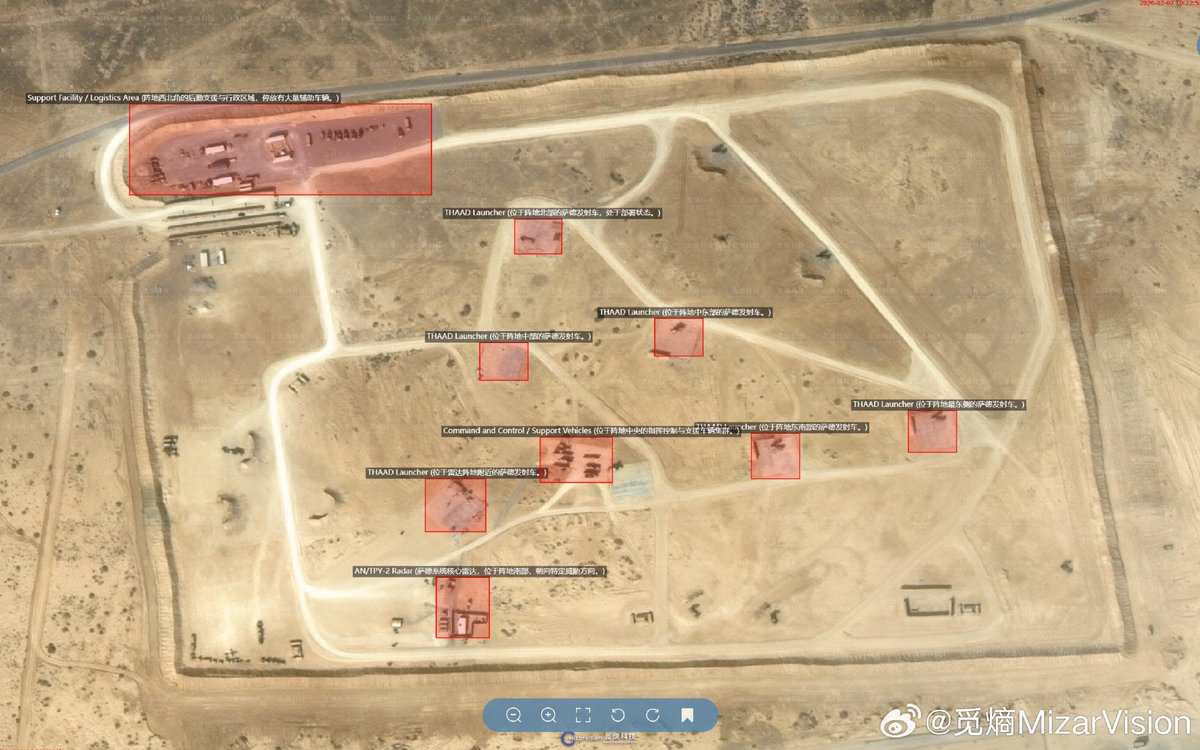
2) Two AN/TPY-2 radars in Jordan and the United Arab Emirates
These systems are key nodes of the American global missile defense network.
Their loss significantly reduces the ability for early detection and provision of targeting data to interceptor systems.
As a result, the United States and Israel are forced to rely more on naval radars installed on warships, as well as the remaining AN/TPY-2 radar in Turkey.
This situation creates gaps in coverage and reduces the reaction time of defense systems.
The contribution of Hezbollah to the pressure on Israeli defense systems
Alongside missile attacks from Iran, an important role in burdening Israeli and American defensive capabilities appears to have been played by the mass launch of rockets and missiles by units of Hezbollah in Lebanon.
These attacks have a dual effect.
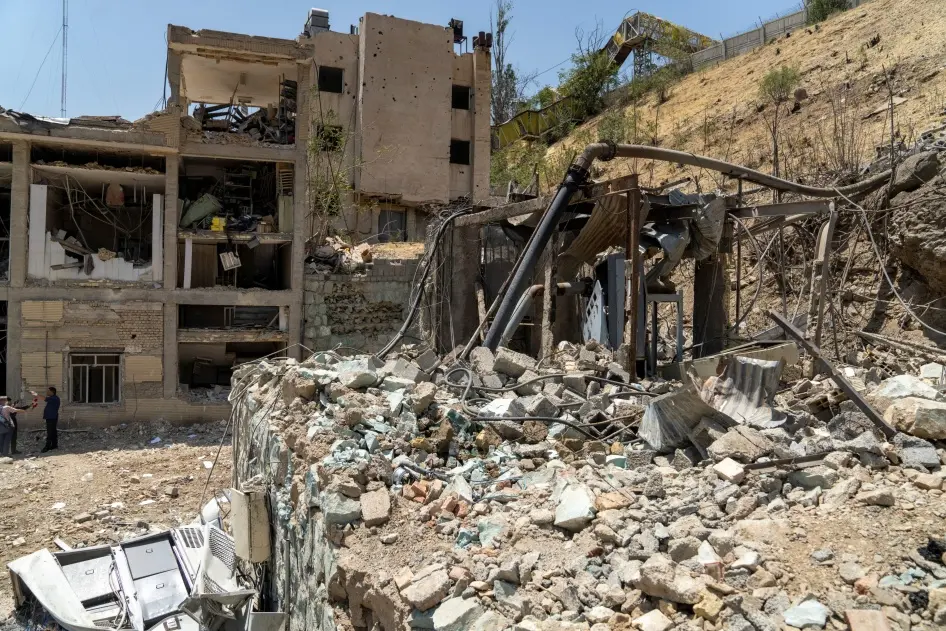
They force air defense systems to deal with multiple directions of threat.
They also force interceptor stockpiles to be depleted more quickly.
In a multi-front environment where thousands of rockets, drones and ballistic missiles are launched in a short period of time, even the most powerful defense systems can reach the limits of their capabilities.
The deployment of American missile defense systems before the war
Before the start of the major military conflict on 28 February, when the United States and Israel launched a large-scale attack against Iran, Washington had already deployed significant missile defense forces in the region.
Specifically, the American army and navy deployed:
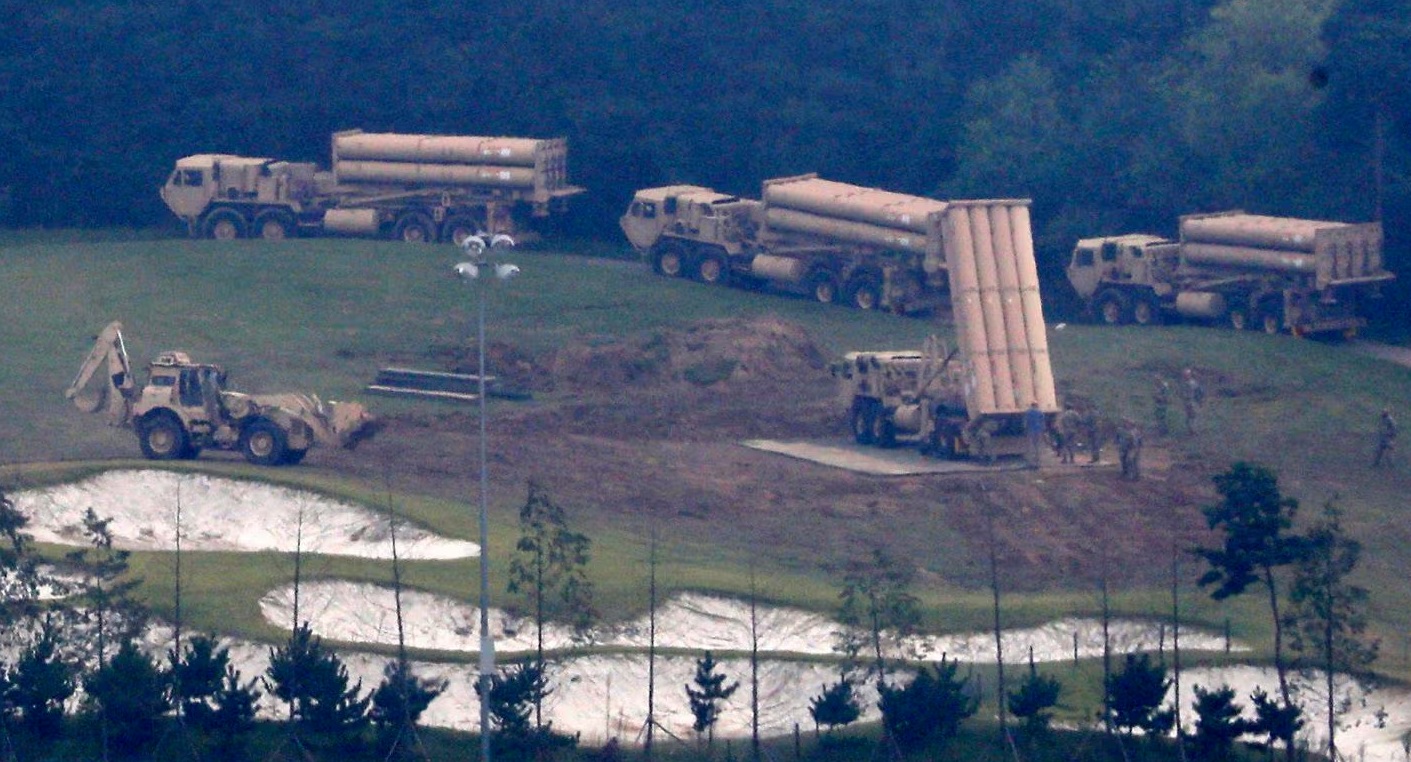
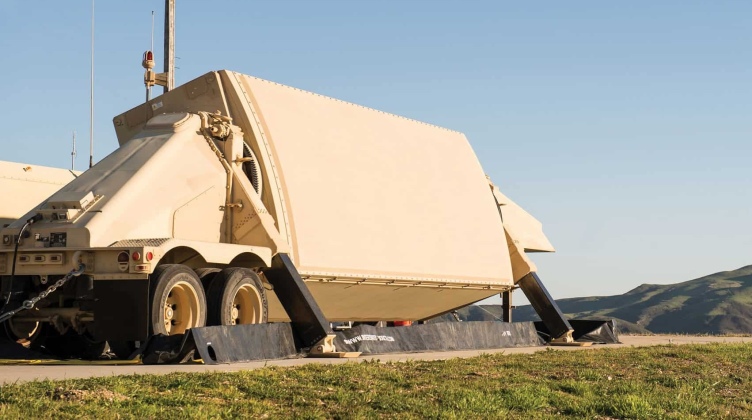
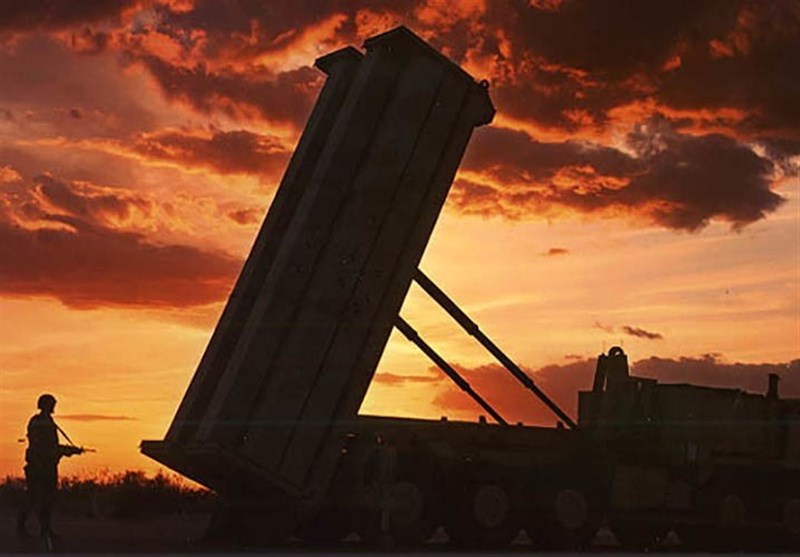
1) Three THAAD systems in Israel and Jordan
2) AEGIS-type warships equipped with interceptor missiles
The THAAD (Terminal High Altitude Area Defense) system is considered one of the most advanced in the world.
It is designed to destroy ballistic missiles in the final stage of their trajectory, at high altitude.
AEGIS ships, on the other hand, have a multifunctional radar system and can launch missiles such as SM-2, SM-3 and SM-6.
These missiles are designed to counter both aerial and ballistic targets.
Interceptor missile stockpiles depleted
Despite the reinforcement of defenses, the intensity of the conflicts led to significant depletion of interceptor missile stockpiles.
The problem becomes even more pronounced considering that the stockpiles of the United States and Israel had not yet been fully replenished after the conflicts that had taken place in June 2025.
That period had lasted about twelve days, but had already caused serious consumption of munitions.
The production of such advanced missiles is particularly expensive and time-consuming.
In many cases, it takes months or even years to produce new systems in large numbers.
In contrast, Iran appears to have invested in mass production of ballistic missiles, allowing it to launch large numbers in a short period of time.
The technological evolution of Iranian missiles
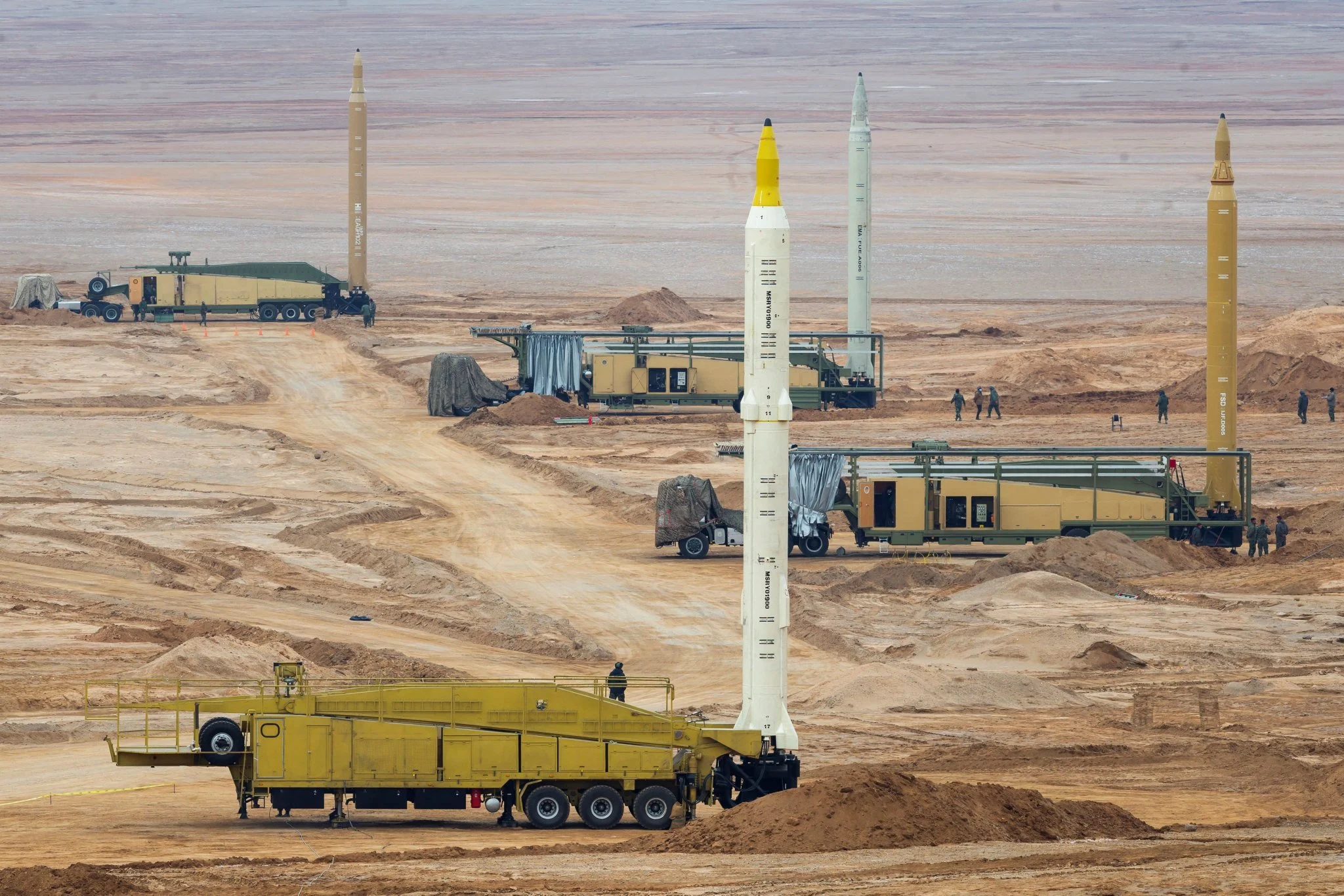
One of the main reasons why Iranian missiles manage to penetrate defenses is the rapid evolution of their technology.
Among the systems that have been used, Fattah 2 and Fattah stand out.
The Fattah 2 missile is considered particularly advanced, as it features a hypersonic glide vehicle.
This means that after the initial launch, the vehicle can change trajectory and altitude at high speed, making interception extremely difficult.
On the other hand, the older Fattah uses a maneuverable reentry vehicle.
Although technologically less complex, it still provides significant capability to evade missile defense systems.
Multiple warheads and saturation tactics
Another feature that increases the effectiveness of Iranian missiles is the use of multiple warheads.
In this case, a missile can release more than one warhead during its reentry into the atmosphere.
For missile defense systems, this creates a significant problem, multiple interceptor missiles must be launched to deal with all warheads.
If this is combined with mass launches of many missiles simultaneously, it creates what military analysts call saturation tactics.
Under such conditions, even a system with a high success rate can fail simply because it does not have enough missiles to counter all targets.
Visual material showing interception failures
Videos that have circulated online repeatedly show incidents where Iranian ballistic missiles evade multiple interception attempts.
In several cases, it appears that two or even three interceptor missiles are launched toward the same target, yet destruction is not achieved before impact.
This has sparked intense discussion among military analysts about the limits of current missile defense systems.
The strategic significance of developments
These developments have broader significance for the strategic balance in the Middle East.
For decades, Israel and the United States relied on a combination of:
1) Technological superiority
2) Strong air defense systems
3) Intelligence and sensor networks
However, the progress of Iran in missile technology appears to be creating a new reality.
The ability to develop hypersonic and maneuverable missiles represents a significant challenge for existing defense systems.
The geopolitical dimension
This situation affects not only Israel and Iran but the entire Middle East.
Countries such as Saudi Arabia, the United Arab Emirates, Qatar and Jordan are closely monitoring developments, as many of them host American military installations.
The destruction of radar systems in some of these countries shows that the conflict can easily expand beyond the directly involved states.
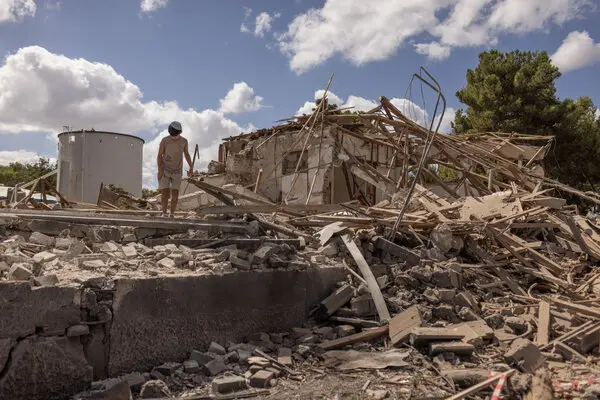
Iran innovates and prevails
The increasing success of Iranian ballistic missiles against Israeli and American missile defense systems constitutes a development with significant strategic consequences.
The combination of technological innovation, mass missile production, destruction of critical radar systems and multi-front attacks appears to have created a particularly difficult environment for the defense of Israel and its allies.
At the same time, the situation highlights the growing importance of missile technology in the modern strategic balance of power.
As states increasingly invest in hypersonic and maneuverable weapon systems, the future of air defense will be one of the most critical fields of technological competition in the world.
In any case, these developments show that the Middle East is entering a new period of geopolitical uncertainty, where the balance of power may change significantly in the coming years.
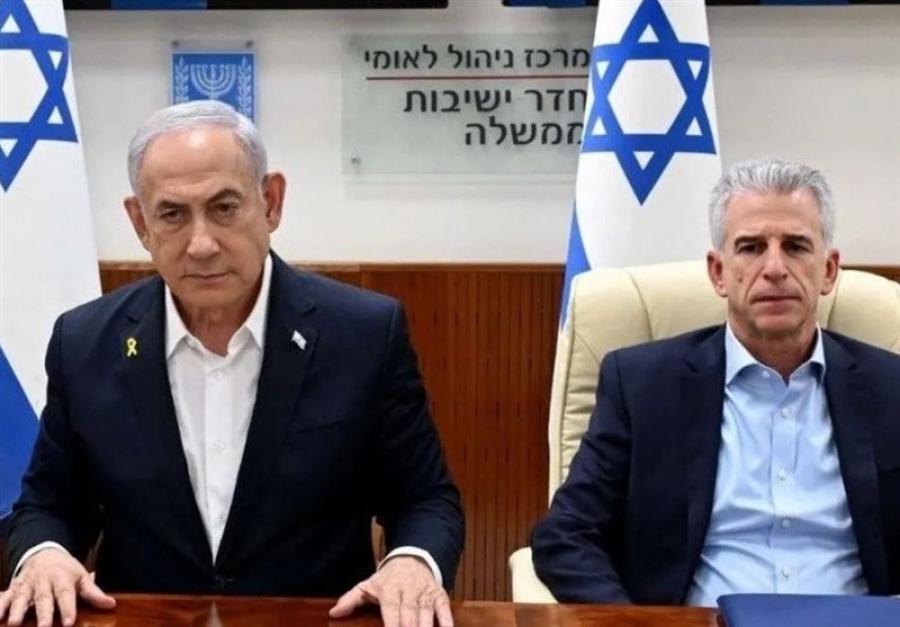
Severe clash between Netanyahu and Mossad over the fiasco
At the same time, Israel’s failure to counter Iranian strikes has triggered a strong confrontation between the Prime Minister of Israel, Benjamin Netanyahu, and the director of Mossad, David Barnea.
Information from Hebrew sources reports that Barnea has not participated in joint meetings with Netanyahu for at least the past week.
The dispute began when Netanyahu accused the head of Mossad of providing incorrect information about the military capabilities and socio-political situation of Iran, leading Israel into a war with an uncertain outcome that could potentially threaten the very existence of the state.
On the other hand, Mossad insists that the information it provided was accurate and that the initiative to start the war was based on the personal and risky style of Netanyahu, with him bearing sole responsibility in case of failure.
Hebrew sources also report accusations of possible presence of Iranian spies and leaks from sensitive military and security centers in Israel.
Similar tension had been observed earlier, during the attack in Doha in September 2025, when the Prime Minister’s office and Mossad were accusing each other of leaking information that threatened the success of the operation.
Mossad has also reported that Barnea had warned Netanyahu before the war with Iran that involvement would endanger Mossad’s secret networks in the southern Persian Gulf.
Their protection would require measures such as transfers to hotels or military bases, which could lead to their detection and eventual destruction.
www.bankingnews.gr














Readers’ Comments