The military confrontation in the Middle East is now taking on catastrophic dimensions, as the use of the newest and most terrifying version of the solid-fuel ballistic missile Sejil by Iranian forces has been revealed.
According to reports from the news network Voennaya Khronika, Tehran put into operational action a technological “monster” with a launch weight reaching 25 tons.
This weapon is not simply an addition to the arsenal, but an existential threat to any target in the wider region, as the use of solid fuel allows its lightning-fast launch, eliminating the reaction times of Western air defense systems.
So far, information reports that the upgraded version of the missile was used, but not the target that was hit.
Deadly payload: Four warheads that spread destruction
The technical details of the new Sejil are causing global awe and concern among the planners of the Pentagon.
This version has the capability to carry four independent warheads, each weighing from 100 to 200 kilograms.
This capability allows the missile to strike multiple strategic targets simultaneously with surgical precision, making it one of the most destructive weapons ever to appear in the theater of operations.
It is recalled that the long-range ballistic missile Sejil of Iran, one of the fastest missiles of the country, “shocked” Israel during operation True Promise 3.
The Sejil missile, which is considered one of the most advanced achievements of the defense industry of Iran, is recognized as a symbol of the country’s ballistic capabilities both in the region and globally.
With its unique characteristics, such as solid fuel, long range and extremely high speed, the Sejil holds a distinct place in the defense strategy of Iran.
Its recent use in operation True Promise 3 against the Israeli regime brought global attention back to Iran’s capabilities in the field of ballistic missiles.
The construction and integration of the Sejil into the arsenal of the Armed Forces of Iran shows the country’s serious intention to upgrade its defense capabilities.
According to a 2017 report titled “Why the world should fear Iran’s missiles?”, the magazine National Interest described the Sejil missile as a turning point in the ballistic industry of Iran.
Before the Khorramshahr missile was revealed, the Sejil was considered the most advanced missile built in Iran, as it could carry a 650-kilogram warhead using solid fuel.
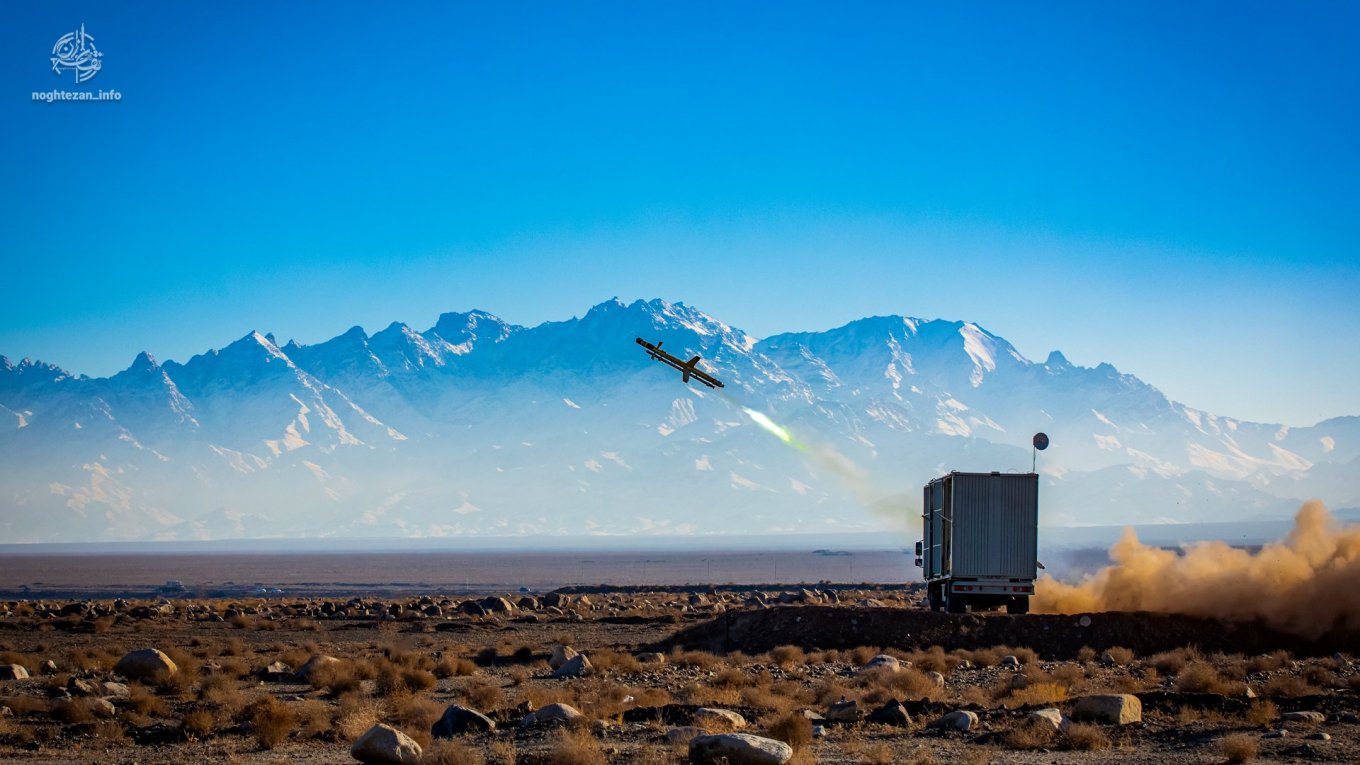
Evolution
The Sejil is the first long-range missile of the generation of solid-fuel ballistic missiles.
The Sejjil is a precision missile with an error of only a few meters, while the use of solid fuel allows launch within a few minutes, without being detectable by conventional technologies, unlike liquid-fuel counterparts.
The Sejjil missile needed 7 minutes or 420 seconds to reach its target in Israel.
According to military experts, the acquisition of the technology to build such a missile indicates that Iran is at the edge of technology in the field of ballistic missiles.
The Sejil is one of Iran’s first choices to respond to recent Israeli aggression.
This issue has gained particular importance as the distance between Iran and occupied Palestine is only 1300 kilometers, and the missile can reach Tel Aviv in just 7 to 10 minutes.
An Israeli military expert estimates that if Iran launches Sejil missiles against occupied Palestine, it will be extremely difficult for Israeli anti-ballistic systems to intercept them due to the use of solid fuel and extremely high speed.
Artificial intelligence product.
The appearance of the new Sejil coincides with a period of extreme uncertainty, as Donald Trump escalates his war rhetoric.
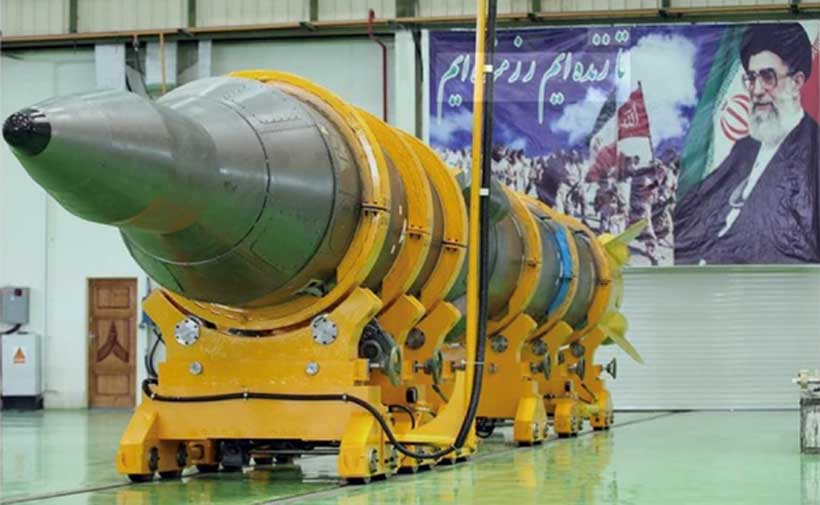
The Iranian Sejil causes awe in Beijing and spreads destruction in Israeli air defense
The arsenal of Tehran impresses even the most skeptical Chinese analysts.
The recent use of the Sejil (Sejjil) ballistic missile during the fierce retaliation of Iran constitutes a clear message of determination that freezes the West. While the IDF announced on 16 March a new round of “large-scale attacks” against infrastructure in Tehran, the response of the Islamic Revolutionary Guard Corps (IRGC) with the use of cutting-edge technology shows that the conflict has already moved to a terrifying new level of destruction.
The three faces of destruction: The analysis of Wei Dongshu
According to Wei Dongshu, a leading military analyst of Chinese radio and television, the Sejil is not simply a missile, but a weapon of strategic dominance with three deadly characteristics. First, the rapid response capability is legendary: due to solid fuel, the missile is ready for launch in just 30 minutes, while its mobile nature allows it to disappear immediately after firing, avoiding American and Israeli fighter jets.
Second, its offensive power is overwhelming, as it carries a one-ton warhead with special penetration capability that ridicules the air defense systems Arrow 2 and Arrow 3. Finally, the surgical precision of its electronic systems guarantees the complete elimination of high-value targets.
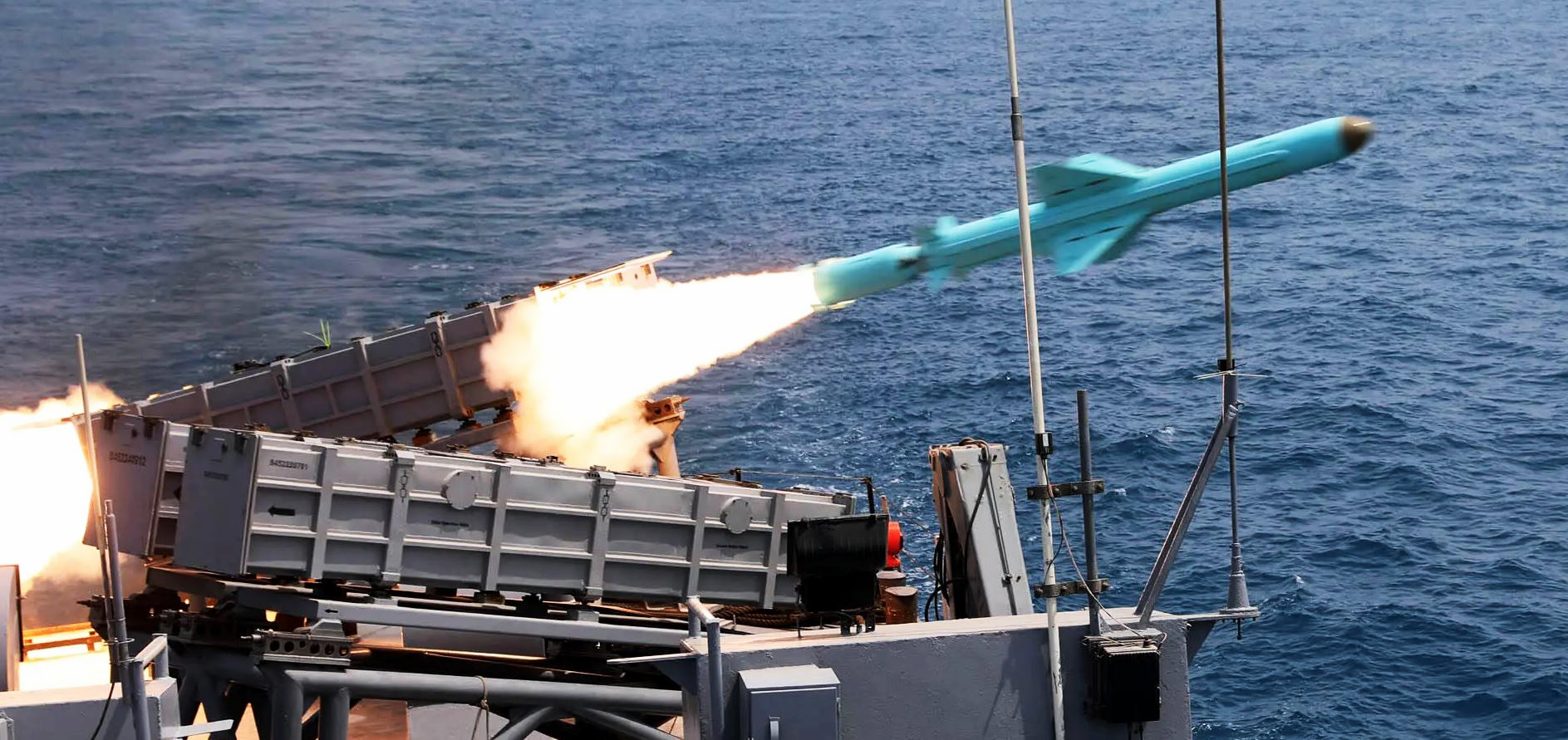
Strategy of mutual destruction and the ceasefire dilemma
The Chinese side points out that the development of the Sejil proves that Iran does not intend to retreat, seeking to impose an unbearable cost on the United States and Israel.
Wei Dongshu emphasizes that Tehran shows no willingness for compromise, on the contrary, if air strikes continue, Iran is ready to launch even stronger waves of retaliation with even more advanced weapons.
In this critical strategic interaction, the question is no longer who will prevail, but who will dare to stop first before the region turns into a vast, uninhabitable zone of fire.
www.bankingnews.gr














Readers’ Comments