

The latest developments in the Middle East mark a critical turning point in an already tense region while a revelation from Russia overturns all data: Iran has a limited number of nuclear warheads as the ultimate means of deterrence.
The president of the United States, Donald Trump, initially issued a 48-hour ultimatum to Iran, indicating the possibility of immediate escalation.
However, he then extended it to five and then to 10 days, until 6/4, presenting this move both as a pause and as a sign of readiness for negotiations.
Tehran, as expected, rejected the idea of compromise under pressure, reiterating that any dialogue must respect Iranian sovereignty and take into account the damages that have already been caused.
From a strategic perspective, this extension is not a simple diplomatic move.
It reflects the internal crossroads at which the American administration finds itself.
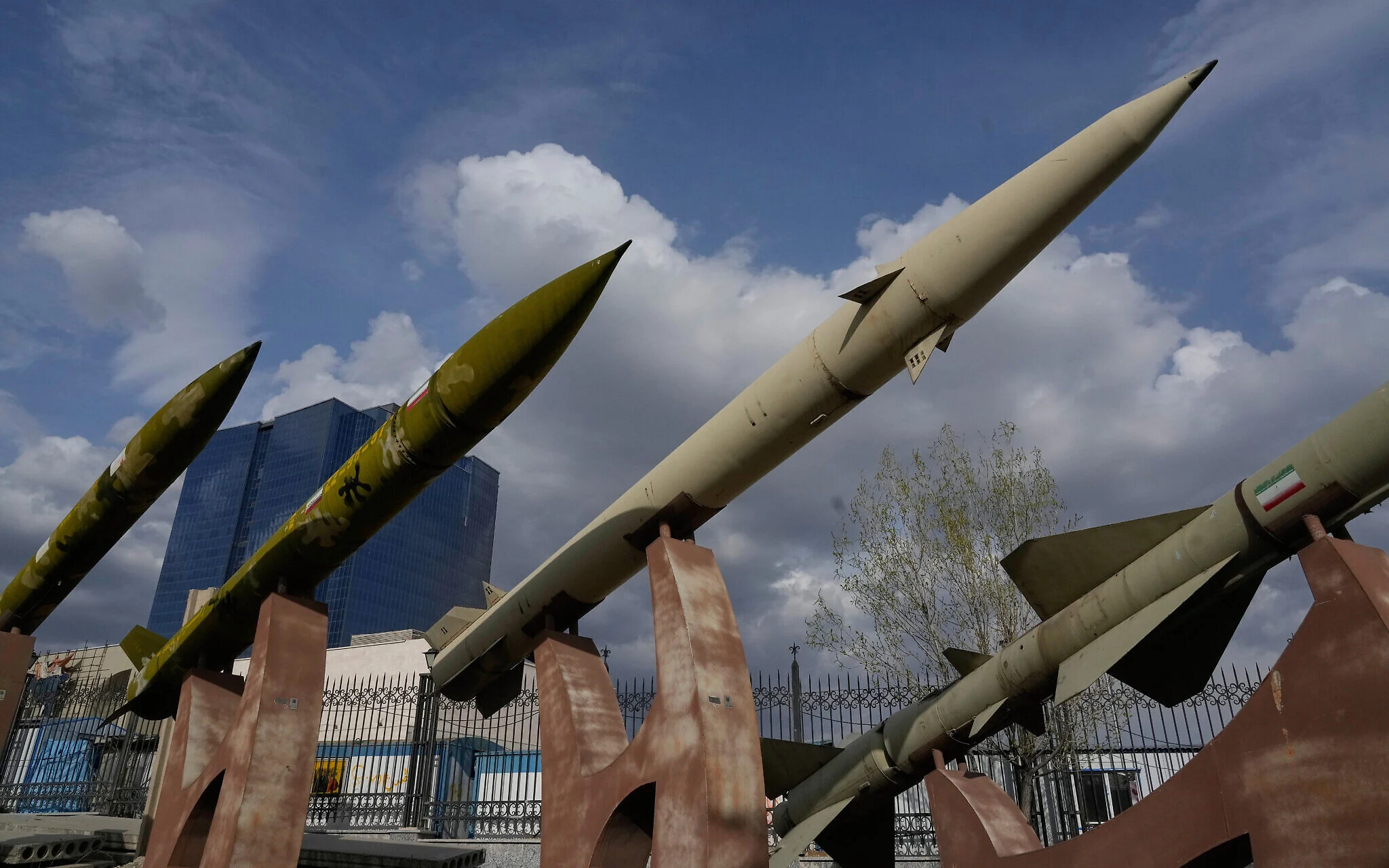
The United States is concerned about escalation
Military planners have likely pointed out that an immediate escalation, particularly a ground operation against Tehran, will have immediate economic consequences, particularly through disruptions in the Strait of Hormuz, a strategic oil transit route.
This leaves Trump facing a critical choice: either to cross the Rubicon with military action or to delay, as he has done for now.
However, even with the 10-day extension, traditional negotiations seem unlikely.
The United States is essentially issuing an ultimatum aimed at the submission of Iran, presenting it as a “victory with dignity” for the United States.
Iran has categorically rejected this model, arguing that any dialogue must include compensation for the damages that have been caused.
Iranian society considers the sacrifices made a matter of principle, and any “submission with dignity” would undermine internal legitimacy.
The result is a deep deadlock: each side pursues objectives that are fundamentally incompatible.
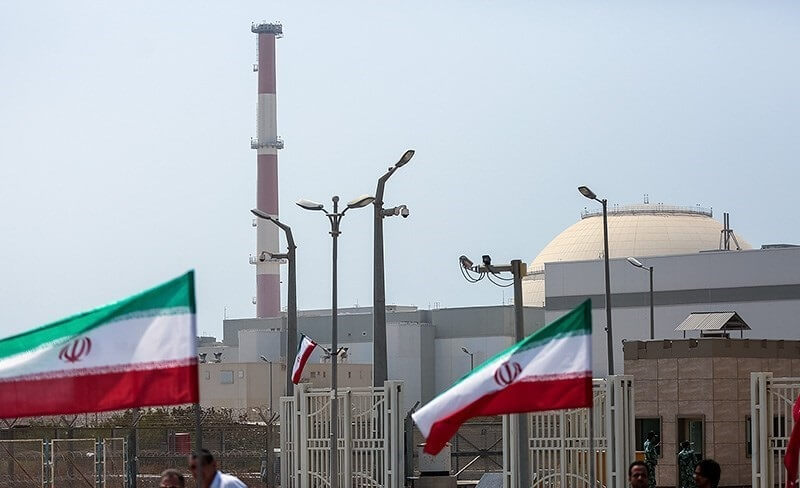
Political deadlock of Trump
With negotiations off the table, escalation appears inevitable.
The United States has the capability to increase military pressure, but is constrained by political factors, especially the midterm elections in November 2026, which determine the time frame for action.
This has historically pushed American administrations to seek quick and decisive operations.
Bombings, increased air raids and even potential ground operations are considered tools to achieve rapid results.
However, history warns of the risks of this logic: early failures multiply risks and increase the likelihood of broader failure, as has been seen from Vietnam to modern conflicts.
The dynamics of the conflict are further complicated by the religious dimension.
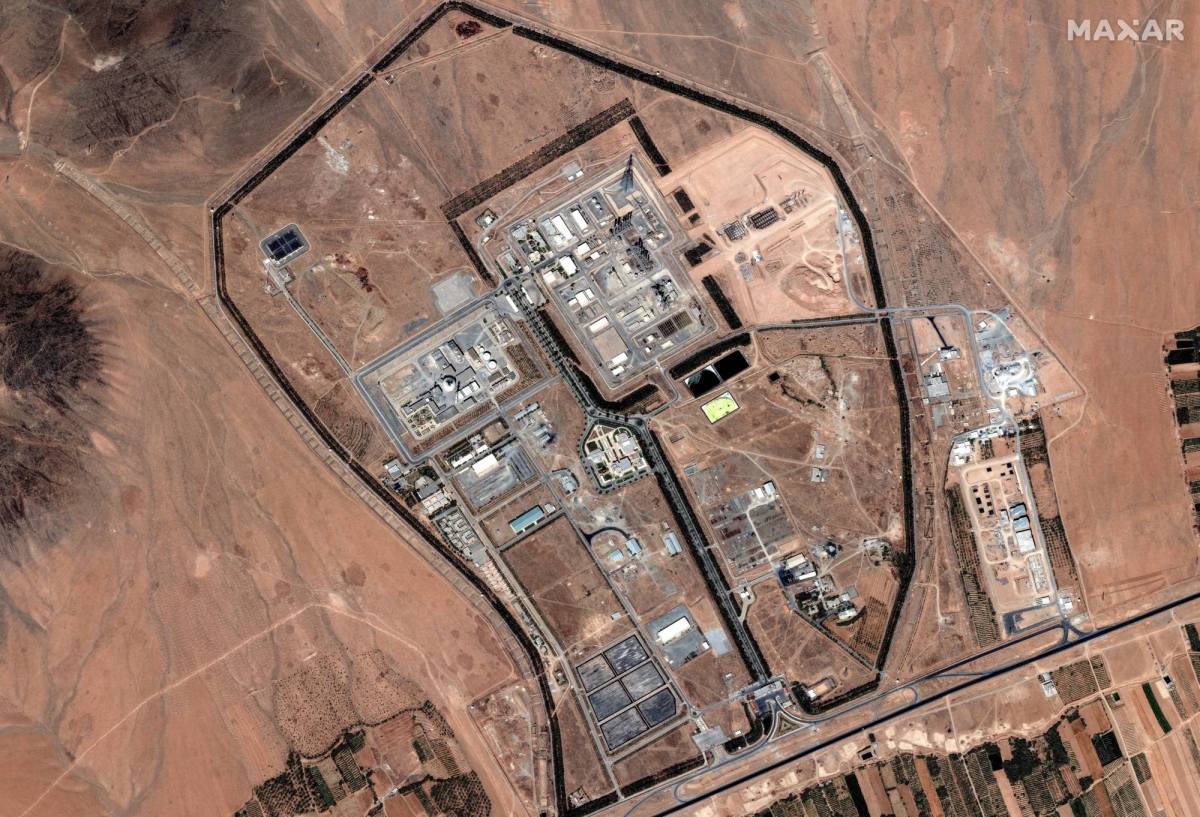
Existential war Iran and Israel - Tehran has nuclear warheads as the final and ultimate weapon of destruction
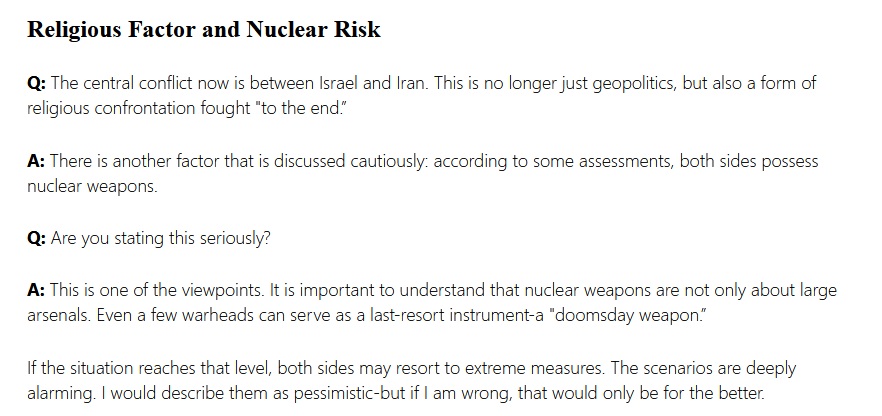
Unlike conventional geopolitics, the war between Israel and Iran is increasingly viewed as existential and uncompromising.
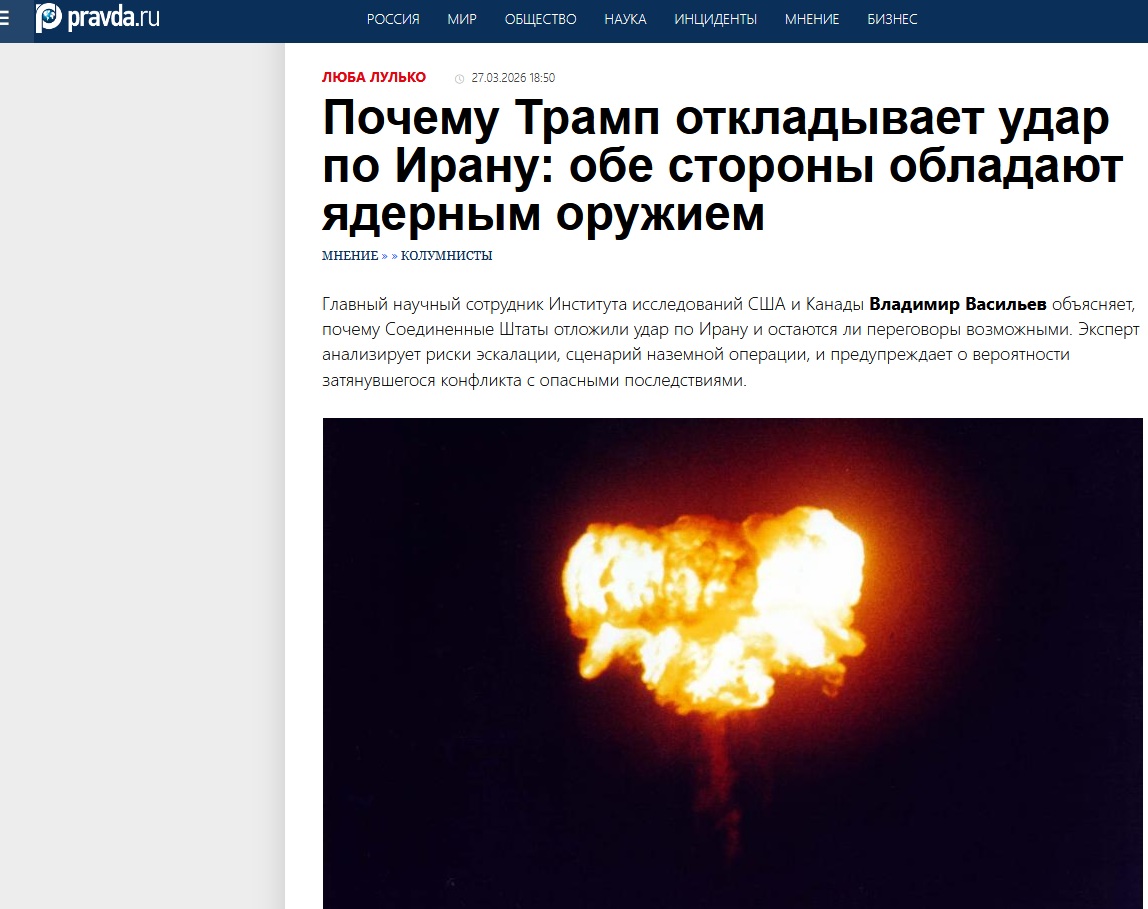
Some assessments, with caution, argue that both sides may possess nuclear capabilities, not necessarily as extensive arsenals, but as last-resort weapons, states the chief researcher at the Institute of U.S. and Canadian Studies, Vladimir Vasiliev, in an interview with Pravda.
According to him, Iran has managed to possess a small number of nuclear warheads for its missiles and the United States knows this and for this reason does not want such a dramatic escalation.
Even a small number of nuclear warheads can function as a “weapon of destruction”, dramatically increasing the risks and consequences of possible strategic errors.
In this context, the deadlock is extremely precarious.
For Iran, the stance remains clear: no concession under threat, full readiness to defend sovereignty and insistence on recognition of the damages that have been caused.
The prolonged ultimatum of the United States functions more as a test than as a path to diplomacy, underlining the limits of exerting pressure on a state prepared to resist with principle and strategy.
The broader lesson from this tension is that military escalation, once it begins, follows its own logic, often beyond political control.
Vladimir Vasiliev
What we know about the Iranian nuclear program
According to reputable analysts, Iran has for decades developed uranium enrichment and reactor construction technologies.
International oversight, mainly through the IAEA (International Atomic Energy Agency), has closely monitored the program, and to date Iran declares that its nuclear program is for peaceful purposes.
However, theoretically: The uranium enrichment technology possessed by Iran could produce material capable of a small nuclear warhead in the event that it decided to violate international agreements.
A “small number” of nuclear warheads would likely mean 1–3 missiles, sufficient for deterrence purposes but not for mass strategic use.
The construction of a nuclear warhead is not simple, it requires extreme precision in the composition and assembly of nuclear material with explosives.
This is different from simple uranium enrichment.
Iran has ballistic missiles that can theoretically carry small warheads but any indication of actual construction of nuclear weapons would trigger immediate international reaction, economic sanctions and possible military pressure.
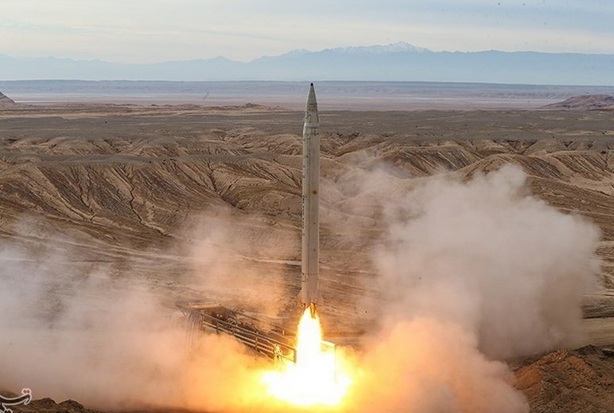
Strategic patience of Iran
While the United States seeks rapid results, Iran relies on a combination of strategic patience, social resilience and geopolitical awareness.
The prolonged ultimatum may offer a few days for reconsideration, but it is unlikely to lead to immediate compliance.
As the world watches, the risks remain high.
Economic turmoil, regional instability and the possibility of strategic error threaten to turn a deadlock into a broader conflict.
However, the Iranian position demonstrates a firm principle: sovereignty and accountability are not negotiated under threat, and any escalation will be met with full readiness.
The current situation is not simply a pause, it is a critical test of strategy, patience and determination.
While the American administration weighs immediate action, Iran remains steadfast, ready for any escalation and uncompromising in its principle.
The coming days will be decisive, with potential consequences that can reshape the balance of power in the region for decades.
www.bankingnews.gr





Readers’ Comments