

IEA publishes 10 emergency guidelines for fuel shortages and "energy lockdowns"
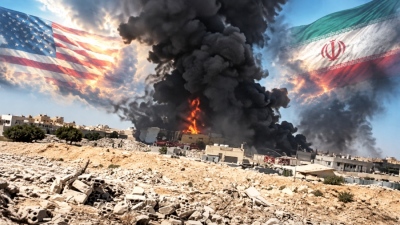
Concerns over a devastating energy crisis are returning with renewed intensity. The Iranians appear determined to keep maritime traffic through the Strait of Hormuz at a standstill until their strategic objectives are met. Reopening the Strait will likely require a massive military operation in the coming days. For now, approximately 2,500 vessels remain trapped in the Persian Gulf, already triggering fuel shortages across various parts of the globe. If this situation persists for months, shortages will become acute, making the imposition of "energy lockdowns" seemingly inevitable.
The new social media trend
The term "energy lockdown" has already gone viral on social media platforms worldwide. While it evokes memories of COVID-19 restrictions, experts clarify that it refers to government-mandated measures to slash the consumption of fuel, gas, and electricity in response to severe supply deficits. Use of the term spiked following the closure of the Strait of Hormuz due to the Iran-Israel-US conflict, which has cut off roughly 20% of the global oil supply. On March 24, coinciding with the six-year anniversary of India’s first pandemic lockdown, public anxiety reached a fever pitch.
Voluntary measures so far
Until now, most energy-saving initiatives have been voluntary. However, as global supply continues to tighten, mandatory restrictions are expected to become a widespread reality.
The IEA response: 10 emergency guidelines
The International Energy Agency (IEA) has released a list of 10 emergency directives for the public, which some have labeled a "playbook" for future energy lockdowns:
-
Work from home wherever possible
-
Reduce highway speed limits by at least 10 km/h
-
Promote the use of public transport
-
Alternating car access in major cities on different days
-
Enhance car sharing and practice efficient driving
-
Optimize the driving efficiency of commercial and delivery vehicles
-
Shift toward LPG use for transportation
-
Avoid air travel where viable alternatives exist
-
Utilize modern cooking solutions where possible
-
Leverage flexibility in petrochemical production and implement short-term efficiency and maintenance measures The goal is a drastic reduction in fuel consumption, particularly in Asia, which absorbs over 80% of the oil transiting the Strait of Hormuz.
The situation in Asia
According to Reuters, Asian nations are reintroducing COVID-style measures, including remote work, fuel rationing, and subsidies, to manage the worsening crisis. Governments are bracing for worst-case scenarios:
-
South Korea has established an emergency economic task force for urgent action
-
The Philippines declared a national state of emergency due to "imminent danger of critical energy shortages"
-
Japan is re-evaluating its entire petroleum supply chain
-
Indian Prime Minister Narendra Modi warned of unprecedented challenges arising from the war Modi’s statements triggered intense alarm, causing online searches for the term "energy lockdown" to skyrocket.
Fuel shortages and impact on daily life
In Gujarat, the ceramics industry has been shuttered for nearly a month due to fuel lack, while in Mumbai, approximately 20% of hotels and restaurants have partially or fully closed. In Sri Lanka, every Wednesday has been designated a "public holiday" to conserve fuel, and in Pakistan, schools have closed while cricket fans are urged to watch matches from home. In Bangladesh, kilometer-long queues are forming at petrol stations, and fertilizer plants have suspended operations.
The situation in the US and Europe
In the US, reliance on Middle Eastern oil is comparatively lower, while in Japan and South Korea, governments are tapping into strategic reserves. The Philippines, which imports 98% of its oil from the Gulf, has already declared a national energy emergency. In Europe, the crisis threatens to cause fuel shortages within weeks, according to Shell CEO Wael Sawan.
Warnings of economic impact
Larry Fink, CEO of BlackRock, warns that if oil prices hit $150 per barrel, it could trigger a global recession, impacting both wealthy and developing nations. He points out that years of prices exceeding $100 and approaching $150 per barrel will have profound economic consequences, potentially causing a "deep and sharp recession."
The future remains uncertain
If the conflict extends into the summer, the global market will descend into panic, with shortages of fuel, fertilizers, and basic chemicals, as is already being observed in Australia. Humanity is entering one of the most chaotic chapters in history, while the majority of the world remains unaware of exactly what lies ahead.
www.bankingnews.gr





Readers’ Comments