

Analysts claim Trump granted a 10-day extension to Iran for negotiations precisely because the US is running dry of munitions
While US President Donald Trump claims that the "world's strongest military" has dealt crushing blows to Iran—insisting he has already won militarily, eliminated their air force and navy, and reduced Iranian missile capabilities to 9%—his statements are far from reality. This discrepancy is evidenced by daily Iranian attacks using missiles and drones against Israel and American targets across the wider Gulf region. Meanwhile, a Financial Times report points out that Iran has yet to deploy some of its most advanced missiles, such as the Qassem Basir and Fattah-2.
On the contrary, evidence suggests the Americans are facing an unprecedented military fiasco. Information indicates that THAAD air defense systems are running out of ammunition, while reports mount claiming the US possesses limited stockpiles of critical munitions. Military analysts estimate that within the first 28 days of the war, the US has already sustained at least $3 billion in equipment damages. Furthermore, it will take billions more and several years to replace the sophisticated radars that the Iranians destroyed in Bahrain and Qatar. Analysts argue that Trump granted the new 10-day deadline for negotiations precisely because the US is running out of missiles.
THAAD supplies running dry
One area where this war has exposed clear signs of weakness in US performance is air defense—specifically anti-ballistic missile defense. Battlefields show that certain US bases along the Persian Gulf, despite the installation of advanced systems, have been vulnerable to attacks. When critical infrastructure, such as satellite communication stations, early warning radars, and key components of systems like THAAD and Patriot, are hit, it is not merely a tactical event; it sends a "strategic signal" to competitors. This signal suggests that the effectiveness of US interceptors may have significant limitations. Reports from Israeli sources indicate that one-third of THAAD missile stocks have been depleted, and several advanced radars in the region have been damaged or disabled.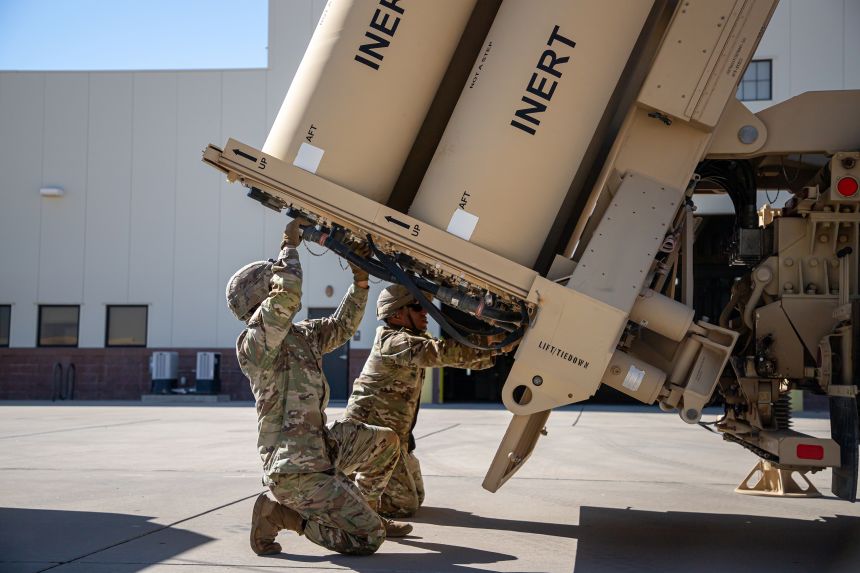
Moving radars from Asia
As a result, the United States has been forced to relocate radars from other regions—including East Asia—to the Middle East. These movements carry heavy consequences. Shifting systems from areas like South Korea could potentially impact the country's deterrence capability against regional threats, whether from North Korea or broader regional rivals. In other words, redistributing US defensive resources to one front may lead to a relative weakening of defenses on others.
Years required for recovery
More importantly is the issue of "recovery time." Rebuilding or replacing advanced radars and anti-missile systems—given their technical complexity and high cost—is a time-consuming process that can take several years. This temporal gap, especially when facing powers like China, could create significant challenges for the US.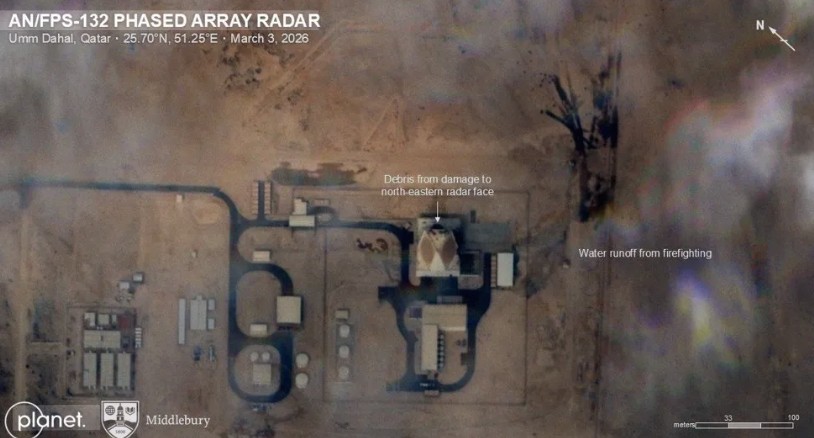
Absolute US superiority questioned
Overall, these developments not only challenge the image of absolute American defense superiority but also send a clear message to the country's strategic competitors. This message could influence a revision of their military calculations and, in the long term, lead to more serious challenges for the US global military position.
Calculating $3 billion in damages
Damage from the destruction of US military equipment in the Middle East has reached nearly $3 billion, according to the Wall Street Journal, citing former senior Pentagon budget official Elaine McCusker. "Hostility damages and loss compensation during the first three weeks of the war are estimated to have cost approximately $1.4–$2.9 billion," the report states. Equipment the Pentagon likely wants to replace under its request for an additional $200 billion includes F-15E Strike Eagle fighters, F-35A Lightning II jets, and KC-135 Stratotanker aerial refuelers. Previously, Foreign Policy reported that the US would need years and billions to replace the AN/FPS-132 radars in Qatar and AN/TPS-59 in Bahrain destroyed by Iran.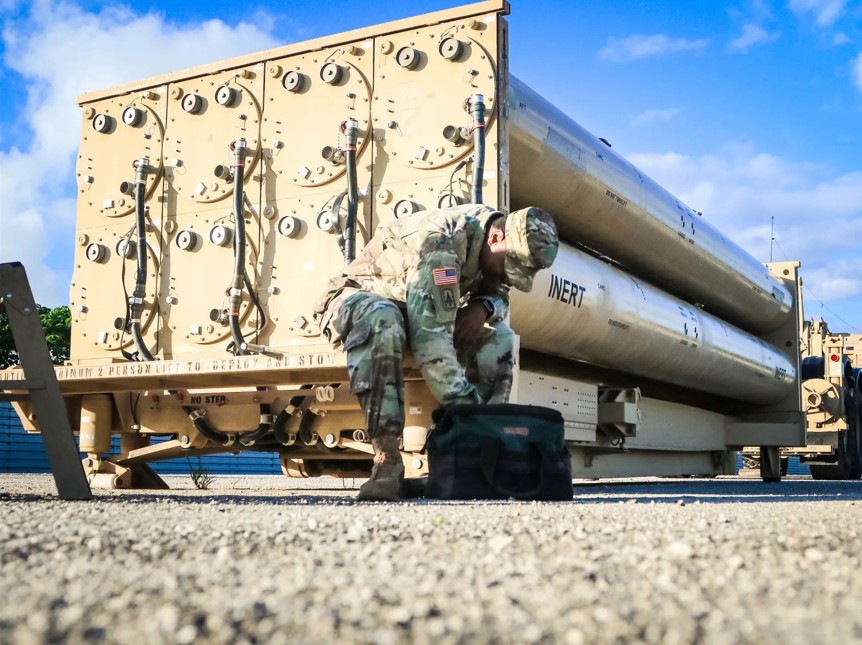
Limited ammunition stockpiles
The conflict in the Middle East has evolved into a prolonged war of attrition, which is highly undesirable for the US as it possesses limited critical ammunition stocks, according to analyst Mark Sleboda. "Radical changes are happening in the Middle East now. The US acts based on caricatured perceptions of its rivals—Iran, as well as Russia and China. So-called 'experts' informing the US government are ideologues whose views are distorted," Sleboda noted, arguing the United States fell into a trap in the Middle East that many had warned about.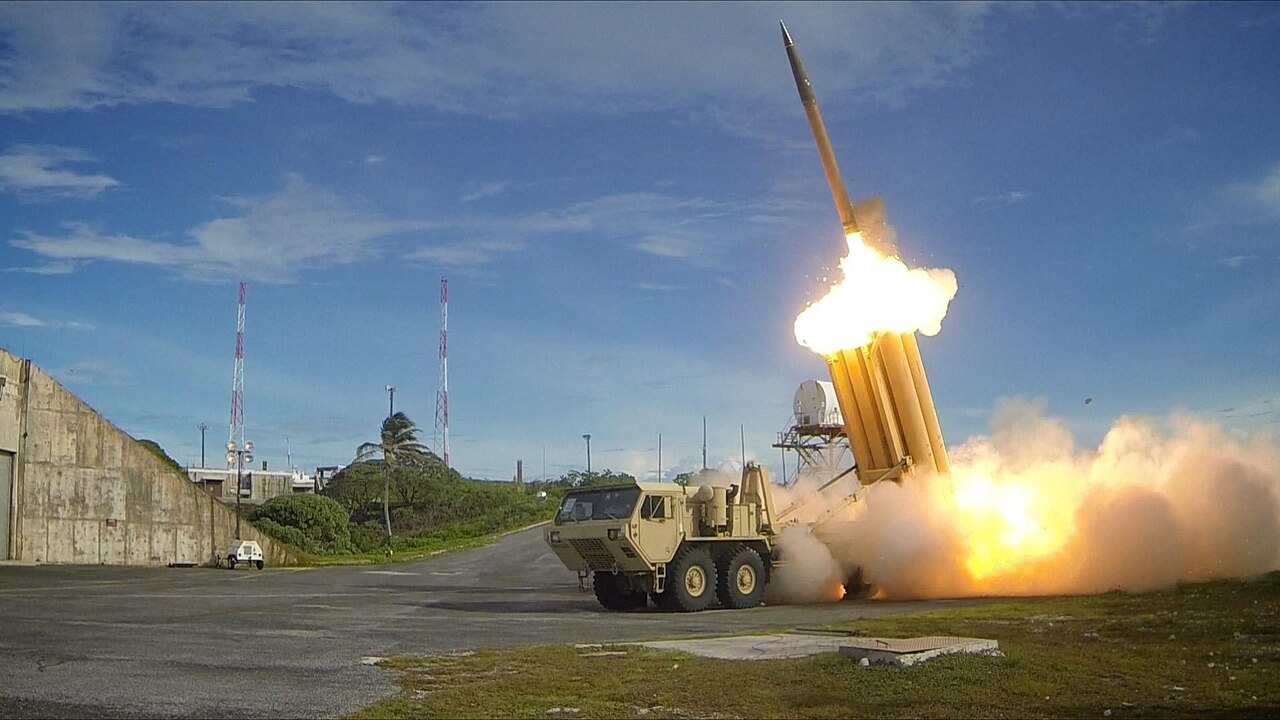
War of attrition
"The chances for diplomacy at this stage are almost zero. The conflict has moved to a war of attrition phase with long-range missile strikes. It is foolish for the US to be involved because its Achilles' heel is low stockpiles and extremely slow production rates of critical munitions, particularly air defense interceptors," Sleboda explained.
Trump extension due to ammo shortage
Analysts further argue that a primary reason for President Trump’s new ultimatum extension is the reported exhaustion of American ammunition required to conduct a prolonged war against Iran without jeopardizing security in the more critical Indo-Pacific region. According to Seth G. Jones of the Center for Strategic and International Studies, the Iran conflict is an urgent reminder that the US needs a defense industrial base capable of high-intensity warfare against adversaries, especially China. Initially, following the war's start on February 28, the Trump administration was optimistic about US military capacity.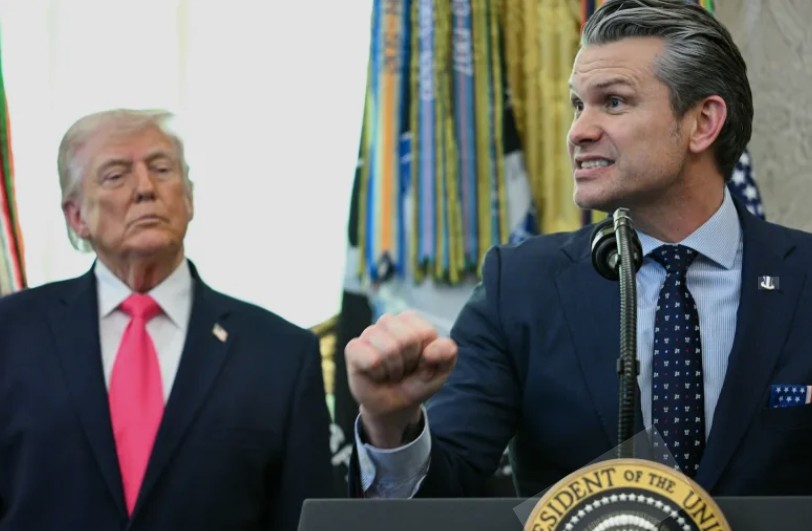
Official assurances
US Defense Secretary Pete Hegseth previously assured: "We have no shortage of ammunition. Our warehouses of defensive and offensive weapons allow us to continue this campaign as long as necessary." Similarly, General Dan Caine stated: "We have enough precision munitions for the current mission." In a message on March 2, President Trump claimed the US had an "almost unlimited supply" of mid-tier weapons and was ready to fight "forever." He also mentioned that US ammunition depots never had larger or better stocks. "In the mid and high-mid category, they’ve never been better... In the highest category, we have a good supply, but we aren't where we want to be. Many additional high-end weapons are kept for us in remote countries," Trump said.
Unconvincing claims
However, American experts remain unconvinced. The consensus is that Trump is unclear about "mid and high-mid tier" munitions. It is suggested he was not referring to precision-guided munitions but common gravity bombs (JDAM/LGB class), which can only be used once air superiority is achieved. Regarding high-end weapons, Trump essentially acknowledged weaknesses. In reality, the US is using high-end weapons against Iran during current operations.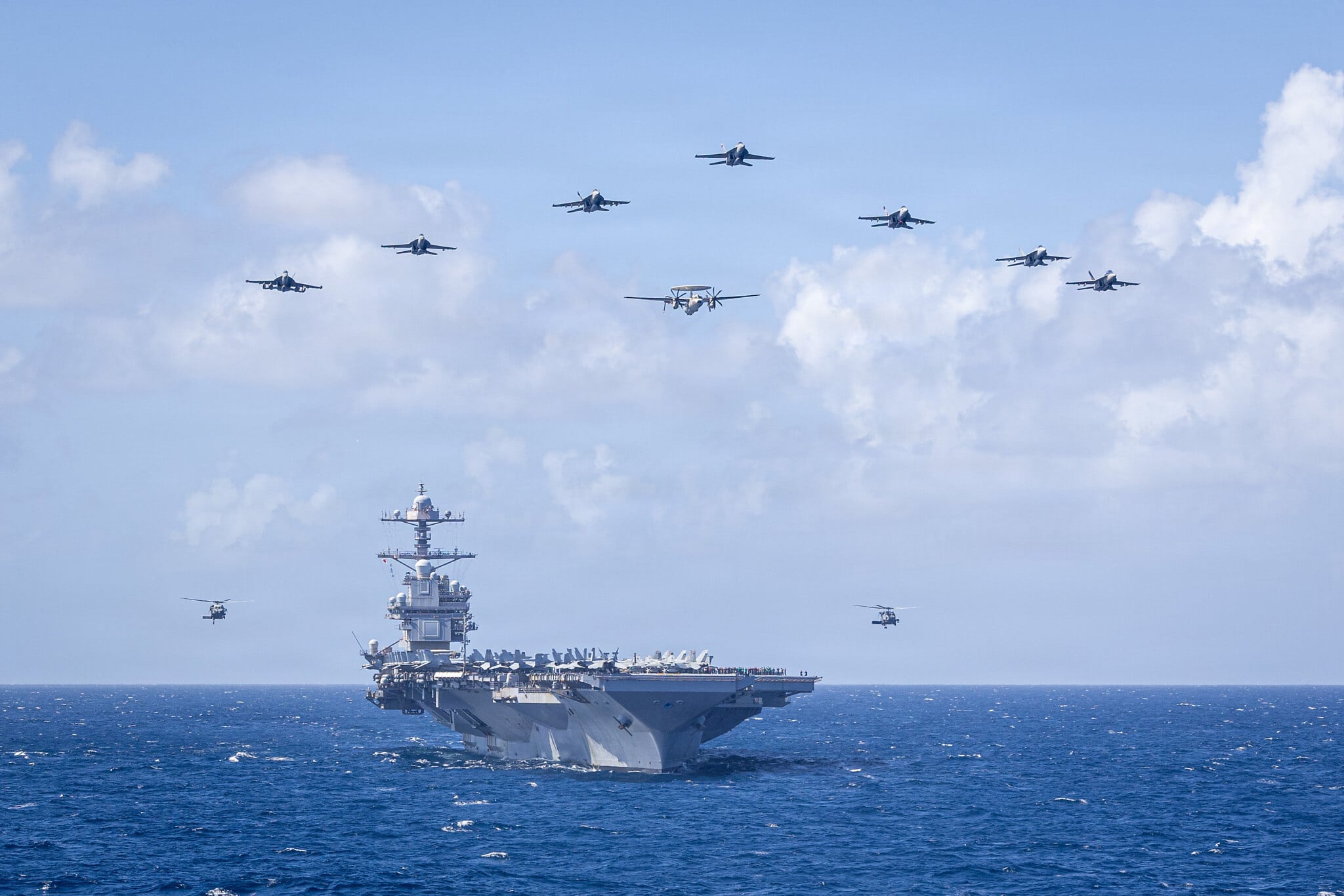
Over 20 weapon systems deployed
Of the more than 20 weapon systems the US has utilized across air, sea, land, and missile defense forces, key examples include F-35 stealth fighters, B-1 bombers, B-2 stealth bombers, F-22 Raptors, F-15s, EA-18G Growlers, C-17 transports, and Arleigh Burke class destroyers. Beyond low-cost drones, MQ-9 Reaper drones and HIMARS missiles, Tomahawk cruise missiles and systems like Patriot, THAAD, and AWACS aircraft are in use.
Shortages in Patriot and Tomahawk
Evidently, a prolonged campaign against Iran will deplete the stockpile of these high-end weapons, though the exact size is classified. US media reports cite critical shortages in anti-aircraft missiles, specifically Patriot and THAAD, necessary for Middle East threats. It is reported that the US has already spent over a quarter of its THAAD systems. There are also reports of Tomahawk shortages and expensive air-launched precision munitions. Additionally, meeting Ukraine's requirements against Russia has already depleted 155mm artillery, Stinger missiles, and Javelin anti-tank missiles.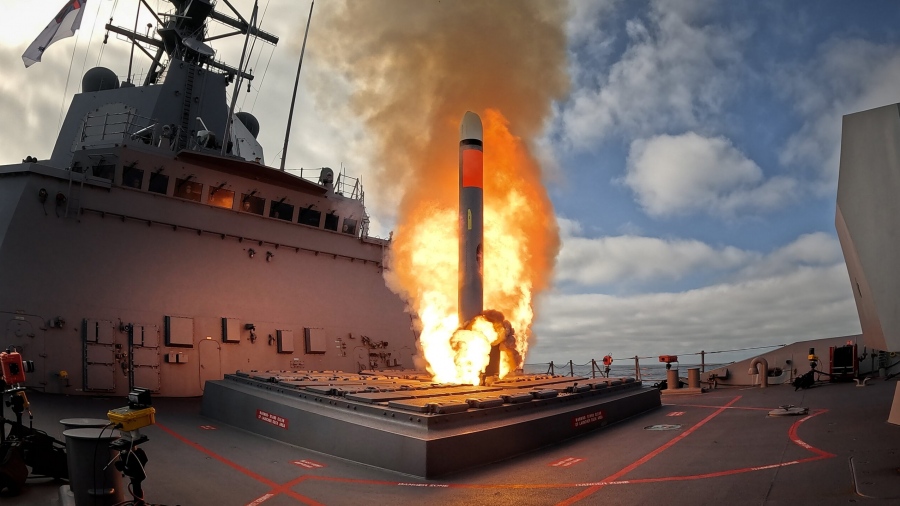
$11 billion cost in 6 days
It is worth noting that American-style war is not cheap. The first six days of conflict with Iran reportedly cost America over $11 billion. Washington spent roughly $779 million in the first 24 hours, with another $630 million for pre-offensive preparation—moving aircraft and deploying over a dozen naval vessels. According to the Center for a New American Security, operating a carrier like the USS Gerald R. Ford costs $6.5 million daily. More concerningly, each Patriot missile used against Iran costs about $3 million, and stocks are depleting fast.
Unable to replenish in time
According to Mark Cancian of CSIS, stocks are being used rapidly. "Initially, I think there were about 1,000 Patriots, and we have consumed a significant portion of that stock now," Cancian highlighted, noting that 200 to 300 Patriots have already been used. Cancian argues high-end weapons take time to produce. "Lockheed Martin delivered only 620 PAC-3 interceptors in all of 2025. If you went to the company today to buy another, it would take at least two years to arrive," the American expert says.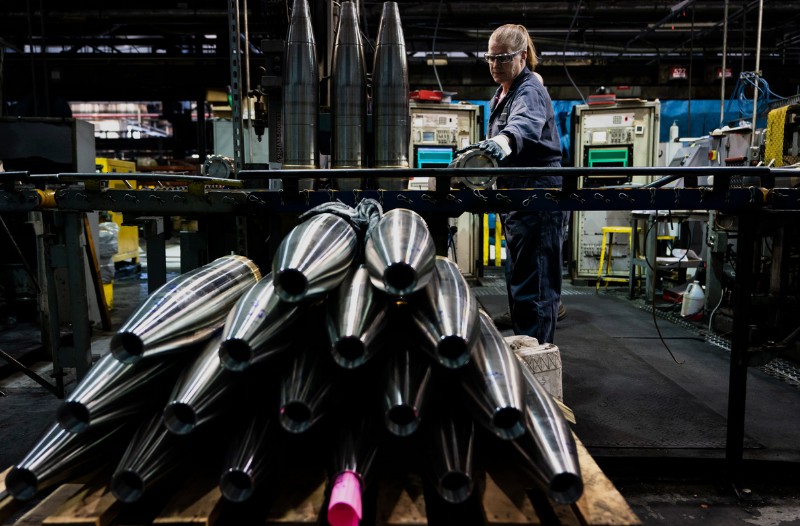
Pentagon requests another $200 billion
It is no surprise: the Pentagon is reportedly seeking an additional $200 billion for the war in Iran. The funds would address the precision munition shortage and encourage the defense industry to replenish stocks quickly. As Pete Hegseth put it: "It takes money to kill bad guys." This is on top of the department's annual $838.7 billion budget approved in January 2026, separate from the $188 billion approved for Ukraine aid since the 2022 invasion.
Battle... in Congress
The Trump administration's funding request could trigger a fierce legislative battle in Congress, which must approve funds less than eight months before the November midterms. Significantly, on March 6, Trump summoned top defense firms to the White House to boost weapon production. Lockheed Martin plans to build 650 PAC-3 interceptors this year, but its goal of over 2,000 annually won't be met until 2030. Following the meeting, Trump posted on Truth Social that manufacturers agreed to quadruple high-end weapon production.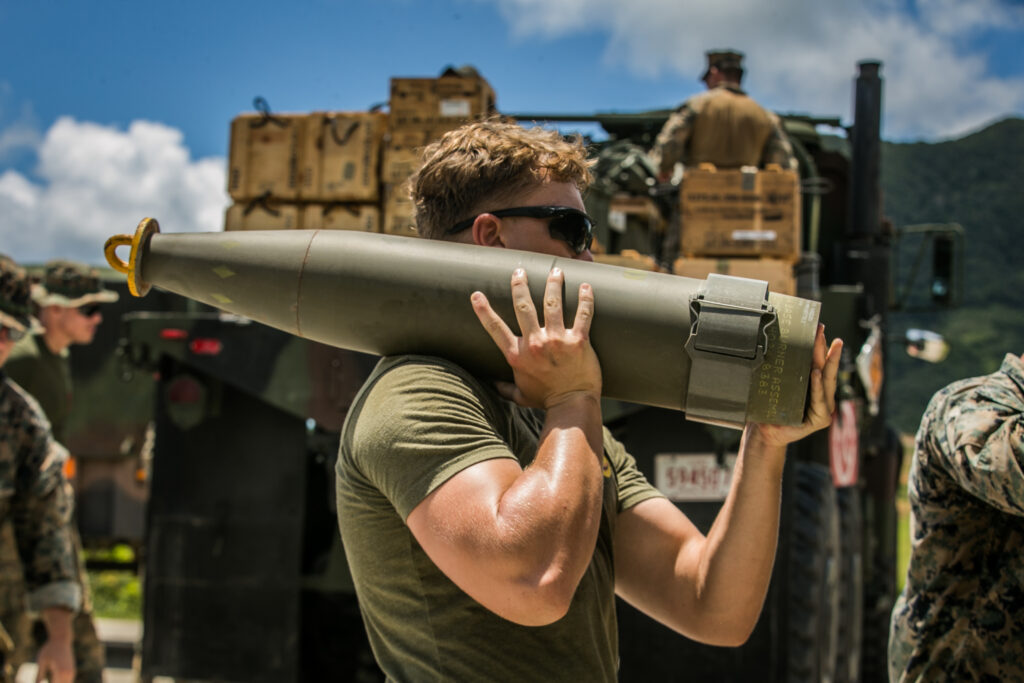
Weapon industries struggling
However, besides production lag due to high consumption in expanding conflict zones, US military industries face Structural Manufacturing Limits. If supply chain issues due to specialized component shortages (like critical metals) exist on one side, labor unrest exists on the other. In 2025, about 1,000 Lockheed Martin employees walked off the job in May. The unrest worsened when 3,000 more workers joined the strike, and 2,500 workers building nuclear submarines nearly walked out before a last-minute deal.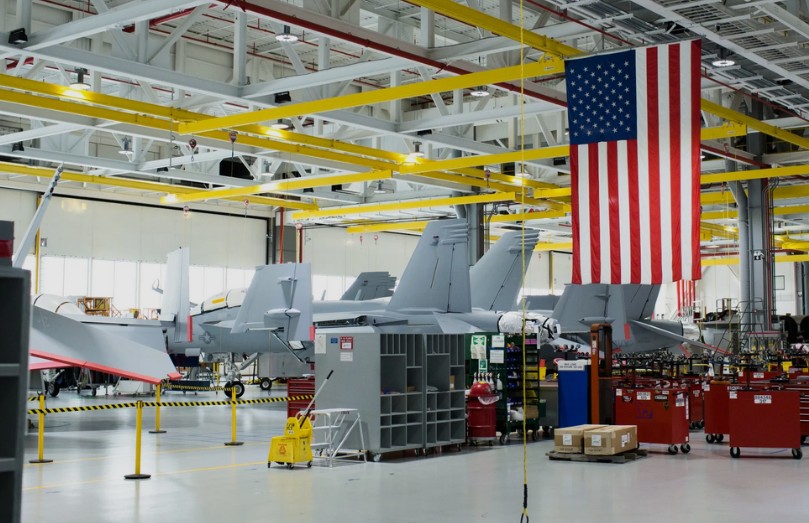
Modernization is necessary
A recent report to Congress highlighted the need to modernize the Defense Industrial Base (DIB). The modern DIB, dominated by the "Big-5," sells primarily to the federal government, creating a monopolistic market. These companies—Lockheed Martin, RTX, Northrop Grumman, General Dynamics, and Boeing—are the primary recipients of defense contracts.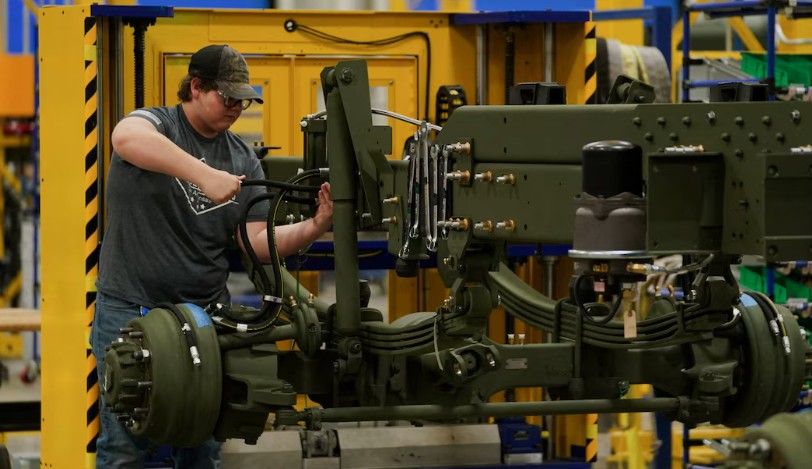
Critical questions
In this context, the Congressional inquiry poses the following questions:
-
Do suppliers have sufficient capacity to meet US defense needs?
-
What is the appropriate level of regulation for the commercial defense industry?
-
How resilient must defense supply chains be?
-
What role should origin and content requirements play in managing the industrial base? The key point is whether the US must expand and diversify its DIB. The Trump administration has started corrective measures, with the Pentagon pledging to rebuild the "Arsenal of Freedom." Trump has vowed to increase the defense budget by $500 billion for FY2027. The 2026 budget of $961.6 billion already represents 40% of global defense spending, yet experts believe this is not enough and "more must be done quickly."
www.bankingnews.gr










Readers’ Comments