

Why Iran holds the upper hand in the Strait of Hormuz - UAE to join international naval force to reopen the waterway
Everything indicates that the 28-day war in the wider Middle East region is heading toward a massive defeat for US President Donald Trump. Despite the heavy blows dealt by the US and Israel to the political, military, and economic structures of Iran, Tehran is not only enduring but counterattacking with force, delivering significant strikes and signaling that it will not back down. Conversely, Trump is the one who has taken a step back, granting a new 10-day deadline to the Iranians for an agreement before launching attacks on Iranian energy infrastructure.
Iran declares that the American 15-point proposal is unilateral and unfair, warning that should they decide to invade, they will face a literal hell. The approximately 70,000 American soldiers—currently stationed or being sent to the Middle East—are reportedly awaited by more than 1 million Iranian soldiers. Given these data and the fact that Iran holds the upper hand in the Strait of Hormuz, a decision for a ground invasion is considered nearly suicidal for the American president, who, seeing his options narrow, is sinking deeper into the military deadlock he created. While a new military failure appears to await the US, Israel continues to strike Tehran and Beirut while expanding its ground offensive in southern Lebanon.
Germany bombshell: US and Iran to meet soon in Pakistan
German Foreign Minister Johann Wadephul stated that the US and Iran have conducted indirect negotiations and that representatives from both sides plan to meet soon in Pakistan. "Based on my information, there have been indirect contacts and preparations for a direct meeting have been made. This appears likely to happen very soon in Pakistan," Wadephul told Deutschlandfunk radio. It is noted that President Donald Trump speaks openly about contacts with Iranian officials, though Tehran continues to deny that formal talks or negotiations are taking place. Iranian Foreign Minister Abbas Araghchi has noted that messages are being exchanged through intermediaries.
US sends another 10,000 troops
The Pentagon is reportedly drafting plans for the deployment of 10,000 additional US ground force members to the Middle East to provide President Donald Trump with further "options," according to the Wall Street Journal. It is estimated that there are currently over 50,000 American soldiers in the wider region, while orders have been given for the deployment of at least another 5,000 Marines and paratroopers. According to Axios, the decision to send the extra 10,000 troops is expected next week. "The soldiers will come from different combat units compared to those already sent to the region," Axios highlights.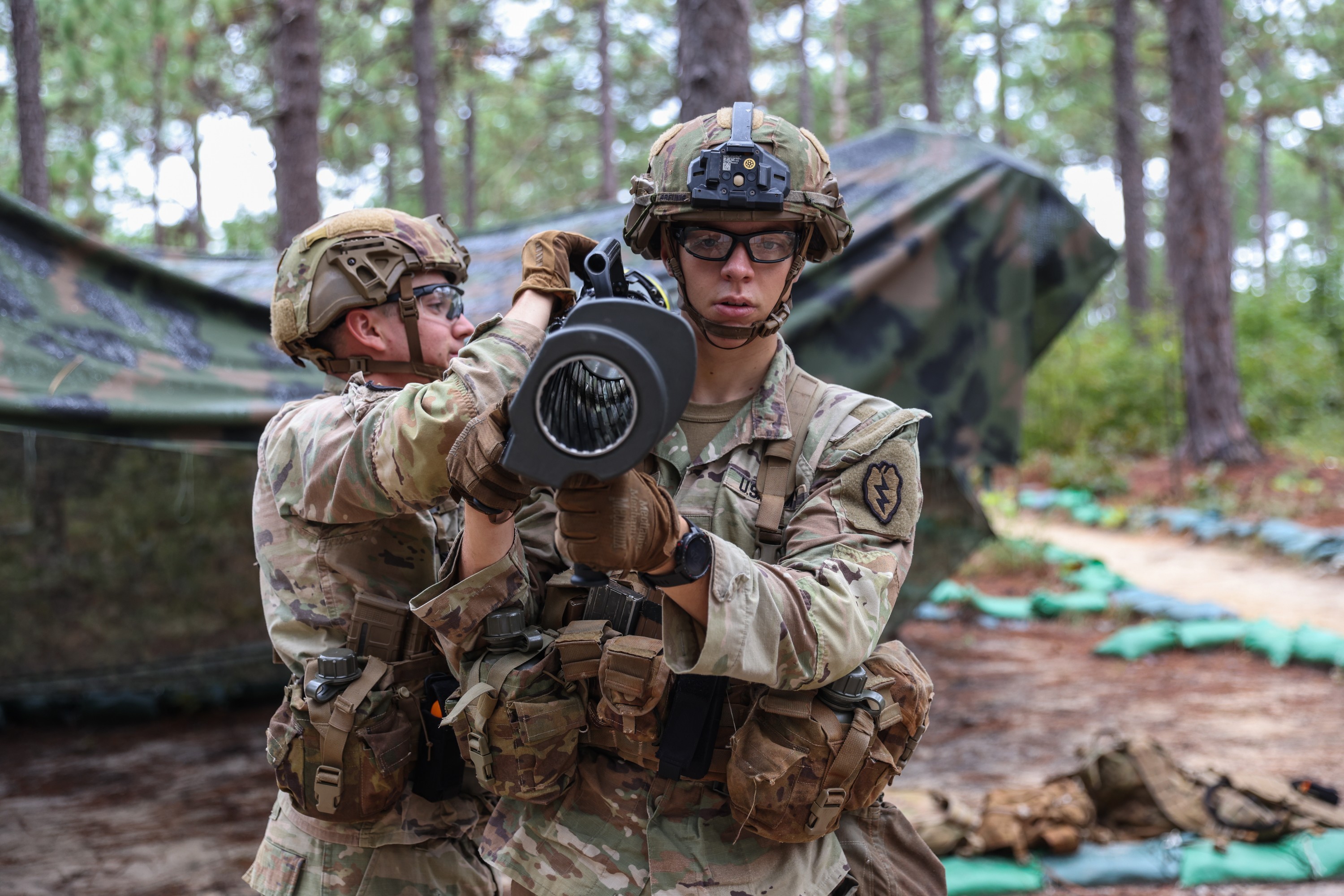
Tasnim: Over 1 million Iranians ready for war – Historical hell for US
This force of approximately 70,000 American soldiers is being awaited by over 1 million Iranian fighters, who have been mobilized for a possible ground conflict. According to the Iranian news agency Tasnim, as speculation grows regarding a potential "historical folly" by the US starting a ground invasion on Iran's southern front, a wave of enthusiasm has emerged among Iranian ground forces to create a "historical hell" for Americans on Iranian soil. Beyond the million-strong organization, the source noted a mass increase in applications from Iranian youth to Basij centers, the Revolutionary Guard (IRGC), and the Army to join the conflict. "The US wants to open the Strait of Hormuz with suicidal tactics and self-destruction. Fine. We are ready for their suicidal strategy to be implemented and for the Strait to remain closed," said an Iranian military source.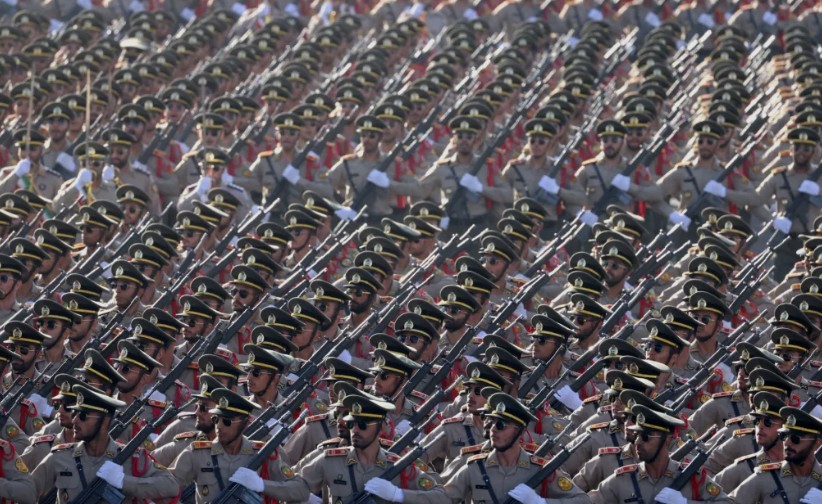
CNN: Iran holds the upper hand in the Strait of Hormuz
The Strait of Hormuz has essentially been closed for nearly four weeks—causing chaos in global oil markets—with no clear end in sight. Iran's threats and attacks on ships in the Persian Gulf have increased transit risk to the point that nearly all traffic through the Strait, the primary corridor for 20% of global oil and gas, has stopped. Trump is projecting diplomatic efforts while simultaneously considering sending thousands of additional troops and possible US Navy escorts for tankers.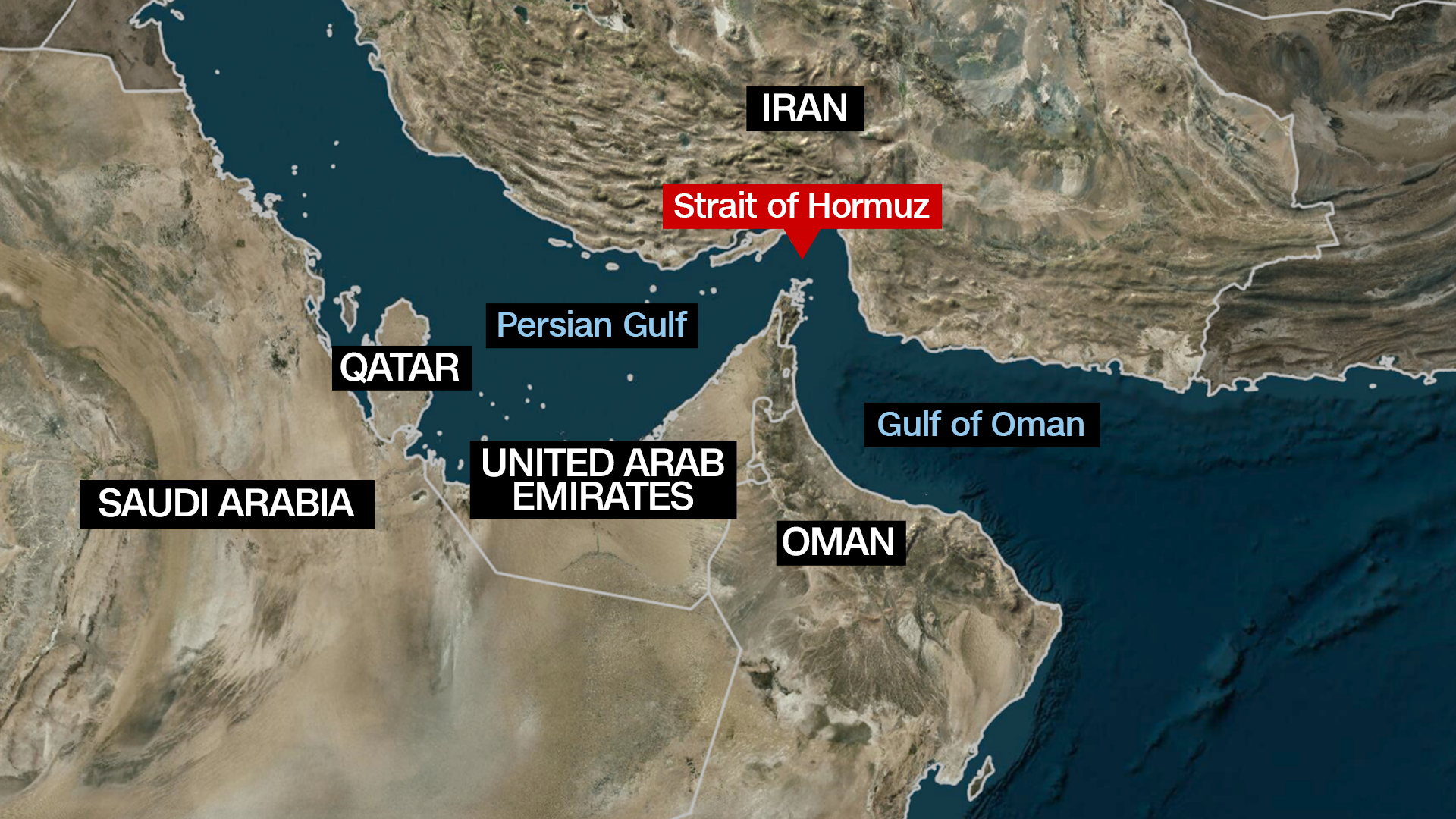
However, as CNN reports, Iran still holds the advantage due to its unconventional warfare methods, such as cheap drones and sea mines, and its geographical position. These factors make it difficult for the US or others to protect ships or secure the strait militarily. Furthermore, Iran finds it profitable to maintain control; officials stated they will continue charging fees for the safe passage of certain tankers. Analysts note that the maneuvering space is extremely limited. "In the open ocean, there is always the option to change course; in a narrow passage, this is impossible," said Kevin Rowlands of the Royal United Services Institute. This means Iran does not need to search for targets; it can simply wait.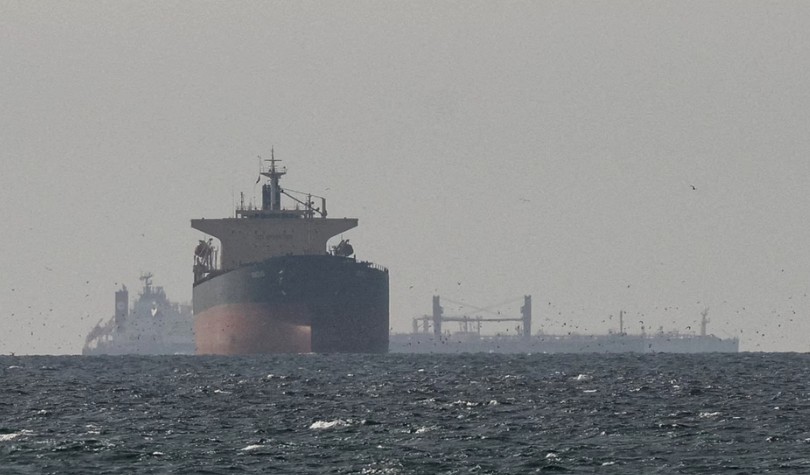
Death zone
This creates a "death zone," says Rowlands, where the warning time for an attack can be just a few seconds. Additionally, Iran possesses nearly 1,000 miles of coastline from which it can launch anti-ship missiles. Missile batteries are mobile, making them harder to neutralize, while the long coastline allows Iran to strike far beyond the Strait itself. "On the northern Iranian side, the terrain is not flat. There are hills, mountains, and offshore islands. All this makes it difficult to detect a threat and easier for Iran to hide mobile weapon systems," Rowlands emphasizes. Analysts state that while the US has weakened Iran's conventional naval capabilities, the greatest threat remains Iran's unconventional arsenal, including drones, fast attack craft, and explosive-laden unmanned vessels.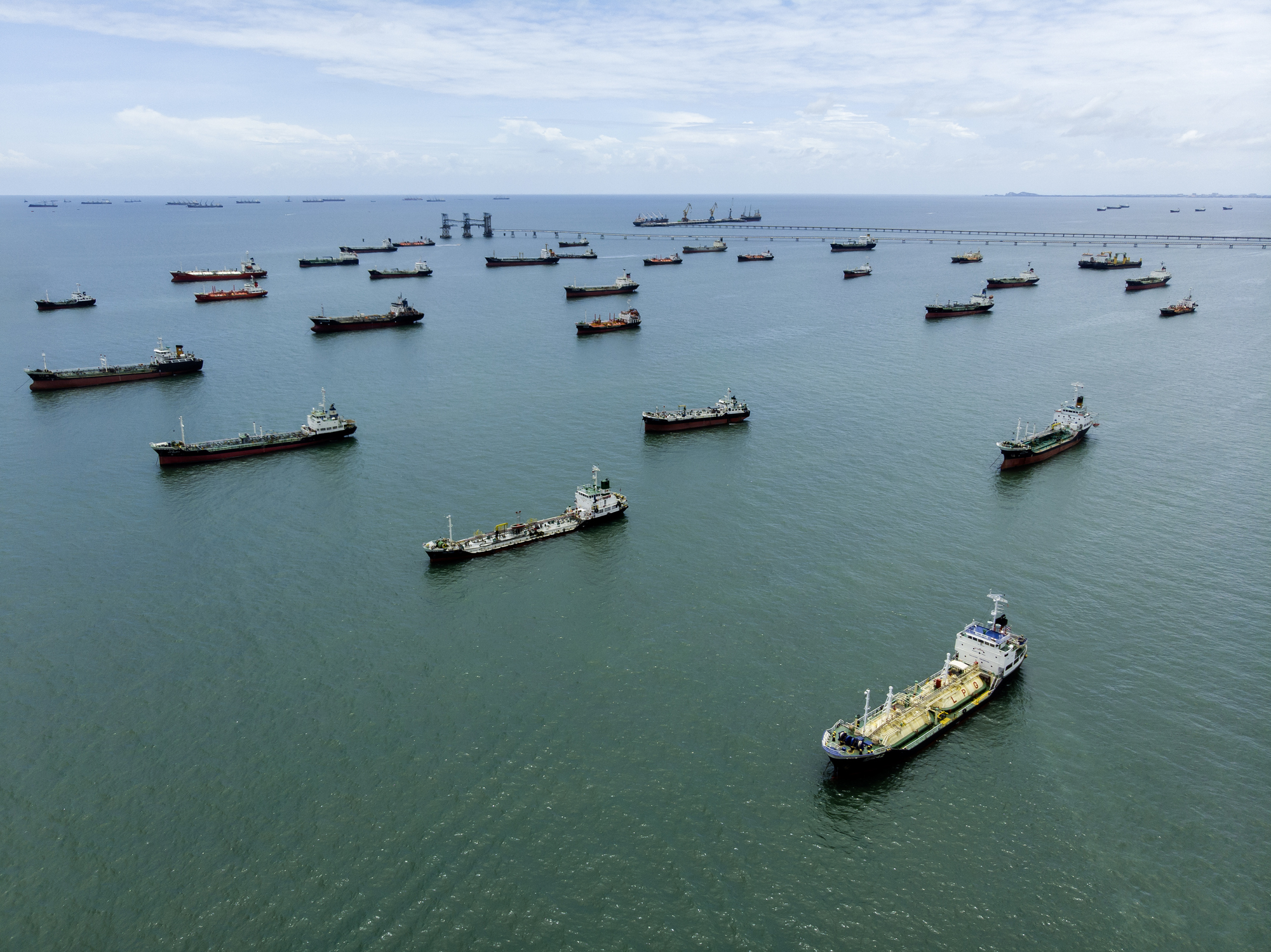
Attacks on 19 ships
So far, Iran has attacked at least 19 ships near the Strait of Hormuz, the Persian Gulf, and the Gulf of Oman. Analysts note that Iran does not even need to destroy ships to disrupt global energy trade; as long as the threat remains high, shipping companies will not take the risk. Some ships with ties to Iran, China, India, and Pakistan have managed to pass. Lloyd’s List Intelligence reported that at least 16 ships have transited, including one that reportedly paid $2 million, and several "zombie" tankers using false identities. Even if traffic restarts, it will take time to clear the backlog of nearly 2,000 ships trapped inside the Persian Gulf, according to the International Maritime Organization.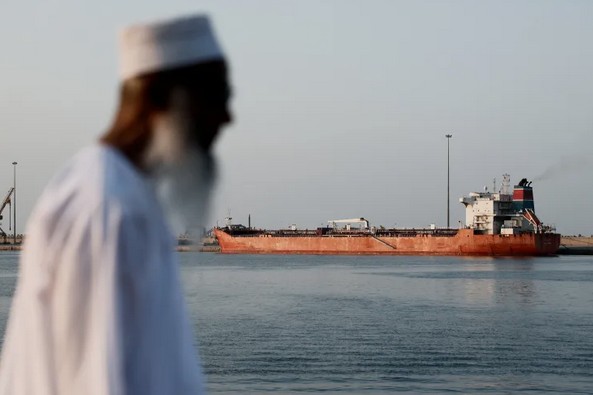
Revolutionary Guards: US and Israeli allies banned from the Strait
The Revolutionary Guards announced that ships belonging to allies of Israel and the US are prohibited from passing through the Strait of Hormuz. "We will prevent any ship from crossing or leaving the ports of countries that are allies and supporters of America and Israel, toward any destination," the IRGC announced, adding that the Strait of Hormuz is closed and any transit will face "harsh measures." The statement also noted that three container ships were turned back after warnings from the Revolutionary Guard Navy.
Financial Times: UAE to join force for Hormuz
The United Arab Emirates has informed Washington and other Western allies that it will participate in a multinational naval force aimed at reopening the Strait of Hormuz, according to a report by the Financial Times. Reuters reports it cannot currently independently verify this information.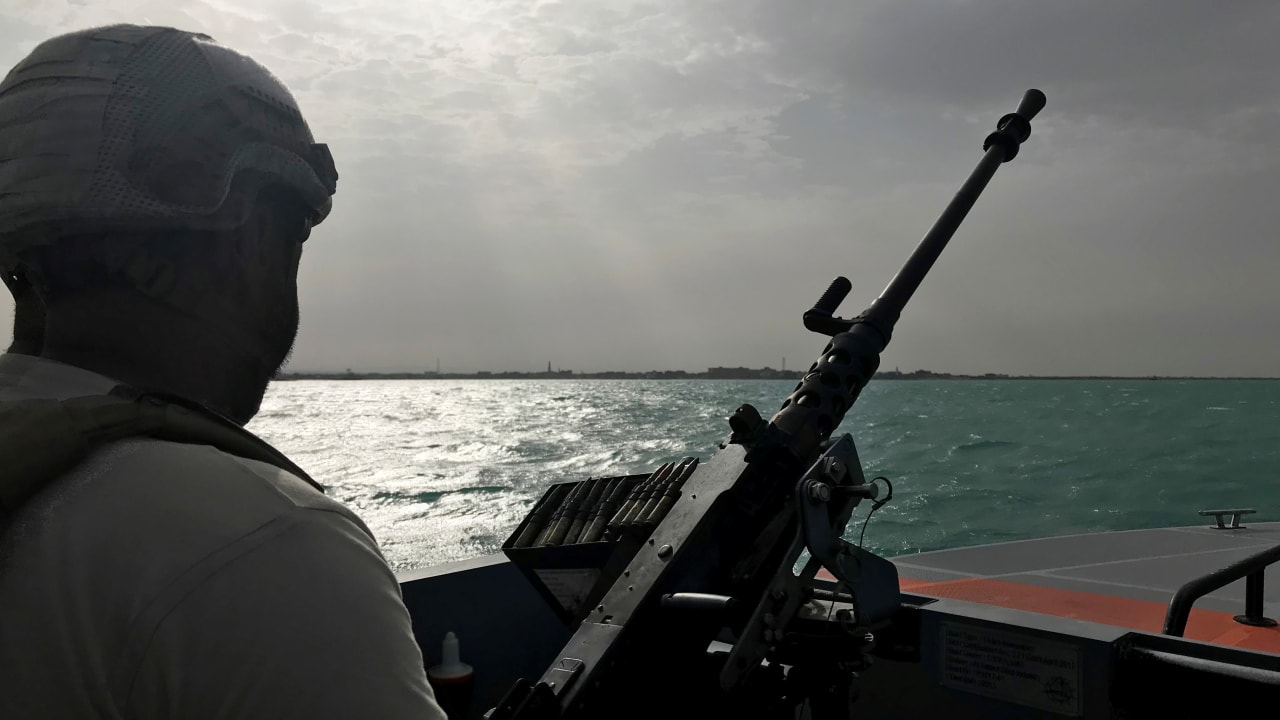
Revolutionary Guards: We struck Ashdod, Modiin, and US bases
The IRGC announced the execution of the 83rd wave of operations against Israeli and American targets. They claim targets included oil storage facilities in Ashdod, troop positions in Modiin, and a US military intelligence center. Strikes were also claimed against US bases at Al Dhafra, Al Udeid, Ali Al Salem, and Sheikh Isa, targeting fuel tanks, drone maintenance facilities, and Patriot system storage. According to the announcement, the operation utilized long-range missile systems, precision missiles, and loitering munitions.
Iran warning: We will hit hotels housing American soldiers across the region
The Iranian armed forces warned that hotels hosting American soldiers across the Gulf region will be targets in their war with the US and Israel. "When all Americans are in a hotel, then from our perspective, that hotel becomes American," said military spokesperson Abolfazl Shekarchi. "Would we just sit idly by? When we respond, we must strike wherever they are," the Iranian official argued.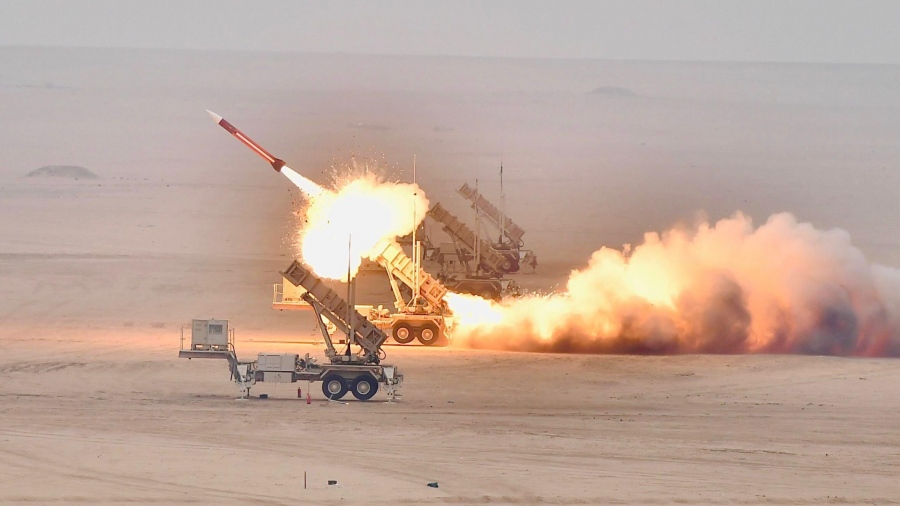
Revolutionary Guards: Israeli frigates in Haifa turned to ash
The IRGC claimed to have struck Israeli military vessels in the eastern Mediterranean and fuel tanks for fighter jets at the Port of Haifa. They stated they are "determined to vigorously target the source of every aggression," according to Al Jazeera.
Massive explosion at King Salman base
Meanwhile, reports of explosions at the King Salman Air Base in Saudi Arabia are circulating today, linked to the ongoing conflict with Iran. Al Mayadeen and social media claim the explosions were caused by a powerful missile strike.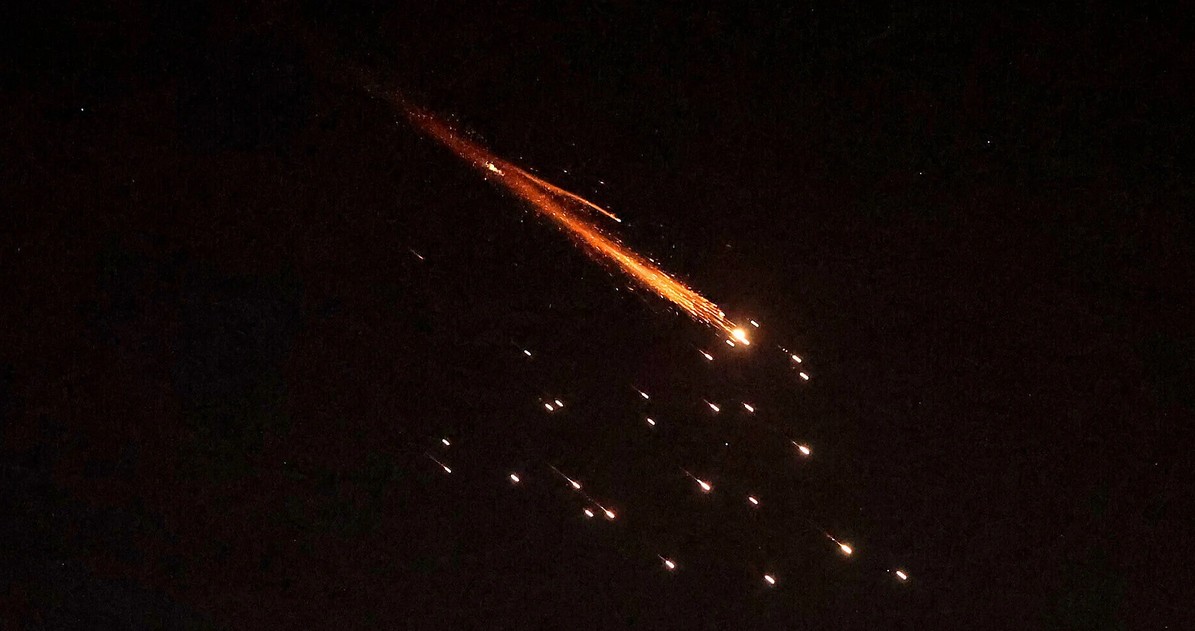
FT Bomb: Top Iranian missiles have not yet appeared
At the same time, the Financial Times notes that Iran's top-tier missile systems have not yet made an appearance. Newer systems, such as the Qassem Basir and Fattah-2, have largely remained out of the conflict. The feeling is that Tehran is holding its "strong card" for later, or perhaps realizing these weapons are not as effective as thought, though the former scenario is considered more likely.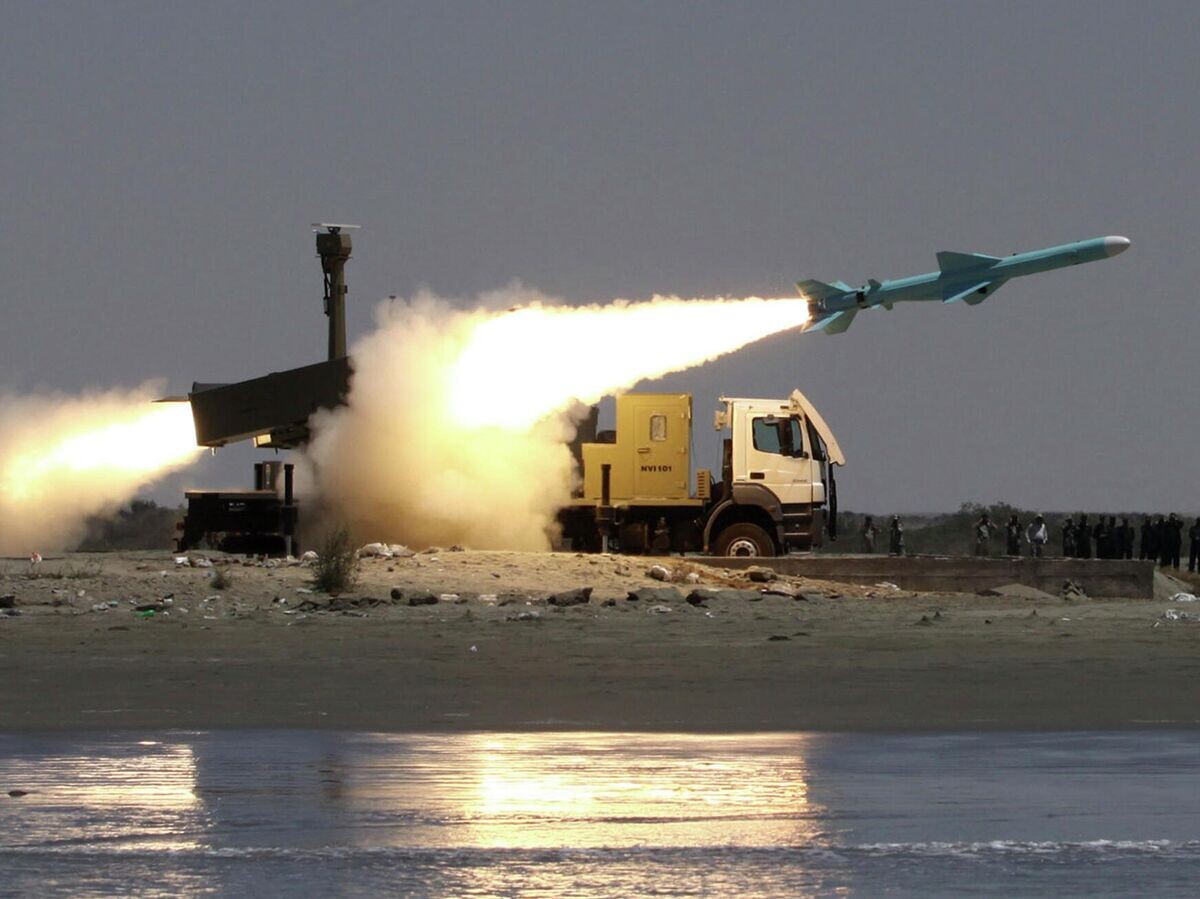
Admission from Israeli General: Iran is stronger
Israeli General Yitzhak Brick admitted that Iran will emerge stronger after the war. He notes a distinction between a "blow" and "defeat." While the US and Israel may have caused serious damage to Iran's military structure, this does not mean they can defeat or destroy the country. According to Brick, the war will eventually stop without achieving the maximum goals of Iran's adversaries, potentially leaving Tehran in a more credible and strategically weighted position.
Stubb snubs Trump – Iran is not my war, Ukraine is the priority
The President of Finland, Alexander Stubb, referring to possible European aid to the US in the Persian Gulf, stated that the escalation in the Middle East is not "his" war and his priority is the conflict in Ukraine. "It might sound abrupt, but Iran is not my war... My war is Ukraine," Stubb said in a Politico interview.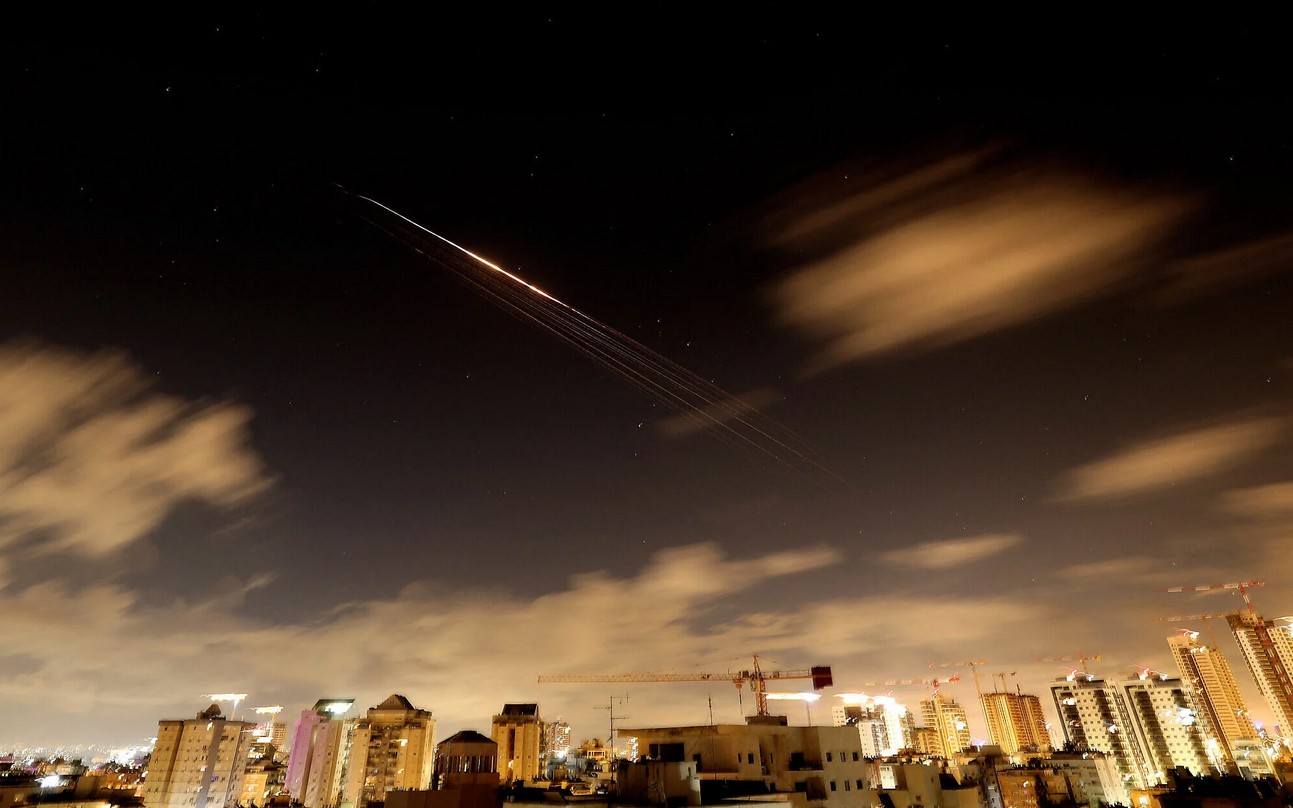
IDF: We hit naval missile production facilities in Tehran
The IDF announced it conducted raids on ballistic missile production facilities in Iran overnight. According to the military, the Israeli Air Force hit Tehran "infrastructure used by the regime for weapon production, focusing on ballistic missile facilities." Additionally, they bombed Iran's central site for producing naval missiles and mines. The IDF claims the facility in Yazd was used for developing "advanced missiles intended for launch from cruise ships, submarines, and helicopters."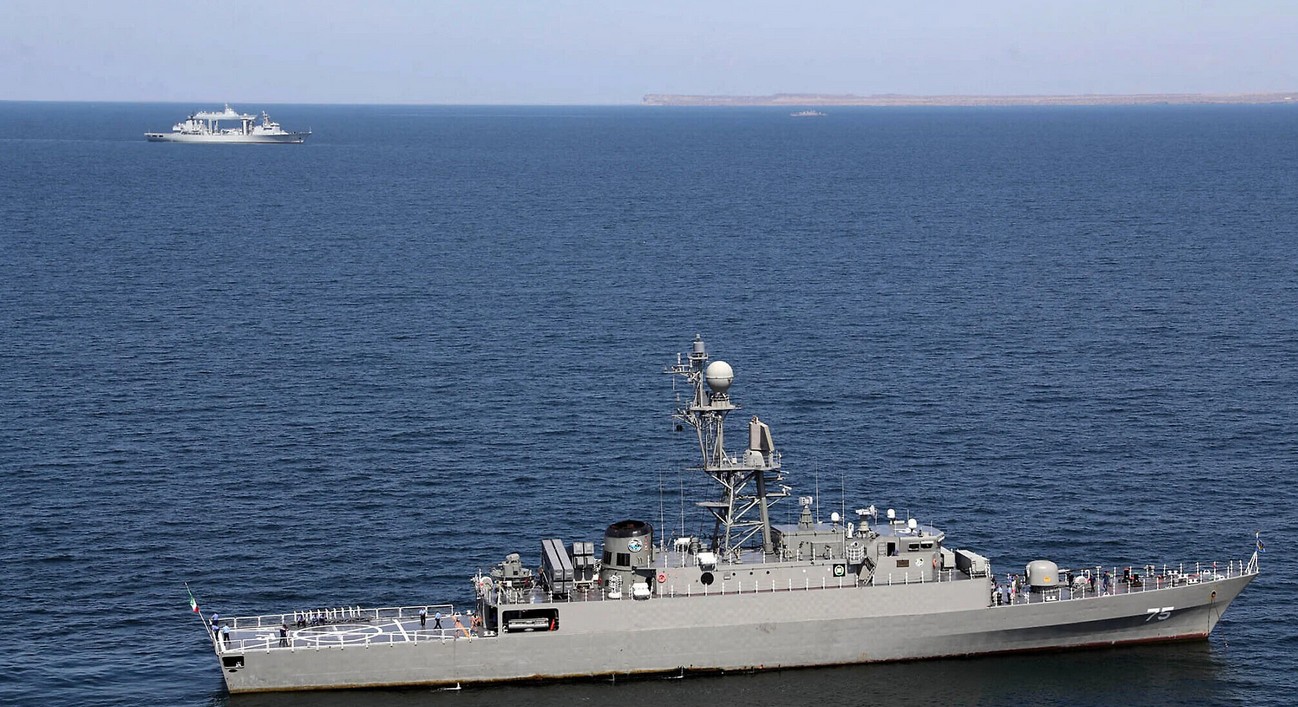
"This is a facility where most of the missiles and sea mines are developed by Iranian naval forces," the IDF states. The attack, based on intelligence from Military Intelligence and Naval Intelligence, "is a significant blow to production capabilities." The attack occurred a day after the assassination of the IRGC Navy commander. In western Iran, the IDF reports striking ballistic missile launchers that "pose a threat to the State of Israel."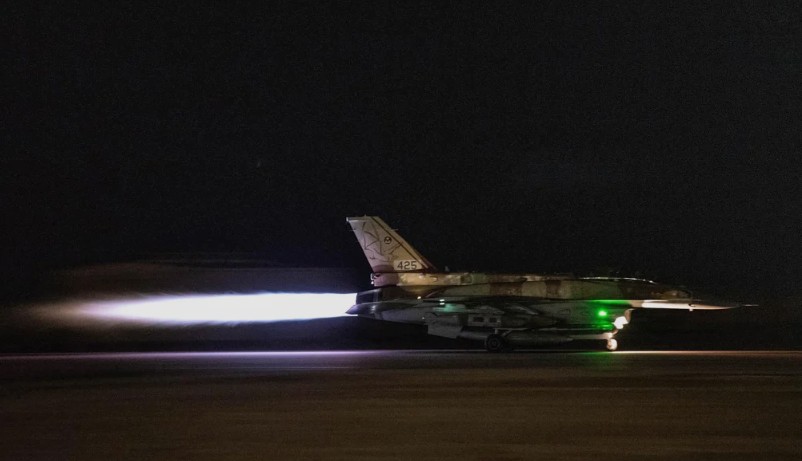
Israeli attacks on the cities of Urmia, Qom
Iranian state media reported earlier today, March 27, that deadly attacks occurred overnight in Urmia and Qom. Tasnim and ISNA reported at least six people killed after three houses were hit in Qom. In Urmia, four residences were destroyed and "several citizens were killed or injured," according to IRNA.
Airstrike in Beirut
The Israelis also struck southern suburbs of Beirut, Lebanon. Lebanese media reported multiple explosions in the Hezbollah stronghold. The National News Agency of Lebanon stated that "enemy aircraft" raided Tahouitet al-Ghadir early this morning. Israel had issued evacuation warnings but no specific notice immediately before the strike.
Hezbollah launched over 100 operations against Israel in 24 hours
In the last 24 hours, Hezbollah has planned and executed more than 100 operations. According to Tasnim, Hezbollah announced it targeted armored vehicles and Israeli soldiers with bombs on the Al-Taybeh – Al-Qantara road. Hezbollah also detonated bombs against vehicles in "Deir Seryan" in southern Lebanon. The number of operations in 24 hours has exceeded 100 and attacks continue. Hezbollah announced it targeted two military bases—"Eliakim" and "Tifun"—east of Acre, and the "Zeio" air defense base in Haifa. In border areas, they destroyed another Merkava tank with a direct missile hit.
www.bankingnews.gr













Readers’ Comments