

By mid-March, the price of Russian Urals crude climbed to $90 per barrel, double its February levels
While the US and Brussels watch helplessly as energy prices skyrocket, Russia and President Vladimir Putin have achieved the unthinkable: breaking the blockade of discounts and imposing their own terms on the global market. With Russian crude hitting $90 a barrel, Russia is generating a massive surplus to indefinitely fund its military machine. This strategic "checkmate" forces even Russia's critics to admit that the West's attempt at an energy embargo has resulted in a historic fiasco. The figures are staggering: annual revenues of $102 billion for Russia.
Unexpected windfall for Russia
"The biggest winner of the conflict (in Iran) is Russia," stated Ben Cahill, a senior fellow at the Center for Strategic and International Studies (CSIS) in Washington. The Kremlin can now sell Russian crude, previously offered at a discount, "at full market prices," marking a "significant turnaround" for the economy. This unexpected windfall for Russia's public finances comes at a critical time. Before the Iran war, "Russia was heading toward a real fiscal crisis," said Alexandra Prokopenko, a fellow at the Carnegie Russia Eurasia Center in Berlin. While the recent conflict in the Middle East hasn't fundamentally altered the outlook for an economy structurally damaged by prolonged war, it has "bought time," she told CNN. How much time depends on the duration of the war in Iran, but higher oil prices have already provided relief. The Russian Finance Ministry suggested that spending cuts expected for this year will now be deferred to 2027.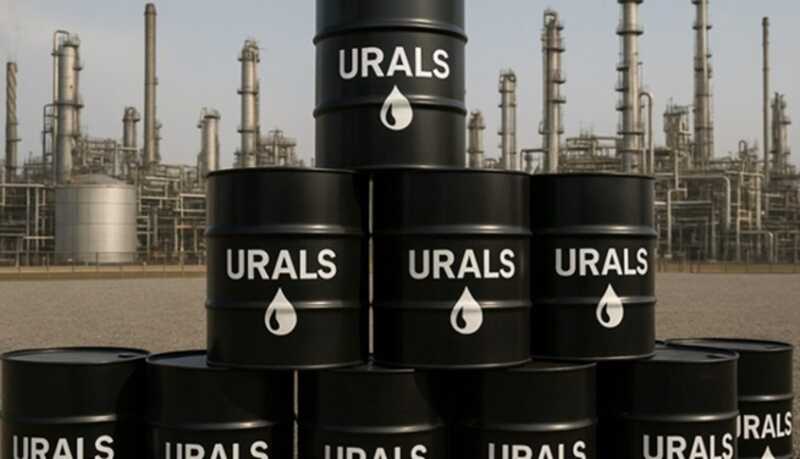
Russian oil prices skyrocket
By mid-March, the price of Russian crude (Urals) stood at $90 per barrel, double the price seen in February, according to Sergey Vakulenko, a senior fellow at the Carnegie Russia Eurasia Center. Even the smaller $30 per barrel increase noted earlier in March meant $8.5 billion in additional monthly revenue, "of which $5 billion goes to state coffers and the rest to oil companies," he noted this week. Oil and gas revenues represent roughly one-quarter of Russia's federal budget and are vital for financing its "war machine in Ukraine," said Simone Tagliapietra, a senior fellow at the Brussels-based think tank Bruegel. "This is bad news for Ukraine."
A spectacular reversal
Before the Iran war, the pool of Russian oil buyers was shrinking, and customers were demanding steep discounts due to tightening sanctions from the European Union and the US. The White House had also imposed sanctions on India, one of the largest buyers of Russian crude in recent years. Initially, this pressure was working. Russian crude exports fell to 6.6 million barrels per day in February, their lowest level since the 2022 invasion of Ukraine, according to the International Energy Agency. Export revenues dropped by about 30% that month compared to a year earlier. Since then, the war in Iran has brought drastic changes, partly due to a total reversal of the Trump administration's previous stance on Russian oil. Earlier this month, the US temporarily eased sanctions on Russian crude transported by sea to "allow oil to continue flowing into the global market." Russian shipments to India are expected to nearly double in March compared to February, as Indian refiners increase purchases to offset falling supply from the Middle East, according to Kpler.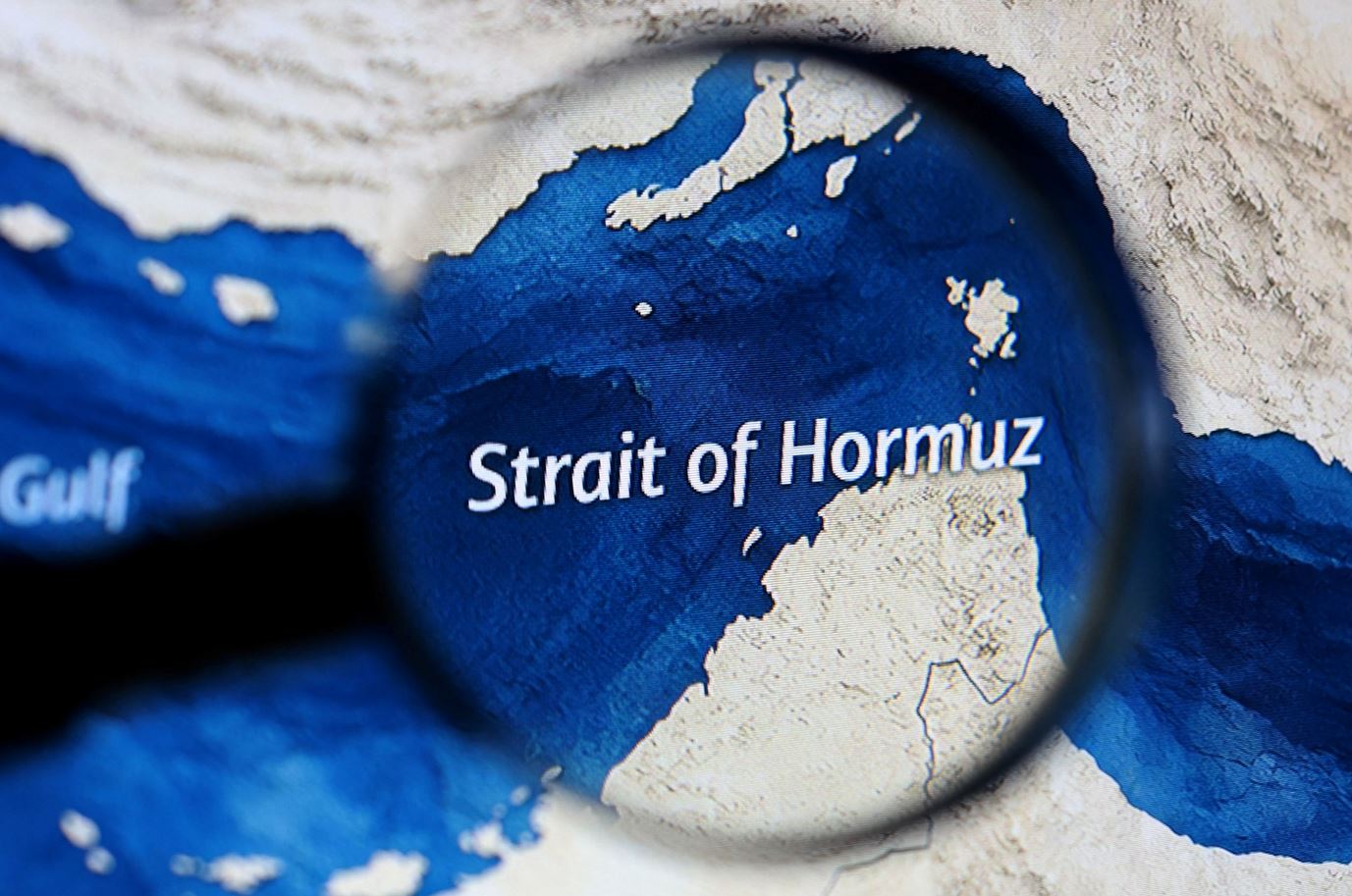
Natural gas and fertilizers
The conflict in the Middle East could yield further economic and strategic benefits for the Kremlin. The Strait of Hormuz is a critical transit route not just for oil, but also for liquefied natural gas (LNG), fertilizers, helium, and aluminum—all of which Russia produces in vast quantities. As the world's second-largest fertilizer exporter, Russia is seeing "increasingly more" orders, with importers in Nigeria and Ghana pre-purchasing cargoes for the third quarter of this year. "Once established, these links will evolve into a dependency that could outlast any ceasefire," Prokopenko noted. Russia is also the world's second-largest gas producer, behind only the United States. There is already speculation that the EU might delay its timeline for phasing out Russian gas. This suggests another potential strategic victory for Russia, said Tatiana Mitrova of Columbia University’s Center on Global Energy Policy. Here, too, the lifting of US sanctions on some Russian oil is symbolic, opening the door for the Kremlin to renegotiate with the United States for long-term concessions.
India and China rethink Gulf imports
If India and China reduce their dependence on Middle Eastern fossil fuels, they may turn increasingly toward Russian imports, according to Vakulenko. Such a move could strengthen the case for certain large-scale infrastructure projects, giving another boost to the Russian economy. For example, China was previously hesitant to commit to the proposed Power of Siberia 2 gas pipeline; now, Beijing might be more willing. However, Asia's renewed appetite for Russian fuels may not last. The energy shock from the Iran war will drive China and India to double down on domestic renewables and even coal, Mitrova argued. Russia is also not immune to a broader rise in transport costs and commodity prices. The OECD on Thursday raised its forecast for headline inflation in Russia this year to 6%. The OECD expects Russia's economy to grow by 0.6% this year, compared to 1% in 2025. This projected slowdown highlights that short-term windfalls are not a sustainable solution for the Russian economy. The Kremlin's economic woes are multiplied by the multi-year war, which has increased public debt and restricted business investment.
www.bankingnews.gr













Readers’ Comments