

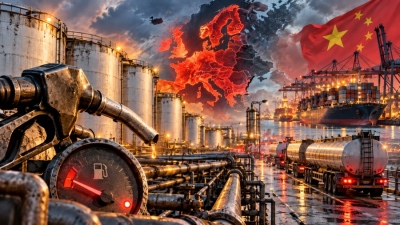
The next critical juncture will arrive when disruptions begin to directly impact supply chains, particularly in Asia—the region most dependent on flows through Hormuz.
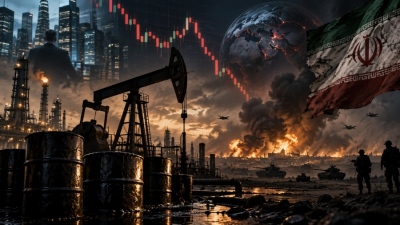
The prominent economist and former Chief Investment Officer of PIMCO, Mohamed El-Erian, estimates that the fallout from the conflict in the Middle East has already reached a critical threshold, while warning that a new turning point may emerge within the coming weeks if de-escalation is not achieved. The first "tipping point" occurred during the initial weeks of the war when both sides began targeting energy infrastructure. From that moment, according to El-Erian, disruptions in oil supply ceased to be viewed as temporary and transformed into a medium-term problem.
The next turning point: When oil runs dry
The next critical point will come when these disruptions begin to directly affect supply chains, especially in Asia—the region most reliant on flows through Hormuz, reports Business Insider. In 2024, approximately 84% of the oil passing through this specific passage was destined for Asian economies. "The next turning point will be when actual quantities of oil do not reach countries, especially in Asia. If this happens—and I believe we are a few weeks away—then the economic consequences will be massive, because it won't just be about prices, but also about availability," he emphasized. Oil prices strengthened again on Thursday following a brief de-escalation triggered by reports of a US peace plan toward Iran. Tehran's negative reaction reversed the sentiment: Brent rose by 4% to $106 per barrel, while US crude recorded a 3% increase to $93.
Inflation and the risk of "derailment"
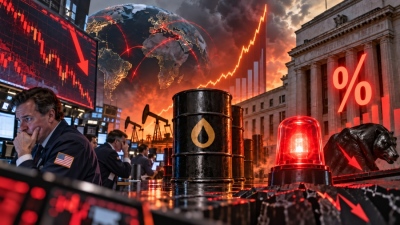
Fears of a new surge in inflation are at the center of attention. The rise in energy prices broadly affects the cost of goods and services. Furthermore, if supply decreases further, prices may rise even higher to curb demand. Some economists do not rule out the scenario of prices skyrocketing to $200 per barrel before "demand destruction" sets in.
Disruptions beyond oil
The impacts are already extending beyond energy. Supply chains for critical materials such as helium, pharmaceuticals, and fertilizers are beginning to be affected due to transport issues through the Strait of Hormuz.
Rising risk of recession
El-Erian has already warned that the probability of a recession in the United States has increased to 35%, while rising inflation heightens the risk of an "economic accident." The progression of the war will determine whether the global economy will withstand the pressure or enter a new period of deep instability.
www.bankingnews.gr









Readers’ Comments