

The US is sending 2,500 to 6,000 commandos to confront 1,000,000 Iranians preparing feverishly... obviously, the Americans know they can only put on a show, not fight a victorious battle - Shock warning from the Israeli Army Chief: The Israeli military may soon collapse
The failed American and Israeli operation against heroic Iran is reaching its fifth week, proving that US President Trump, while speaking of victory, is actually planning a symbolic ground operation. He claims Iranians are begging for peace, but Tehran rejects his proposals. In pure military terms, the Iranians have been hit 10,300 times and endure, while the US and Israel faced unprecedented retaliation, critically wounding the supposed military superiority of the Americans and Israelis.
President Trump, while winning only in his own words, faces a planet that says the exact opposite. He set April 6, 2026, as an extension to the timetable for new strikes. It is clear that Iran has won, while official reports that the much-hyped THAAD system ran out of missiles or was rendered useless serve as proof of failure.
The fact that American soldiers disappeared from US bases in the Persian Gulf is evidence of fear, while the fate of the prepared amphibious landing is a foregone conclusion. The US is sending 2,500 to 6,000 commandos to face 1,000,000 Iranians; the Americans clearly know they can only provide a show, not a victorious battle.
The plan for an Iranian surrender in three days failed; we are already in the fifth week. As the Russians predict, the Americans will sustain combat operations for another 4 to 5 weeks until late April 2026. Meanwhile, Iran is considering imposing tolls in the Strait of Hormuz, targeting annual revenues of €20 to €100 billion.
Wall Street Journal: US to increase number of soldiers sent to Iran to 10,000
The US president is considering increasing the number of American troops in the Middle East by 10,000 due to the operation against Iran, the Wall Street Journal reports. "The Pentagon is considering sending up to 10,000 additional ground troops to the Middle East to provide President Trump with more military tools, even as he considers peace talks with Iran."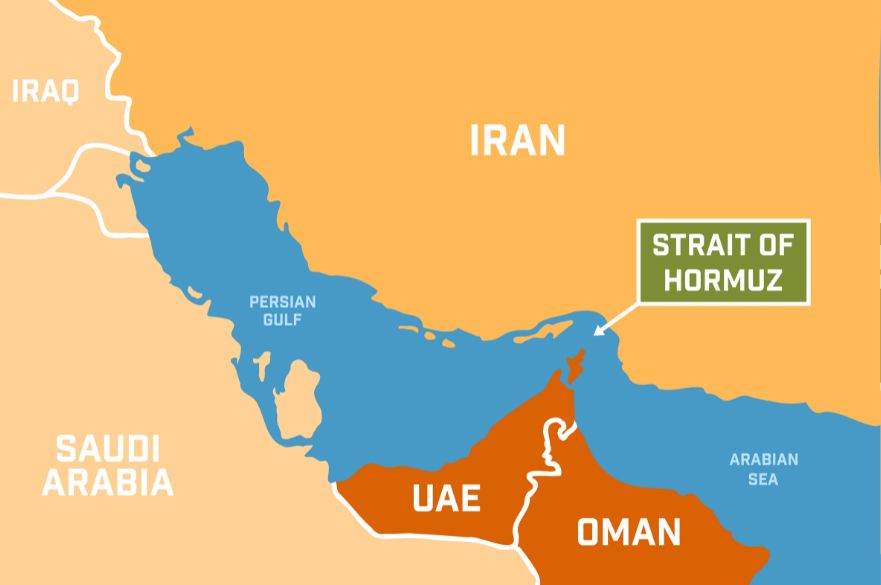
The American strategic deadlock in Iran – The two scenarios – Beware of military deception tactics
A significant portion of American analysts' attention is on the "attack on Iran" scenario, specifically regarding the Strait of Hormuz. However, many military experts, examining field data and force deployment, believe this option lacks sufficient operational justification and think the costs and risks would far outweigh potential benefits. Under these circumstances, the US faces several scenarios for continuing the war.
Scenario 1: Deception Operation
According to this hypothesis, the focus on the Strait of Hormuz could be a diversion. By highlighting the threat in this region, the US aims to direct the concentration of Iranian armed forces toward this axis, while the real objective is elsewhere. For instance, creating sensitivity around areas like Kharg Island could be part of this deception strategy.
Scenario 2: Limited operations for a show of force
In this context, the US may seek a short-term, symbolic operation, targeting selected infrastructure with heavy airstrikes to create "scorched earth," followed by a temporary show of power with limited entry into sensitive points before a rapid withdrawal.
The US is looking for an exit point
Such an action would serve a dramatic political function rather than a strategic one. These scenarios indicate that the US, regardless of the chosen path, is seeking an "exit point" from the war—but an exit accompanied by a "proven achievement." This achievement appears to have a propaganda function rather than military significance. In other words, even limited action can be presented as "victory."
The American military's shallow performance under the microscope of Russia and China
If an army claiming global superiority is still seeking an initial achievement after a month of conflict, it raises serious questions about planning quality and readiness. Strategic rivals, including China and Russia, are closely monitoring the performance of the US military. These assessments will play a decisive role in their future calculations, especially in similar crises.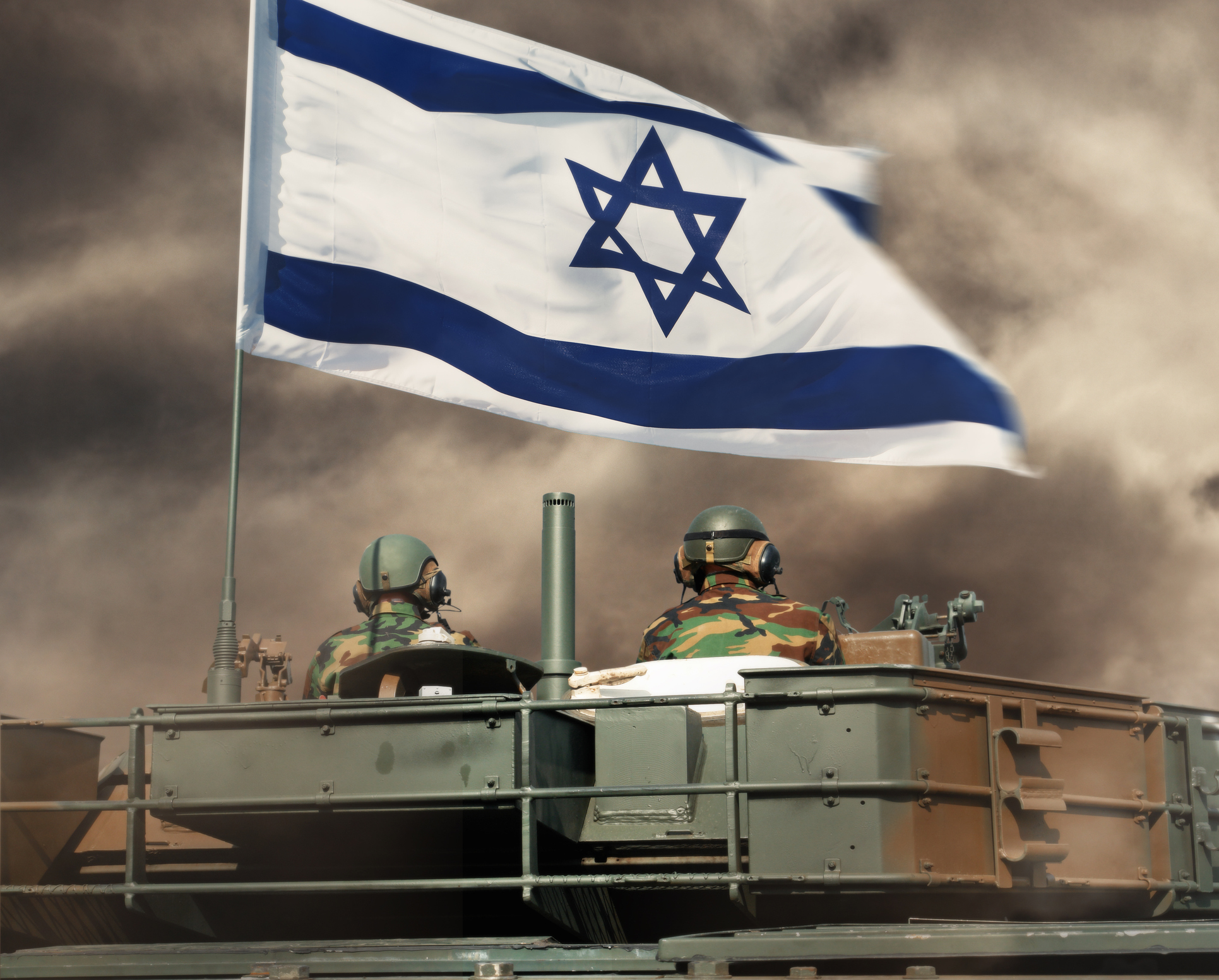
Shock warning from the Israeli Army Chief: The Israeli military may soon collapse
The Israeli Chief of General Staff, Lieutenant General Eyal Zamir, warned of the risk of military collapse, reports the Jerusalem Post. "If a solution is not found for the manpower shortage, the Israeli army could soon collapse," warned Lieutenant General Eyal Zamir during a security cabinet meeting.
Message from Israeli General Isaac Braik: The Israeli army is weak and exhausted
The analysis of a famous Israeli general regarding the military's illusions proves that the Israeli army is a mediocre machine with many vulnerabilities. General Isaac Braik has drawn media attention due to his critical stance on the Israel Defense Forces' condition.
Israel's military weakness and the delusion of superiority
He warned that the Israeli military, in its current state, could not effectively face a major challenge. The root of this weakness lies in the deep wear of ground forces, which have been "drained to the marrow." Ongoing conflicts in Gaza and Lebanon have exerted massive pressure on the army's operational structure.
A central element of the general's analysis is the concept of "excessive perception of power." He believes the military suffers from a delusion of superiority, holding an exaggerated view of its strength while facing severe operational gaps. He views this as a rooted strategic error dating back to the Yom Kippur War.
Focused on the air force while the army is worn out
According to this analysis, the Israeli military has focused for decades on developing its Air Force, creating an advanced but costly branch. Conversely, the ground force has been neglected. The strategy assumes aerial superiority can replace other dimensions of power, but the general argues this is false because "the ground" ultimately determines a war's fate.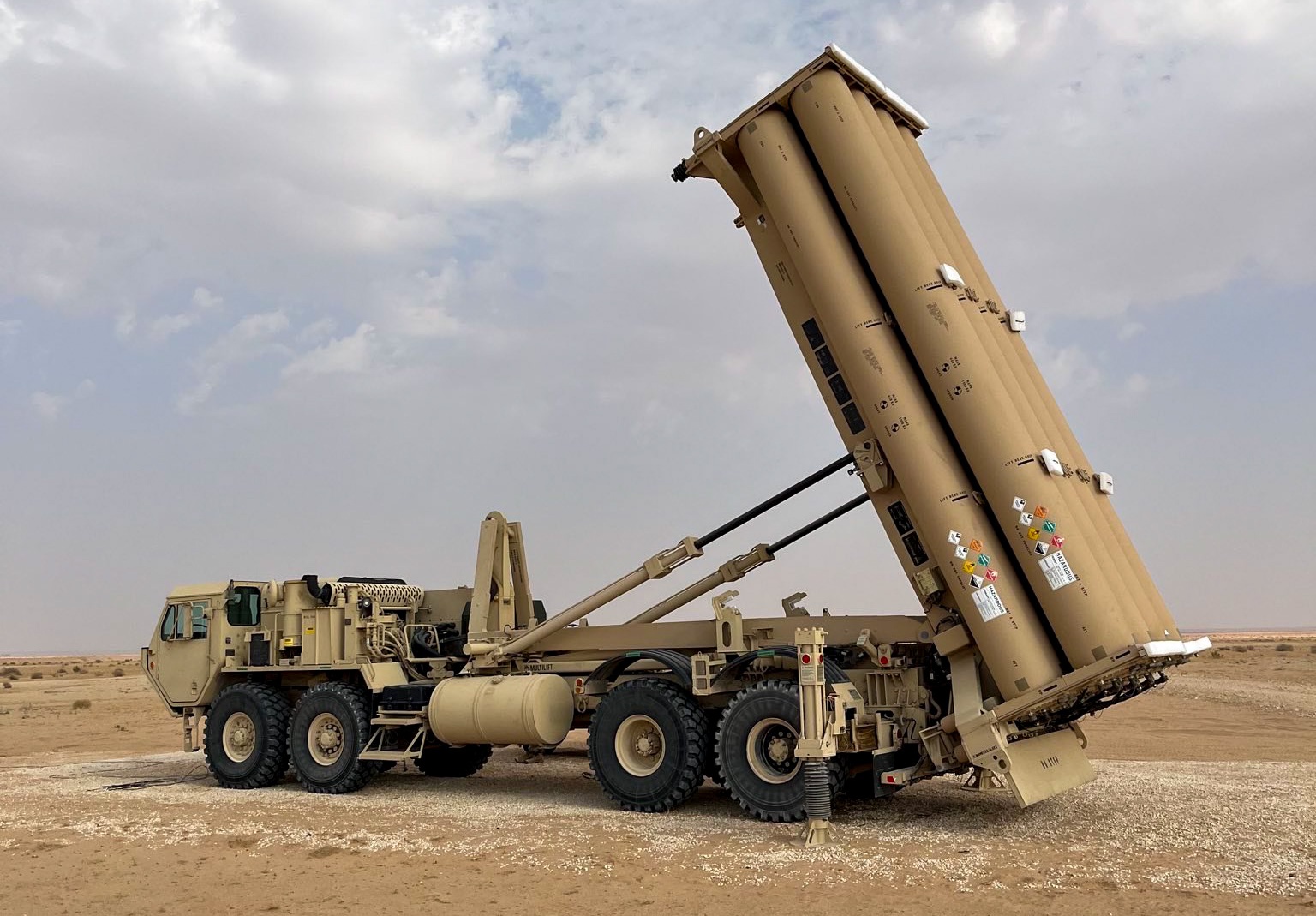
Incredible admission: THAAD system out of ammunition or destroyed
Reports from Israeli sources indicate that one-third of the THAAD missile stockpile is exhausted, and advanced radars have been damaged. To fill this gap, the US was forced to transfer radar equipment from other regions, including East Asia.
A clear sign of weakness in US performance is air defense. Field data shows certain American bases in the Persian Gulf were vulnerable despite advanced systems. When key infrastructure like THAAD and Patriot components are hit, it is a "strategic signal" to adversaries.
The transfer of systems from South Korea potentially affects the level of deterrence against North Korea. The reallocation of US defensive resources to one front could lead to a weakening of coverage on others.
Replacing advanced radar and missile systems is a time-consuming process that can take years. This time gap creates challenges for the US, especially against powers like China, calling into question the image of absolute American defensive superiority.
If Iran imposes tolls in the Strait of Hormuz, it will have revenue of 20 to 100 billion dollars
Iranian calculations regarding revenue generation from the Strait of Hormuz can be examined through different scenarios.
Scenario one: Special security services
In the first scenario, Iran would charge approximately $2 million in "special security services" for every vessel passing through the strait. With roughly 140 ships passing daily, daily revenue would reach $280 million, totaling over $100 billion annually—three times Iran's oil revenue.
Second scenario: Like the Suez Canal
In the second scenario, the basis for collecting conventional tolls would be similar to international practices like the Suez Canal. If Iran receives $400,000 per ship, annual revenue would reach $20-25 billion, equivalent to Iran's oil export earnings.
The legal issue… and in which currency?
While international law suggests straits should be free, these revenues could be defined as "securing safety" or "environmental protection." Furthermore, if these revenues are collected in Yuan, it could weaken the dollar's position. Shifting revenue to alternative currencies helps erode the "petrodollar" system. These economic implications may not have been fully considered in initial American estimates.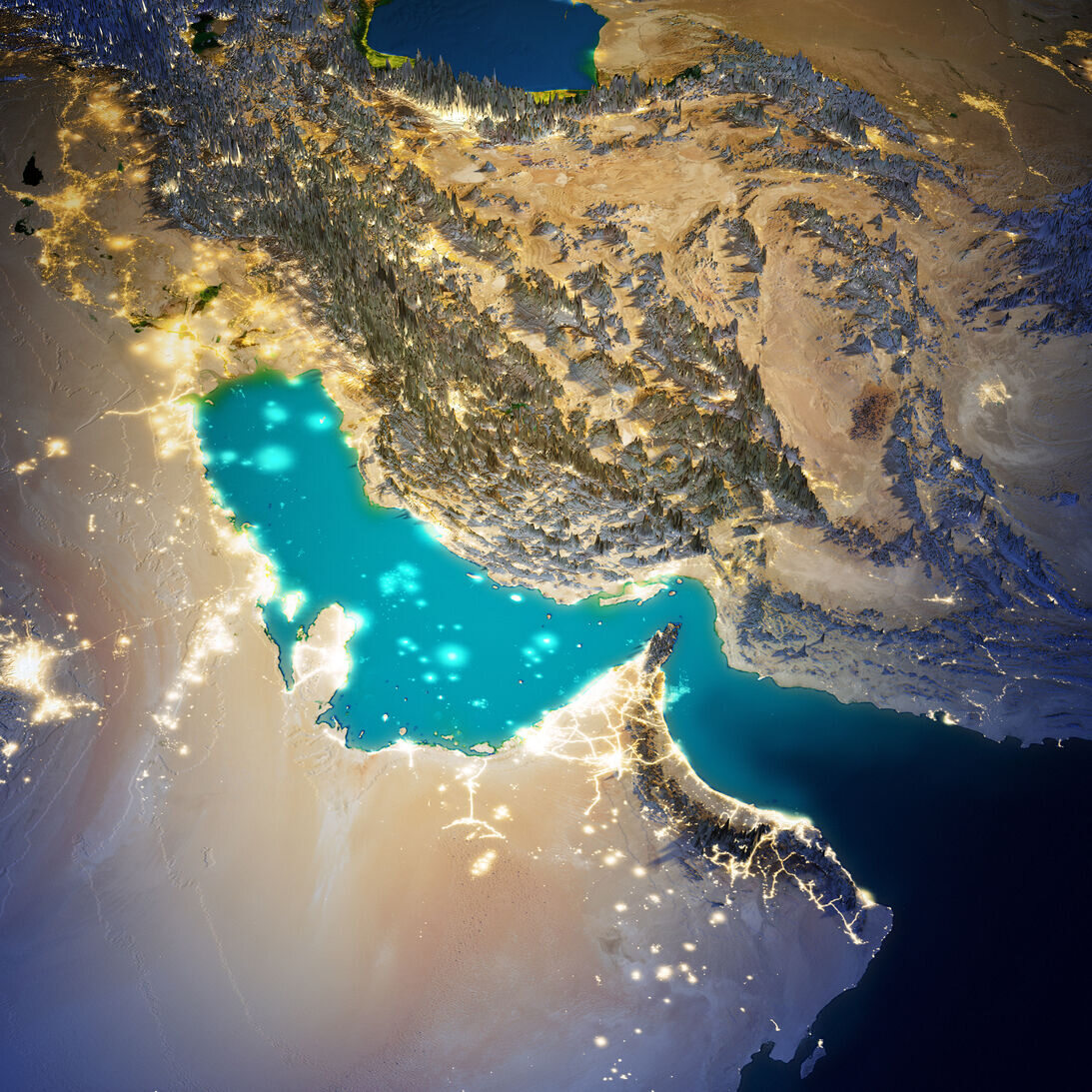
Americans disguised US ships as Pakistani, or how the US hid behind a foreign flag
Trump stated with "childish enthusiasm" that Iran gave America a gift by allowing 10 tankers to pass through the Strait of Hormuz. While Iranian officials deny this, Trump effectively admitted American humiliation by claiming the US had to secretly send tankers under the Pakistani flag.
During the 28-day war, Iran occasionally allowed tankers from friendly nations like India, China, and Russia to pass. Now, Trump essentially admits he could not fully open the strait and instead resorted to secretly disguising American tankers. The US has admitted its downgrade from global hegemon to a regime struggling to control oil.
Scott Ritter (ex-CIA): Americans can occupy islands, but it makes no operational sense
US forces are capable of seizing several Iranian islands. However, this will not help them unblock the Strait of Hormuz, emphasized former US Marine Corps intelligence officer Scott Ritter. "The US will likely be able to seize the islands, but it will be impossible to stay there. They will immediately face intense missile and drone attacks."
According to Scott Ritter, the US will be unable to resupply troops because Iran will destroy any approaching ships or helicopters. He estimates that occupying Iranian islands makes neither military nor economic sense for the United States.
Douglas McGregor: Americans have an outdated army, Iran has a future strategy
Former Pentagon advisor Colonel Douglas McGregor stated that the US cannot defeat Iran because it uses outdated methods, while Iran conducts a "war of the future." According to McGregor, American efforts to defeat Iran using obsolete warfare are doomed to failure.
Larry Johnson (Ex-CIA): Trump is bluffing, he doesn't want peace and Iranians aren't fools
The US makes statements about peaceful intentions to give Iranians a false sense of security before a ground operation, stated former CIA analyst Larry Johnson. "Trump is just manipulating the stock and oil markets. He is buying time until the Marines arrive."
According to Larry Johnson, Washington's claims of wanting a peaceful resolution are deliberately false. "This US President has no intention of resolving relations peacefully. And the Iranians understand this. They are not fools," Johnson emphasized.
www.bankingnews.gr










Readers’ Comments