

Iran once again launched Khorramshahr-4 ballistic missiles with detachable warheads to strike Tel Aviv, Dimona, Arad, Haifa, and Petah Tikva
Donald Trump’s proposal for a 10-day energy moratorium was answered by Iranian forces with a storm of ballistic missiles during the 27th day of fierce conflict in the Middle East. The Revolutionary Guards launched strikes against Israeli cities and the US King Salman base in Saudi Arabia.
Specifically, Iran once again deployed Khorramshahr-4 ballistic missiles equipped with detachable warheads to strike Tel Aviv, Dimona (near the nuclear facility), Arad, Haifa, and Petah Tikva within Israeli territory. Another severe barrage of attacks was launched toward Haifa and Kiryat Shmona in northern Israel.
At the same time, Iranian officials are moving rapidly to counter a potential US ground intervention, announcing the mobilization of at least one million fighters into the ranks of the Iranian army and the Revolutionary Guards. "We have been waiting for this moment for 47 years," Tehran stated, responding to American threats of a landing at the Strait of Hormuz.
Iranian Khorramshahr missiles sweep Tel Aviv, Haifa, and Dimona
Damage is being reported in several Israeli cities, including Tel Aviv, Dimona (near the nuclear site), Arad, Haifa, and Petah Tikva. Buildings have been leveled, residential areas hit, and rescue teams are operating on the ground.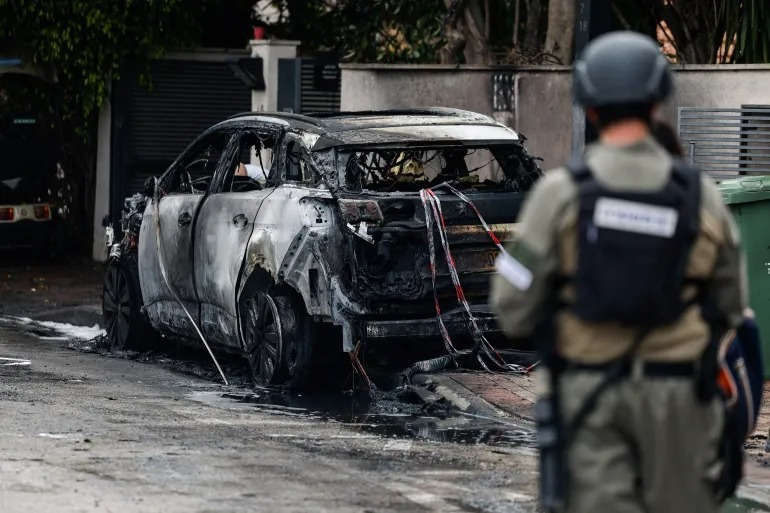
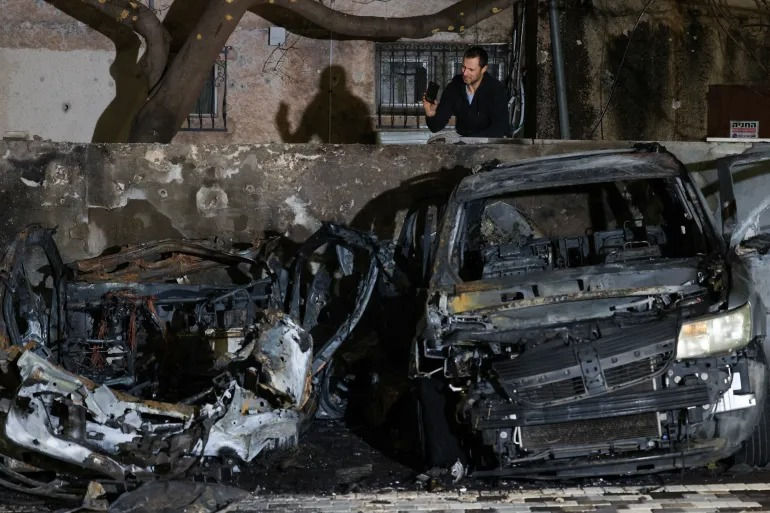
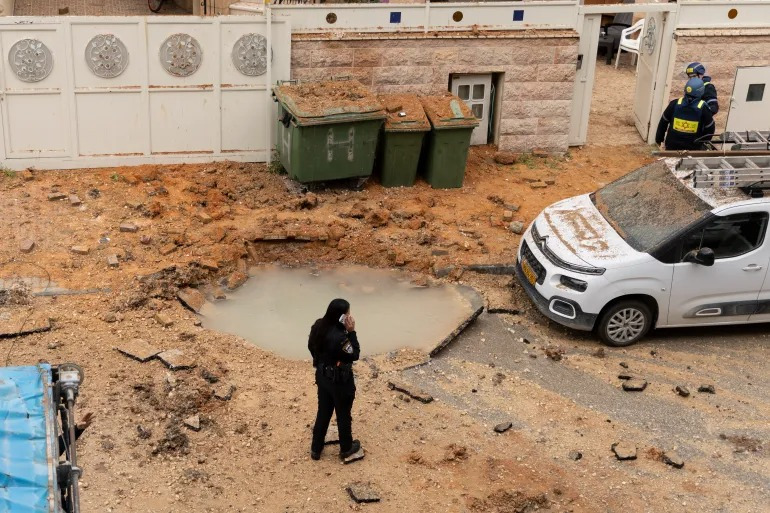
The Israeli Ministry of Health reports dozens of injuries in the latest wave of attacks. Meanwhile, visual footage captures another heavy barrage launched toward Haifa and Kiryat Shmona in northern Israel, according to the country's media.
Revolutionary Guards: Israeli frigates in Haifa turned to ash
Iran's IRGC claimed to have struck Israeli military vessels in the eastern Mediterranean and hit fuel tanks for fighter jets at the port of Haifa.
???? Iran’s IRGC claimed it struck Israeli military vessels in the eastern Mediterranean and hit fighter jet fuel tanks in the port of Haifa.
— Mario Nawfal (@MarioNawfal) March 26, 2026
They said they are “determined to powerfully target the source of all aggression.”
Source: Al Jazeera https://t.co/ojTxoGu5ts pic.twitter.com/m6OeZI5To1
They declared they are "determined to vigorously target the source of any aggression," according to the Al Jazeera network.
Massive explosion at King Salman base
Simultaneously, reports of explosions at the King Salman Air Base in Saudi Arabia are circulating today, linked to the ongoing conflict with Iran. Al Mayadeen and social media accounts claim the blasts were caused by a powerful missile strike.
? KING SALMAN BASE HAS BEEN ATTACKED!!!!
— Asad Nasir (@asadnasir2000) March 26, 2026
The Saudi Ministry of Defense announced that it intercepted 26 drones and 1 missile overnight, with no confirmed damage to the base. This appears to be an attempted large-scale ballistic missile attack; however, the extent of the consequences remains unclear from official sources. Nonetheless, local media and witnesses spoke of a massive explosion at the site of the Saudi airbase.
FT bombshell: Top Iranian missiles have yet to appear
Meanwhile, the Financial Times notes that Iran's most advanced missile systems have not yet made an appearance. Newer systems, such as the Qassem Basir and Fattah-2, have largely remained out of the conflict so far.
?? THE MISSILES IRAN ISN’T FIRING MAY MATTER MORE THAN THE ONES IT IS
— Mario Nawfal (@MarioNawfal) March 26, 2026
Despite the daily waves of strikes launched by Iran, its most advanced missiles are conspicuously absent.
The Qassem Basir, unveiled with theatrical bravado, has yet to appear.
The hypersonic-claimed… https://t.co/h9WQb3QLbs pic.twitter.com/2BgJ54n0vR
The prevailing sense is either that Tehran is holding its "strong card" for later... or that it realizes these weapons are not as effective as previously thought. However, the American publication notes that the former scenario is considered the most likely.
Israel strikes Pakistani embassy mediating between US and Iran
Intense bombardments also took place in Tehran, where the US-Israeli coalition targeted the Pakistani embassy, despite Islamabad's mediating role in indirect contacts between the US and Iran. Specifically, an aerial bombardment occurred near the Pakistani embassy and the ambassador's residence in Tehran.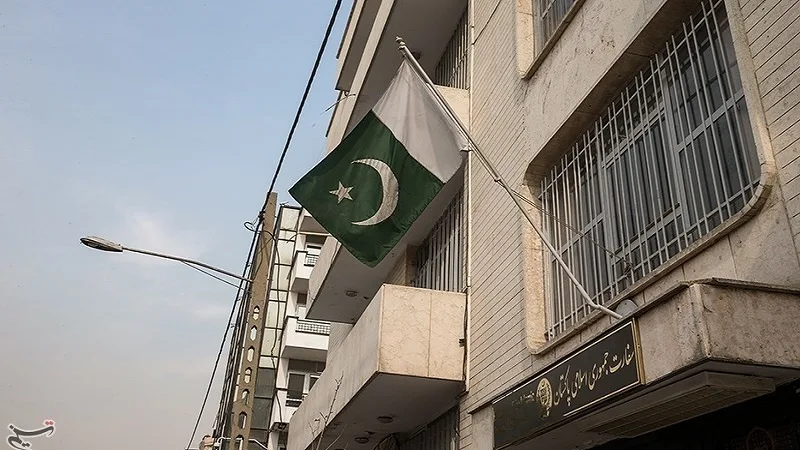
All Pakistani diplomats are safe, and no casualties or damage to the mission have been reported. The embassy is located near Iranian military facilities, which appear to be among the targets of intensified airstrikes and drone activity in the area.
One million Iranians mobilized - "Preparing a hell of historic proportions for the US"
Meanwhile, according to an informed military source, more than one million Iranian fighters have been organized for a ground battle with the United States.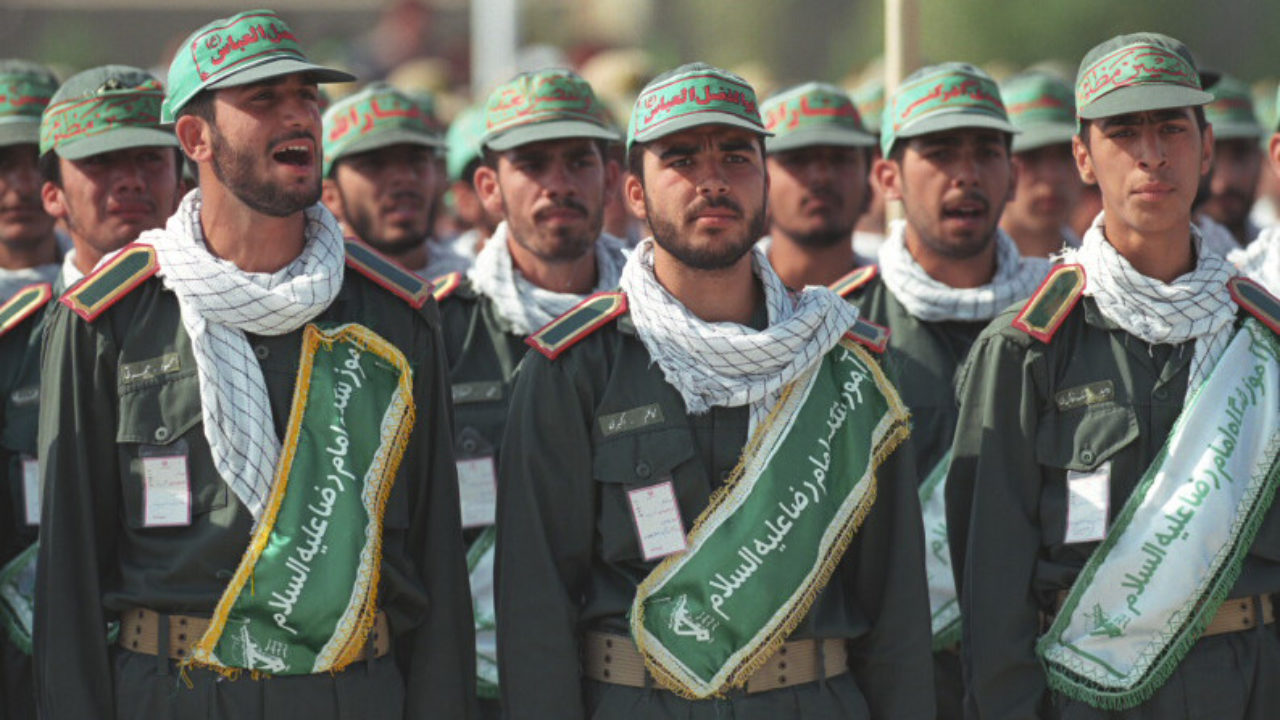
A military source told the Tasnim news agency: "With the outbreak of rumors about the possibility of an historic American folly of entering the battle on Iran's southern front by land, a wave of enthusiasm has formed among Iranian ground fighters to create an historic hell for the Americans on Iranian soil."
"Flood of youth overwhelms Revolutionary Guard centers"
The same source noted: "In addition to organizing more than one million people for the land battle, in recent days a massive volume of requests from Iranian youth has overwhelmed Basij, IRGC, and army centers, so that they too can participate in this fight."
The military source continued: "The US wants to open the strait through suicide and carnage; there is no problem, we are ready for them to implement their suicide strategy and for the strait to remain closed."
Trump calls for a truce - Unilaterally suspends strikes on Iranian energy infrastructure until April 6
Notably, on the evening of March 26, US President Donald Trump announced that, in response to a request from Iranian authorities, the destruction of energy facilities is suspended until 20:00 on Monday, April 6, 2026.
The American president also claimed that negotiations are underway and that, despite "misleading statements by the fake media," things are progressing very well. It is worth noting that Iran denies in every tone that it is participating in negotiations with the US, labeling American diplomatic moves as a fraud. It is evident that there was no request from Iranian authorities for a truce on energy strikes; therefore, Trump's decision is unilateral.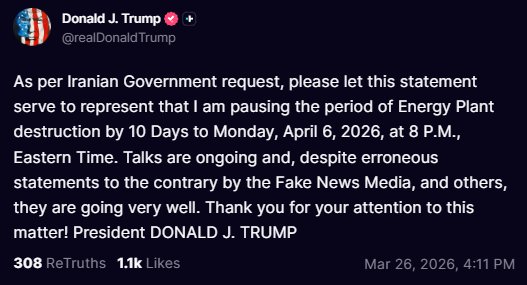
Unprecedented Hezbollah ambush in Southern Lebanon, 8 Israeli Merkava tanks destroyed
Dramatic developments are also emerging on the Lebanese front, where Hezbollah released details of a battle it described as "heroic" against the Israel Defense Forces (IDF) between the towns of Taybeh and Qantara, which, according to the group, resulted in the destruction of ten main battle tanks.
The fierce clash broke out on the evening of March 25 and continued through the night, though preparations had begun a day earlier, according to a statement from the organization.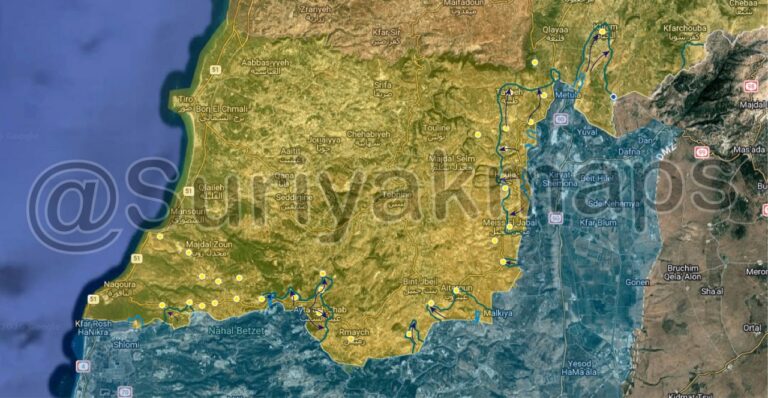
In the statement issued on March 26, Hezbollah claimed that the IDF sent a remote-controlled bulldozer—an armored Caterpillar D9—on March 24 to scout its positions between the Mhaysibat area in Taybeh and Qantara. The bulldozer was placed under surveillance and allowed to proceed in order to lure Israeli troops into an "ambush," the organization added.
The following evening, an Israeli armored formation advanced from Mhaysibat toward Qantara with the aim of capturing the town. When the vehicles entered the ambush zone, Hezbollah fighters launched guided missiles at the center of the formation, which consisted of four Merkava tanks and a D9 bulldozer, all of which were reportedly completely destroyed. It added that as a rear guard of four Merkava tanks attempted to deploy a smoke screen to hide their position, they were hit by guided missiles, resulting in the destruction of the tanks, which were seen engulfed in flames.
Artillery positions swept in Taybeh - IDF withdraws wounded toward Mhaysibat
At the same time, Hezbollah stated that its artillery units targeted Israeli command positions in the Taybeh project area, as well as other positions in the nearby towns of Rab Thalathin and Oudaiseh, in addition to reinforcements sent to evacuate the casualties.
According to the statement, a vanguard attempted to continue the advance toward the entrance of Qantara, but was met with direct missile fire. Hezbollah reported that a D9 bulldozer and two Merkava tanks were destroyed, forcing Israeli soldiers to abandon the remaining vehicles and withdraw on foot toward Mhaysibat while attempting to evacuate the wounded.
"The Mujahideen managed to overturn the enemy's maneuver and inflicted losses on its forces amounting to ten tanks and two D9 bulldozers," the organization concluded. The IDF did not immediately respond to Hezbollah's claims but admitted on March 26 that a soldier was killed during an exchange of fire with the group in southern Lebanon overnight. The soldier was a member of the Reconnaissance Unit of the elite Golani Brigade.
According to the military, another soldier was slightly injured in the same exchange. The army also reported that Golani forces managed to kill several Hezbollah fighters during the clash. Separately, the IDF announced that an officer was moderately injured by shrapnel as a result of fire from other Israeli forces during operations in southern Lebanon at night. They also claimed that 15 soldiers were transported to a hospital with suspected "hypothermia."
The latest casualties bring the number of Israeli soldiers killed—since Hezbollah resumed military operations following the start of the war against Iran more than three weeks ago—to three. Two Israeli civilians were also killed by the group's rocket fire. The IDF is currently working to expand its ground operations in southern Lebanon, Hezbollah's stronghold. Despite the organization's fierce resistance, they have made some territorial gains.
www.bankingnews.gr












Readers’ Comments