In the modern geopolitical competition of the Middle East, the conflict between Iran on one side and the United States with Israel on the other is not merely a military war.
It is a clash of two completely different strategic perceptions.
On the one side lies the western logic of attrition warfare, a strategy based on the destruction of military infrastructure and the exhaustion of the opponent’s warfighting capacity.
On the other side, Iran applies a strategy of deep endurance, resistance and patience, which aims not at immediate victory but at survival and ultimately political dominance.
The illusion of military superiority
Weeks after the start of the military campaign against Iran, the United States and Israel claim that they have significantly degraded Tehran’s offensive capabilities.
The air superiority of American and Israeli forces is presented as absolute, with thousands of missions carried out in 2025 and 2026 encountering minimal resistance in Iranian airspace.
Iran’s military infrastructure has suffered serious blows, however the image of a complete collapse of Iranian power constitutes an oversimplified narrative.
Despite the attacks, Iran retains the ability to selectively strike energy facilities, threaten critical radars and affect the security of international navigation.
The Pentagon characterizes these actions as “kamikaze tactics”, impressive but without long term strategic significance.
However, this assessment fails to understand the deeper nature of the Iranian strategy, admits The National Interest.
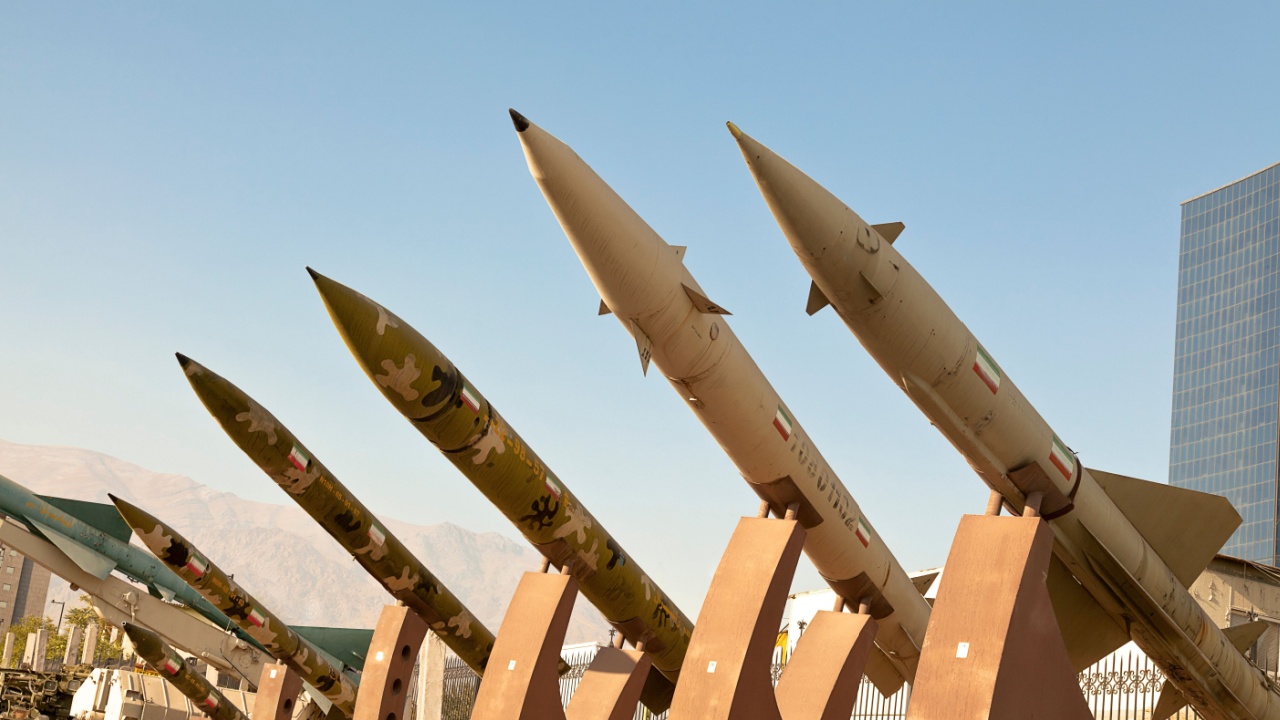
Attrition warfare versus exhaustion warfare
Washington and Tel Aviv are conducting a war of attrition.
Their goal is clear, the gradual destruction of Iran’s military infrastructure so that Tehran will ultimately be forced to surrender or accept peace terms.
This strategy is based on the assumption that an opponent who loses its warfighting capability will abandon the conflict.
However, Iran is waging a completely different war, a war of exhaustion.
Its main objective is not to defeat the United States or Israel militarily on the battlefield.
The goal is to absorb the blows, endure over time and wait until its opponents become politically, economically and socially exhausted.
In this model of war, endurance and political will are more important than military power.
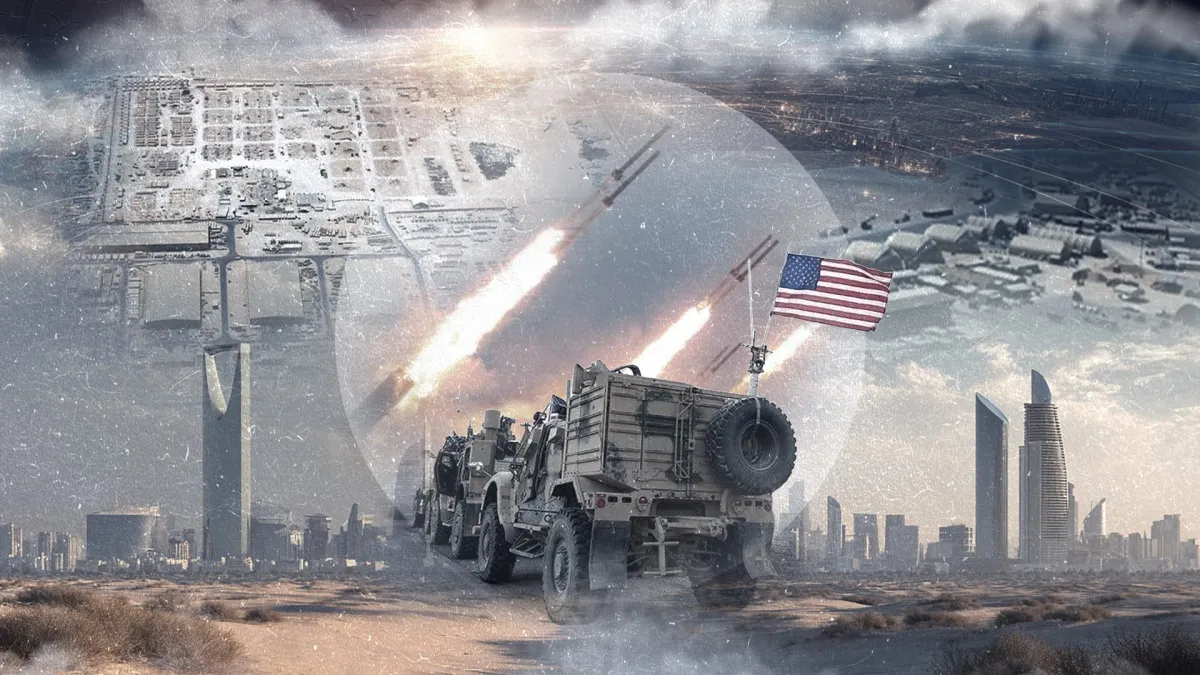
The warning of Carl von Clausewitz
The great military theorist Carl von Clausewitz had warned that the greatest responsibility of a leader is to correctly understand the nature of the war he is starting.
History shows how easily this principle can be ignored.
The United States faced the same reality in Vietnam and later in Afghanistan.
Despite overwhelming military power, their opponents managed to survive until American society lost its patience.
Iran appears to have carefully studied these historical examples.
The great theorist of war explained the importance of correctly understanding the nature of a war before actions are undertaken.
In other words, he argued that a political or military leader must clearly determine what kind of war he is waging, the scale, the purpose and its character, so that strategy, tactics and political decisions align with reality.
The attempt to treat a limited or defensive war as if it were total, or the opposite, may lead to strategic error and catastrophic consequences.
Iran realized in time that time was working in its favor and exploited it to the fullest.
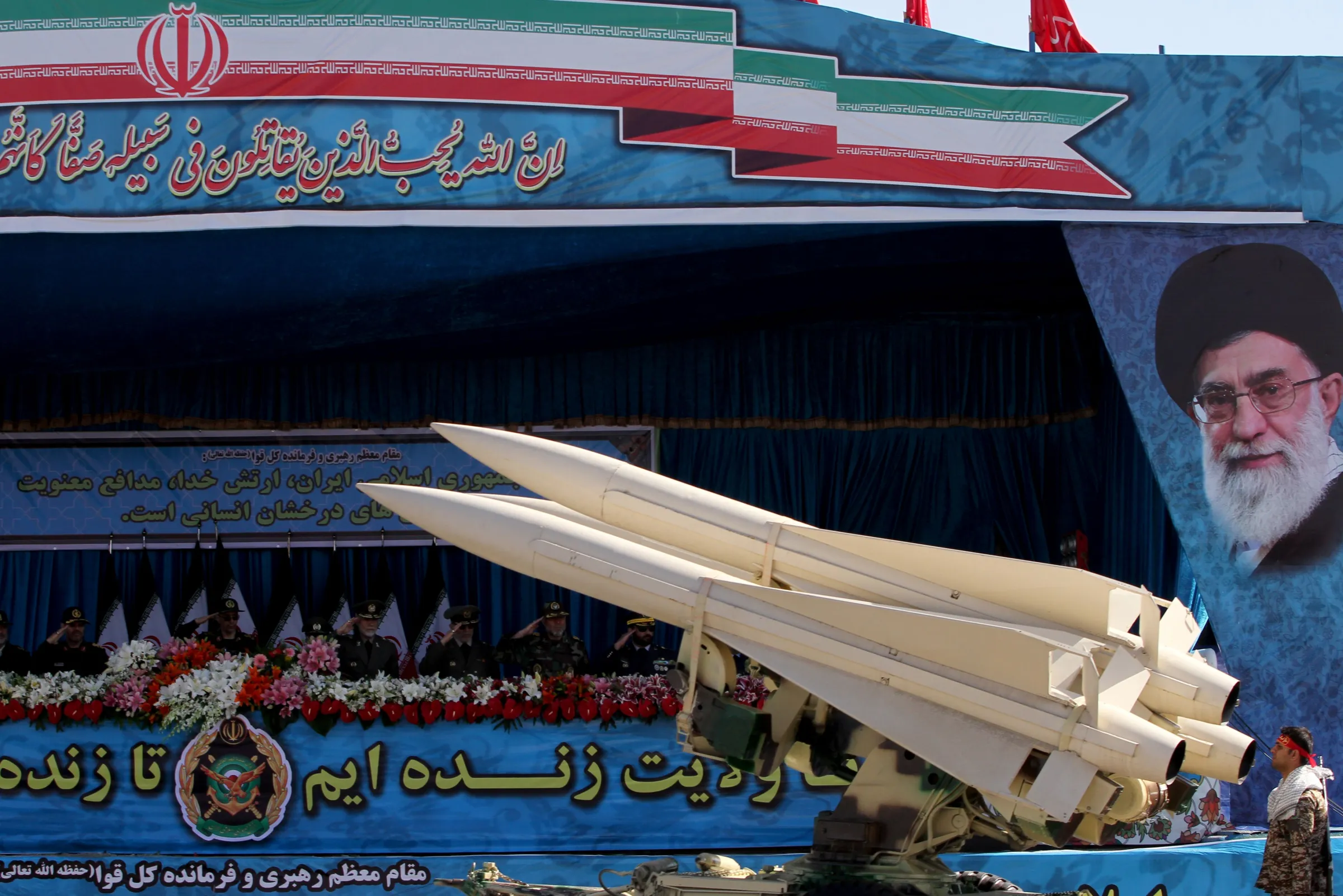
The concept of resistance - Muqawamat
The first foundation of the Iranian strategy is the concept of muqawamat, that is, resistance.
A characteristic example appeared in 2006 when Israeli air raids destroyed large parts of the suburbs of Beirut controlled by Hezbollah.
The infrastructure of southern Lebanon was leveled and many areas were turned into ruins.
However, shortly after the announcement of the ceasefire, hundreds of thousands of residents gathered in the destroyed suburbs of the city in an event called the “Divine Victory Rally”.
Instead of being considered a defeat, the destruction was transformed into a symbol of sacrifice and resistance.
The dead were honored as martyrs and the survivors were characterized as Muqawimun, that is “those who resist”.
For this specific strategy, material ruins do not have the same importance as morale and political will.
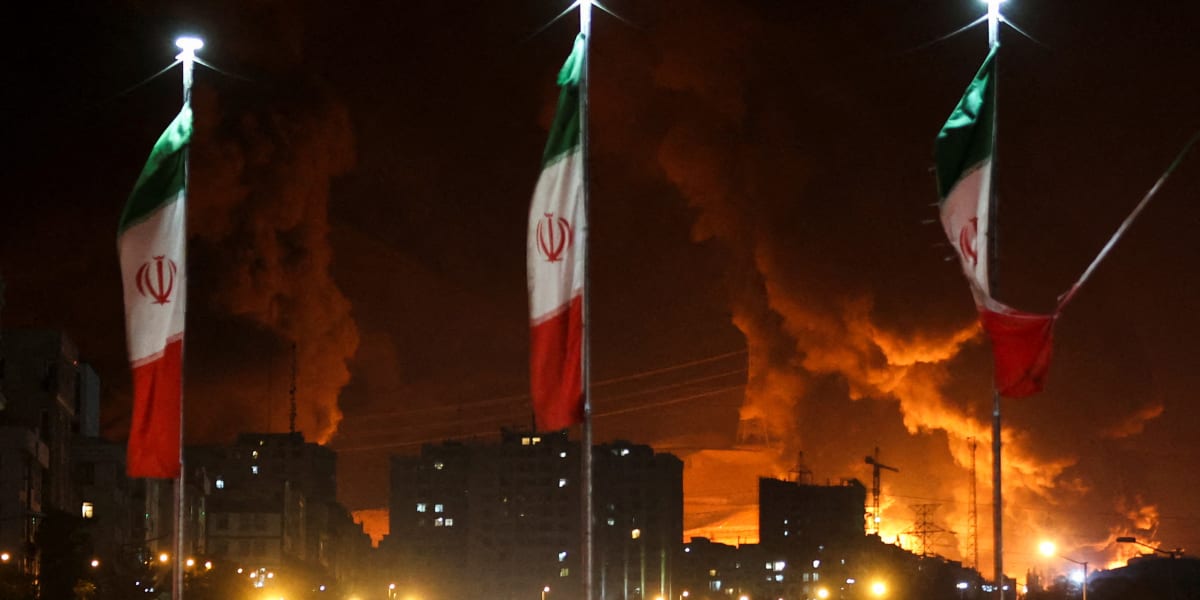
The power of patience - Sabr - “You have the clocks. We have the time”
The second element is the concept of sabr, that is, patience.
This concept is not only temporal but also spiritual.
In the Iranian strategic culture, patience constitutes a tool of war.
The statements of the government of Donald Trump reveal exactly this weakness of western strategy.
The United States Secretary of Defense Pete Hegseth, known critic of “endless wars”, often speaks about the need to end the conflict within a few weeks.
However, this is exactly Tehran’s advantage.
American society has already become tired of prolonged conflicts in Iraq and Afghanistan.
With the upcoming elections for the Congress and political pressure within the United States, Iran knows that time can work in its favor.
As the Taliban used to say to American soldiers, “You have the clocks. We have the time.”
The economic war and the global energy market
The strategy of exhaustion is not limited only to the military field.
It also includes the economic dimension.
The war with Iran has significant cost both in economic resources and in stocks of advanced weapons.
Stocks of guided munitions are not unlimited, while their production requires time.
Every bomb used in the conflict reduces the reserves of the United States and Israel, at a time when the same countries face parallel challenges on other fronts such as Ukraine or Taiwan.
At the same time, the global oil market constitutes a powerful geopolitical weapon.
The Iranian Foreign Minister Abbas Araghchi stated that the increase in oil prices constitutes proof that Iran is not going to back down.
According to him, western governments are more concerned about energy instability than about the defeat of Iran itself.
The strategy of the new leader
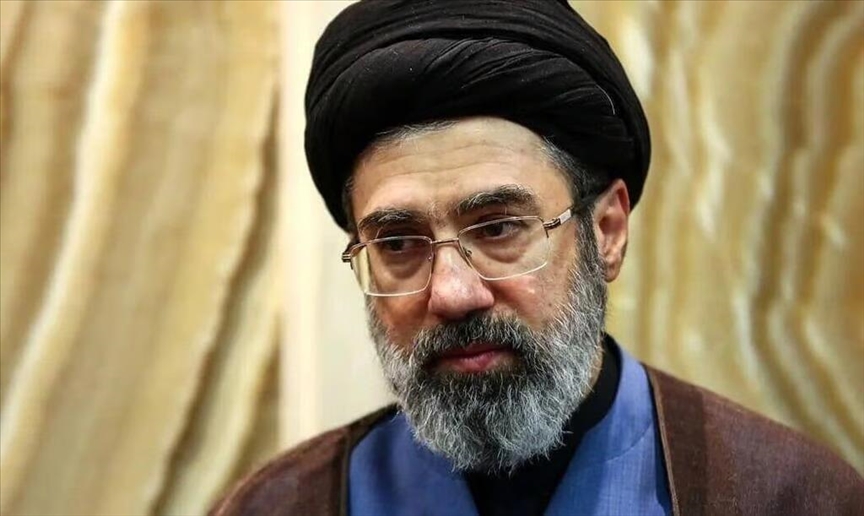
The expectations of some western analysts that the new supreme leader Mojtaba Khamenei would follow a more conciliatory policy were quickly disproven.
In his first public statement, he made it clear that Iran will continue its “effective defense” until the enemy regrets it.
At the same time, he emphasized that the tool of blocking the Straits of Hormuz will remain available as a strategic lever of pressure.
From the “Axis of Evil” to the “Axis of Resistance”
In 2002 the then president of the United States George Bush characterized Iran as part of the “Axis of Evil”.
Tehran responded by adopting the term “Axis of Resistance, describing the network of allies and organizations that extends in Syria, Lebanon, Iraq, Gaza and Yemen.
The concept of resistance is not merely a slogan. It constitutes a comprehensive strategy used by Iranian officials such as Foreign Minister Abbas Araghchi and the assassinated secretary of the National Security Council Ali Larijani to describe the philosophy of the conflict.
The strategic deadlock of the West
As the United States continues to spend enormous economic and military resources, it becomes increasingly clear that the strategy of attrition may lead to a strategic deadlock.
A war of attrition against an opponent that fights with a strategy of exhaustion is likely to result in prolongation of the conflict without a clear victory.
For Iran, victory does not necessarily mean military dominance.
It means to survive, to endure and to prove that even against the most powerful military forces in the world it can continue to resist.
And in this war, persistence may prove stronger than the power of weapons.
www.bankingnews.gr










Readers’ Comments