

As the war in the wider Middle East enters its fourth week, the signals emanating from the US remain extremely contradictory. President Trump has presented a 15-point proposal for a potential deal while simultaneously preparing to deploy at least 2,000 elite American Marines to the region, with the scenario anticipating a ground invasion… These are two moves that, if nothing else, demonstrate confusion. On one hand, there is a displayed willingness for negotiations and talks for an immediate agreement, and on the other, a plan is promoted that leads with mathematical precision to slaughter, carnage, and a bloody extension of the war for months. Facing this policy, Iran appears particularly skeptical, with high-ranking officials of the Iranian regime publicly stating that no one can trust US diplomacy. At the same time, Iranian forces continue to deliver terrifying military blows to Israel and American targets in the Gulf region, while maintaining full control over the Strait of Hormuz… signaling that energy prices will not return to pre-war levels if Iran's positions are not accepted. Israel continues to strike Tehran and Beirut, continuing the ground invasion in southern Lebanon, which it threatens to turn into Gaza.
Iran: New strike on USS Abraham Lincoln - "We are monitoring it constantly"
The Iranian military reported that its armed forces targeted the USS Abraham Lincoln carrier strike group with cruise missiles.
According to Iranian Army's Public Relations, cruise missiles launched from the coast toward the sea successfully struck the USS Abraham Lincoln. pic.twitter.com/dbstqUyFAI
— IRNA News Agency ☫ (@IrnaEnglish) March 25, 2026
At the same time, the commander of the Iranian Navy, Shahram Irani, emphasized that the Iranian Navy maintains firm and effective control over the Strait of Hormuz and the Gulf. He added that the military is constantly monitoring the movements of the USS Abraham Lincoln and that as soon as it enters the firing range of Iran's missile systems, it will face decisive strikes from the Naval Forces of the Iranian Army.
Al Jazeera: Iran's new missiles raise questions about Israel's air defense
The Al Jazeera network, in an analysis of Iran's new missile strategy to paralyze Israel's defense systems, highlighted the entry of new Iranian missiles into the war. According to the report, the use of these missiles elevates the conflict to a more complex level and raises questions about the effectiveness of Israel's air defense systems. The analysis suggests that the latest wave of Iranian missile attacks revealed unconventional attack patterns. Israeli media reported that a missile targeting Tel Aviv separated into four sections of approximately 100 kg each, scattering fragments in various locations and causing extensive damage. Military analyst Abd al-Qader Aradeh explained that the notable element is not just the intensity of the attacks, but the nature of the weapons, specifically designed to overcome defense systems through complex dispersal techniques. Israel had tested the David’s Sling air defense system weeks before the war, but real combat conditions showed gaps between theoretical training and application under the pressure of simultaneous attacks. Recent attacks by Iran show extensive coordination, targeting critical areas such as Dimona and Eilat, while simultaneously hitting densely populated areas of Tel Aviv. The simultaneous launch of dozens of missiles from southern Lebanon toward Haifa and western Galilee by Hezbollah is part of a systematic effort to overcome Israeli air defenses by opening multiple fronts, making interception difficult. Nidal Abu Zaid, a military and strategic analyst, stated that Iran follows a geographic distribution of targets, focusing its strategic weight on southern Israel, where critical facilities like the Dimona reactor and intelligence and communications centers are located. Abu Zaid emphasized the difference between a missile barrage and dispersal missiles: the latter possess a few warheads that separate in the air and attack multiple targets simultaneously, misleading air defense systems. The warheads initially appear as a single globe of light, making it difficult to identify the actual target. The Israeli system, in addition to the American THAAD, relies on the integration of three main layers: Iron Dome, David’s Sling, and Arrow (Hets). However, the Iranian strategy of "saturation fire" with the simultaneous launch of advanced missiles from different fronts poses serious challenges. Coordination with Hezbollah falls under the "command and control" principle, using the Lebanese front to launch medium-range missiles, creating cover for advanced Iranian missiles to penetrate Israeli defenses and strike their targets.
NEW:
— Megatron (@Megatron_ron) March 23, 2026
???? Iranian attack on Tel Aviv with a missile carrying a swarm of submunitions last night
No sign of significant air defense activity from Israel
Seems like it switched to "missile conservation mode"@MyLordBebo pic.twitter.com/HAfQATnsLs
Revolutionary Guards dismantle Tel Aviv, Safed, and US bases
At the same time, the Revolutionary Guards continue to sweep through Israel. In an announcement regarding the 80th wave of their operation, the Guards announced that strategic points and military centers in northern Israel received heavy and continuous attacks with missiles and aerospace weapons. The operation targeted the IDF military command in the northern city of Safed, which is responsible for the command and deployment of forces on Israel's northern border. This operation marks the beginning of a series of predetermined IRGC operations against Israel, where concentrated forces in the north and the Gaza zone will face attacks with missiles and drones without inhibition. Additionally, targets in central Israel, such as Tel Aviv, Kiryat Shmona, Bnei Brak, and US military bases in Ali Al-Salem, Arifjan, Al-Azraq, and Sheikh Isa, were hit by liquid and solid fuel systems, precision weapons, and destructive drones. "The operation continues..." the Revolutionary Guards pointed out.
Resounding intervention from China to Iran: Start negotiations as soon as possible
Chinese Foreign Minister Wang Yi urged his Iranian counterpart to "start peace talks as soon as possible" during a phone call yesterday, Tuesday, March 24. The communication, according to Beijing, took place at Tehran's request. US President Donald Trump has stated that Vice President JD Vance, Secretary of State Marco Rubio, and other leaders are heading the negotiations with Iran. An Iranian source told CNN on Tuesday that Tehran is willing to listen to "viable" proposals for ending the war. During the phone conversation with Iranian Foreign Minister Abbas Araghchi, Wang Yi emphasized that negotiations are "in the interest of the Iranian nation and its people and also respond to the general desire of the international community." "All parties" should "seize every opportunity and window for peace and start peace talks as soon as possible," said Wang Yi, according to the press release published by the Chinese Ministry of Foreign Affairs. China has been calling for an end to hostilities for weeks and condemned the US and Israeli attacks on Iran. Meanwhile, it called on "all parties" to support a ceasefire and condemned "all indiscriminate attacks against civilians and non-military targets," without, however, explicitly condemning the Iranian military response.
Associated Press: Iran has received the US 15-point proposal
Iran has received the US 15-point proposal for resolving the crisis, reports the Associated Press. Sources from the agency in Pakistan specified that the plan includes: • Lifting of sanctions against Iran • Cooperation in the field of peaceful nuclear energy • Scaling back the Iranian nuclear program • Inspection of Iranian facilities by the IAEA • Ensuring navigation through the Strait of Hormuz • Restrictions on the missile program The American side stated that in recent days there have been contacts between the US and Iran through mediators, including Pakistan. However, Tehran categorically denies US statements that productive negotiations are taking place.
Axios: US attacks on Iran will continue for another 2 to 3 weeks
The American military intends to continue attacks on Iranian territory for at least another two to three weeks, even if direct talks take place between the US and Iran, reports Axios, citing sources. According to the news outlet, the White House is creating conditions for a diplomatic resolution of the conflict, while simultaneously increasing military pressure and preparing forces for a potential ground invasion.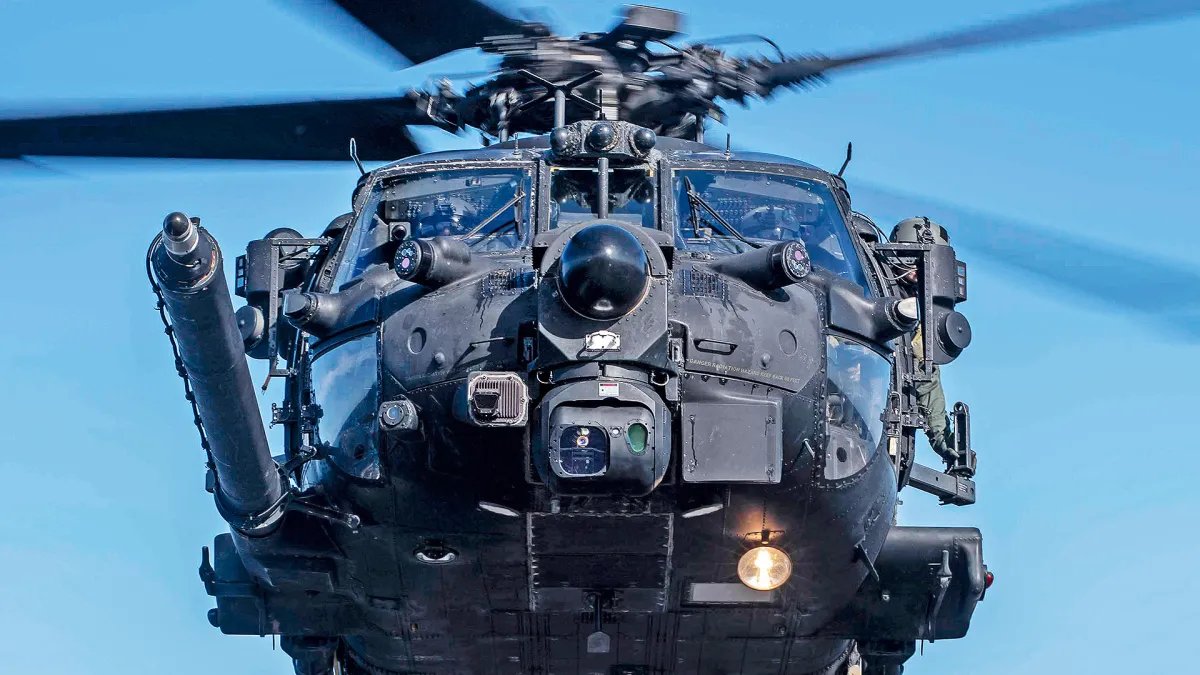
Trump sends 2,000 American Marines
Approximately 1,000 American soldiers from the 82nd Airborne Division of the US Army are expected to be deployed in the coming days to the Middle East, according to two sources familiar with the matter reported by CNN, while the New York Times speaks of sending at least 2,000 soldiers from paratrooper units. According to the New York Times, it is not known where they will be stationed, but they will be a short distance from Iran. These moves strengthen the military presence of the United States in the region, at a time when the Donald Trump administration states it is in talks with Iran to end the conflict. The military detachment from the 82nd Airborne Division includes Major General Brandon Tegtmeier as well as division staff personnel. Simultaneously, a battalion of the 1st Brigade Combat Team will be deployed, which currently operates as the division's Immediate Response Force (IRF), according to the same sources. The first elements of the staff and the battalion are expected to start their deployment within the next week. Additional brigade units may be deployed at a later stage, although these plans may change depending on the evolution of the situation.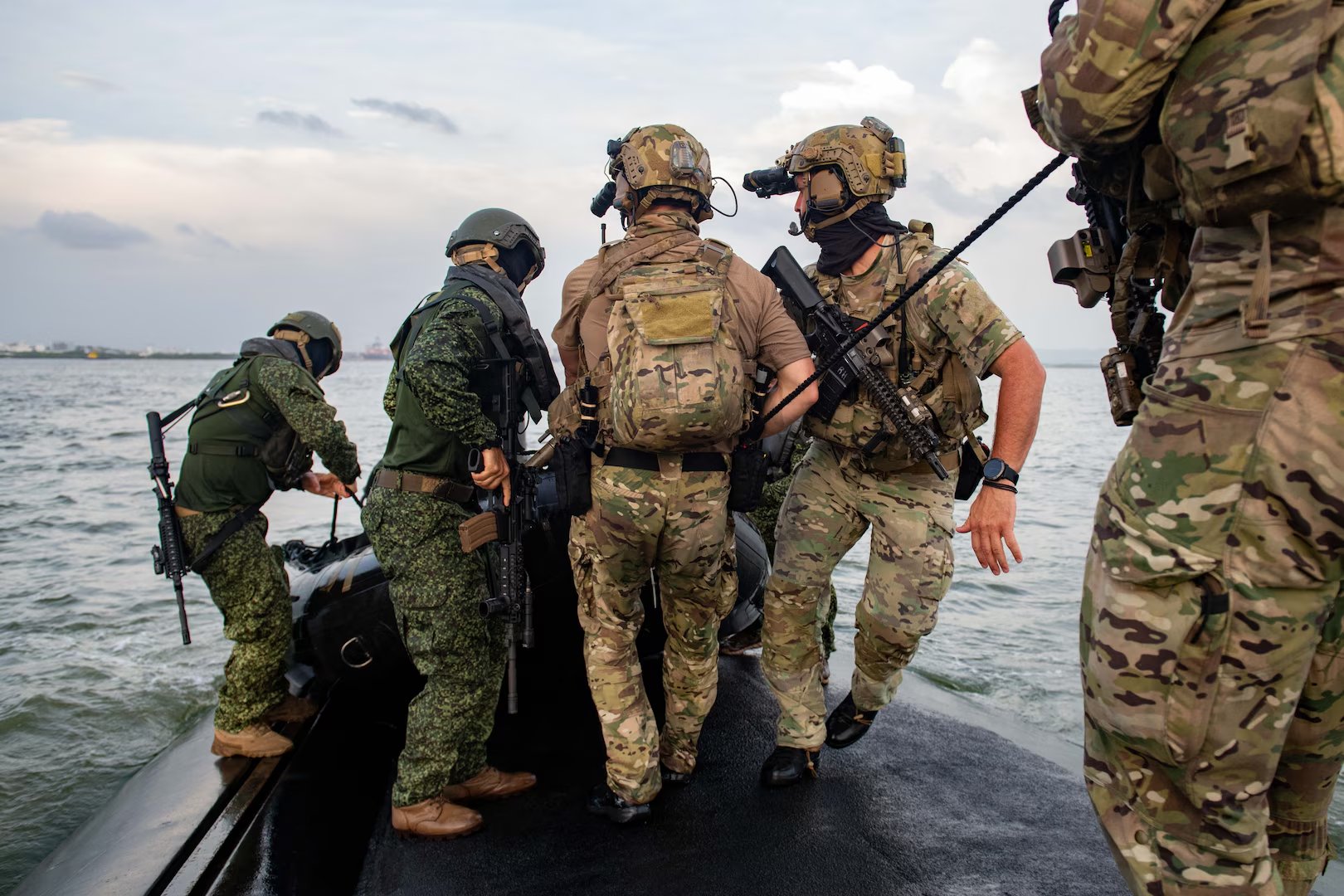
The role of the 82nd Airborne Division
The brigade will function as a "readiness unit" in the Middle East, ready to deploy immediately if needed. The 82nd Airborne Division had carried out a similar deployment in 2020, following the assassination of Iranian commander Qasem Soleimani. The Immediate Response Force (IRF) is a brigade that can be mobilized with very little notice, functioning as a rapid intervention force capable of deploying within hours. The role of the IRF is periodically transferred between different brigade groups of the US Army. According to one of the sources, no official deployment orders have been issued so far, however, this is expected to happen immediately.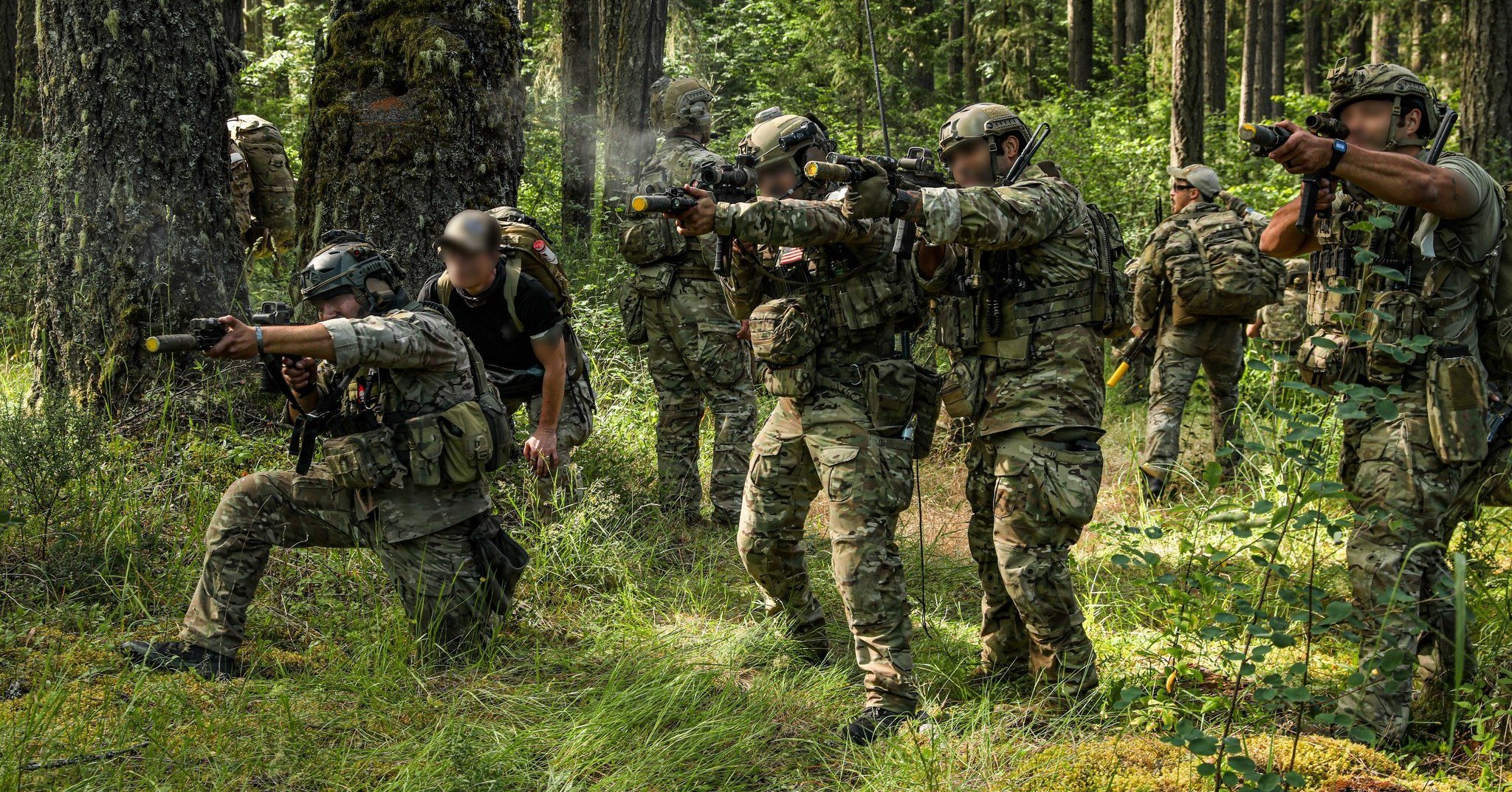
Thousands of soldiers are being transferred
However, beyond the forces of the 82nd Airborne Division, information indicates that thousands of additional American soldiers are heading to the region. Two Marine units and corresponding amphibious unit groups have also been recently deployed to the Middle East, significantly strengthening the military power and operational options of the United States. According to CNN, the 11th Marine Expeditionary Unit and the Boxer Amphibious Ready Group accelerated their scheduled deployment and were redirected from the Indo-Pacific toward the Middle East, where the 31st Marine Expeditionary Unit and the Tripoli Amphibious Ready Group are already deployed. The ARG-MEU formations carry approximately 4,500 Marines and sailors and possess significant operational capabilities beyond ground operations, including strong aviation and logistical support assets.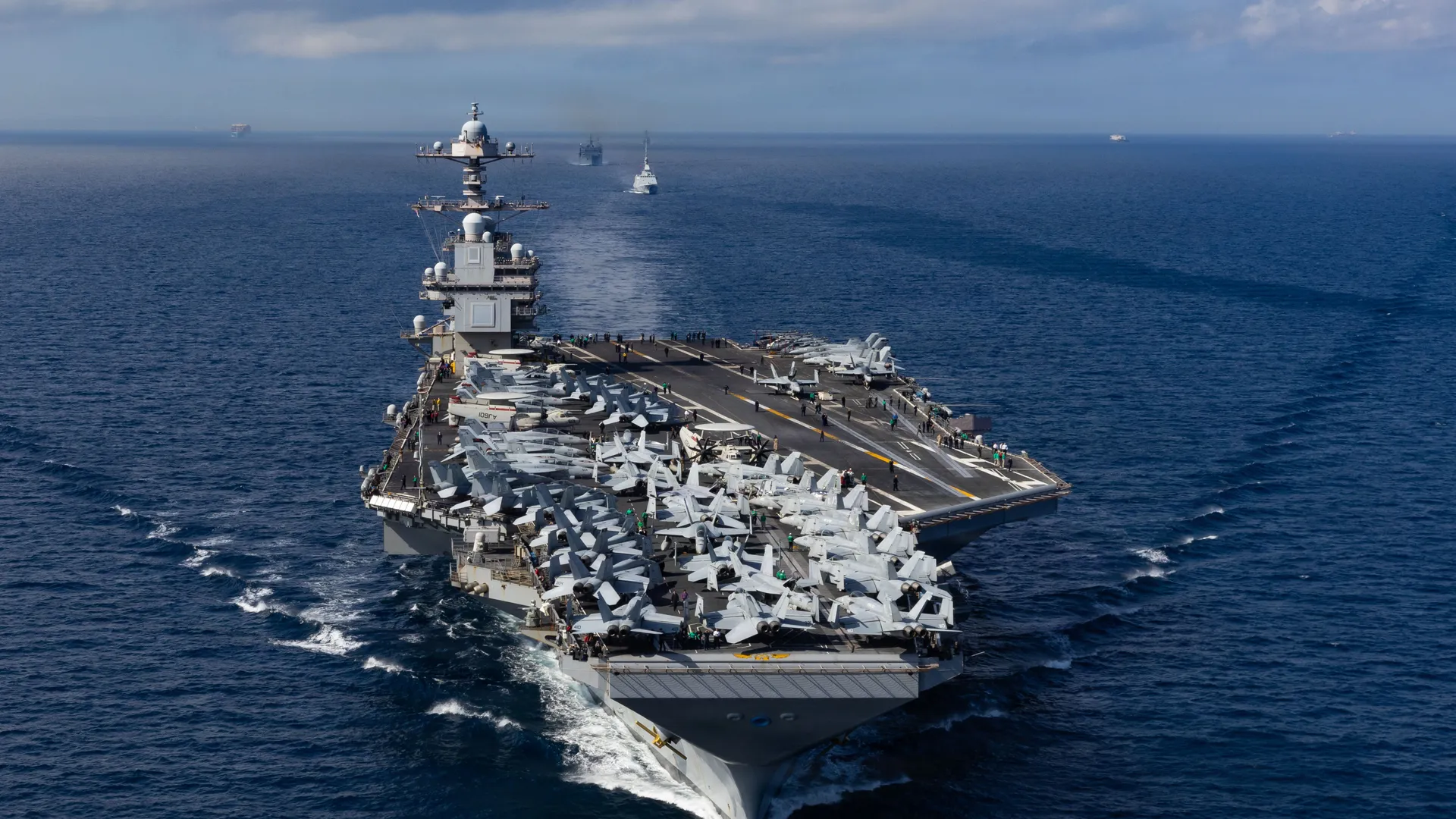
The 15-point proposal
Trump claimed that the US and Iran have reached 15 points of agreement within the framework of talks to end the conflict, adding that Tehran "would very much like" to reach an agreement. Among other things in this proposal, Iran is called upon to dismantle its nuclear capabilities, commit to never seeking nuclear weapons, hand over to the IAEA the stockpile of approximately 450 kg of uranium enriched to 60% on an agreed schedule, dismantle its nuclear facilities, restrict its missile program, open the Strait of Hormuz, and in return, the sanctions imposed by the international community will be fully lifted. Information indicates that US Vice President JD Vance and Secretary of State Marco Rubio are expected to lead any negotiations with Iran, with Pakistan—which has close cultural ties with Iran—suggested as a potential venue. However, Tehran has not yet agreed to talks and, so far, messages have only been conveyed through intermediaries. Iran had previously denied that any dialogue is taking place with the US, however, an Iranian source told CNN that there is "communication" between the two countries and that Tehran is willing to consider "viable" proposals for ending the war.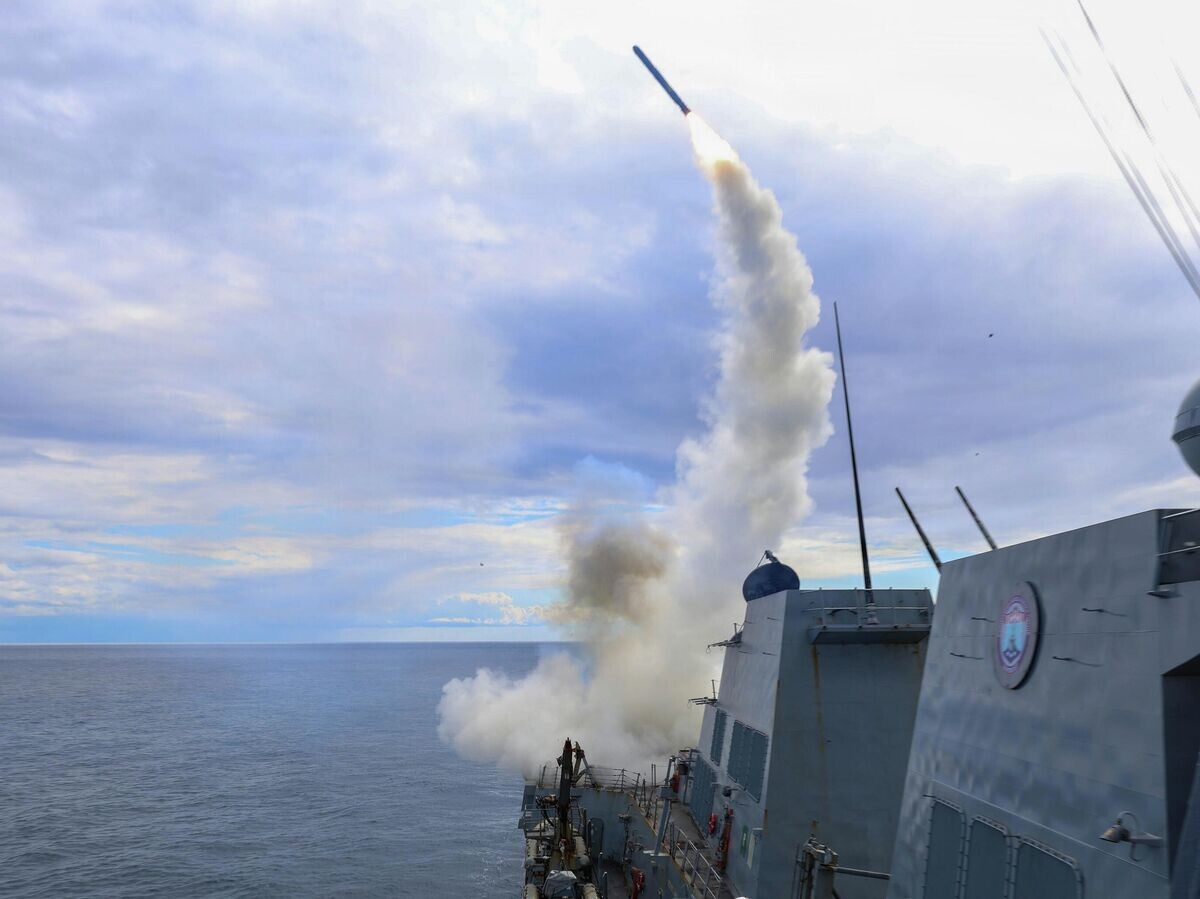
Esmail Baghaei (Iran): No one can trust US diplomacy
However, official messages from Tehran do not share this optimism. In statements, Esmail Baghaei, spokesperson for the Iranian Foreign Ministry, emphasized that Iran is not negotiating with the US and that the regime maintains reservations about American intentions. "There are no negotiations between Iran and the US, just as there haven't been throughout these 25 days since the beginning of the illegal war against Iran," said Baghaei. "Can anyone believe that their claims about diplomacy or mediation are credible when they started this war and continue to attack us?" stated Baghaei, adding: "No one can trust US diplomacy." "We have a catastrophic experience with US diplomacy. They attacked us twice within nine months while we were in the process of negotiations on the nuclear issue. This was a betrayal of diplomacy… and it happened not once but twice," Baghaei underlined, emphasizing that Iran's Foreign Minister, Abbas Araghchi, is "responsible for Iran's diplomacy and executes this role." Regarding reports that the US may be seeking negotiations with the Speaker of the Iranian Parliament Mohammad Bagher Ghalibaf, Tehran immediately ruled it out. "The Speaker of Parliament, Mr. Ghalibaf, is a high-profile politician who operates within the duties and powers provided by the Constitution. The distribution of tasks among our authorities is clear and transparent," said Baghaei.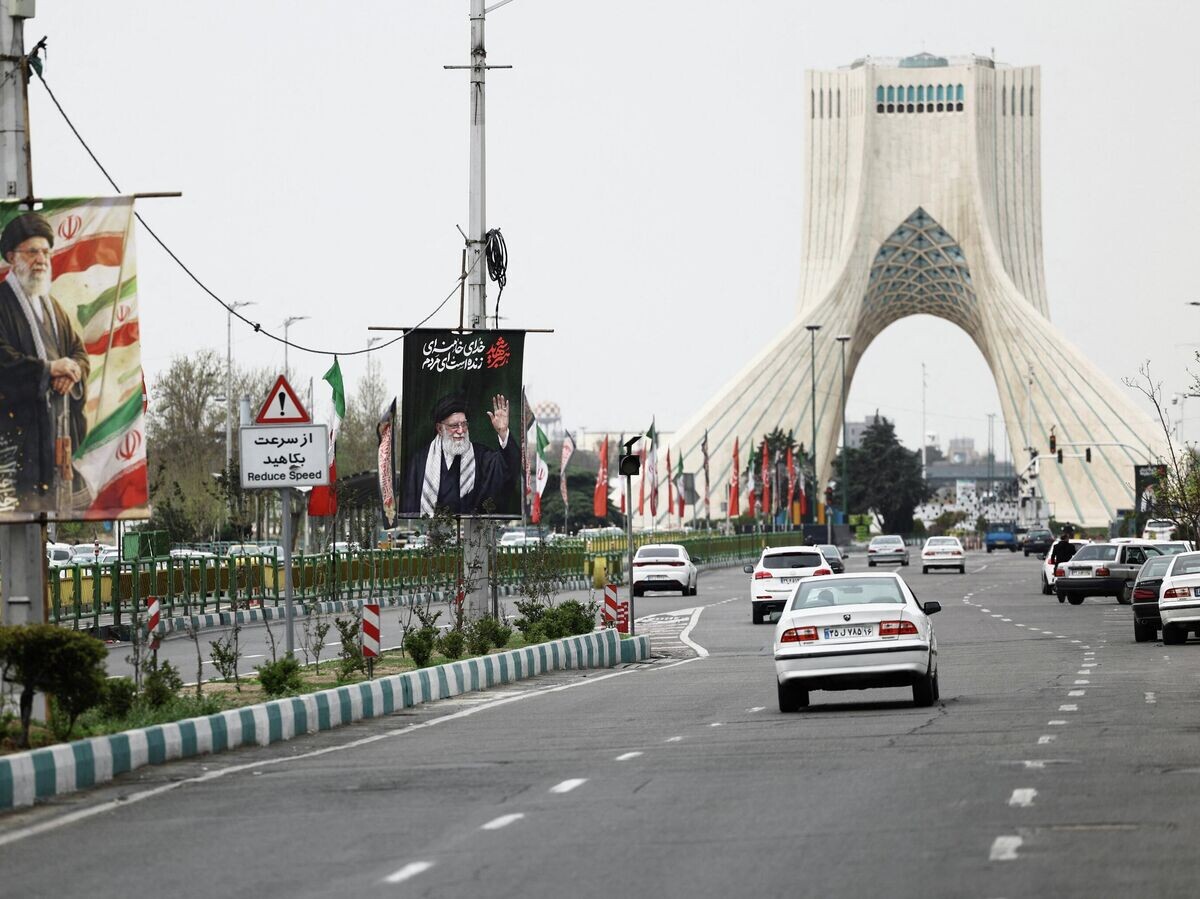
Ebrahim Zolfaqari (Iranian military): The US is negotiating with itself…
Ebrahim Zolfaqari, spokesperson for the Khatam al-Anbiya Joint Staff of the Iranian Armed Forces, argued that the United States is negotiating with itself. The sharp statement came a day after US President Donald Trump said that Tehran wants to reach a deal to end the war in the Middle East. "Has the level of your internal struggle reached the point where you are negotiating with yourself?" asks Ebrahim Zolfaqari. "People like us can never get along with people like you," states Zolfaqari, emphasizing that American investments and energy prices from before the war will not return as long as Washington does not accept that stability in the region is ensured by the Iranian Armed Forces. As he said, Tehran will agree to negotiations only when the US stops hostile actions against the Iranian people..., arguing that the US strategic power, of which Trump spoke, has turned into a strategic failure... "The one who claims to be a global superpower would have already escaped this trap if they could," stated Zolfaqari.
Wall Street Journal: Iran's terms
Although Iran categorically denies any negotiation with the US, the Wall Street Journal reports that Tehran has set strict conditions for returning to ceasefire talks. According to the publication, Iran demands the closure of all US military bases in the Gulf, secure guarantees against future attacks, an immediate end to Israeli raids against Hezbollah, full lifting of all sanctions with binding economic guarantees, massive war reparations, no restrictions on Iran's missile program, and that ships pay fees to Iran for transit through the Strait of Hormuz. An American official described the demands as "ridiculous and unrealistic."
Grossi (IAEA): US-Iran negotiations can take place in Pakistan on 28-29/3
Negotiations between the US and Iran may take place next weekend in Islamabad, Pakistan, argued IAEA director Rafael Grossi. "I believe the negotiations may take place this weekend in Islamabad, Pakistan," said Grossi in an interview with the newspaper Corriere della Sera. "I assume that this time the talks will be broader and will not only concern nuclear energy, which caused the start of the conflict. This year's agenda will also include missiles, militias, allies of the Islamic Republic, and security guarantees for Iran," added Grossi.
Revolutionary Guards dismantle Tel Aviv, Safed, and US bases
At the same time, the Revolutionary Guards continue to sweep across Israel. In their announcement regarding the 80th wave of their operation, the Guards announced that strategic points and military centers in Israel's northern territories came under heavy and continuous attack with missiles and aerospace weapons. The operation targeted the IDF military command in the northern city of Safed, which is responsible for the command and use of forces on Israel's northern border. This operation constitutes the beginning of a series of predetermined IRGC operations against Israel, where concentrated forces in the north and in the Gaza zone will face attacks with missiles and drones without any inhibition. Additionally, targets in the center of Israel, such as Tel Aviv, Kiryat Shmona, Bnei Brak, and US military bases in Ali Al-Salem, Arifjan, Al-Azraq, and Sheikh Isa, were hit by liquid and solid fuel systems, precision weapons, and destructive drones. "The operation continues…" point out the Revolutionary Guards.
Iranian ballistics swept Mossad headquarters and Israeli camps in Ramat Gan and Negev
Specifically, Iranian officials stated that the 79th wave of retaliation under Operation True Promise 4 was successfully carried out on Tuesday, March 24. The IRGC announced that powerful missiles, including the Khaybar-shekan, Emad, and Sejjil, as well as destructive drones from the IRGC Aerospace Force, "successfully penetrated the multi-layered air defense of the Zionist regime." Targets were the considered safe positions of the Israeli intelligence services in northern and central Tel Aviv, the commercial centers and support centers of the Israeli military in Ramat Gan and Negev, as well as the main logistical center and southern military command of the Israeli regime in Be'er Sheva.
The new Iranian precision missile shocked Israel
It is highlighted that Iran struck Tel Aviv on Tuesday 24/3 with a missile carrying a 100 kg warhead, a type of ammunition that had not appeared before in this conflict. Its size is about half that of Iran's typical single warhead (~235 kg), but much larger than the cluster munitions that Tehran regularly launches against the city. Tuesday's strike was not an ordinary operation, as a missile with a 100 kg warhead was used, appearing for the first time on the battlefield. Although it falls short in weight compared to the heavy 235 kg single warheads that are Iran's trademark, its power is overwhelmingly greater than the cluster bombs hitting the city until today. This move is interpreted by analysts as an attempt by Tehran to find the "golden mean" between precision and destructive power, increasing the pressure on Israeli air defense.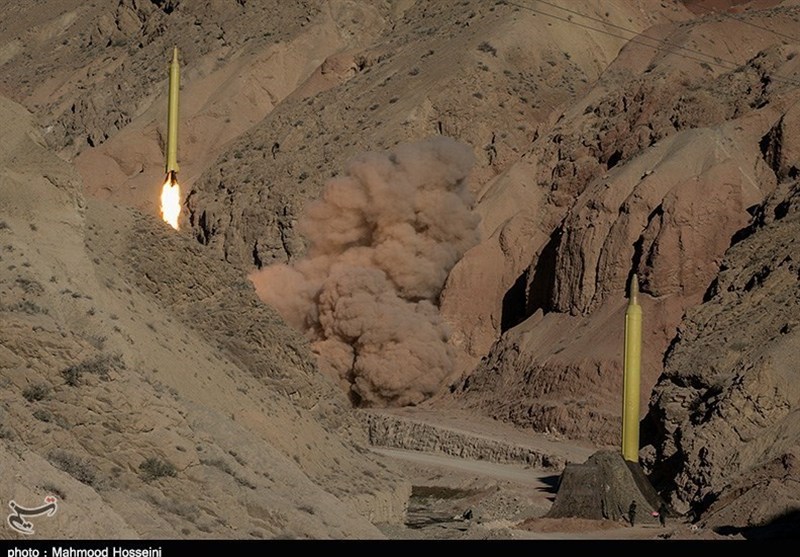
Chris Murphy (US Senator): Trump has no plan for Hormuz
US Senator Chris Murphy, referring to the closure of the Strait of Hormuz, stated that President Donald Trump "did not and does not have a plan" for dealing with the crisis. Murphy, head of the Democrats in the US Senate, criticized Trump's stance regarding the war with Iran. As he stated, "Trump's disastrous war with Iran began four weeks ago and the Strait of Hormuz remains closed." He emphasized that this development was fully predictable, yet Trump had no plan to deal with the crisis—and still does not. Murphy also underlined that the American president did not present a clear mechanism for managing the situation from the beginning, while so far he has not proposed a specific solution. Simultaneously, he referred to the economic consequences of the crisis. As he said, big oil companies will not be particularly affected by the price increase, but for ordinary citizens, the situation means greater economic pressure and more difficulties.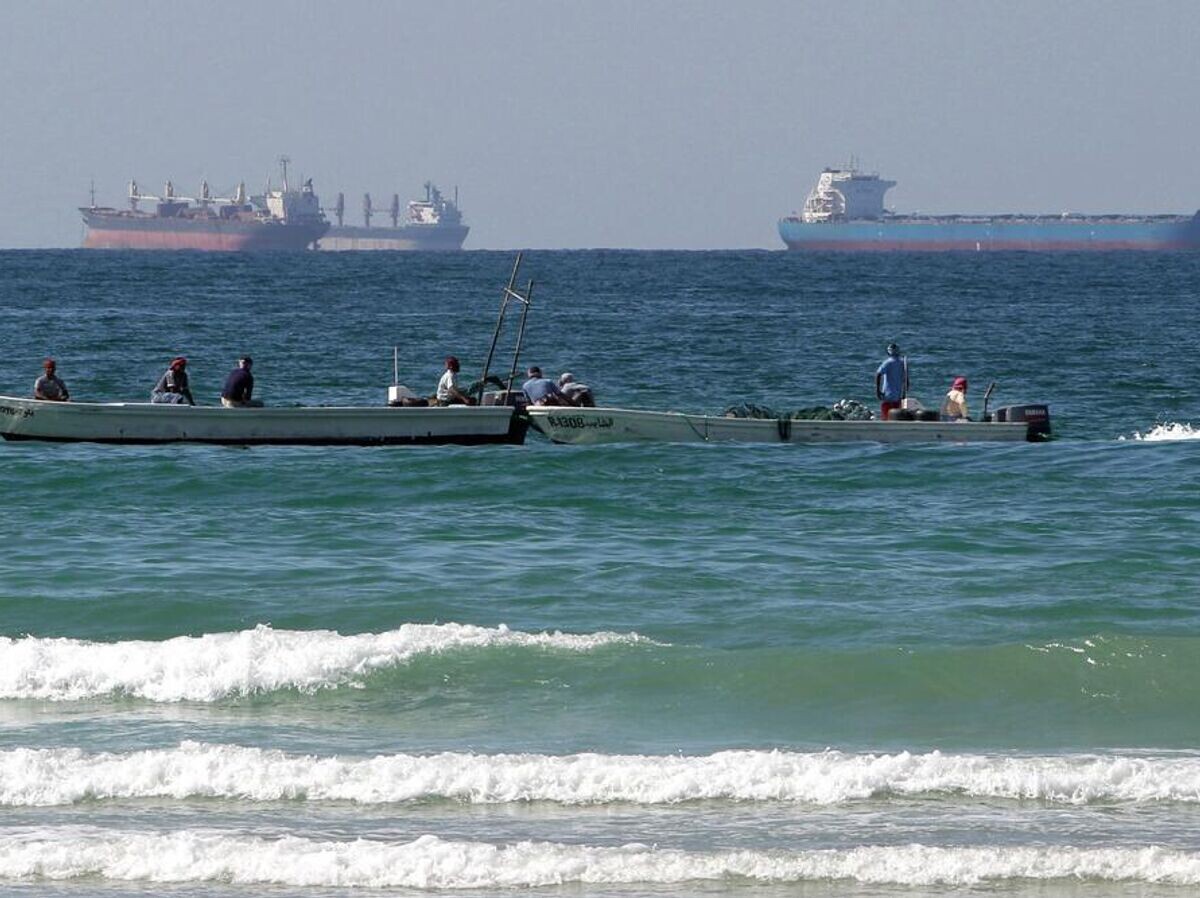
Hormuz will not open by force
"I see no military path to reopen the Strait of Hormuz and keep it open," argues Richard Allen Williams, a retired US Army colonel and former NATO official. It is noted that Iran has not encircled the Strait; instead, it has made this sea route uncontrollable using a combination of direct attacks, mines, electronic warfare, and creating fear in the market. It is a situation that is more difficult to reverse than a traditional naval encirclement, points out Richard Allen Williams.
The Strait of Hormuz is open for those not attacking Iran
In statements, Esmail Baghaei, spokesperson for the Iranian Foreign Ministry, argued that the Strait of Hormuz is open to those countries that do not participate in the attack against Iran. "Countries that have nothing to do with this act of aggression can pass through the Strait of Hormuz after the necessary consultation with the Iranian authorities, to ensure that the transit is done with safety and protection," said Baghaei, stating that Iran will continue to charge countries and ships for safe passage through the Strait. "A series of measures apply to the transit of the Strait of Hormuz due to the state of war imposed on Iran," underlined Baghaei. According to information from Lloyd’s List Intelligence, at least two ships that crossed the Strait have paid a fee for safe passage, with one of them reaching 2 million dollars.
Uri Halperin (former Netanyahu advisor): What mistakes the US and Israel have made
Uri Halperin, former intelligence advisor to Benjamin Netanyahu, provided significant observations regarding Israel's mistakes in the war with Iran. According to the Iranian news agency Tasnim, Halperin held a position that is practically considered the highest level of intelligence in Israel (even above the heads of Mossad, Aman, and Shabak), as these organizations operate under his supervision and ultimately under the Prime Minister. Halperin's summary regarding the conduct of the US and Israel in the war with Iran is as follows:
-
Lack of strategic planning: Involvement in the war without a clear operational plan for achieving goals.
-
Error in evaluating Iran: Underestimation of Iran's missile capabilities, resilience, and tactics.
-
Inability to control military infrastructure: The geographic dispersion of missile stocks makes their destruction through limited attacks impossible.
-
Weakness in defensive readiness: Lack of anti-missile system stocks and inadequate preparation before the war.
-
Prevalence of political fantasy: The belief that Iran's regime can be changed and the Strait of Hormuz and global energy can be controlled without understanding the reality on the battlefield.
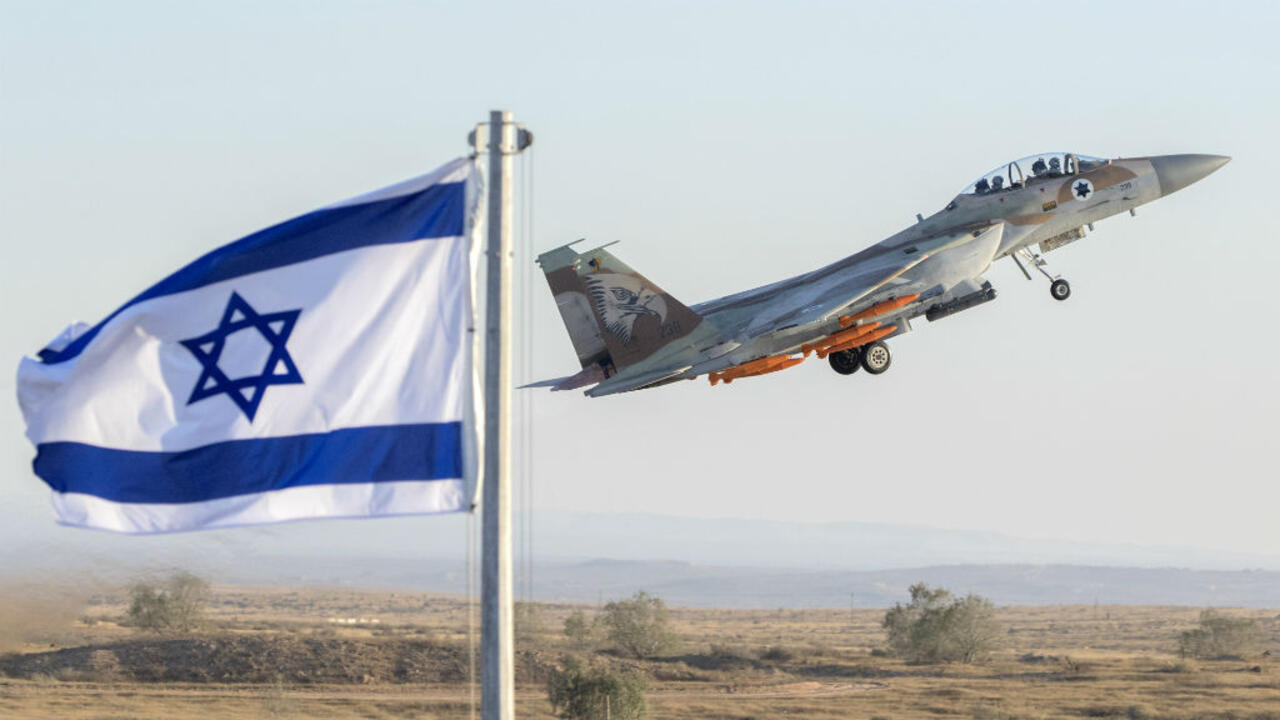
IDF: New wave of air strikes in Tehran
The Israeli military reported in a post on Telegram that it launched a wave of attacks against infrastructure in Tehran. The semi-official Iranian agency SNN reported that the attacks hit a residential area, with rescuers searching for survivors in the ruins. According to Iranian authorities, at least 12 people were killed during the latest attack, while 28 others were injured. It is estimated that since the start of the war on 28/2, over 1,500 people have been killed in Iran. As the Israeli Air Force (IAF) announced, it bombed two facilities in Tehran where Iran was manufacturing naval cruise missiles. The IDF notes that the facilities "operated under the guidance of the Iranian Ministry of Defense and were used by the regime for the development and manufacture of long-range naval cruise missiles, capable of rapid destruction of targets at sea and on land." The raids were carried out based on information provided by the Military Intelligence Directorate and the Naval Intelligence Directorate, adds the IDF.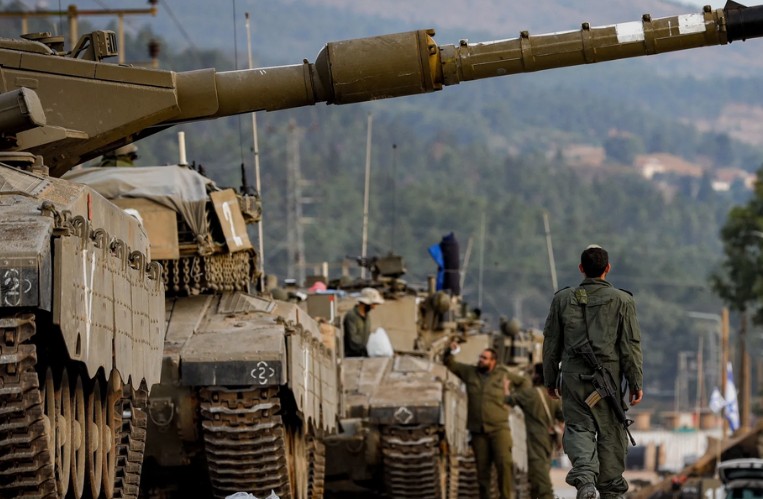
Pounding Beirut and southern Lebanon
The Israeli military continues to strike Iran and Lebanon based on "a steady plan," regardless of potential talks aimed at reaching an agreement to end hostilities, argues the IDF spokesperson. "Regarding one agreement or another, we are currently acting based on a steady plan," said Brigadier General Effie Defrin. The spokesperson was responding to a question related to efforts being made to start a diplomatic process, capable of putting an end to the war that has been shaking the Middle East since February 28. "We are acting and will continue to act, we are acting even at this moment to intensify the strikes and eliminate the existential threats" and "we are simultaneously striking Iran and Lebanon," added Defrin. According to the Lebanese news agency ANI, at least 9 people were killed during Israeli air strikes in southern Lebanon. The Israeli military simultaneously ordered citizens of seven neighborhoods in the southern sector of Beirut to evacuate urgently in view of bombings.
They want a 30-kilometer buffer zone
It is reminded that Israeli Defense Minister Israel Katz stated yesterday that the military was ordered to perform "maneuvers inside" Lebanon and set up an "advanced line of defense" as far as the Litani River, some 30 kilometers from the border of the two countries, defying calls, especially from France, not to proceed with a ground invasion and not to attempt to capture Lebanese territories.
www.bankingnews.gr













Readers’ Comments