

As the war in the Middle East enters its 19th day, a new front is creating headaches for US President Donald Trump: the internal state of the MAGA movement (Make America Great Again). The movement he founded and which propelled him to the presidency twice is entering an identity crisis due to the war in Iran. Even fanatic Trump supporters are struggling to understand or explain why the US initiated a war with Iran, which did not pose a direct threat to their national security. Meanwhile, Trump's erratic maneuvers are making matters worse.
For instance, Trump's latest statement regarding MAGA came via a lengthy post on Truth Social, where he defended pro-Israel commentator Mark Levin, who recently clashed on social media with conservatives criticizing the war: "Those who speak badly of Mark will quickly disappear, as will those whose ideas, policies, and foundations are not sound. THEY ARE NOT MAGA, I AM, and MAGA means not allowing Iran, a sick, perverse, and violent terrorist regime, to obtain a nuclear weapon to destroy the United States, the Middle East, and eventually the rest of the world. MAGA is about stopping them for good." It is obvious that with such statements, the US President is throwing more fuel onto a fire that is already raging!
Pre-election lies
Many Trump voters have been surprised to learn that "MAGA means" war with Iran. It is true that Trump has not always been rhetorically consistent on issues of war and peace; however, in 2016, he stood out in the Republican primaries by denouncing "endless wars," particularly the one in Iraq. In the 2020 and 2024 elections, he boasted that he started no new wars during his first term: "We will measure our success not just by the battles we win, but by the wars we end—and perhaps most importantly, by the ones we never enter," he had stated in his inauguration speech last January. "My proudest legacy will be that of a peacemaker and unifier!" Fourteen months later, Trump appears to be transforming into a warmongering and divisive leader. The MAGA movement and the Republican Party may pay the price.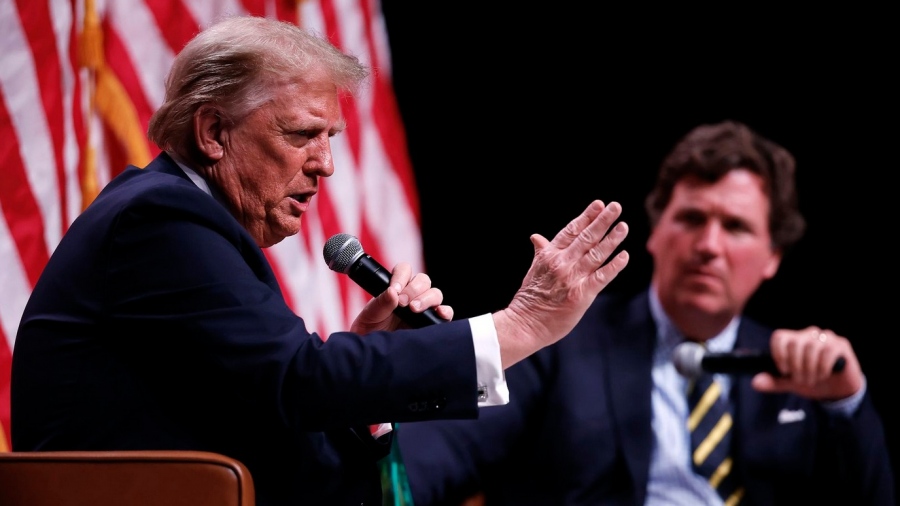
The rift with Carlson
Two weeks ago, a rift occurred in Trump's relationship with well-known television host Tucker Carlson, whom Trump essentially ostracized from the movement. The President spoke harshly against him, stating that he has "lost his way" and no longer belongs to the MAGA movement: "MAGA is saving our country. MAGA is making it great again. MAGA is 'America First' and Tucker is none of those things," Trump emphasized, adding with characteristic sharpness: "And Tucker really isn't smart enough to understand it!"
Carlson, a long-time MAGA supporter and personal friend of Trump, had harshly criticized the American-Israeli attack against Iran, calling it "absolutely repulsive and evil" in an interview with ABC News. At the same time, Carlson warned that the military action "will rearrange things profoundly," implying that this decision by Trump could have a significant political cost for him and the MAGA movement, especially ahead of the 2026 midterm elections.
Not worried
The White House, however, dismisses these concerns. Press Secretary Karoline Leavitt recently cited polls showing that over 85% of voters who identify with MAGA support the strikes against Iran. This serves as the primary response to those speaking of a split: even if figures like Joe Kent reportedly resigned in protest or influencers like Tucker Carlson are distanced, the voters remain by Trump's side.
Voters opposed
However, problems exist. Even the most ardent MAGA supporters do not seem particularly enthusiastic about the war. At a rally in Kentucky, Trump's announcement that the US "won" the war was met with awkward silence. No one doubts that MAGA has supported Trump through many political scandals and is unlikely to turn against him now. However, voters who identify with MAGA make up only about 15% of the electorate. Trump won the White House thanks to traditional Republicans and independents.
The former appear less supportive of the war with Iran compared to the support they showed for George W. Bush's military operations, while independents are largely opposed. Even in the polls cited by Leavitt, only 24% to 32% of independents stated they support the strikes against Iran. According to a survey by the Quincy Institute, about a quarter of Trump's 2024 voters oppose the decision for war!
Influencers are jumping ship
One does not need a PhD in political science to understand that these are negative percentages in a two-party system—and wars usually become less popular over time. The communication problem is worsening as the war alienates opinion makers. The 2024 campaign was characterized as the "podcast election" due to the influence of personalities like Joe Rogan, who had supported Trump. Now, however, many of them appear disappointed. "It seems crazy based on what he promised," Rogan said. "That’s why many feel betrayed. He said 'no more wars,' and now we have a war that we can't even clearly explain why it happened."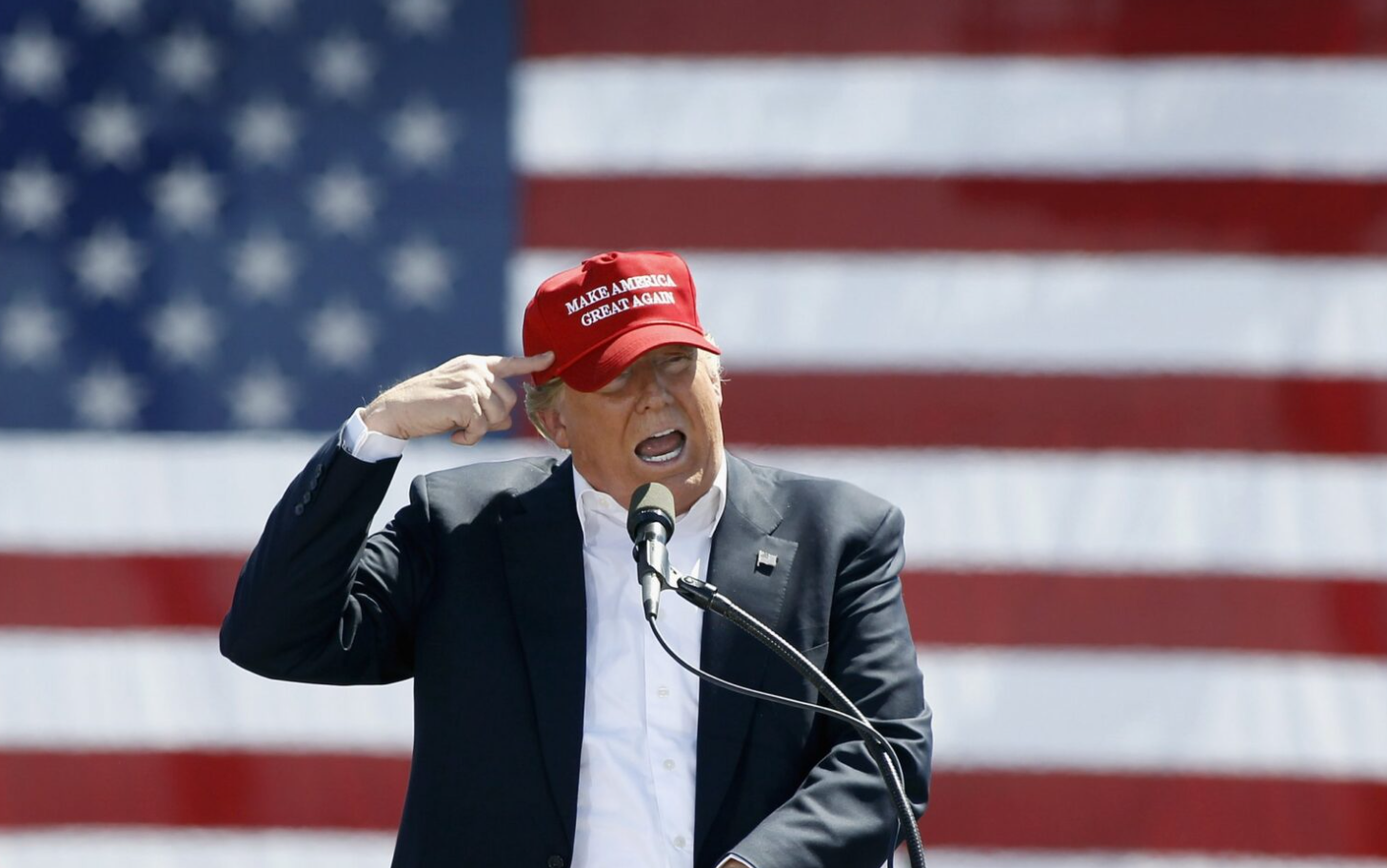
Problems for the successor
A drop in support from traditional Republicans and independents could prove catastrophic for the party in the midterms and in 2028. Despite reports of a "landslide victory" in 2024, Trump won the popular vote by a smaller margin than Hillary Clinton in 2016. Furthermore, Trump will not be a candidate in the next election. Whatever relationship he has built with MAGA voters will not necessarily transfer to his successors, such as J.D. Vance or Marco Rubio.
The next Republican candidate will face serious difficulties if the war with Iran turns into a quagmire, as seems likely. It will be hard to convince anyone that opposition to "stupid wars" remains a credible party platform. In fact, if the war is prolonged, the Democrats may regain the anti-war momentum that led Barack Obama to power in 2008. There are also secondary effects. Inflation and the high cost of living were key reasons Americans returned Trump to the White House. However, the possibility of Iran closing the Strait of Hormuz—through which one-fifth of the global oil trade passes—has already sent energy prices skyrocketing and threatens a global recession. Working-class people will be hit hardest and may politically punish Trump and his party.
Political crisis
As the Trump administration approaches a political crisis, there are signs it may restrict civil liberties to suppress dissent. FCC Chairman Brendan Carr threatened not to renew media licenses due to war coverage! Meanwhile, Laura Loomer, who reportedly has influence over Trump, claims to be recording "traitors" within his camp. In her posts, she called for a new "McCarthyism," stating she has created a list of conservatives—including Carlson—who she claims receive money from US adversaries and "deserve prison!"
So far, figures like Carlson criticize Trump's policies without attacking him personally. But if they begin to believe they are politically threatened, this could change—and with it, the President’s image in the eyes of their followers. Trump has undoubtedly created one of the most impressive populist movements in modern political history. But to remain strong, MAGA must be a cohesive ideological force and not just a personality cult. And it must maintain the support of independents and traditional Republicans. As it stands, many signs suggest that this project might not survive a war with Iran.
www.bankingnews.gr













Readers’ Comments