

The international community is watching with bated breath as the war in the Middle East, ignited by US and Israeli attacks on Iran, takes a perilous turn. International authorities have now commenced formal preparations for the nightmare scenario of a nuclear catastrophe. Ongoing strikes on nuclear infrastructure and rhetoric regarding the use of non-conventional weapons have placed global health headquarters on maximum alert.
Hanan Balkhy, the World Health Organization’s Regional Director for the Eastern Mediterranean, revealed to Politico that UN staff are monitoring the impact of American-Israeli strikes on Iran’s nuclear facilities and remain vigilant against any form of nuclear threat. "The worst-case scenario is a nuclear incident, and that is what worries us most," Balkhy stated. "No matter how much we prepare, nothing can prevent the damage that would be caused to the region—and globally, if this eventually happens—and the consequences would last for decades." Staff are prepared for a nuclear event in the "broadest sense," including an attack on a facility or the use of a weapon, Balkhy noted, adding: "We are thinking about it and truly hope it does not happen."
Strikes on nuclear facilities
US President Donald Trump has pledged to "eliminate the imminent nuclear threat posed by the Iranian regime," though he has provided no evidence that Tehran is developing a nuclear weapon. Last June, the US, in coordination with Israel, targeted nuclear infrastructure across Iran. The Atomic Energy Organization of Iran confirmed that attacks took place at its facilities in Fordow, Isfahan, and Natanz. The US and Israel have continued to target nuclear sites since launching their new offensive on February 28.
Israel and the United Arab Emirates also possess nuclear facilities within range of Iranian missiles, though there are no reports of these being targeted. It is widely believed that Israel itself possesses a significant nuclear arsenal. To date, no signs of radioactive contamination have been reported in the region. However, if a nuclear incident were to expose people to dangerous radiation levels, there would be a risk of significant immediate injuries to the lungs and skin, as well as an increased risk of cancer and mental health issues, Balkhy explained.
The 'blow' of Chernobyl
The 1986 nuclear accident at the Soviet Chernobyl plant in Ukraine officially caused about 30 deaths in the first months and later contributed to a surge in thyroid cancers, numbering in the thousands, and high levels of anxiety among the local population over the following decades. "I believe those who read the history of previous incidents, whether intentional or accidental, know very well what we are talking about," said Balkhy. It is estimated that 110,000 to 210,000 people lost their lives from the US nuclear attacks on the Japanese cities of Hiroshima and Nagasaki in 1945.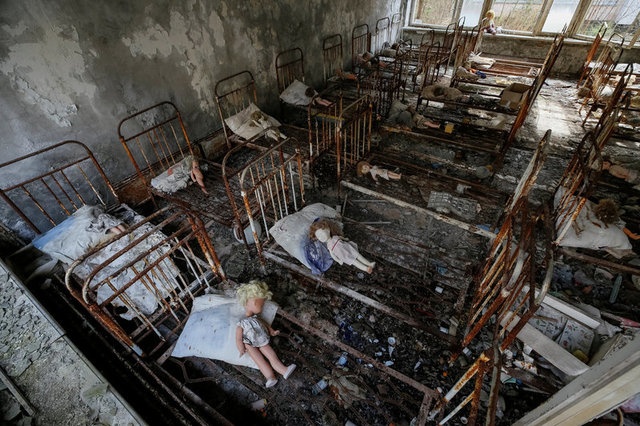
Scenarios for the use of nuclear warheads
As the war continues, some high-ranking officials have begun to speculate on the use of nuclear warheads. David Sacks, Trump's advisor on Artificial Intelligence, stated he is concerned about the possibility of "Israel escalating the war by considering the use of a nuclear weapon." For his part, the US President dismissed this scenario, telling reporters: "Israel would not do that."
The WHO is updating its staff's knowledge on how to react in the event of a nuclear incident, including providing advice to officials on public health risks and the measures citizens should take to protect themselves. Balkhy also warned that there could be significant health impacts, such as respiratory diseases, from the attacks on Iranian oil facilities earlier this month that have blanketed Tehran in smoke.
Hospital alert
Meanwhile, the WHO continues to condemn attacks on health infrastructure in the region. The Organization has so far recorded 46 attacks on healthcare workers in Iran and Lebanon, with 38 deaths, since the war began on February 28. Israel killed 14 healthcare workers in Lebanon in two strikes on March 13, including an attack on the Bourj Qalaouiyeh primary healthcare center in the southern part of the country.
Balkhy described the attacks as "tragic and unacceptable," adding that healthcare workers must be protected under international law "at all times." Healthcare workers and UN officials have previously accused Israel of the systematic destruction of Gaza’s health system. Israel has denied this accusation, typically stating that attacks are justified for military reasons or, as in the case of a deadly double strike on the Nasser hospital in 2025, that it was a "tragic accident." By mid-2025, 94% of Gaza's hospitals had been damaged or destroyed, according to the WHO.
Kuwait reported on March 17 that two rescuers were injured when shrapnel from an Iranian attack fell on a medical center. Health ministries in Iran and Lebanon reported 1,444 and 886 civilian deaths, respectively, as of March 17. Lebanon reports that 107 children have died since the latest bombardment.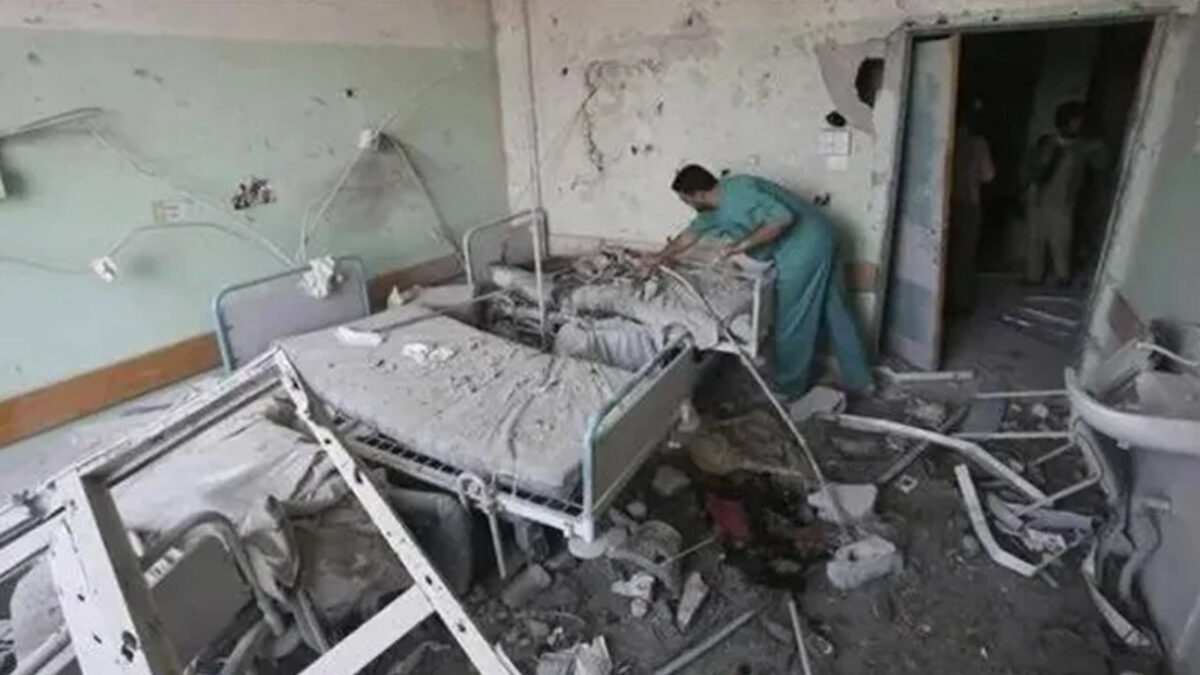
One million Iranian households displaced
The United Nations estimates that between 600,000 and 1 million Iranian households have been temporarily displaced, while there are 946,000 self-registered displaced persons in Lebanon, according to data provided by the WHO to Politico. The Israeli Ministry of Health does not include casualties in its daily war updates; as of March 8, the government stated that 13 people had been killed. The fragile health system in Lebanon, which was already under severe pressure before the latest Israeli attacks, is struggling to cope with the large number of displaced persons. "We are talking about access to quality food, clean water, the interruption of medical care, whether it's child vaccinations, or access to their medications, dialysis patients, cancer patients. There will be a huge toll on the people of Lebanon," said Balkhy.
Instructions to citizens
Although Balkhy did not detail the full manual in the interview, standing WHO international protocols for such crises (to which the official referred) provide for specific stages:
Immediate shielding: Remaining indoors (shelters or building centers) to avoid direct radiation and using respiratory protection (masks or wet cloths) to limit the inhalation of radioactive particles.
Decontamination process: Instructions for the immediate removal of outer clothing and thorough skin cleaning to remove radioactive dust.
Health surveillance: Long-term monitoring of the food chain and water, as well as specialized screenings for thyroid cancer prevention and addressing psychological trauma.
www.bankingnews.gr






Readers’ Comments