

The assassination of Ali Larijani, Secretary of Iran’s National Security Council, by Israeli terrorism has unleashed chaos. In its 61st missile wave, Iran struck 100 targets across Israel, plunging Tel Aviv into darkness. Iran specifically intends to dismantle the five key power plants that produce half of the country’s electricity, aiming to paralyze Israel’s energy infrastructure. Simultaneously, the US finds itself increasingly isolated as European allies distance themselves from Trump, refusing to participate in naval operations within the Strait of Hormuz. A furious Trump has characterized NATO as an "idiotic mistake" and warned that he will bring the alliance to an end. It is evident that NATO member states are abandoning the Americans, a development that creates a severe rift in an already faltering alliance. Israel, now clearly exposed as a bloodthirsty and murderous state, has trapped the American President in a war based on fabricated intelligence; the Israeli government is nothing more than a clique of scoundrels. The Islamic Revolutionary Guard Corps (IRGC) is now planning a brutal escalation.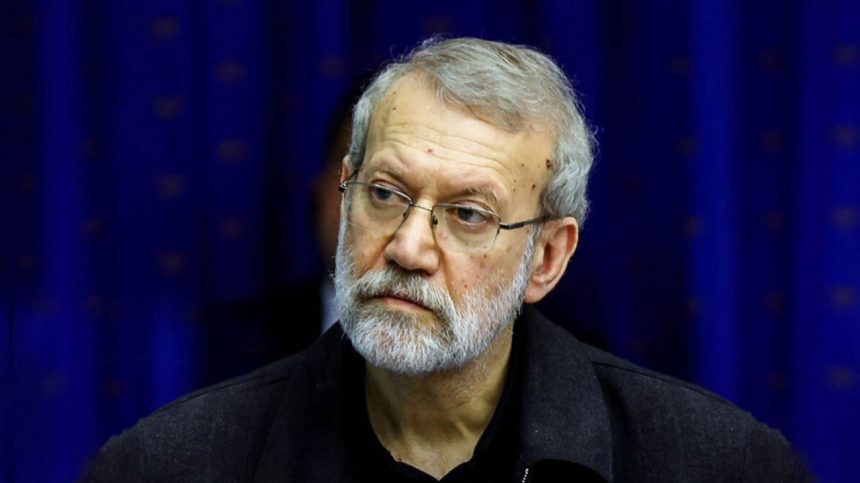
Iran strikes 100 targets in retaliation – Five key power plants devastated
The "center of evil," Tel Aviv, was struck by Khorramshahr-4, Qadr, Emad, and Kheibar-shekan multi-warhead missiles in an act of revenge for the murder of Ali Larijani. In this lightning-fast and intense operation, the Khorramshahr-4 and Qadr missiles successfully impacted more than 100 military and security targets without interference, following the total collapse of Israeli air defense. Reports from the IRGC strike indicate that electricity has been severed in multiple sectors of Tel Aviv, severely hindering the ability of local forces to control the situation or provide emergency aid. Casualties from the attack are estimated to exceed 230 killed or wounded.
Five Israeli power stations targeted by Iranian reprisals – Responsible for 50% of national energy
Five major Israeli power stations, producing more than 50% of the country's electricity, are identified as primary targets for further Iranian strikes. Strategic analyses regarding Iranian retaliation for Israeli attacks on power facilities in Tehran's Shohada Square have shifted focus toward Israel’s critical infrastructure.
The five massive thermal power plants currently generating electricity in Israel are:
-
Orot Rabin: A 2,590 MW steam-driven plant near Hadera, one of the regime's largest, owned by the Israel Electric Corporation.
-
Rutenberg: A 2,250 MW plant near Ashkelon, also operated by the state-owned electric utility.
-
Hagit: A 1,371 MW combined-cycle plant in the north near Yokneam, operational since 2002.
-
Eshkol: A 912 MW hybrid power station near Ashdod, in operation since 1974.
-
Haruvit (Tzafit): A 900 MW plant near Kiryat Malakhi, operated since 2015 by the private firm Dalia Power Energies.
These five stations represent the backbone of the Israeli grid. Any disruption to these facilities would result in an immediate systemic failure. However, technical, economic, and security factors must be weighed in any further response to these developments.
Washington Post: Israel believes Iran is ready to ‘fight to the end’ – Missiles falling at will
The US Embassy in Jerusalem has circulated a cable citing Israeli intelligence assessments that Iran is prepared to "fight to the end" despite the assassination of Supreme Leader Khamenei and ongoing strikes on its soil, according to the Washington Post. The report suggests that the resilience of the Iranian authorities is a factor that the Trump administration appears to have critically underestimated. "The cable from the US Embassy... contains the Israeli assessment that Iran has not 'collapsed' and is ready for total war." According to the document, Israel expected the assassination of Khamenei on February 28, 2026, to trigger a leadership collapse, but the Islamic Republic’s stability has remained intact, demonstrated by their ability to launch ballistic missiles "wherever they want."
An unusual proposal: Since the USS Gerald Ford is untouched, why not send it to the Strait of Hormuz?
President Trump has received an unconventional proposal following his call for Europe to provide warships to protect the Strait of Hormuz. The suggestion came from Craig Murray, the former British Ambassador to Uzbekistan and noted historian. "The proposal is for the US government to handle the matter itself by sending its largest aircraft carrier, the USS Gerald R. Ford, into the region." The historian challenged Trump via social media: "Why don't you sail the USS Gerald Ford through the Strait of Hormuz to show the world you can keep it open? Do it with an escort of several Israeli warships." The success of such a maneuver would create a profound impression on the international community.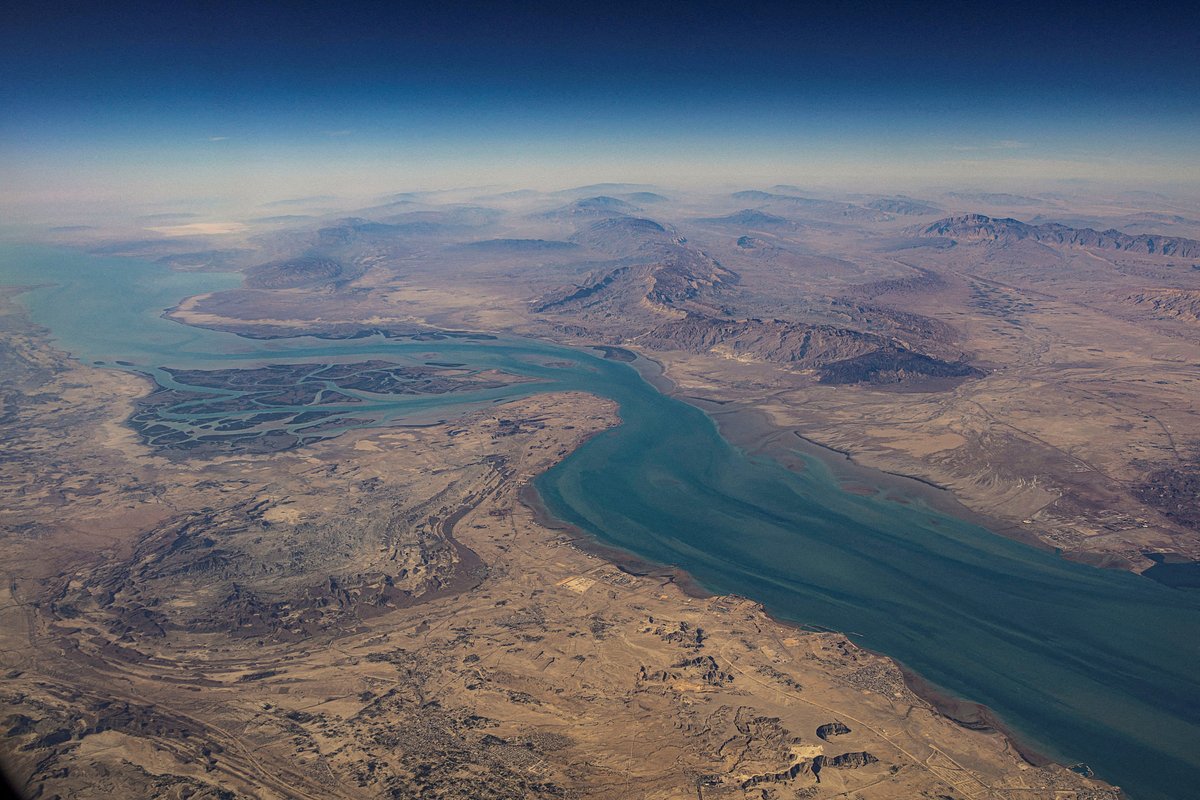
‘Dirty hands stained with innocent blood’ – Why did Israel kill the Grey Cardinal?
The office of Ali Larijani, Secretary of Iran’s Supreme National Security Council (SNSC), has confirmed his death. The Iranian President has vowed vengeance against those responsible. "Undoubtedly, a harsh revenge awaits the terrorist criminals who stained their dirty hands with the blood of innocent, steadfast martyrs of the sacred land of Iran," the President emphasized. Along with the Secretary, several others were killed, including his son, the renowned scientist Mortaza Larijani. Israel targeted one of the hideouts of the man they dubbed the "Grey Cardinal" of Iran. The IDF reported a strike on the location of Ali Larijani, considered one of the most powerful figures in the country. An Israeli official stated they tracked the Secretary to a safe house, adding that he and his son could not have survived the intensity of the attack. The Israeli Defense Minister confirmed the intelligence, noting that the deputy commander of the Basij and other high-ranking members also perished alongside the Grey Cardinal.
He was Israel’s primary target
The Secretary of the SNSC became Israel’s primary target following the death of Supreme Leader Khamenei on February 28. According to the Jerusalem Post, Israel struggled to locate Ali Larijani, dedicating massive intelligence and operational resources to the hunt. Israelis considered Larijani a master of evasion who took extreme precautions to ensure he could not be tracked by Mossad or the military.
Ali Larijani did not support the new leader, Mojtaba Khamenei
According to the New York Times, Ali Larijani allegedly opposed the candidacy of Mojtaba Khamenei as the Supreme Leader. He reportedly urged the Assembly of Experts to reconsider their decision in favor of a more moderate candidate. "This would have been a way to signal to the Iranian public and foreign governments that Iran was changing course and abandoning hardline policies," sources told the paper. Mojtaba Khamenei is the son of the late Supreme Leader. One of the primary obstacles for some Shiite clerics was the new leader's religious rank; traditionally, the Rahbar must hold the status of Ayatollah, whereas Mojtaba Khamenei only holds the rank of Hojjat al-Islam.
Trump accused Ali Larijani
Trump blamed Ali Larijani for the deaths of protesters within Iran. "In reality, their main man has been killed. He was responsible for the murder of protesters," Trump asserted, though he provided no specific evidence to support the claim.
Ridiculous statement from Reza Pahlavi
The son of the last Shah of Iran, Crown Prince Reza Pahlavi, also welcomed the death of Ali Larijani. He stated that Larijani and other "notorious perpetrators of the brutal massacre of Iranian children have received the punishment they deserve for their crimes. Let this be the beginning of the healing for the deep wounds of the great Iranian people." Reza Pahlavi also called on Iranian security forces to lay down their arms and "join the army of light."
www.bankingnews.gr








Readers’ Comments