

In an escalation that fundamentally alters the military balance of power in the Middle East, Iran has deployed the Sejjil missile against Tel Aviv for the first time. This represents Tehran's most formidable weapon alongside the Khorramshahr 4, boasting speeds of Mach 14 and a 1.5-ton payload capacity capable of carrying multiple warheads totaling several tons. The Sejjil is a high-precision missile with a margin of error of only a few meters. Its use of solid fuel allows for a launch window of just minutes, making it nearly impossible to detect with conventional technologies compared to liquid-fueled counterparts.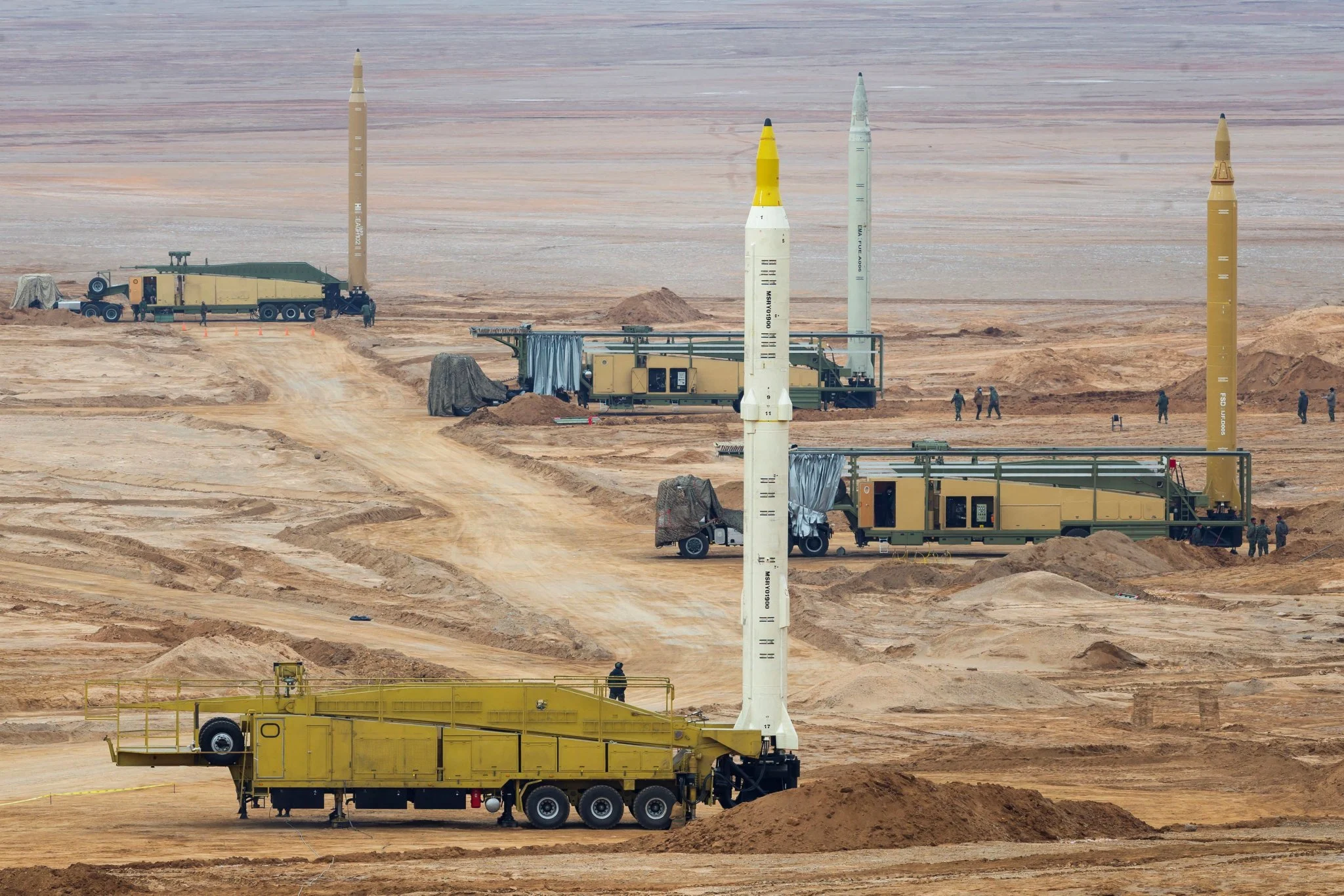
Exceptionally dangerous
This immense speed and the difficulty of detection make the weapon exceptionally dangerous, extending the scope of destruction horizontally across the entirety of Israel. Initial reports indicate that a building housing American diplomats in Tel Aviv sustained a strike. In just two weeks of conflict, Israel's material losses have multiplied far beyond the damage sustained during two years of warfare with Palestinians, Lebanese forces, and the Houthi movement. The battle continues, and the deployment of Sejjil missiles underscores Iran's ability to radically redefine the terms of war, dramatically increasing the range and effectiveness of its assaults. The international community watches with trepidation as the escalation threatens to turn the region into a total hot front.
Iran using the Sejjil for the first time tells you everything.
— Open Source Intel (@Osint613) March 15, 2026
Liquid-fueled missiles take hours to set up... With Israeli and U.S. eyes on every launcher, those are death traps. Solid fuel launches in minutes.
But Iran has far fewer of them. The escalation is a sign of… pic.twitter.com/dFNFX8BqKo
Striking vital points in minimal time
The strategic significance of this attack is multifaceted: beyond physical damage, it sends a clear message to US and Israeli leadership by demonstrating Iran's capability to strike vital points in negligible time. This action may shift the conflict's dynamics, increasing pressure for diplomatic negotiations or potentially massive military responses. The use of the Sejjil proves that Iran now possesses high-precision technology with rapid readiness, capable of bypassing traditional air defense systems. This mobilization, combined with the Khorramshahr 4, establishes Tehran as a high-risk strategic actor in the region. As the conflict persists, attention turns to whether Israel will launch counter-offensives and how the West will react to the first Iranian strike on an Israeli city with such a powerful weapon.
عاجا: إيران تقصف تل أبيب ولأول مرة بصاروخ سجيل
— سامح عسكر (@sameh_asker) March 15, 2026
هذا أقوى الصواريخ الإيرانية على الإطلاق مع خرمشهر 4 سرعته تصل إلى 14 ماخ ويعمل بالوقود الصلب ورأسه الحربي طن ونصف، ويستطيع حمل رؤوس حربية عدة أطنان.
أيضا هو صاروخ دقيق وهامش الخطأ عدة أمتار
ميزته بالوقود الصلب أنه سريع التجهيز… pic.twitter.com/385Stpphij
Revolutionary Guards: We hit Israel with "Sejjil" missile... it arrived in 7 minutes!
Iran utilized the strategic "Sejjil" missile as announced by the Islamic Revolutionary Guard Corps (IRGC). During the 54th wave of operation "True Promise 4," Iranian military forces deployed ultra-heavy "Khorramshahr" missiles with two-ton warheads, alongside "Qadr," "Kheibar Shekan," and "Emad" missiles. Additionally, for the first time in this operation, strategic "Sejjil" missiles were used against Israel. According to the Missile Defense Project of the CSIS, the Sejjil is a medium-range missile designed and manufactured entirely in Iran. Measuring 18 meters in length, the missile has a range of 2,000 kilometers.
How Iran neutralized Israel's air defense
Simultaneously, the latest developments on the Iran-Israel front show that the strategic balance in the region is shifting dramatically. According to reports from Tasnim, the performance of the IRGC in missile attacks has increased significantly, while Israeli warning systems are experiencing severe malfunctions. Reports suggest that Israeli sirens occasionally sound without an actual attack, while at other times they fail to sound during intense missile strikes. The result is a total destabilization of public confidence in protection systems, with the Iranian side urging residents "not to trust warnings and to abandon the areas entirely."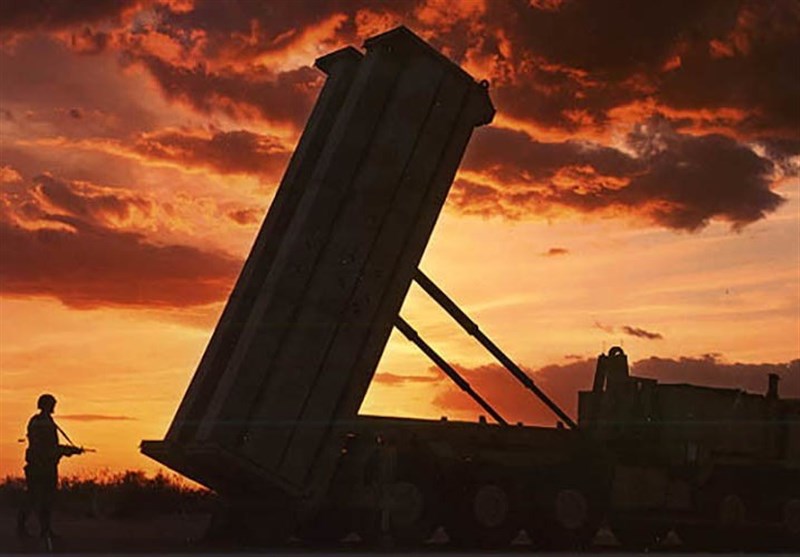
Iran's multi-layered plan
The Iranian armed forces entered the confrontation with a multi-layered operational scenario:
1. Targeting early warning systems The first phase focused on US long-range radar systems in the region, which detect ballistic missile launches and send data to Israel for interception. THAAD system radars were hit across seven countries in the region using a combination of missiles and UAVs, drastically reducing their effectiveness. Subsequently, radars in the UAE and Israel with ranges up to 5,000 km were targeted.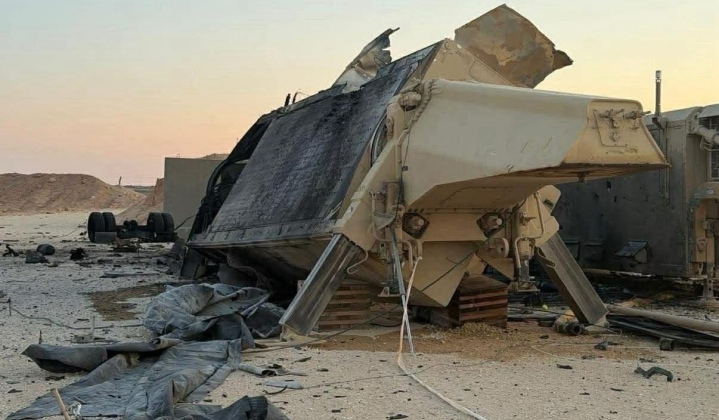
2. Targeting Israeli air defense radars Radars for systems such as Arrow, David’s Sling, and Iron Dome sustained strikes. Essentially, the radar is the "eye" of every air defense system. Its destruction or malfunction directly impacts the systems' ability to detect and intercept threats.
3. Targeting launchers and command centers In the next phase, system launchers can also become targets, hindering their return to full operational capacity. Ultimately, if the process continues, command and control centers can be hit, undermining Israel's entire air defense network.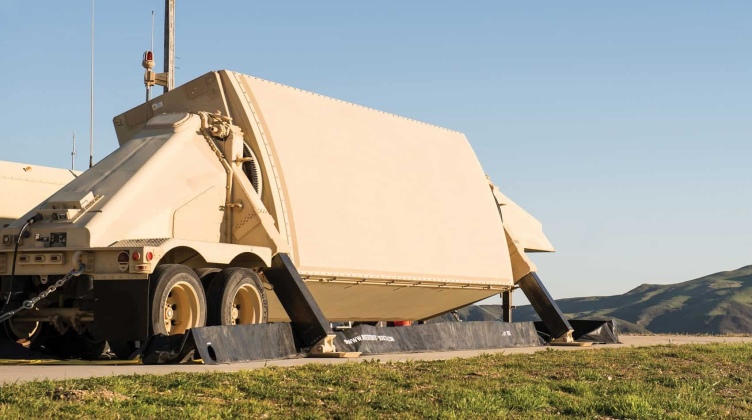
Asymmetric strategy and speed
Iran's approach does not rely on massive aircraft carriers or classical assaults, but on the utilization of asymmetric means and multi-layered tactics. The methodical targeting of critical early warning infrastructure and air defense systems turns Israel's technological superiority into a vulnerability, while the uncertainty surrounding sirens and interceptions delivers a psychological blow to the population. This strategy demonstrates proactive, multi-level preparation that makes Israel and the US vulnerable in a prolonged confrontation where reaction speed and time-control determine success or failure. Experience from recent attacks makes it clear that Iran is applying a step-by-step strike strategy that disorganizes air defense systems. The effectiveness of Israeli sirens and interception systems has been severely compromised. Iran's prolonged and asymmetric strategy may change the geopolitical balance and force Israel to reconsider the priority of its defense infrastructure. The population of Israeli regions now faces uncertainty and danger, while the US and Israel must seek completely renewed strategies for the protection of citizens and critical infrastructure.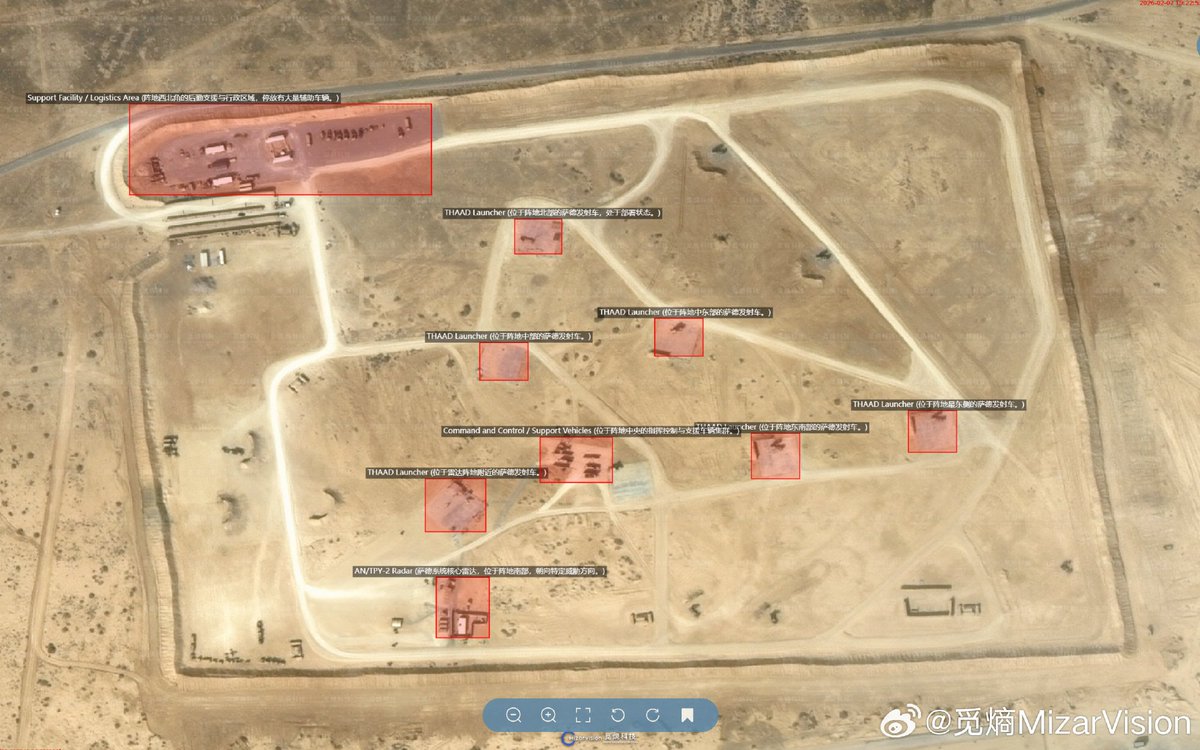
Serious impact on US and Israeli military infrastructure from Iranian attacks
The effectiveness of military forces depends heavily on the stable operation of support networks and the supply chain. When this network is disrupted, operational capacity decreases significantly and mission execution becomes increasingly difficult. This is the context of the recent military tension in the Middle East. According to the Hebrew edition of Tasnim News Agency, US military bases in the Persian Gulf region, primarily in the southern states, constitute a major element for supporting operations against Iran and assisting Israel during the war. In recent days, more than fourteen US bases in the region have sustained strikes from Iranian missiles and drones. These continuous attacks have exerted immense pressure on the support and supply capabilities of US forces, significantly limiting their ability to execute operations. The situation on the naval front is no different. US military vessels, which were a critical part of the operational support network, have also been targeted. Some sustained damage or were put out of action.
www.bankingnews.gr











Readers’ Comments