

The relationship between the United States and Israel is traditionally considered one of the most stable and strategically important alliances in the world.
However, the joint approach toward Iran, particularly after the failed strategic efforts to control or destroy the Iranian nuclear program, reveals significant differences and potentially dangerous tensions that often remain invisible to the public.
The conventional wisdom in Washington holds that the United States and Israel share a unified strategic objective: to confront the threat originating from Iran.
Politicians from all parties and think tanks repeatedly articulate this position, while the U.S. defense community translates it into operational plans.
However, experience has shown that conventional wisdom in the Middle East has a remarkably poor record when it comes to accuracy, and the case of Iran is no exception.
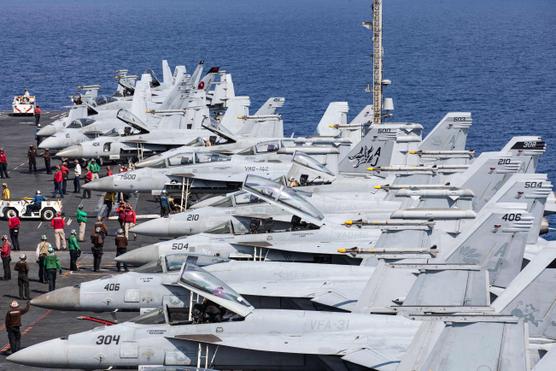
The different objectives of the two allies
To understand the United States–Israel rift, we must be clear about the goals of each side.
Israel seeks the complete destruction, not merely the limitation or negotiation, of Iran’s nuclear program and, increasingly, the weakening or collapse of the Islamic Republic.
This is an existential issue for the Jewish state: a nuclear armed Iran constitutes, according to Israel’s strategic thinking, an unacceptable threat to the survival of the state.
The leadership of Israel has expressed this clearly and repeatedly, and there is no reason to question the sincerity of these statements.
Israel expects the United States to wage this war fully, decisively, and with whatever cost is required to achieve the objective.
In contrast, the United States, based on its real national interests and not merely the statements of politicians, pursues far more moderate and complex objectives.
Washington wants to prevent Iran from acquiring a functional nuclear weapon, ensure the flow of oil in the Persian Gulf, avoid a new endless military commitment in the Middle East that would weaken its strategic presence in the Indo-Pacific, and, if possible, return to managing its main geopolitical challenge: the confrontation with China.
These objectives are not identical.
There are points of overlap, but the differences appear where the pressure is greatest: in the question of how far a military engagement should go, notes the National Interest in its analysis.
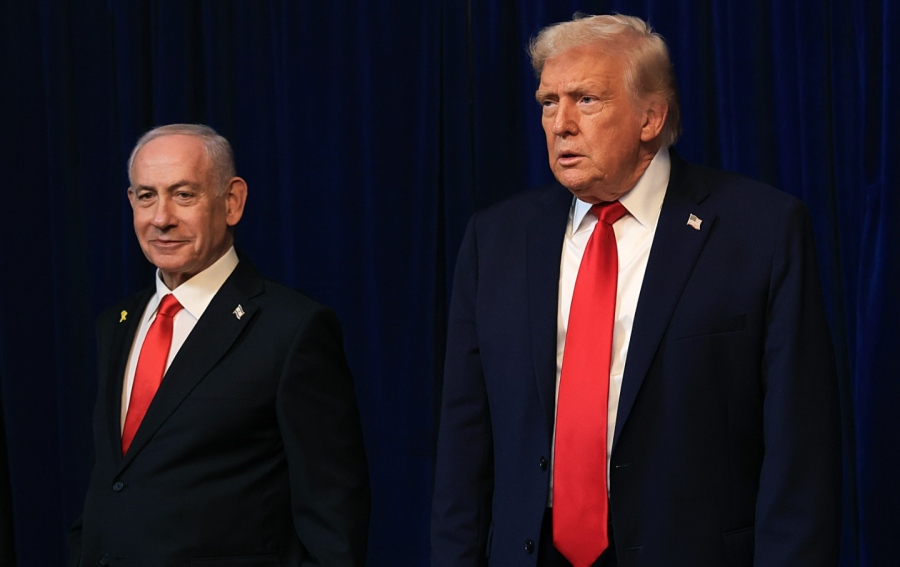
Historical perspective - From Iraq to Iran
History offers important lessons, although Washington often prefers to ignore them.
Israel has long operated with the belief that its strategic needs should, because of the alliance and shared values, become the strategic needs of the United States as well.
This confusion has benefited Israel, but has offered ambiguous benefits for American interests.
A characteristic example is the invasion of Iraq in 2003, where the overthrow of Saddam Hussein was strongly promoted by voices closely aligned with the strategic priorities of Israel.
The assumption was that American power would reshape a hostile regional order, delivering security benefits to both allies.
The result, however, was a twenty year loss of American credibility, resources, and strategic focus, while Iran was dramatically strengthened with the removal of its main Arab rival.
The lesson was available but, to a large extent, it was neither understood nor utilized.

Regional and global priorities
Israel views the Middle East as the primary arena of strategic concern.
Neighboring countries, the Persian Gulf, and the threat to Tel Aviv are the central points of strategic planning.
The United States, in contrast, has global interests.
A military campaign that reduces Iran’s capabilities but triggers a broader regional war, closes the Strait of Hormuz, involves the missiles of Hezbollah, and requires an extensive and indefinite American presence in the Persian Gulf may be considered a success for Israel but a serious strategic blow for the United States.
This asymmetry is decisive.
Israel, a small state with specific threats, can aim for an optimal outcome.
The United States, as a global power with commitments from the South China Sea to Eastern Europe, cannot do the same.

The necessity of honesty in strategy
This does not mean American indifference toward Iranian nuclear ambitions.
A nuclear armed Iran would be destabilizing for international security and the United States has legitimate reasons to prevent it.
But the proposition “to prevent Iran’s nuclear weapons capability” and the proposition “to advance Israel’s strategic objectives in the region” are related but not identical.
The uncomfortable truth that American foreign policy often avoids is that alliances require honest management of differences, not their ritual denial.
Pretending that the interests of the United States and Israel are perfectly aligned does not strengthen the alliance. it distorts decision making in Washington, isolates Israeli policy from legitimate criticism, and ultimately, when the differences can no longer be ignored, leads to strategic confusion with human cost.

Iran and strategic deadlock - Trump to Netanyahu: You have seven days to finish it
Today, after years of limited strategic efforts regarding Iran, diplomatic, economic and military, it has become evident that the objectives pursued by Israel have not been achieved and the United States finds itself in an awkward position.
Maintaining pressure on Iran without triggering a wider conflict has proven difficult.
The United States is forced to balance between the strategic needs of Israel and its own global obligations.
The inability for sincere coordination has created coordination gaps that Iran exploits, strengthening its regional position, as National Interest aptly observes.
At the same time, the United States now has limited willingness for a new military involvement in the Middle East, while Israel continues to press for decisive action against the Iranian nuclear program.
This contradiction leads to open and latent tensions that may undermine the long term strategic relationship between the two allies.
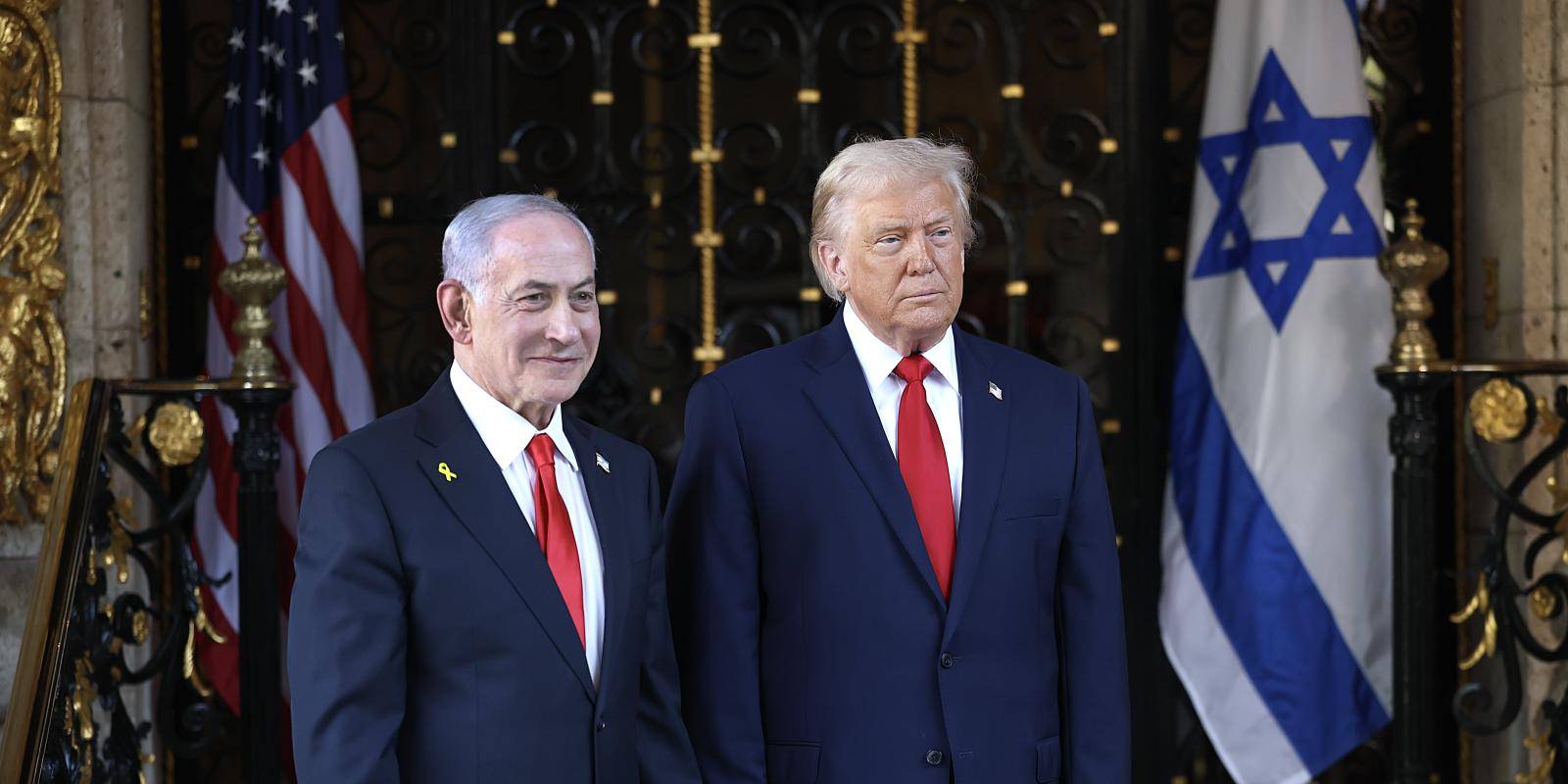
According to information, in his latest communication with Israeli prime minister Benjamin Netanyahu, U.S. president Donald Trump, strongly irritated, reportedly gave him a deadline of seven days to end the military conflict with Iran.
Moreover, Trump has made it clear in every possible tone that he now seeks the disengagement of the United States from the war.
According to a report by the Wall Street Journal, American senator Lindsey Graham repeatedly visited Israel in the weeks before the air strikes, met with Benjamin Netanyahu and with the intelligence service Mossad, and reportedly “trained” the Israeli prime minister on how to handle the U.S. president Donald Trump in order to secure approval for the strikes against Iran.
Toward a new strategic approach
American foreign policy should clarify its position: “We support Israel’s right to self defense, we share concerns about Iran’s nuclear program, and we will coordinate on a strategy that also serves our own interests.”
This does not mean that the United States will fully surrender decision making on issues that concern American soldiers, the economy, or international standing.
On the contrary, honesty and the clear management of different objectives will create a stronger, more stable, and more realistic alliance.
Without this honest dialogue, Washington will continue to be pushed into commitments shaped more by the threat perception of Jerusalem than by a coherent assessment of American national interests.
The result is a strategic rift that, if not addressed, may have serious consequences for the stability of the Middle East and the long term influence of the United States in the region.
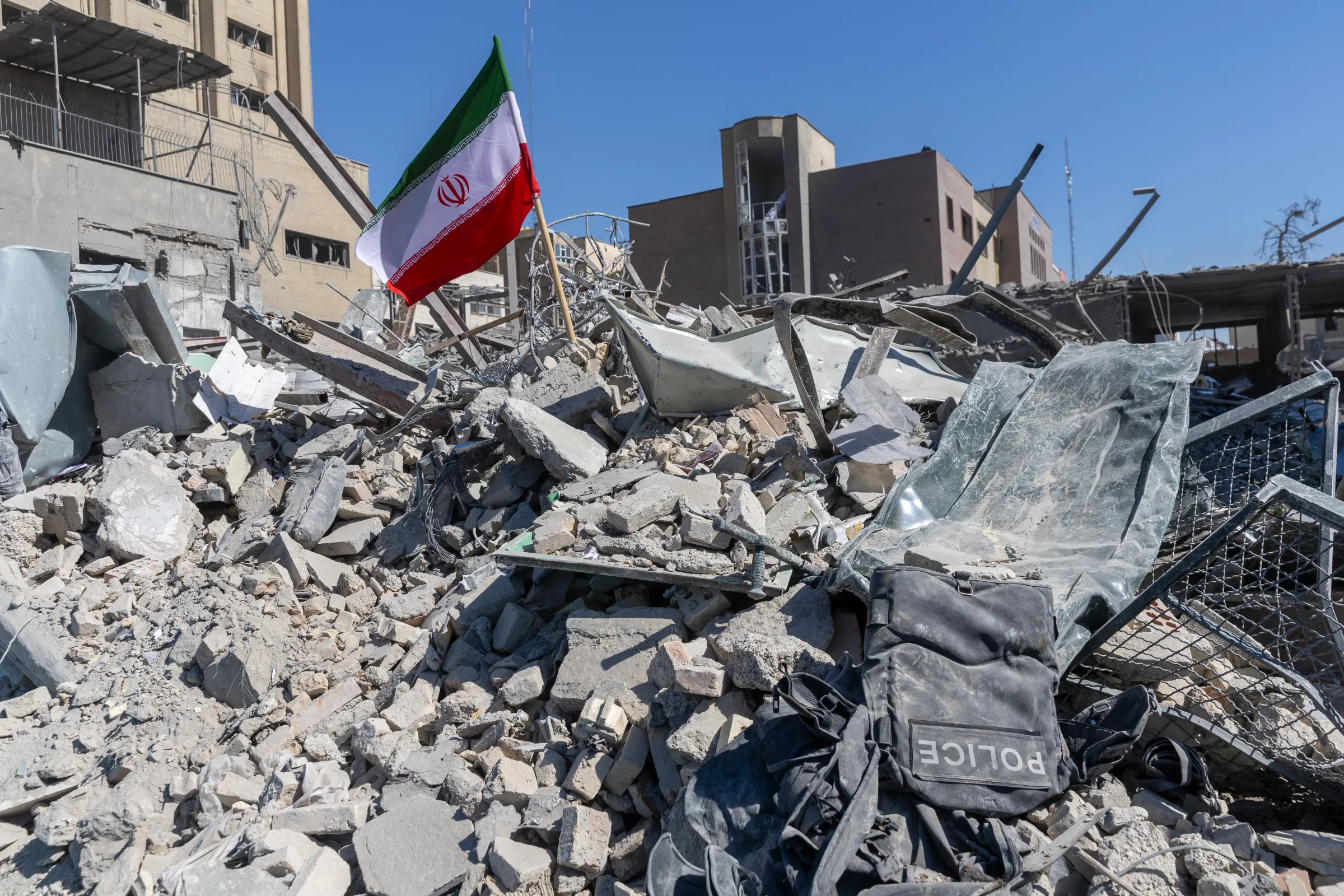
Complex balance of interests
The United States–Israel relationship is no longer only a matter of shared values or historical alliance. it is a complex balance of interests where the different strategic objectives of the two sides confront reality.
Israel demands decisiveness and total action regarding Iran, while the United States must balance between regional and global commitments.
Recognizing and managing these differences is critical not only for the success of the strategy toward Iran, but also for the long term sustainability of the alliance itself.
Honesty, coordination, and transparency in negotiations are the only way to avoid a new strategic failure similar to that of Iraq.
The absence of this approach simply increases the risk of conflicts that could have been avoided, while at the same time weakening the international position of the United States and leaving Israel vulnerable to threats that cannot be addressed unilaterally.
www.bankingnews.gr













Readers’ Comments